
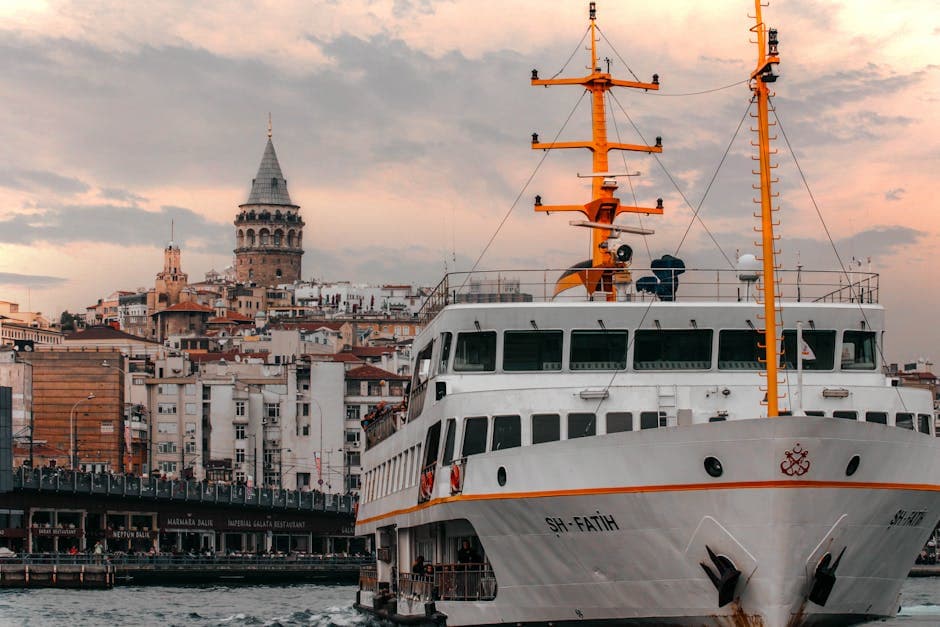
Istanbul: Sultanahmet to Galata Bridge Historic Highlights
İstanbul, Türkiye
Audio Preview
Listen to a sample of this audio tour to get a feel for the experience.
What You'll Experience
On this Istanbul: Sultanahmet to Galata Bridge Historic Highlights audio tour in İstanbul, you'll discover 12 carefully selected points of interest, each with its own story. The tour is designed to be completed at your own pace, with GPS navigation guiding you from one location to the next. As you approach each stop, the audio narration automatically begins, bringing history, culture, and local insights to life.
About This Tour
This tour explores Istanbul’s historic peninsula from Sultanahmet Square to the Galata Bridge, passing major Byzantine and Ottoman landmarks. It includes mosques, cisterns, bazaars, fountains, and monuments such as Hagia Sophia, the Blue Mosque, the Grand Bazaar, and Süleymaniye Mosque, with context on religion, imperial power, daily life, and urban development.
Points of Interest
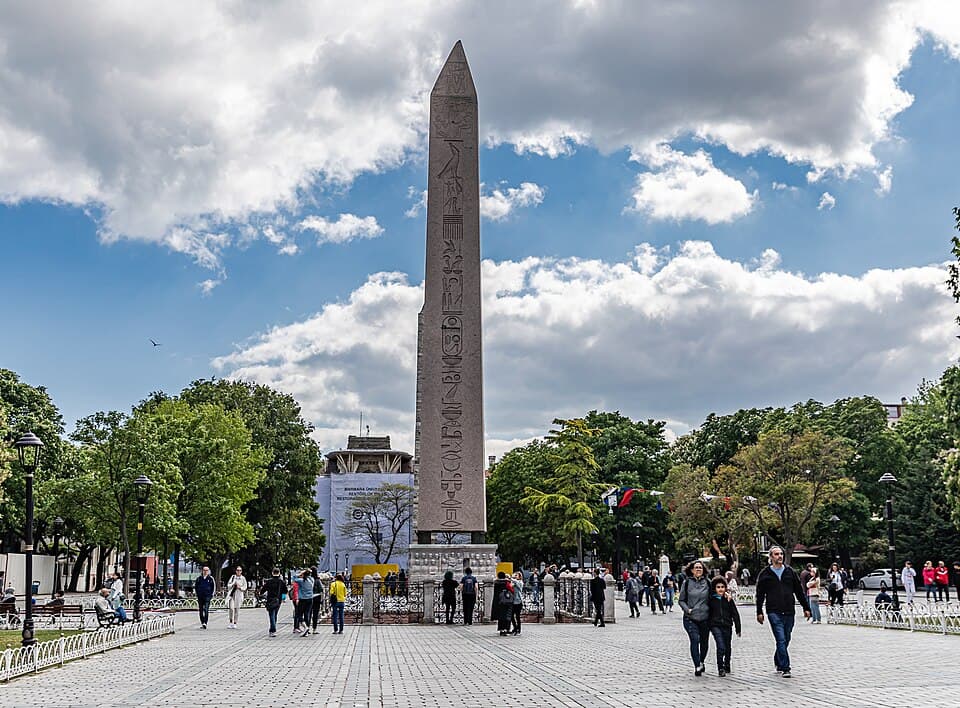
Sultanahmet Square
From Roman Hippodrome to Ottoman heart
This stop introduces Sultanahmet Square as the site of the ancient Hippodrome of Constantinople, the main public arena of the Byzantine capital. The script explains chariot races, political riots, and the famous Nika Revolt, along with how emperors used the space to display power. It should describe remaining elements like the Egyptian Obelisk and Serpent Column, and how the Ottomans later repurposed the area. Anecdotes can include the scale of Hippodrome crowds and a vivid episode from the Nika riots, plus how the square today layers cafés and tourist life onto an imperial arena. This sets the tone for the whole tour as a journey through overlapping empires.
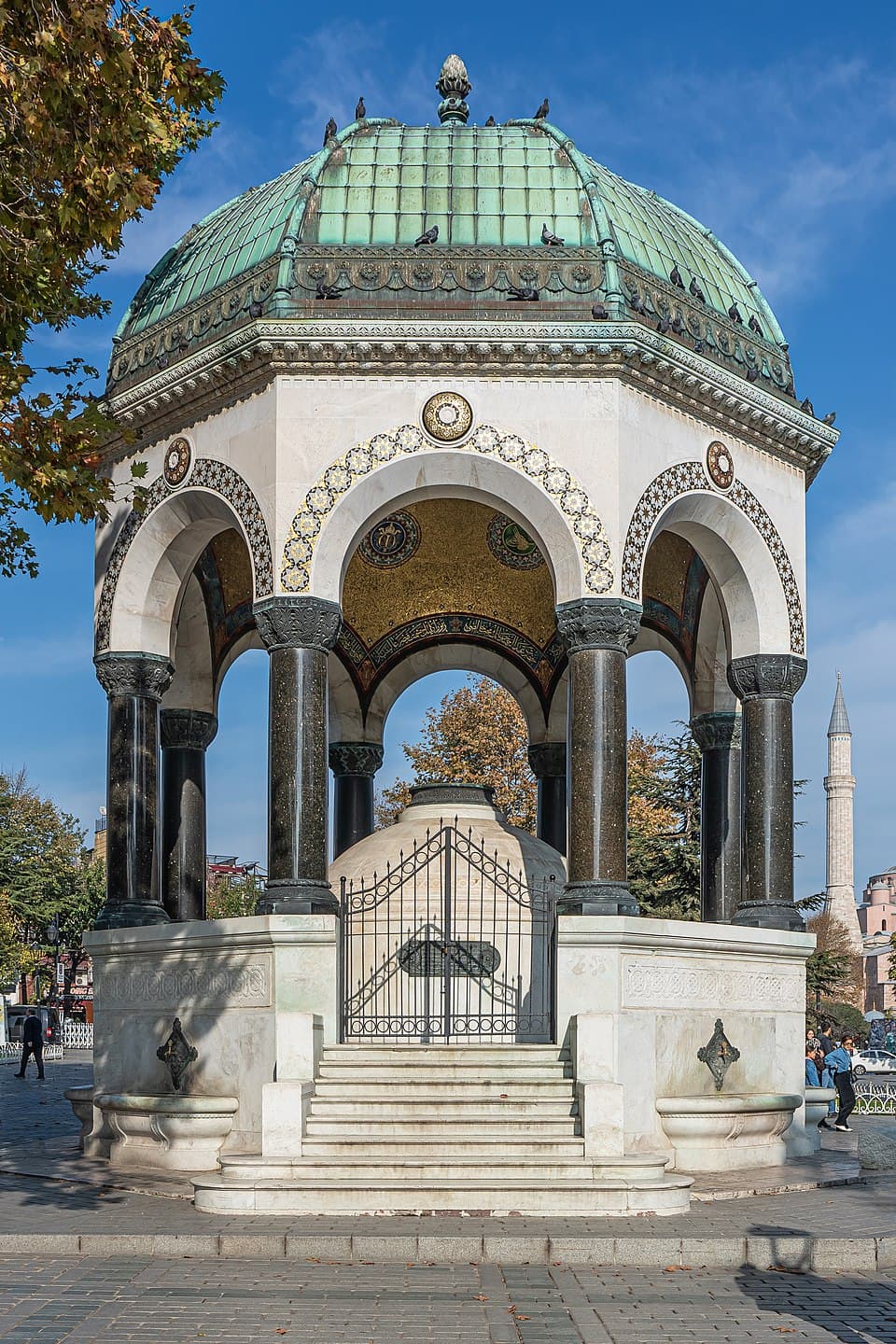
German Fountain
Kaiser’s gift on the old Hippodrome
This stop focuses on the German Fountain as a late Ottoman monument with strong European connections, gifted by Kaiser Wilhelm II. The script should highlight its neo‑Byzantine style, green dome, mosaics, and inscriptions, and how it marks the northern end of the Hippodrome. It can explain Wilhelm II’s visits and the political symbolism of German‑Ottoman friendship before World War I. Anecdotes may include the story of the fountain being constructed in Germany and then reassembled in Istanbul, and local tales that students drink from it for exam luck. It also helps illustrate how modern monuments overwrite older Byzantine layers beneath the square.
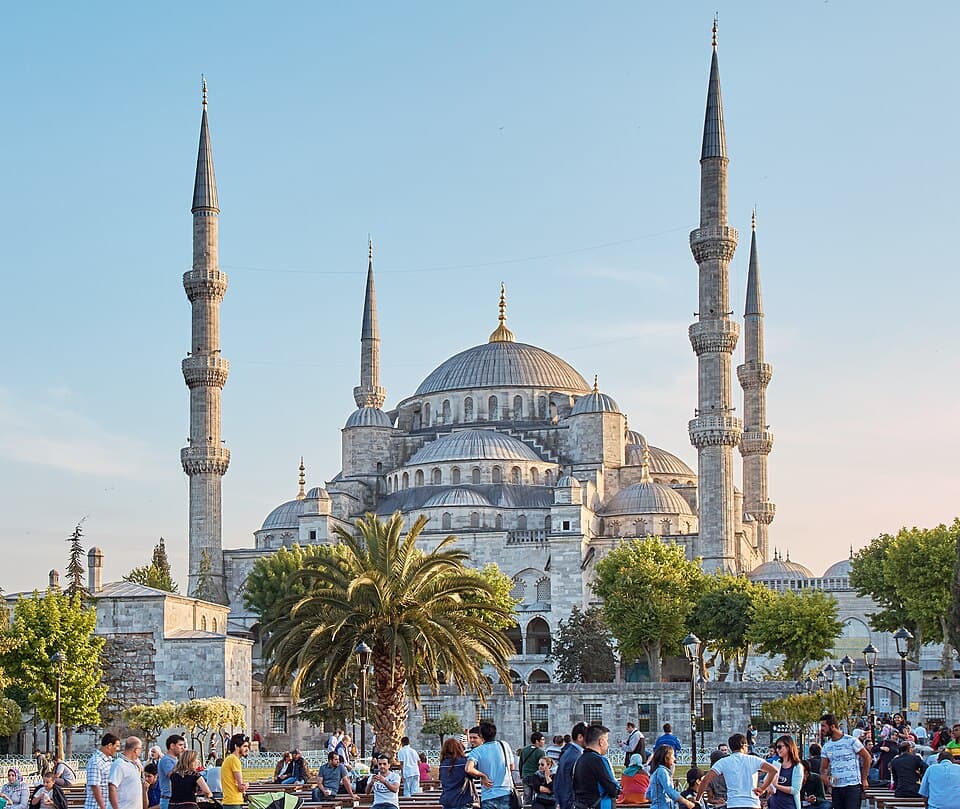
Blue Mosque
An imperial Ottoman mosque of light
This stop explores the Sultan Ahmed Mosque, known as the Blue Mosque, as a statement of Ottoman imperial power facing Hagia Sophia. The script should describe its cascading domes, six minarets, courtyard, and interior blue Iznik tiles, as well as the role of architect Sedefkar Mehmed Ağa. It can explain how Sultan Ahmed I commissioned it to rival earlier mosques and to renew Istanbul’s skyline, including the story of the controversial six minarets and how the Mecca mosque’s minarets were adjusted. Anecdotes might include protocol for the sultan’s prayer processions and how the mosque complex once included a hospice and madrasas. Emphasis should be on religious practice, daily use, and contrast with both Hagia Sophia and later mosques.
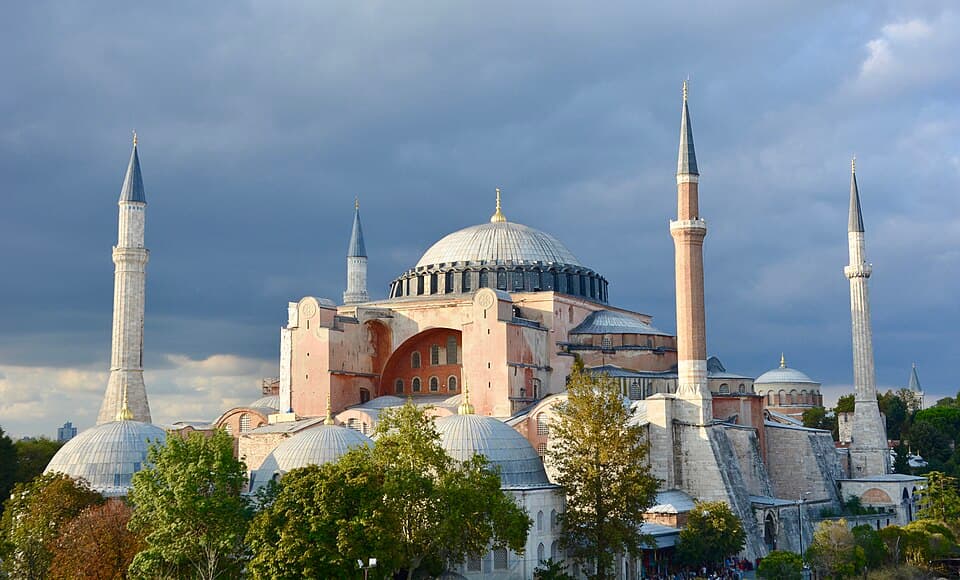
Hagia Sophia Grand Mosque
Byzantine basilica turned imperial mosque
This stop presents Hagia Sophia as the architectural and symbolic heart of Byzantine Constantinople, later converted into an Ottoman imperial mosque. The script should explain its 6th‑century construction under Emperor Justinian, its massive dome, and how it influenced world architecture. It will cover its conversion after 1453, minarets and mihrab additions, and traces of Christian mosaics alongside Islamic calligraphy. Anecdotes can include Justinian’s reputed exclamation upon completion and the story of the weeping column that visitors touch for blessings. It should emphasize Hagia Sophia’s layered identities over time and its position facing the Blue Mosque across the square.
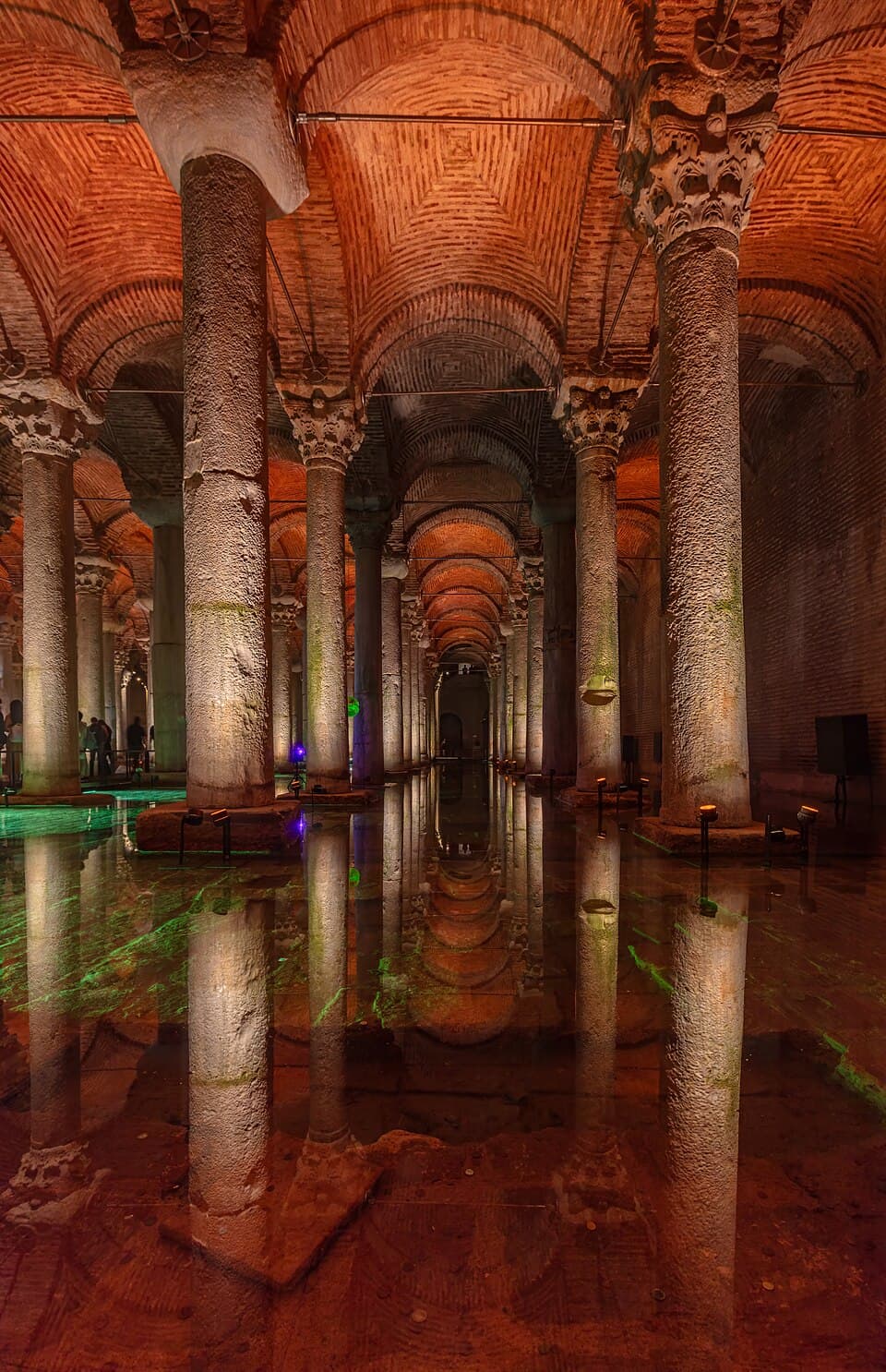
Basilica Cistern
The underground forest of columns
This stop leads visitors into the Basilica Cistern, revealing the hidden infrastructure that kept Constantinople supplied with water. The script should describe the cool, dim space, rows of recycled columns, and the shimmering water underfoot, explaining how it stored water brought by aqueducts for the Great Palace area. It can introduce Byzantine engineering, including the reuse of older column capitals and the mysterious Medusa head bases as a unique visual highlight. Anecdotes may include the cistern’s rediscovery when locals drew water and fish from holes in their basements, and its occasional use in modern films. This stop contrasts the monumental religious buildings above with the practical systems that sustained imperial life.
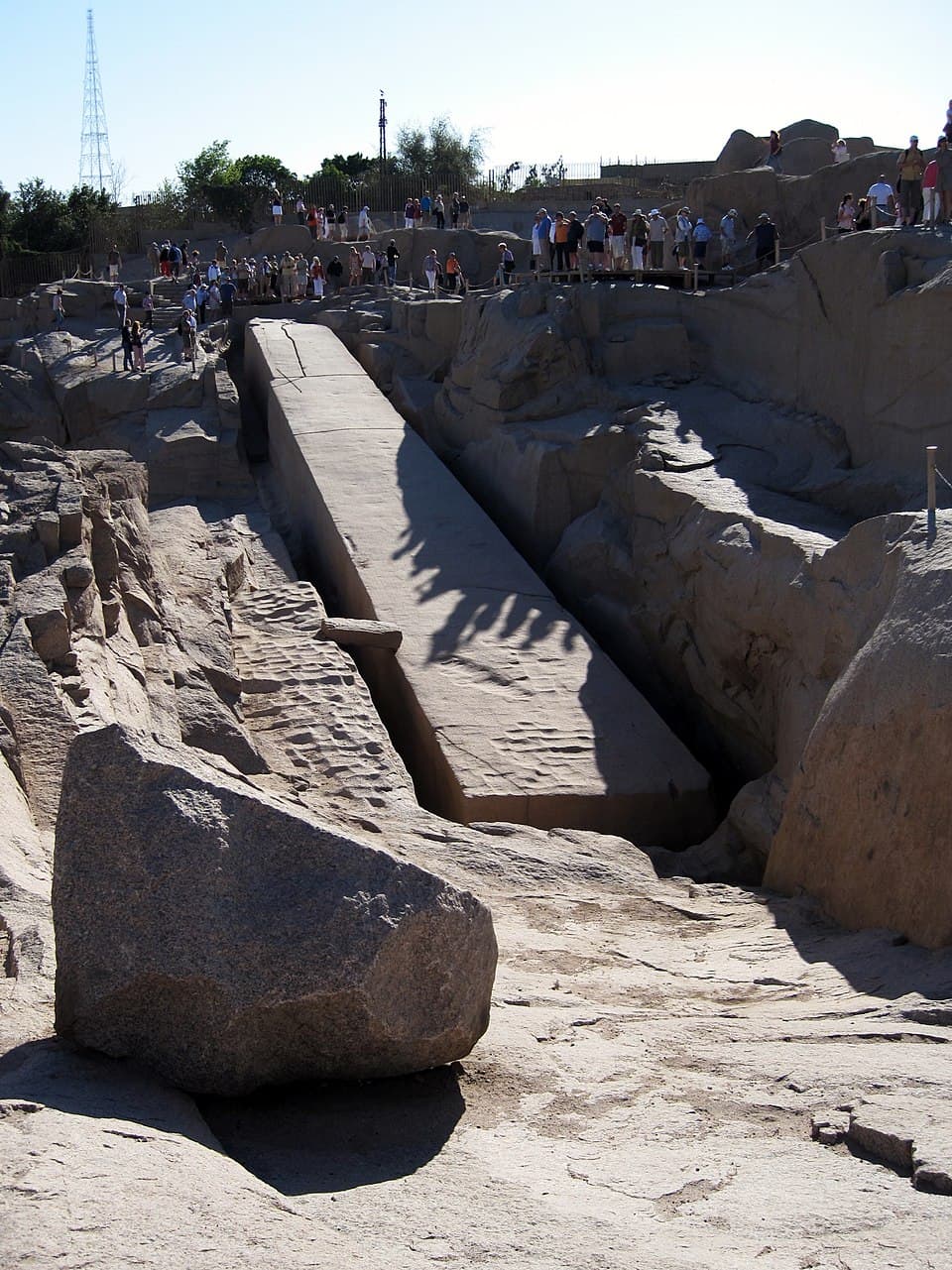
Milion Stone and Constantine’s Column
Zero point and imperial column
This stop combines the Milion Stone remains and Constantine’s Column (Çemberlitaş) to explain how Constantinople was organized and monumentalized. The script should present the Milion as the symbolic zero point for road distances across the empire, linking the city to older Roman traditions. It will then move to Constantine’s Column as an early imperial monument marking the new capital, describing its porphyry drums, scars from fires, and legends of relics once housed in its base. Anecdotes might include medieval beliefs about sacred objects or fragments of the True Cross hidden within the column, and how locals watched for omens in its cracks and lightning strikes. This stop underlines the city’s self‑image as the center of the world.
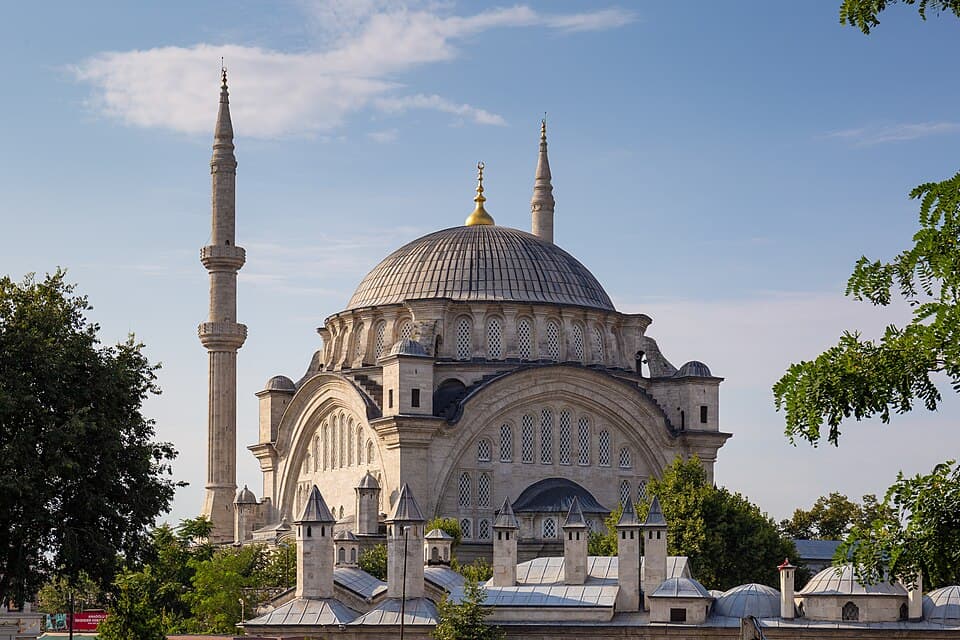
Nuruosmaniye Mosque
Baroque curves by the Grand Bazaar
This stop introduces Nuruosmaniye Mosque as an 18th‑century imperial mosque marking the entrance to the Grand Bazaar area. The script should highlight its Ottoman baroque style—curved lines, large windows, and decorative stonework—contrasting it with the more classical forms of the Blue Mosque and Süleymaniye. It can explain its patronage by sultans Mahmud I and Osman III and its name as the “Light of Osman,” emphasizing the bright interior and abundant windows. Anecdotes may include stories of how its courtyard became a gathering spot for merchants and scholars, and how its location by the bazaar gate symbolically tied piety to commerce. This stop helps frame the transition from religious to commercial spaces.
Grand Bazaar
Labyrinth of Ottoman trade and crafts
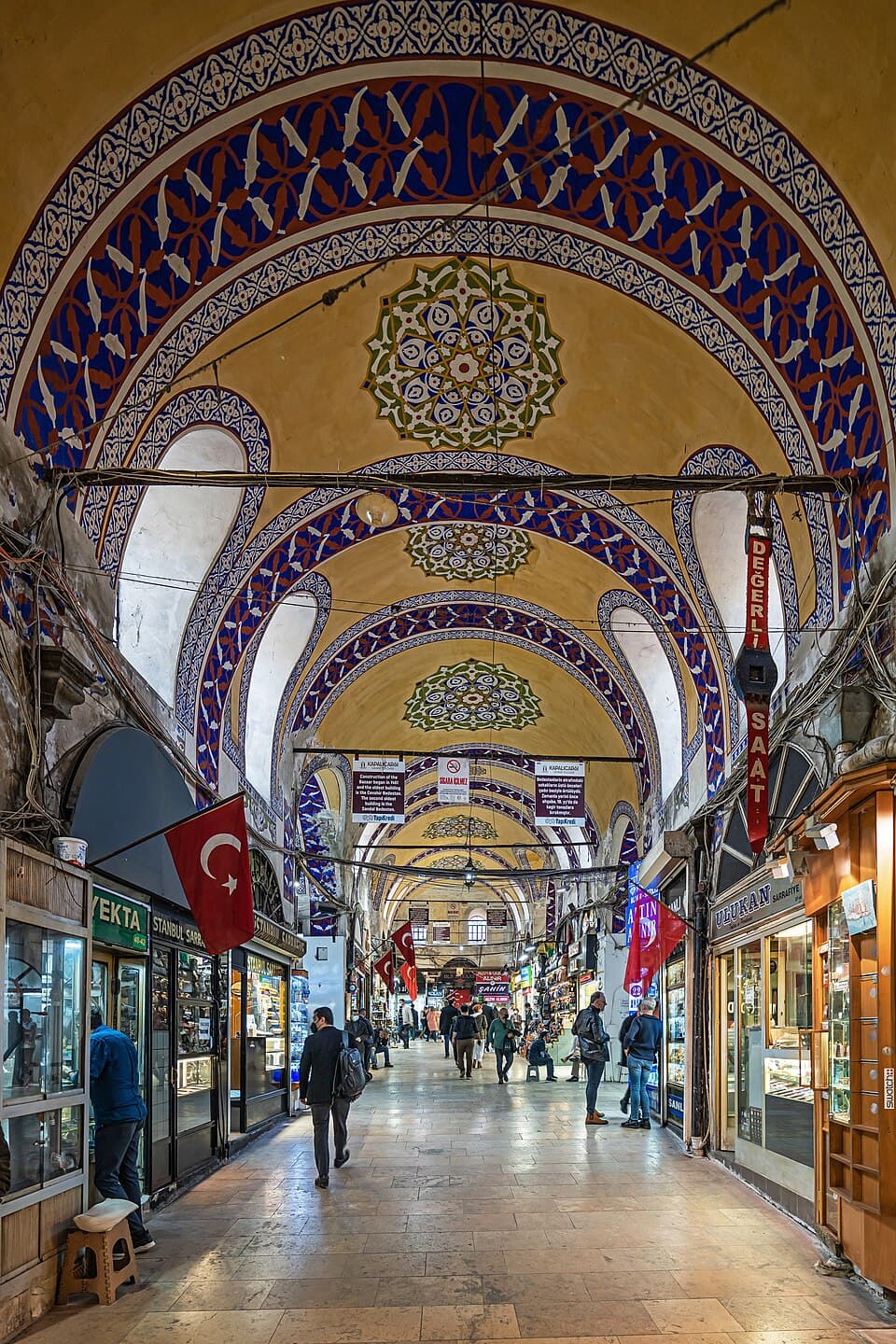
This stop immerses listeners in the Grand Bazaar, one of the world’s earliest and largest covered markets. The script should outline its origins under Mehmed II and later expansions, describing vaulted lanes, hans (inns), and specialized streets for different guilds and crafts. It should evoke the sounds, colors, and smells of textiles, jewelry, spices, and coffee, and explain how guilds regulated quality and prices. Anecdotes can include how the bazaar served as an information hub where news traveled fast, and stories of fires and earthquakes that forced repeated reconstruction. A unique vignette could be about foreign merchants negotiating with local traders in multiple languages. This stop emphasizes trade networks connecting Istanbul to Europe, Asia, and beyond.
Süleymaniye Mosque Complex
Suleiman’s hilltop symbol of empire
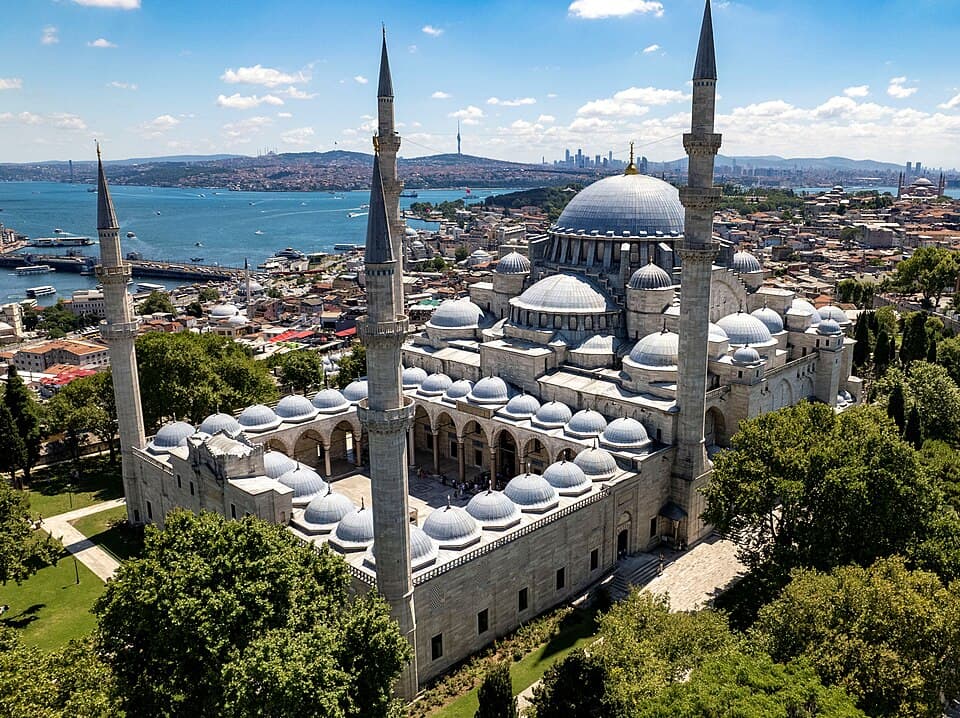
This stop covers the Süleymaniye Mosque Complex as the pinnacle of classical Ottoman architecture under Suleiman the Magnificent and architect Mimar Sinan. The script should describe its commanding hilltop position above the Golden Horn, harmonious domes and minarets, and serene courtyard. It will explain the külliye concept, detailing attached institutions like madrasas, baths, kitchens, and hospitals that made it a self‑contained civic center. Anecdotes may include Sinan’s experiments for acoustics and smoke management, and a story about Süleymaniye’s visibility serving as a landmark for ships. The stop should also note the tombs of Suleiman and Hürrem Sultan in the complex, tying personal stories to grand imperial imagery.
Rüstem Pasha Mosque
A jewel box of Iznik tiles
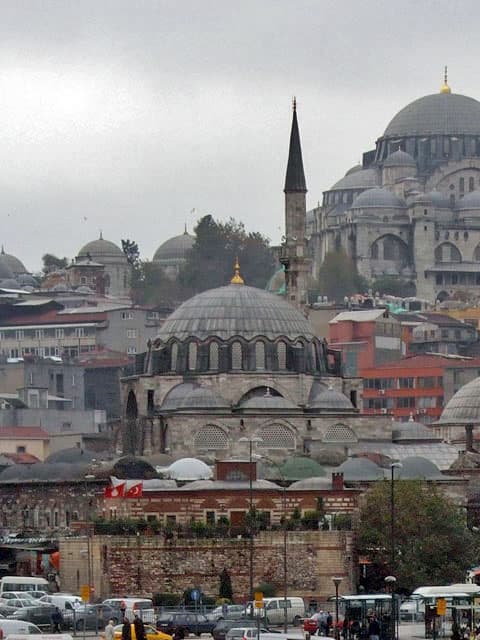
This stop focuses on the smaller Rüstem Pasha Mosque, famous for its extraordinary Iznik tile decoration. The script should introduce Rüstem Pasha as a powerful grand vizier and son‑in‑law of Suleiman, and note Sinan’s role as architect. It should describe the mosque’s elevated platform, compact prayer hall, and walls covered in floral and geometric tile patterns, emphasizing the artistry and technology of Iznik tile production. Anecdotes might include how some locals say Rüstem chose this location to oversee commercial life below, and how the mosque’s relative obscurity lets worshippers and visitors find a quieter refuge from the bazaar crowds. This stop highlights elite patronage and artistic refinement on a smaller scale.
Eminönü Square and New Mosque
Waterfront hub of trade and devotion
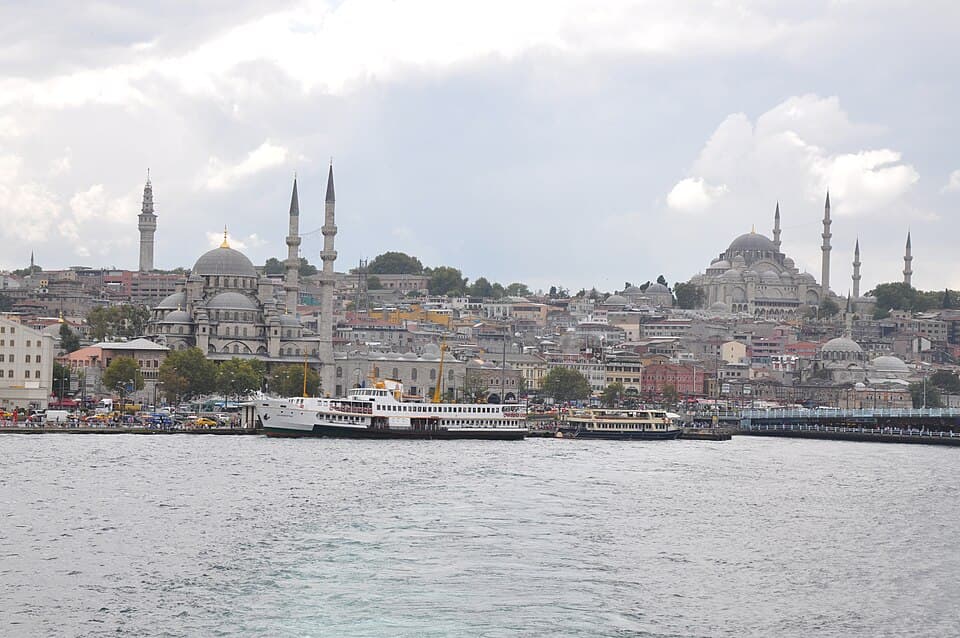
This stop places visitors in Eminönü Square, between the New Mosque (Yeni Cami), the Spice Bazaar, and the busy ferry piers. The script should describe the New Mosque’s prominent domes and minarets by the water and explain its long, interrupted construction history, tied to powerful royal women. It will also cover the square’s role as a transport and commercial hub, with ferries linking different parts of Istanbul and markets like the nearby Egyptian (Spice) Bazaar. Anecdotes can include how pigeons and seed sellers became part of the mosque’s everyday scene, and an episode of 19th‑ or 20th‑century travelers arriving by boat and encountering this waterfront façade as their first view of the city. This stop bridges religious life and maritime trade.

Galata Bridge Viewpoint
Looking back over the historic peninsula
This final stop positions listeners on the Galata Bridge, inviting them to look back toward the historic peninsula and mentally retrace the tour. The script should describe the panoramic view of domes and minarets—Hagia Sophia, the Blue Mosque, Süleymaniye, and the New Mosque—rising above the water, along with the movement of ferries and fishermen on the bridge. It can summarize how geography of the Golden Horn shaped trade and defense, and how the bridge historically linked the old Muslim‑majority city with the more European‑influenced Galata district. Anecdotes may include tales of early bridges here and the tradition of anglers lining the railings at all hours. This stop provides a reflective conclusion, tying together themes of empire, religion, and commerce.
Start This Tour
Download Roamway to experience this audio tour
Tour Details
Access
Free
Stops
12 points of interest
Languages
GermanEnglishSpanishFrench
More tours in İstanbul
View all tours in İstanbulOther tours you might enjoy:
Istanbul: Street Food, Bazaars and Neighborhood Cafés
This tour explores central Istanbul from Eminönü to Karaköy and Cihangir through its street food, historic markets, and café culture. It includes the Egyptian Spice Bazaar, Tahtakale backstreets, Galata Bridge, and waterfront meyhanes, highlighting local snacks, Ottoman-era commerce, neighborhood life, and evolving coffeehouse traditions.
Istanbul: Imperial Mosques, Aqueducts and Skyline Views
This tour explores Istanbul’s historic peninsula from Süleymaniye to the Galata Bridge, focusing on Ottoman imperial mosque complexes and earlier Byzantine layers. It includes major külliyes, madrasas, tombs, and aqueducts, highlighting shifts from classical Ottoman to baroque architecture, urban planning, and the city’s changing skyline and religious landscape.
Istanbul Bosphorus: Palaces, Mosques and Waterfront Life
This tour follows the European shore of the Bosphorus from Kabataş to Kuruçeşme, focusing on imperial palaces, mosques, and modern city life. It covers Dolmabahçe and Çırağan Palaces, Beşiktaş and Ortaköy squares, parks, and bridge viewpoints, with attention to Ottoman architecture, maritime history, and contemporary waterfront culture.
Frequently Asked Questions
How do I start this audio tour?
Download the Roamway app, search for this tour, and tap 'Start Tour'. The app will guide you to the starting point using GPS. Once you're there, the audio narration begins automatically.
Do I need an internet connection?
No! Once you've downloaded the tour in the Roamway app, it works completely offline. The GPS navigation and audio narration function without an internet connection.
Can I pause and resume the tour?
Yes! You can pause the tour at any time and resume later. Your progress is automatically saved, so you can complete the tour over multiple sessions if needed.