
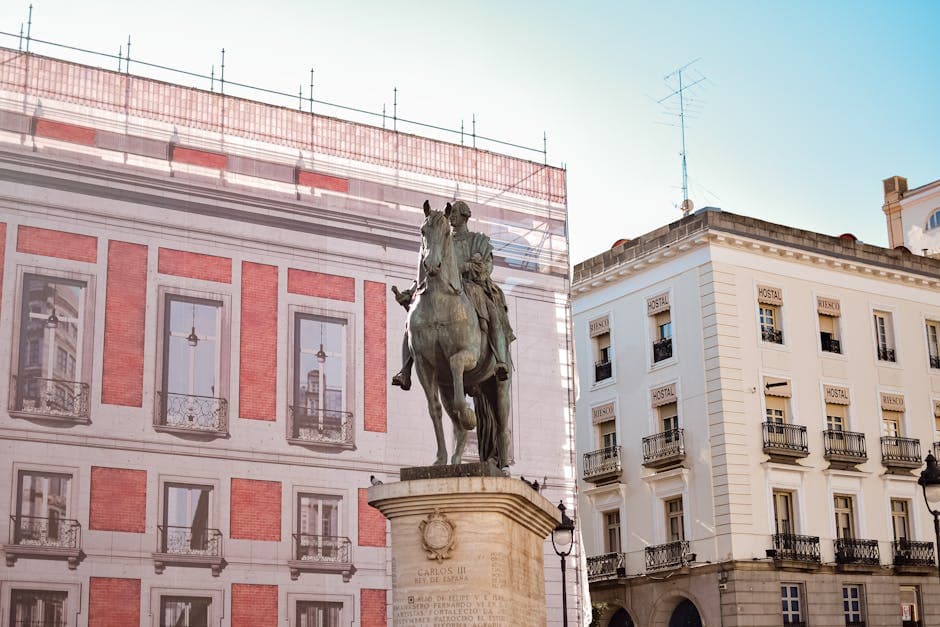
Madrid Center: From Puerta de Alcalá to Debod
Madrid, España
What You'll Experience
On this Madrid Center: From Puerta de Alcalá to Debod audio tour in Madrid, you'll discover 11 carefully selected points of interest, each with its own story. The tour is designed to be completed at your own pace, with GPS navigation guiding you from one location to the next. As you approach each stop, the audio narration automatically begins, bringing history, culture, and local insights to life.
About This Tour
This self-guided route explores central Madrid from Puerta de Alcalá and Plaza de Cibeles along Calle de Alcalá to Puerta del Sol and Plaza Mayor, continuing via the old town to the Royal Palace and Plaza de Oriente. It then follows commercial axes like Calle Preciados, Plaza del Callao, and Gran Vía, ending at the Templo de Debod, focusing on urban history, monumental architecture, and local traditions.
Points of Interest
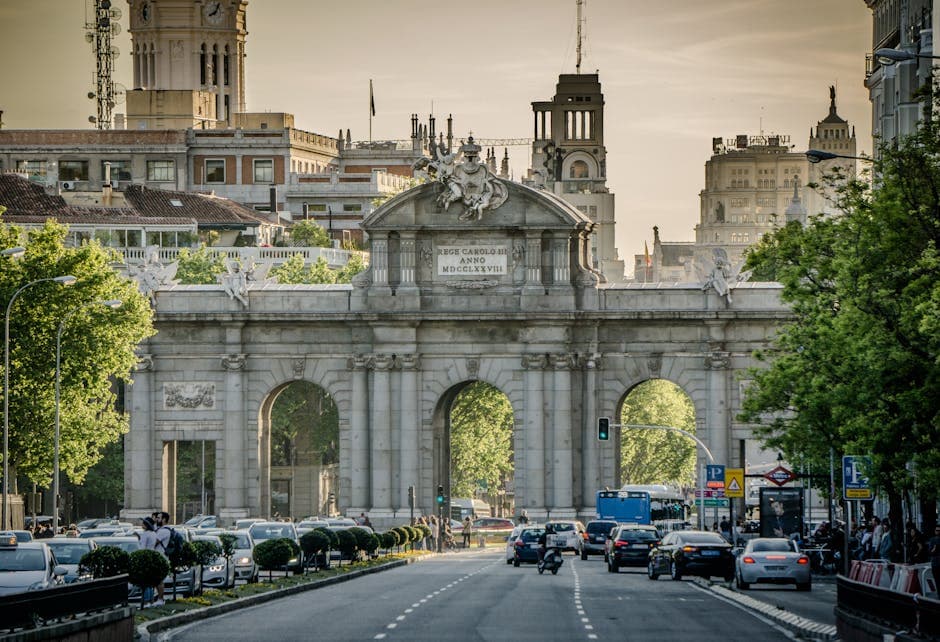
Puerta de Alcalá
Historic city gate to Bourbon Madrid’s center
This stop introduces Puerta de Alcalá as both an 18th‑century monumental gate and a symbolic entry to Madrid. The narration should explain its role as one of the former tax and control gates to the city and as part of a historic drovers’ route for transhumant herds. It should highlight the commission by King Carlos III, the design by Francesco Sabatini, and its status as one of the first post‑Roman triumphal arches in Europe. Include cultural references such as the popular song that made it an emblem for madrileños and mention how traffic once flowed through its arches before the surrounding area was pedestrianized and landscaped. Briefly orient listeners to the nearby Retiro Park as a glimpse of the green, leisure‑oriented Bourbon city before moving toward Cibeles.
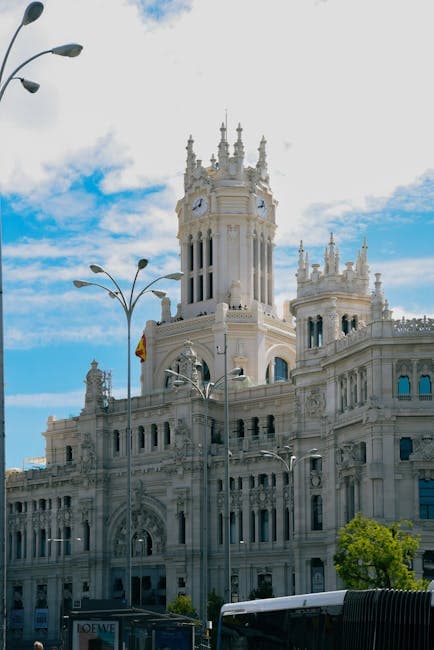
Plaza de Cibeles
Mythological fountain at a major urban crossroads
Here the focus is on Plaza de Cibeles as a grand junction where several important axes—Paseo de Recoletos, Paseo del Prado, and Calle de Alcalá—meet. The script should describe the Cibeles fountain, its 18th‑century mythological imagery of the earth goddess on a chariot, and its protection during the Civil War. It should also profile the four monumental buildings around the square: the former Palacio de Comunicaciones (now City Hall), Banco de España, Palacio de Linares, and the Army headquarters, noting their different eras and functions. Anecdotes can include football celebrations by Real Madrid fans and the possibility of viewing the city’s roofs from the Ayuntamiento’s terrace. The stop should reinforce the idea of Cibeles as a civic stage linking power, traffic, and popular rituals before continuing along Calle de Alcalá.
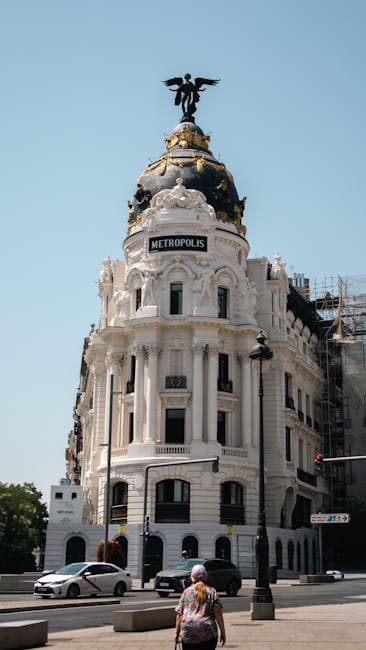
Calle de Alcalá (Edificio Metrópolis, Círculo de Bellas Artes)
Elegant avenue of culture, protests and rooftops
This stop uses a stretch of Calle de Alcalá to explore Madrid’s architectural and cultural richness. The narration should cover the Edificio Metrópolis with its dark slate dome and winged sculpture, mentioning its construction on the site of the very narrow “Casa del Ataúd” and the ‘pompier’ style dome echoing French firemen’s helmets. It should also highlight the Círculo de Bellas Artes as a long‑standing private cultural institution with exhibition halls, a noted rooftop terrace, and a history of hosting artists and intellectuals. More broadly, the script can mention how Calle de Alcalá appears in famous zarzuelas, serves as a route for demonstrations and parades, and even occasionally welcomes transhumant sheep. Listeners should be encouraged to observe facades and rooftop statuary before moving towards Puerta del Sol.
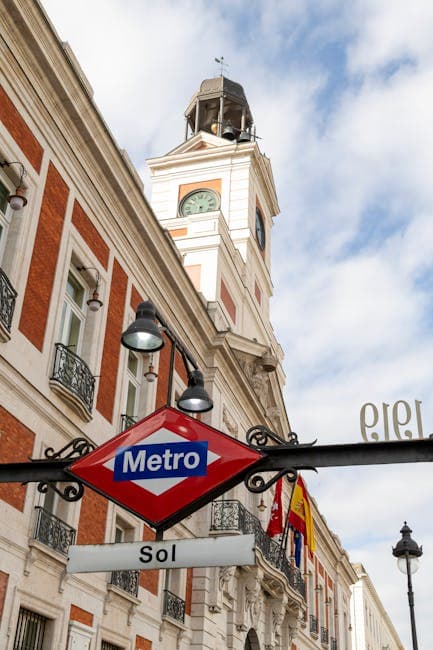
Puerta del Sol
Emotional and geographic center of Spain
At Puerta del Sol, the narration should frame this square as Madrid’s symbolic heart rather than its most beautiful space. It should introduce key landmarks: the statue of the Bear and the Strawberry Tree as the city’s heraldic emblem, and the Kilómetro Cero plaque from which Spain’s radial roads are measured. The script should evoke the square’s role in New Year’s Eve celebrations and televised clock chimes, as well as a major site of demonstrations and gatherings. Anecdotes might include the statue’s relocation history and personal or collective memories of meeting friends here. Emphasize Sol as a place of movement and convergence that leads naturally into the older historic core toward Plaza Mayor.
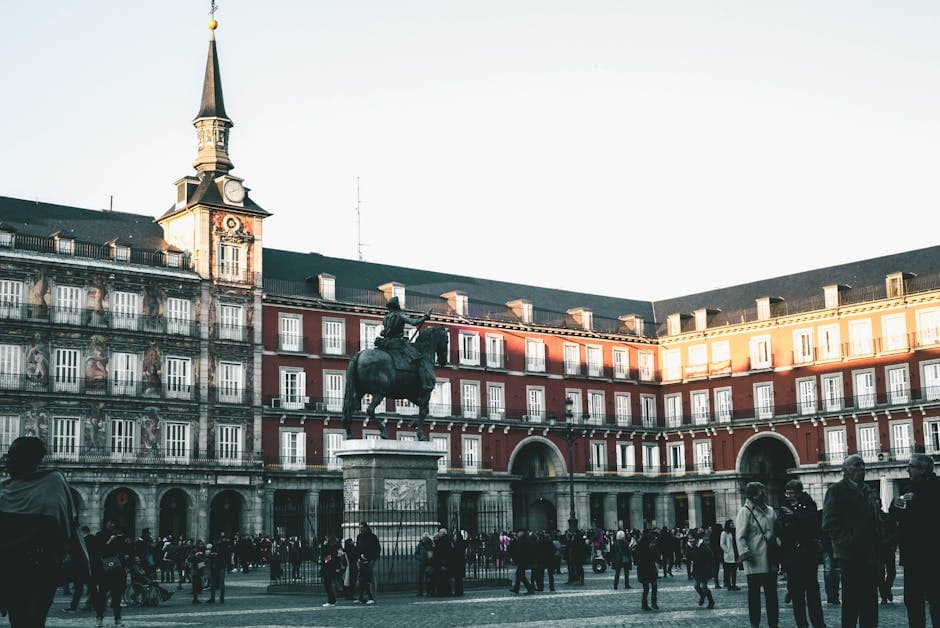
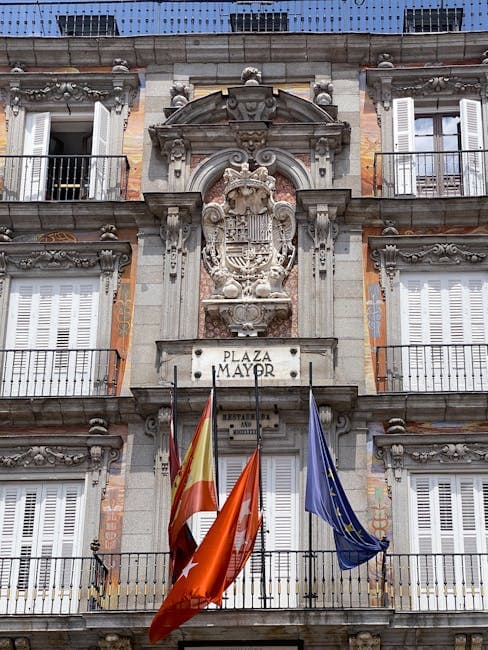
Plaza Mayor
Historic market square of Habsburg Madrid
Plaza Mayor should be presented as one of the most atmospheric and historically dense squares in Madrid. The narration needs to recall its origins as a major market and provisioning center where rural merchants brought goods such as woollen cloths, connecting countryside and city. Architecturally, focus on the uniform arcades, the Casa de la Panadería with its painted facades renewed in the 1990s, and the Casa de la Carnicería as the former meat depot. The script can touch on centuries of events held here—markets, festivities, religious ceremonies, even executions—without overdramatizing. Personal or family‑style anecdotes (like cloth merchants traveling by mule) should illustrate its social function. This stop should establish the feel of “old Madrid” before proceeding to the more intimate municipal core around Plaza de la Villa and Calle Mayor.
Plaza de la Villa y Calle Mayor
Medieval civic core along historic Calle Mayor
This stop should explore Plaza de la Villa as a compact remnant of medieval and early modern Madrid, directly off Calle Mayor. The narration ought to describe the small scale of the square, its historic municipal buildings, and its role as a seat of civic power before the city expanded. It should frame Calle Mayor as an early main thoroughfare connecting the old Alcázar area with the commercial and residential quarters, increasingly structured as Madrid became a royal capital. While specific episodes can be lightly referenced—such as processions, municipal decisions, or notable residents—the emphasis is on spatial continuity between Plaza Mayor, this older civic node, and the nearby Royal Palace. This prepares the listener for the shift from civic to royal power in the next stop.
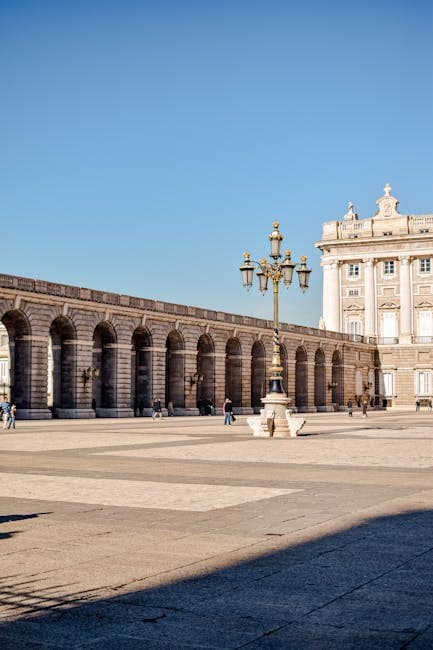
Palacio Real y Plaza de Oriente
Bourbon palace facing landscaped Plaza de Oriente
Here the focus is on the Palacio Real and Plaza de Oriente as the ceremonial heart of monarchical Madrid. The script should contrast the current Bourbon‑era stone palace with the earlier Habsburg fortress‑palace that once occupied the site and was destroyed by fire. It should explain how the Royal Palace embodies Spain’s ambitions as a European power and how Plaza de Oriente, with its gardens and statues, frames the building and stages royal and civic events. Descriptions of the façades, views over the western edge of Madrid, and the proximity of the opera house help situate the complex. Anecdotes may include royal routines, notable ceremonies, or how these spaces are used today, while bridging towards the more commercial, modern arteries beginning at Calle Preciados.

Calle Preciados
Busy pedestrian spine of shops and crowds
Calle Preciados should be introduced as a key pedestrian commercial axis linking Puerta del Sol with Plaza del Callao. The narration can briefly trace its evolution from a more modest central street to a dense shopping corridor popular with locals and visitors. It should mention the presence and impact of department stores and chain shops that transformed traditional commerce into modern retail. Sensory details—window displays, buskers, seasonal decorations, and crowd noise—can help evoke its contemporary character. This stop works as a transition from historic royal and civic spaces to the 19th–20th century city of consumption and mass entertainment that culminates around Callao and Gran Vía.
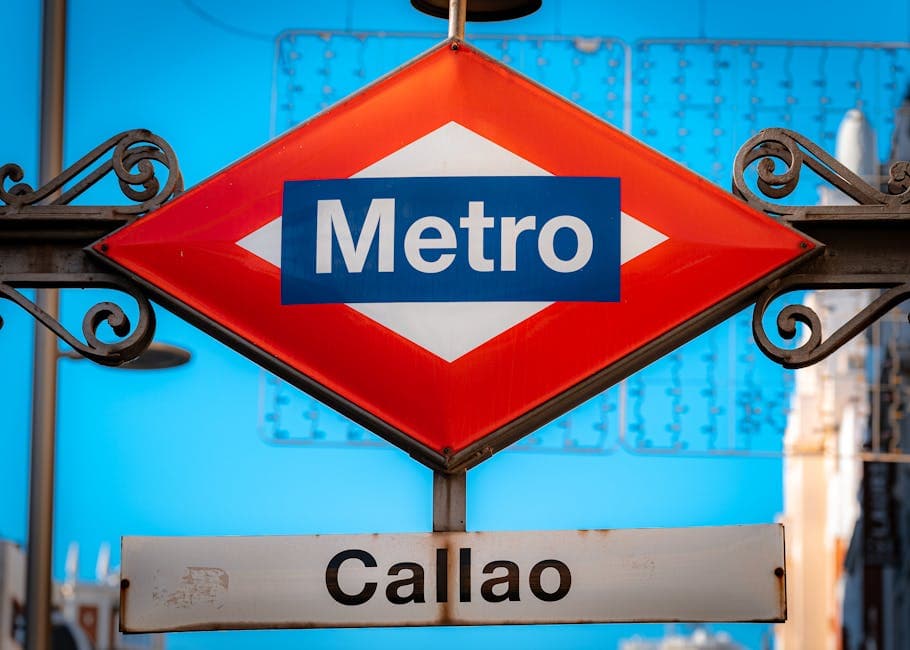
Plaza del Callao
Cinema square at the crossroads of central Madrid
Plaza del Callao should be framed as a central nexus between Sol–Preciados and Gran Vía, emblematic of 20th‑century Madrid. The narration may highlight its historic role as a cinema and entertainment hub, with façades that once advertised major film premieres and illuminated signs overlooking the square. Architecturally, the guide can point out characteristic early 20th‑century buildings and the dense vertical advertisements that contribute to a quasi‑Times‑Square feel. Anecdotes might touch on moviegoing traditions, evening crowds, or how the square has adapted to shopping centers and digital screens. This stop should naturally lead listeners onto Gran Vía as Madrid’s flagship modern boulevard.
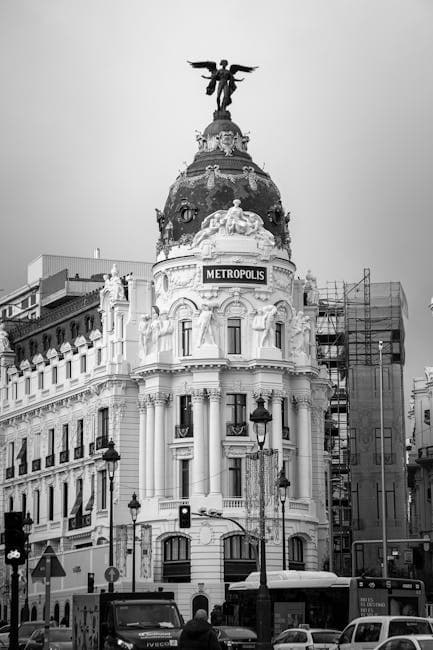
Gran Vía
Early 20th‑century boulevard of theatres and towers
Gran Vía should be presented as Madrid’s great early 20th‑century urban project, cutting through older neighborhoods to create a broad, elegant thoroughfare. The script should describe its mixture of eclectic and early skyscraper‑style architecture, with ornate façades, domes, and rooftop statues that define the city’s skyline. It is important to mention its long association with cinemas, theatres, hotels, and shops, marking it as an emblem of Madrid’s modern, cosmopolitan identity. The narration can include anecdotes about construction controversies, cinema golden ages, or comparisons with other European boulevards for context. This segment should orient the listener westward, preparing the ascent toward the calmer, panoramic setting of Templo de Debod.
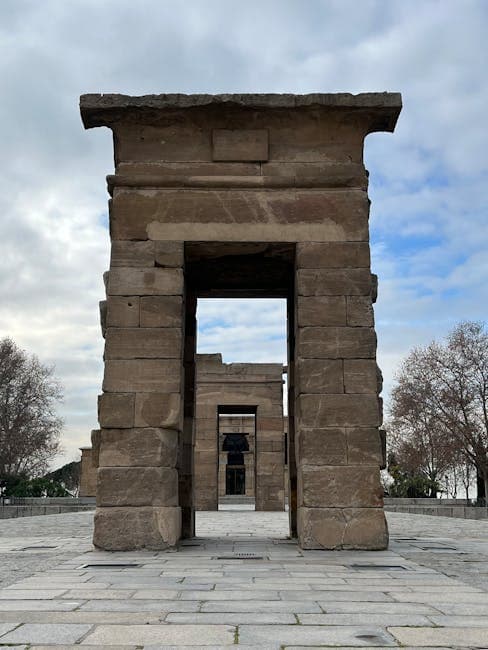
Templo de Debod
Ancient Egyptian temple overlooking modern Madrid
The final stop centers on the Templo de Debod, an authentic ancient Egyptian structure relocated to Madrid in the 20th century. The narration should explain that it was a gift from Egypt, placed in a park on a hill overlooking the city as a gesture of international cooperation and heritage preservation. It should describe the temple’s simple stone architecture, the water basins and platforms that once reflected it, and the surrounding gardens and viewpoints over the Royal Palace and western Madrid. Anecdotes might include its dismantling and reconstruction, early public reactions, and its popularity at sunset. This stop serves as a reflective conclusion, contrasting the temple’s age and origins with the relatively young Spanish capital spread out below.
Start This Tour
Download Roamway to experience this audio tour
Tour Details
Access
Free
Stops
11 points of interest
Languages
GermanEnglishSpanishFrench
More tours in Madrid
View all tours in MadridFrequently Asked Questions
How do I start this audio tour?
Download the Roamway app, search for this tour, and tap 'Start Tour'. The app will guide you to the starting point using GPS. Once you're there, the audio narration begins automatically.
Do I need an internet connection?
No! Once you've downloaded the tour in the Roamway app, it works completely offline. The GPS navigation and audio narration function without an internet connection.
Can I pause and resume the tour?
Yes! You can pause the tour at any time and resume later. Your progress is automatically saved, so you can complete the tour over multiple sessions if needed.