
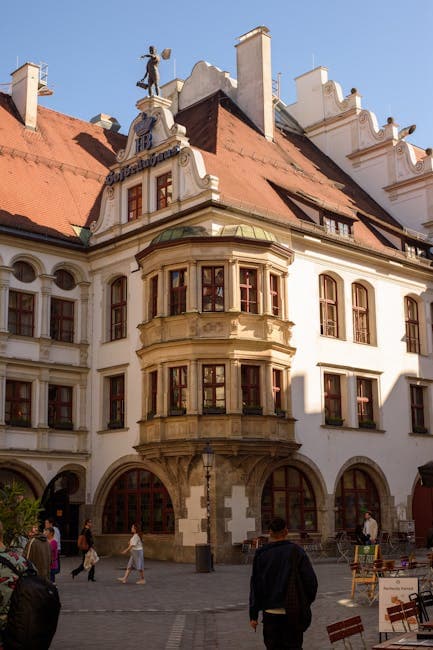
Munich Old Town: Squares, Churches, Beer and History
München, Deutschland
Audio Preview
Listen to a sample of this audio tour to get a feel for the experience.
What You'll Experience
On this Munich Old Town: Squares, Churches, Beer and History audio tour in München, you'll discover 11 carefully selected points of interest, each with its own story. The tour is designed to be completed at your own pace, with GPS navigation guiding you from one location to the next. As you approach each stop, the audio narration automatically begins, bringing history, culture, and local insights to life.
About This Tour
This route explores Munich’s historic center from Odeonsplatz and the Hofgarten through the Residenz, Hofbräuhaus, and Marienplatz to Karlsplatz. It features major churches like St. Peter’s and the Frauenkirche, the Viktualienmarkt food market, and Neuhauserstrasse, focusing on Bavarian history, architecture, and local urban culture.
Points of Interest
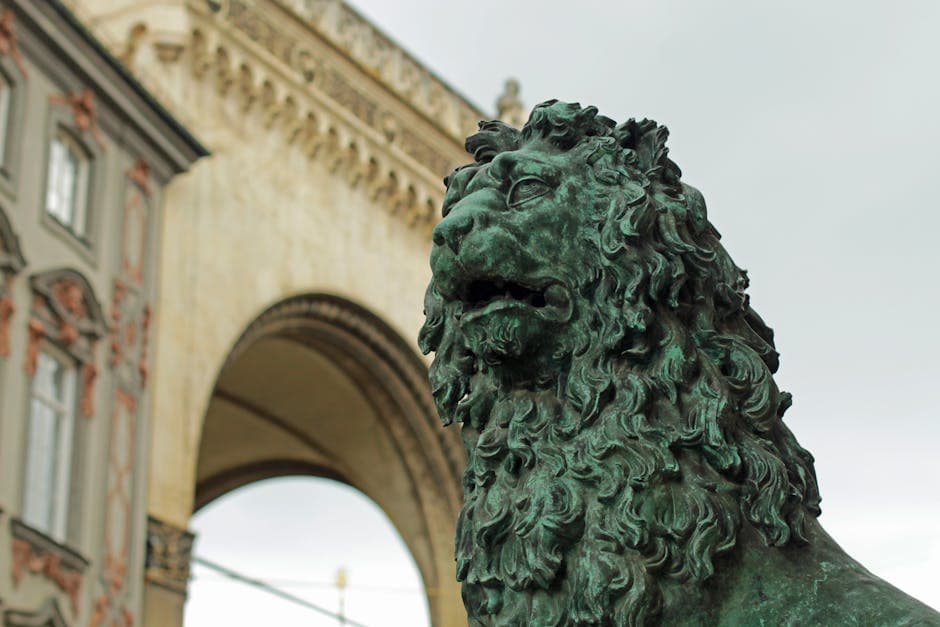
Odeonsplatz
Royal gateway and stage of Bavarian history
Odeonsplatz serves as the tour’s starting point and a key stage for Bavarian royal, military, and modern political history. Narration should describe the Italianate architecture, including the Theatinerkirche’s Baroque façade and the Feldherrnhalle modeled on Florence’s Loggia dei Lanzi. It should explain how the square marked the northern edge of the old city, near the Residenz and Hofgarten, and later became a backdrop for nationalist rallies during the Nazi era. An anecdote can highlight the failed Beer Hall Putsch and how the site was used for propaganda, contrasting that with today’s peaceful, cafe‑lined square and frequent cultural events.

Hofgarten
Quiet Renaissance garden behind royal façades
The Hofgarten is a formal court garden that bridges the bustle of Odeonsplatz and the enclosed world of the Residenz. Scripts should evoke its Renaissance‑inspired layout, central Diana Temple pavilion, arcaded walkways, and symmetries framed by surrounding palace wings. Historically, it was a private green space for the Wittelsbach court, later opened to the public and damaged in wartime before postwar restoration. Anecdotes might note musicians often playing under the pavilion, and how locals use this once‑royal garden today for quiet strolls or chess games, illustrating the shift from aristocratic privilege to shared urban space.
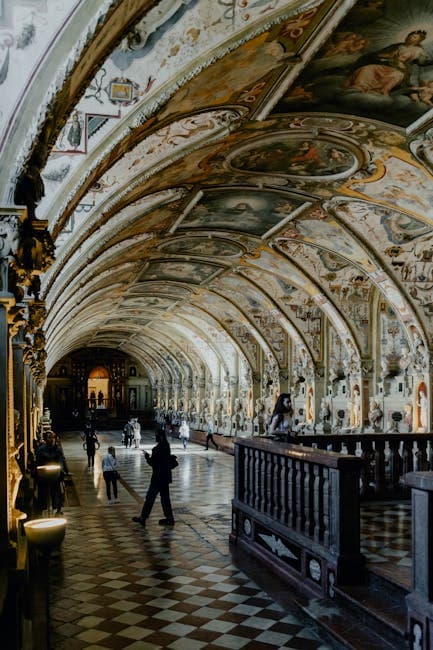
Residenz
Wittelsbach power center and evolving palace
The Residenz is the former city palace of the Wittelsbach dynasty and one of Germany’s largest urban palace complexes. Narration should cover how it grew over centuries from a medieval fortress into an expansive residence with Renaissance, Baroque, and neoclassical wings. Key interior highlights to mention conceptually include the Antiquarium hall, treasury collections, Cuvilliés Theatre, and lavish state rooms, emphasizing court rituals and displays of power. The script should explain wartime destruction and extensive reconstruction, and note the palace’s role in shaping Munich’s identity as a royal and cultural capital. One or two anecdotes can touch on extravagant festivals or the competition with other European courts.
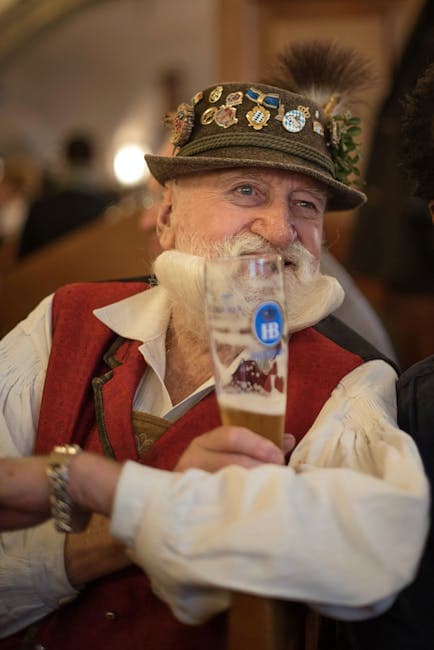
Hofbräuhaus
Royal brewery turned bustling beer hall
The Hofbräuhaus is Munich’s most famous beer hall, originally tied to a ducal and later royal brewery supplying the court. Narration should describe its large vaulted halls, long communal tables, traditional oompah bands, and the mix of locals in regulars’ groups with tourists. Historically, it reflects Bavarian beer culture, purity laws, and the transition from court‑controlled brewing to public beer halls. Scripts must also briefly address its darker chapter as a gathering place in the early Nazi period, when nationalist speeches and meetings were held here. Anecdotes can include stories of regulars’ stein lockers, Oktoberfest connections, and how beer rituals mirror Bavarian social life.
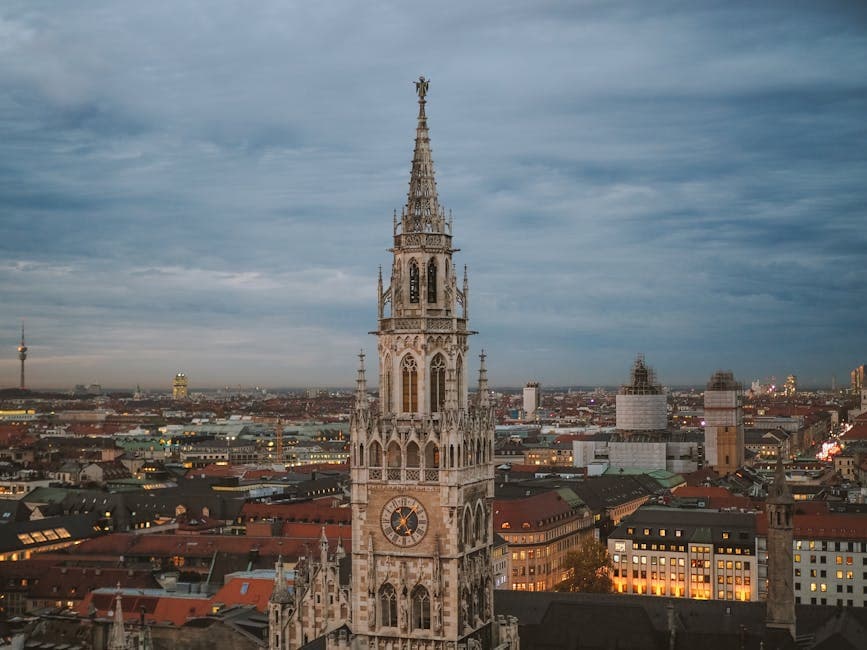
Marienplatz
Historic heart with Gothic town hall
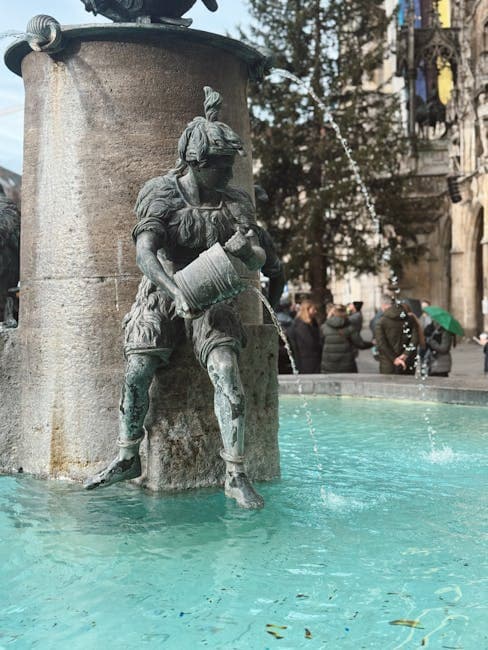
Marienplatz is Munich’s central square and traditional marketplace, framed by the Neo‑Gothic New Town Hall and the more modest Old Town Hall. Narration should highlight the New Town Hall façade, including its famous Glockenspiel, as well as the Marian Column and Fischbrunnen fountain at the center. Historically, the square has hosted markets, public announcements, and celebrations, evolving into a symbolic civic heart. Scripts should explain how the 19th‑century town hall reshaped the square’s appearance and how wartime damage led to careful restoration. Anecdotes might include the Glockenspiel figures reenacting historic events, the superstition about touching the fountain for good luck, and seasonal markets such as the Christmas market.
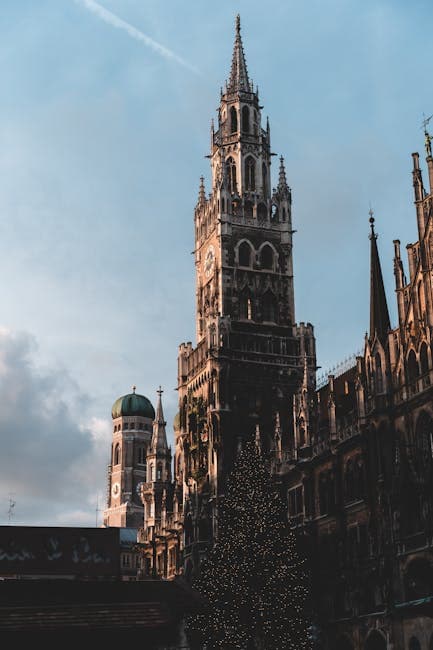
St. Peter's Church
Oldest parish church with panoramic tower
St. Peter’s Church, often called “Alter Peter”, is one of Munich’s oldest churches and stands just off Marienplatz. Scripts should outline its layered architectural history, from earlier Romanesque and Gothic phases to later Baroque and Rococo interior elements. The interior’s notable features include altars, artworks, and the reliquary of Saint Munditia, whose gem‑covered skeleton is a striking example of Baroque piety. The tower offers panoramic views over the Old Town, allowing orientation toward previously visited sites like the Frauenkirche, Residenz, and Karlsplatz. Anecdotes can mention the many steps up the tower and how locals use the nickname “Old Peter” affectionately as a reference point in the city.
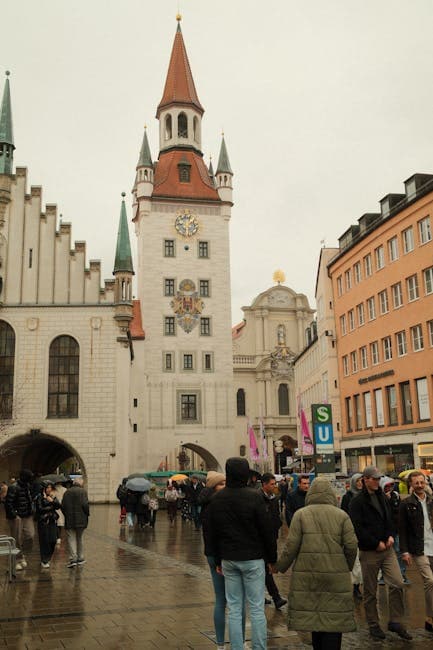
Viktualienmarkt
Daily food market and social beer garden
Viktualienmarkt is Munich’s main daily food market, a short walk from Marienplatz, featuring stalls with produce, cheeses, meats, flowers, and regional specialties. Narration should describe the colorful stands, central maypole decorated with guild symbols, and the integrated beer garden shaded by chestnut trees. Historically, the market grew out of Marienplatz’s medieval marketplace when space became too cramped, later evolving into a permanent, specialized food market. Scripts can explain how different breweries rotate service in the beer garden and how locals use the market for everyday shopping and informal lunches. Anecdotes might involve seasonal delicacies, traditional events, and the way the maypole is sometimes the focus of playful “maypole theft” traditions in Bavaria.
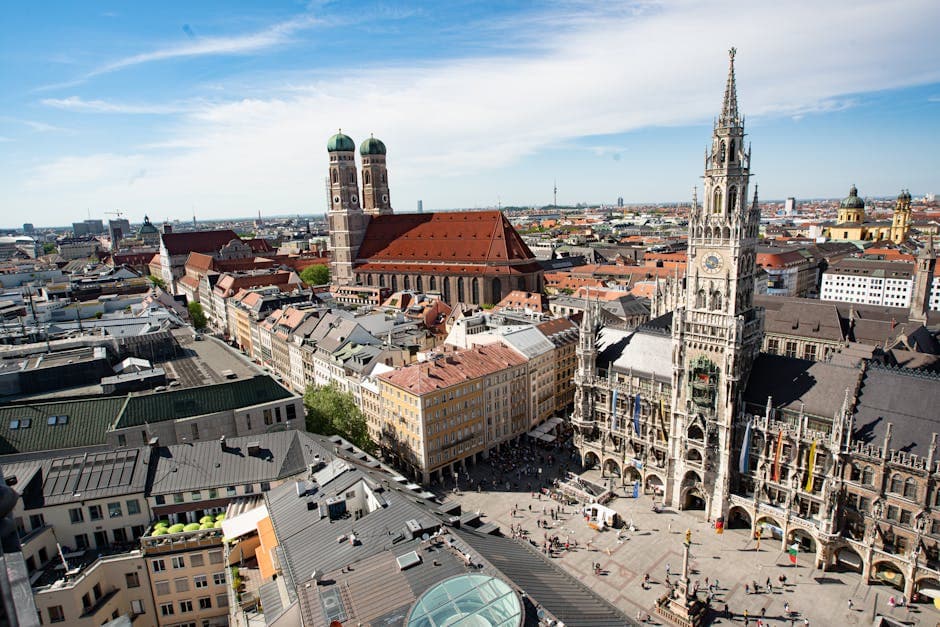
Frauenkirche (Munich Cathedral)
Twin‑towered brick Gothic symbol of Munich
The Frauenkirche, or Cathedral of Our Dear Lady, is Munich’s main Catholic cathedral and one of its most recognizable landmarks with twin domed towers. Scripts should cover its late Gothic red‑brick construction, relatively simple interior compared to Baroque churches, and key features such as stained glass windows, important tombs like that of Emperor Louis IV, and the high altar areas. A well‑known legend about the “Devil’s footprint” in the floor offers a memorable anecdote to recount. The narrative should also address wartime damage, subsequent reconstruction, and how the church’s height limits influence modern building regulations, preserving the cathedral’s dominance on the skyline.
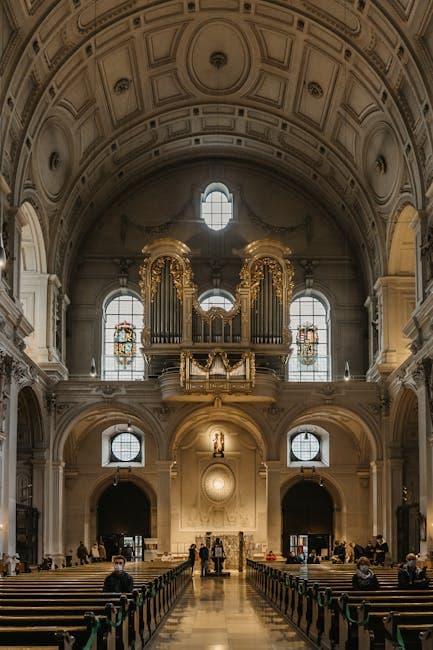
St. Michael's Church
Jesuit stronghold of Counter‑Reformation Bavaria
St. Michael’s Church on Neuhauserstrasse is a monumental Jesuit church linked closely with the Wittelsbach dynasty and the Catholic Counter‑Reformation. Narration should emphasize its Renaissance and early Baroque architecture, with a vast barrel‑vaulted nave and a richly decorated façade featuring statues of saints and Bavarian rulers. Historically, it served as a statement of Catholic power in a region bordering Protestant territories, and houses tombs of Wittelsbach family members including notable dukes and kings. Anecdotes can mention collapses and reconstructions during its building history, and how its dramatic interior feels almost like an Italian church transplanted into Munich’s commercial core.
Neuhauserstrasse
Busy shopping spine with layered urban history
Neuhauserstrasse is one of Munich’s main pedestrian shopping streets, forming a continuous axis with Kaufingerstrasse between Marienplatz and Karlsplatz. Scripts should depict its present‑day life: department stores, smaller shops, buskers, and crowds, while also pointing out historical façades like Hirmer’s building and nearby churches such as St. Michael’s. Historically, this route followed an old east–west thoroughfare inside the medieval walls, later transformed by 19th‑ and 20th‑century commerce and postwar reconstruction. Narration can highlight how pedestrianization changed urban life, making the Old Town more walkable. Anecdotes might contrast historic guild houses with modern brands, and note how locals weave between errands, cafes, and side alleys leading back to quieter courtyards.
Karlstor / Karlsplatz
Medieval gate framing a modern city square
Karlstor is a surviving medieval city gate that now opens onto Karlsplatz, a busy square also known locally as Stachus. Narration should explain how this gate once formed part of Munich’s defensive walls, guarding the western entrance to the city, and how later centuries replaced moats and ramparts with boulevards and grand buildings. The square’s notable structures include the imposing Palace of Justice with its glass and steel dome, and surrounding commercial blocks that reflect 19th‑ and 20th‑century development. Scripts should treat this stop as the tour’s conclusion, tying together themes of medieval origins, royal ambition, war damage, and modern urban life. Anecdotes can touch on the “Stachus” nickname and the square’s role as a meeting point, winter ice rink, or transport hub for today’s Munich.
Start This Tour
Download Roamway to experience this audio tour
Tour Details
Access
Free
Stops
11 points of interest
Languages
GermanEnglishSpanish
More tours in München
View all tours in MünchenFrequently Asked Questions
How do I start this audio tour?
Download the Roamway app, search for this tour, and tap 'Start Tour'. The app will guide you to the starting point using GPS. Once you're there, the audio narration begins automatically.
Do I need an internet connection?
No! Once you've downloaded the tour in the Roamway app, it works completely offline. The GPS navigation and audio narration function without an internet connection.
Can I pause and resume the tour?
Yes! You can pause the tour at any time and resume later. Your progress is automatically saved, so you can complete the tour over multiple sessions if needed.