
Venice: Quiet Sestieri, Canalside Life & Hidden Campi
Venezia, Italia
Audio Preview
Listen to a sample of this audio tour to get a feel for the experience.
What You'll Experience
On this Venice: Quiet Sestieri, Canalside Life & Hidden Campi audio tour in Venezia, you'll discover 11 carefully selected points of interest, each with its own story. The tour is designed to be completed at your own pace, with GPS navigation guiding you from one location to the next. As you approach each stop, the audio narration automatically begins, bringing history, culture, and local insights to life.
About This Tour
This tour explores lesser-known areas of Venice across the Santa Croce, Dorsoduro, and Cannaregio districts, focusing on everyday urban spaces and canalside life. It includes historic campi, traditional gondola craftsmanship at Squero di San Trovaso, and neighborhood landmarks such as Campo San Polo and Madonna dell’Orto. Topics include local history, urban layout, and social life away from major monuments.
Points of Interest
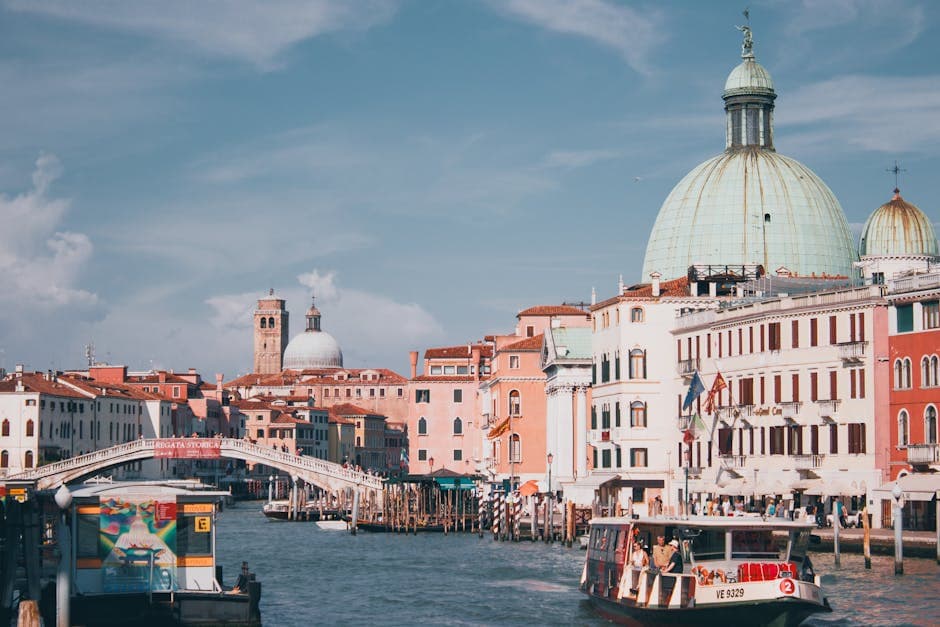
Campo San Giacomo dell’Orio
Everyday life in a shaded neighborhood square
This opening stop introduces Campo San Giacomo dell’Orio as a lived-in Venetian campo with trees, benches, and children playing, rather than a monumental tourist square. The narration should explain what a “campo” is, how it differs from a piazza, and how such spaces structure neighborhood life. It should describe the church’s mixed medieval and later elements, the slightly irregular shape of the campo, and visible wells and trees. One anecdote can mention how locals use this campo for low-key festivals and community events, and another can note the tradition that parts of the church incorporate reused stones from earlier buildings, symbolizing Venice’s habit of recycling materials and spaces.
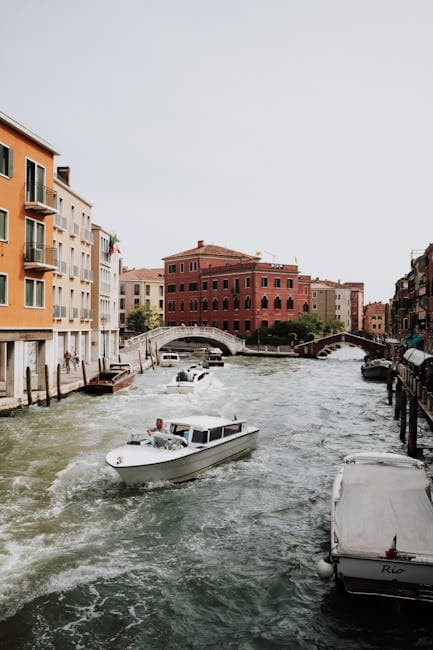
Rio de San Stin
Narrow canal and intimate residential calli
This stop explores the Rio de San Stin and its surrounding calli as an example of Venice’s intimate, small-scale fabric between campi. The narration should explain terms like rio, ponte, calle, and corte, and highlight how people navigate through this seemingly confusing network. Visual details include low bridges, small courtyards, laundry lines, and ground-floor doors opening almost directly onto water. One anecdote can describe how residents once used small boats for ultra-short hops across such canals, and another can mention how, during exceptionally high tides, locals memorize which calli flood first and adapt their daily routes accordingly.
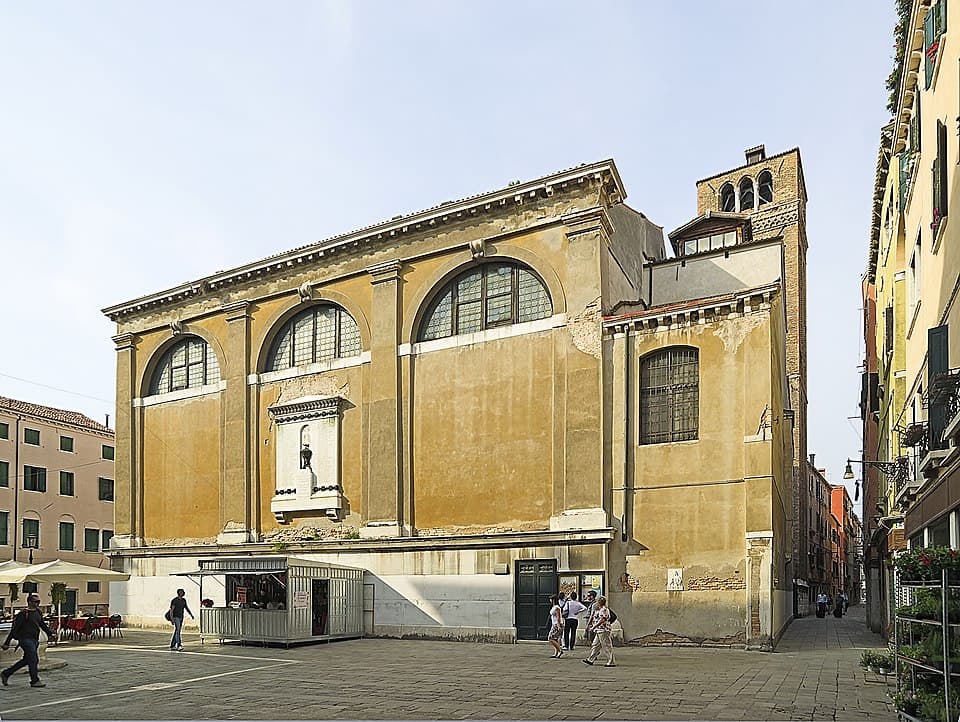
Campo San Cassiano
Quiet square near historic markets and theatres
This stop presents Campo San Cassiano as a modest but historically layered square close to Venice’s old commercial heart. The narration should describe the small campo, its church, and surrounding buildings, noting how it once stood near busy market routes connecting to the Rialto area. A key theme is Venice’s early theatre culture, since San Cassiano is associated with one of the first public opera houses, even though the original building no longer stands. One anecdote can explain how early opera audiences treated performances like social events—talking, eating, and making deals in their boxes—and another can highlight how residents today enjoy the campo’s relative quiet despite being only a short walk from crowded thoroughfares.
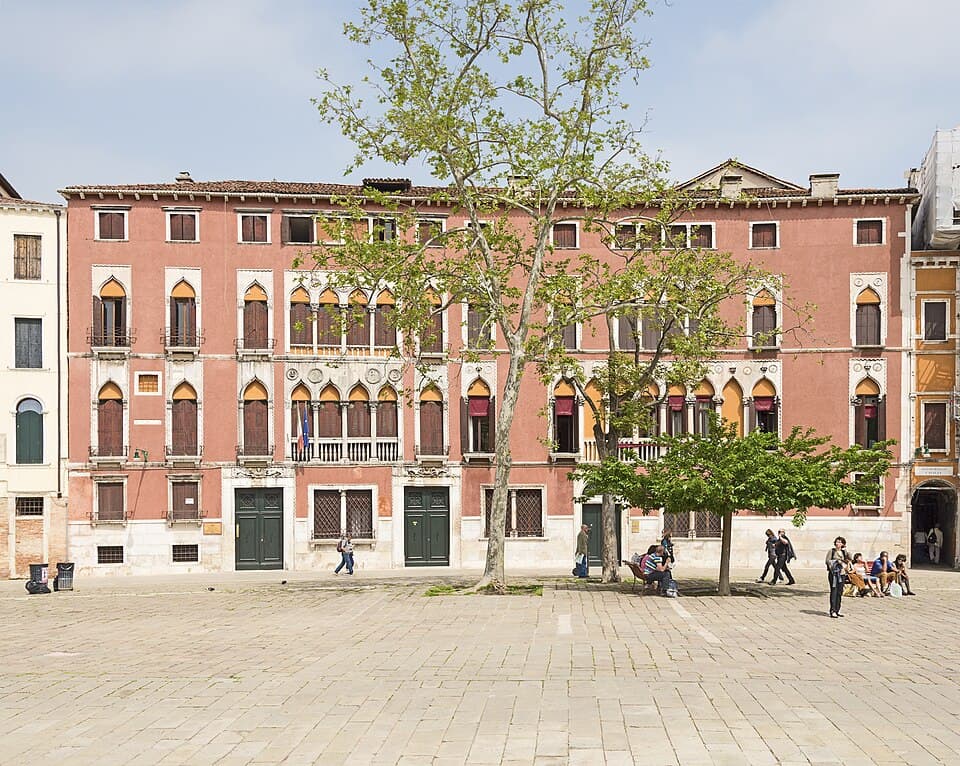
Campo San Polo
Venice’s largest campo and civic open space
This stop focuses on Campo San Polo as Venice’s largest campo and a major civic and social space. The narration should emphasize the broad expanse of paving, the surrounding palazzi, and the slightly sloping surface that recalls its earlier, less formal state. Historical context can include its evolution from a grassy field to a paved gathering place and its role in public celebrations and events. One anecdote might recall how, in earlier centuries, large open-air entertainments like mock naval battles or theatrical performances were staged here, and another can mention how the campo occasionally transforms for modern events, altering its usual neighborhood feel.
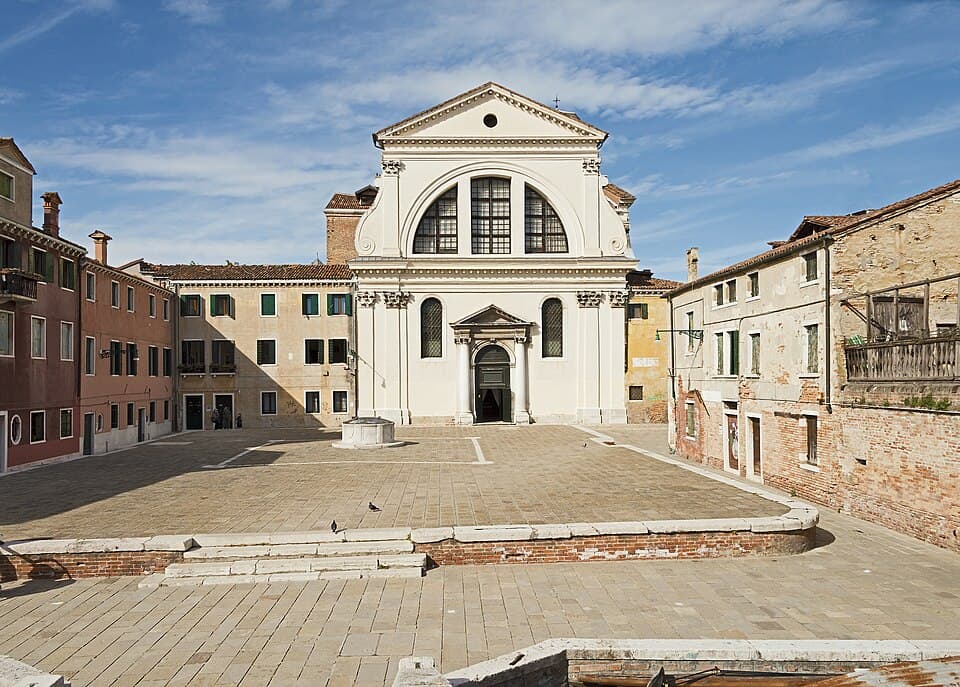
Squero di San Trovaso
Traditional gondola boatyard on the Giudecca Canal
This stop introduces Squero di San Trovaso as one of Venice’s few remaining traditional gondola boatyards. The narration should explain what a squero is, describe the wooden sheds and sloping yard, and point out the stylistic resemblance to Alpine boatyards due to craftsmen from the mountains. It should cover basic aspects of gondola construction, such as asymmetrical hulls and carefully selected woods, emphasizing the skill and apprenticeship traditions involved. One anecdote can describe how gondoliers sometimes bring their boats here for periodic maintenance that can take days, and another can explain that gondolas are often painted black by historic sumptuary regulations, with decoration confined mainly to metal and upholstery details rather than bright colors.
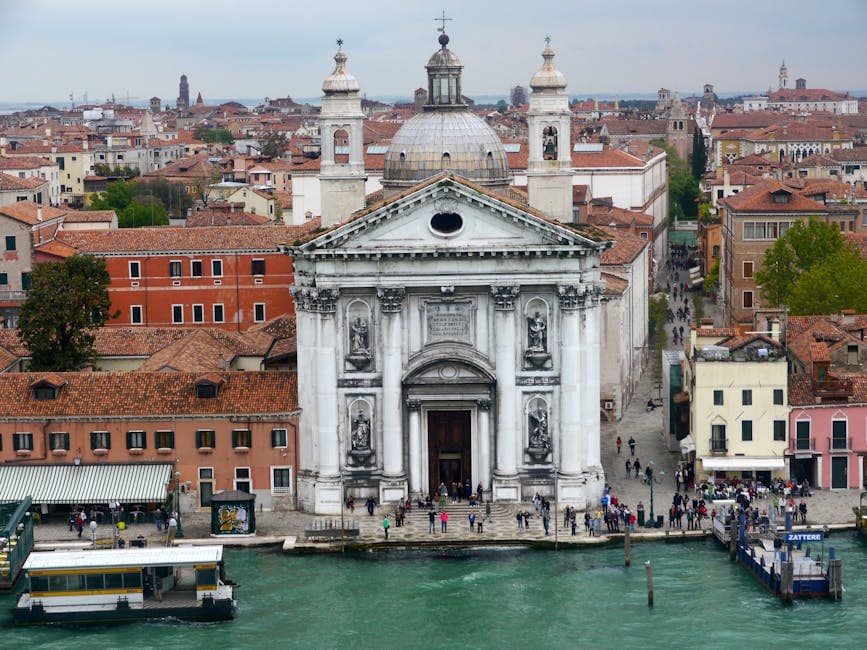
Fondamenta Nani and Zattere
Waterfront promenade, light, and working canal views
This stop covers the short walk along Fondamenta Nani leading toward the broader Zattere waterfront, highlighting the change from tight inner canals to wide Giudecca Canal views. The narration should explain that a fondamenta is a walkway along a canal and that the Zattere historically received timber and goods on floating rafts. Visuals include long stretches of paving, moored boats, wide water, and the skyline of Giudecca opposite. One anecdote can mention how, in the past, Zattere’s open exposure meant stronger winter winds, shaping when people chose to walk there, and another can highlight how local families may use this stretch for evening passeggiate, with conversations and small social rituals conducted along the water’s edge.
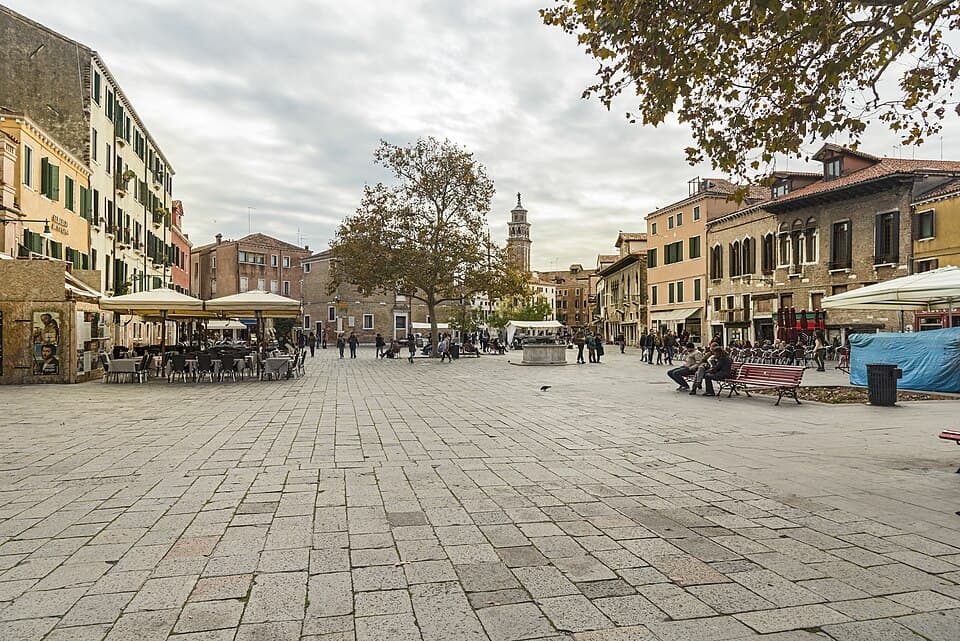
Campo Santa Margherita
Lively neighborhood square with cafés and student life
This stop presents Campo Santa Margherita as the social heart of Dorsoduro, known for its mix of residents, students, and cafés. The narration should describe the elongated shape of the campo, the mix of older façades and shopfronts, and the way market stalls or terraces can change its layout through the day. Context includes its proximity to university buildings and how this has influenced the rhythm of local life, from morning errands to evening gatherings. One anecdote can explain how families with children, elderly locals, and students often share the same public benches at different hours, and another can describe how shopkeepers and bar owners informally keep an eye on the square, preserving a neighborhood atmosphere despite frequent change.
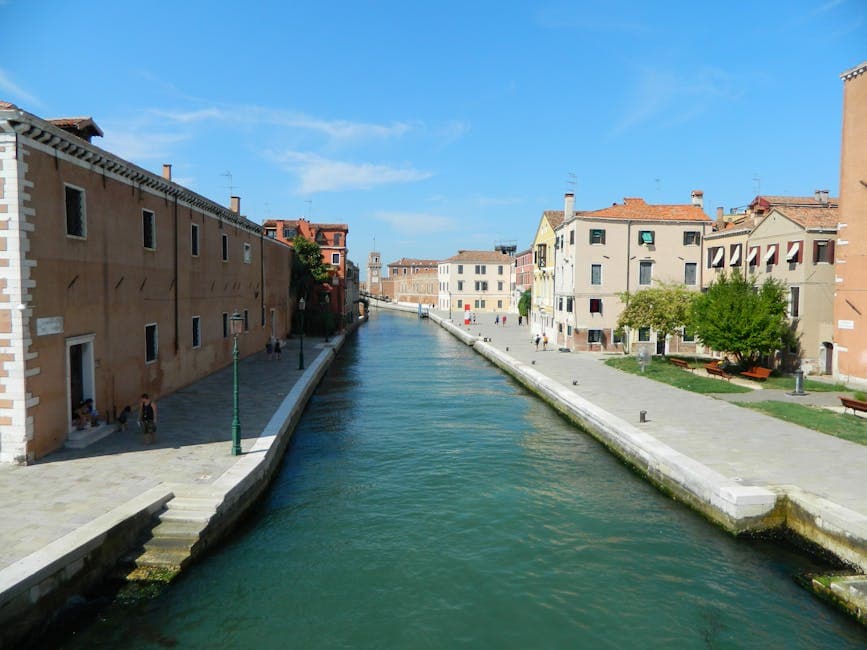
Calle Lunga San Barnaba
Busy neighborhood street and the Ponte dei Pugni
This stop follows Calle Lunga San Barnaba to the Ponte dei Pugni, focusing on the mix of small shops and a bridge with a vivid past. The narration should describe the linear, slightly bustling feel of the calle, lined with everyday services and food shops. It should then shift to the Ponte dei Pugni, explaining its role in historic fistfights between neighborhood factions, with participants trying to throw rivals into the canal below. One anecdote can point out the footprints marked on the bridge surface where fighters are believed to have stood at the start of bouts, and another can note how today the bridge is associated with a floating produce barge that moors nearby, supplying locals from the water instead of a fixed stall.
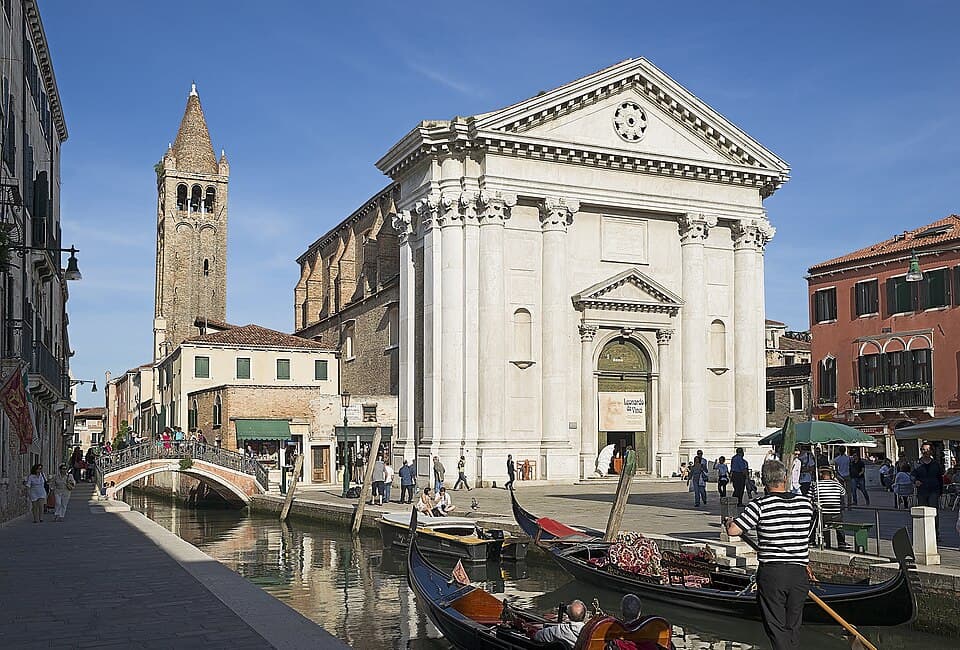
Campo San Barnaba
Canalside campo with church and neighborhood boats
This stop introduces Campo San Barnaba as a smaller, intimate square directly beside a canal. The narration should describe the church façade with its classical lines, the low bridge and canal right in front, and the boats moored along the edge, emphasizing the close relationship between water and public space. It can discuss how such campi function as everyday crossroads where people meet on their way to shops, schools, or work. One anecdote can mention that this campo and its church have occasionally appeared in films, momentarily turning a quiet corner into a movie set, and another can highlight how on certain mornings residents may load groceries or supplies directly from boats onto the paved edge, treating the canal as a doorstep street.
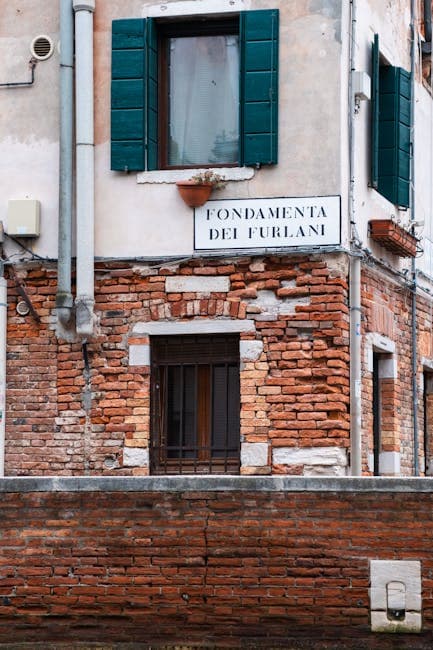
Fondamenta dei Ormesini
Cannaregio canalside with informal bars and local life
This stop explores Fondamenta dei Ormesini as a relaxed canalside strip in Cannaregio known for small bars, eateries, and a strong local presence. The narration should evoke the long, linear feel of the fondamenta following the canal, with tables spilling outside and boats tied along the edge. Context can include Cannaregio’s history as a working-class and residential sestiere, where daily life still dominates many streets. One anecdote might describe how, in the evenings, groups of friends sometimes stand with drinks along the canal wall, chatting and leaning over the water rather than sitting at tables, and another can highlight how, during quieter seasons or mornings, the same stretch feels almost village-like, with delivery boats and dog-walkers replacing the nighttime crowd.
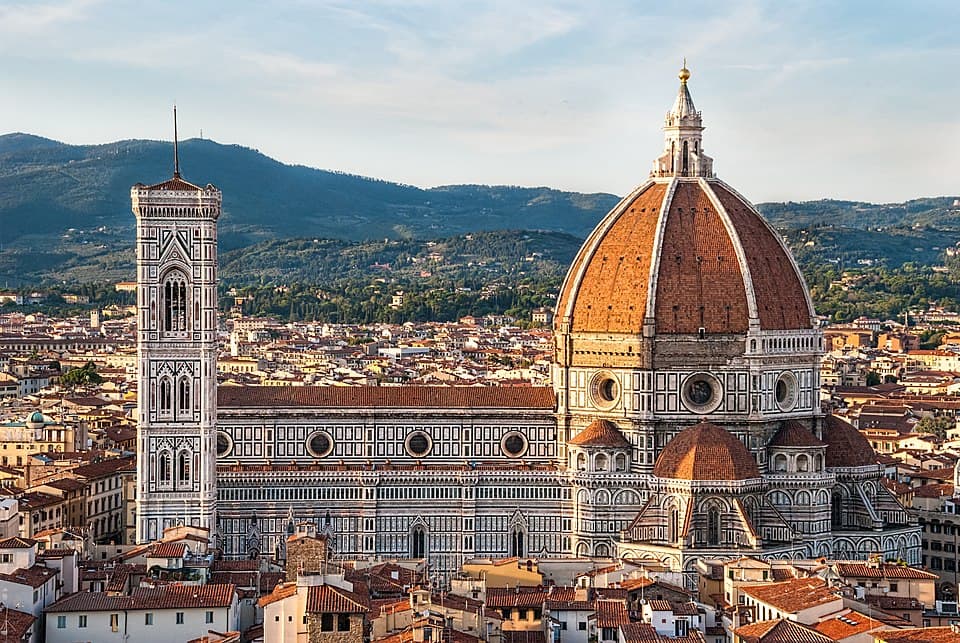
Campo Madonna dell’Orto
Quiet edge-of-city campo with Tintoretto connections
This final stop presents Campo Madonna dell’Orto as a peaceful, slightly secluded square on Venice’s northern edge, dominated by the Gothic church of Madonna dell’Orto. The narration should describe the brick façade, pointed arches, and the presence of trees or gardens that soften the space, giving a sense of distance from busier areas. Historical context includes the church’s association with the painter Tintoretto, who lived nearby and is buried inside, and its role as a neighborhood parish. One anecdote can recount the story that a revered statue of the Virgin, originally kept in a garden, gave the church its name when it was moved here, and another can note how, from nearby canals and edges, residents and visitors catch glimpses of the open lagoon, reinforcing the sense of being at the city’s threshold. The conclusion should gently tie together themes of neighborhood life, art, and the ever-present water surrounding Venice.
Start This Tour
Download Roamway to experience this audio tour
Tour Details
Access
Free
Stops
11 points of interest
Languages
GermanEnglishSpanishFrench
More tours in Venezia
View all tours in VeneziaOther tours you might enjoy:
Venice: St. Mark’s to Rialto History & Canals
This tour explores central Venice from Piazza San Marco to the Rialto area, focusing on major civic and religious landmarks. It covers the exteriors of St. Mark’s Basilica, the Doge’s Palace, and the Bridge of Sighs, then continues along the Riva degli Schiavoni to historic campos, markets, and viewpoints, highlighting Venetian politics, trade, and architecture.
Venice: Great Churches, Relics and Renaissance Art
This tour explores major churches in Venice, including St Mark’s Basilica, Santa Maria della Salute, San Zaccaria, Zanipolo, and the Frari, along with selected smaller churches and confraternity spaces. It focuses on religious relics, Byzantine and Renaissance mosaics, architectural styles, and key artworks such as Tintoretto’s cycles at the Scuola Grande di San Rocco.
Venice: Grand Canal Palaces and San Marco Architecture
This tour explores central Venice from Piazza San Marco to the Grand Canal, focusing on major public spaces and noble palaces. It examines Venetian Gothic, Renaissance, Baroque, and 19th‑century styles through façades, courtyards, and skyline landmarks. Key topics include political power, trade wealth, and the evolution of Venetian urban form.
Frequently Asked Questions
How do I start this audio tour?
Download the Roamway app, search for this tour, and tap 'Start Tour'. The app will guide you to the starting point using GPS. Once you're there, the audio narration begins automatically.
Do I need an internet connection?
No! Once you've downloaded the tour in the Roamway app, it works completely offline. The GPS navigation and audio narration function without an internet connection.
Can I pause and resume the tour?
Yes! You can pause the tour at any time and resume later. Your progress is automatically saved, so you can complete the tour over multiple sessions if needed.