
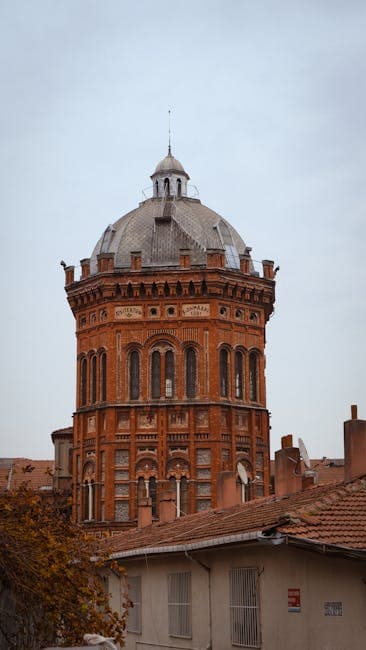
Istanbul Fener & Balat: Multi-Faith Heritage and City Walls
İstanbul, Türkiye
Audio Preview
Listen to a sample of this audio tour to get a feel for the experience.
What You'll Experience
On this Istanbul Fener & Balat: Multi-Faith Heritage and City Walls audio tour in İstanbul, you'll discover 11 carefully selected points of interest, each with its own story. The tour is designed to be completed at your own pace, with GPS navigation guiding you from one location to the next. As you approach each stop, the audio narration automatically begins, bringing history, culture, and local insights to life.
About This Tour
This tour explores the historic Fener and Balat districts along the Golden Horn in Istanbul, including Greek Orthodox, Jewish, and Armenian heritage sites. It features the Ecumenical Patriarchate, Phanar Greek Orthodox College, Ahrida Synagogue area, and neighborhood streets. The route continues to Ayvansaray and viewpoints near the Theodosian Land Walls, highlighting Byzantine and Ottoman urban history and architecture.
Points of Interest
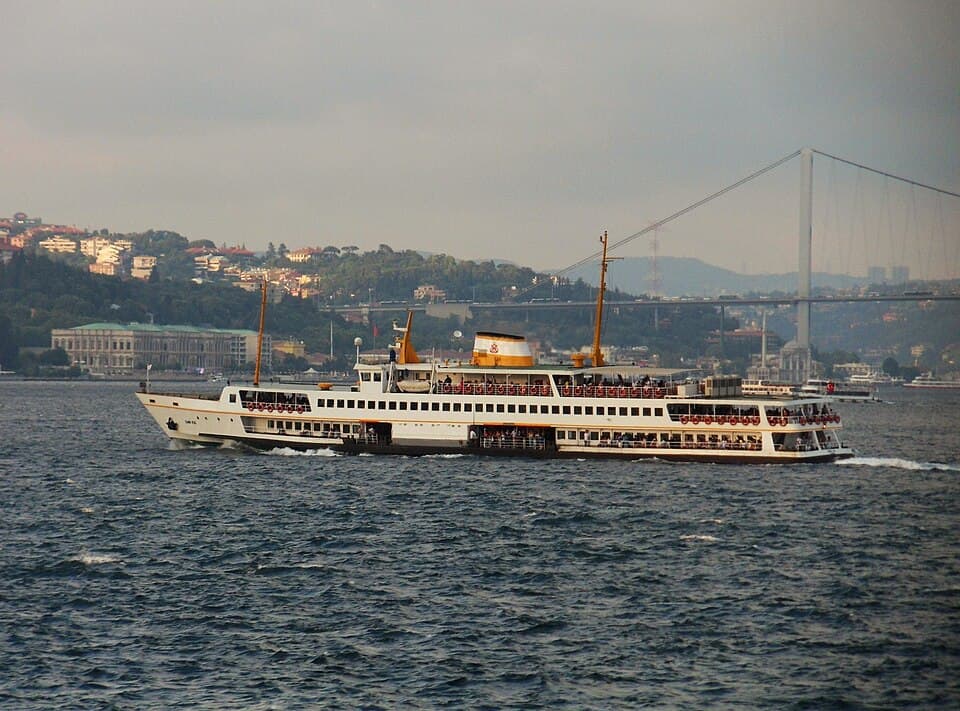
Fener Ferry Pier
Golden Horn views and historic waterfront setting
This stop orients visitors at the Fener ferry pier along the Golden Horn, introducing the geography of the inlet and its role as harbor, moat, and industrial zone across Byzantine and Ottoman periods. The narration should describe the view across to the opposite shore, the slopes rising into Fener and Balat, and the mix of domes, minarets, and red-brick silhouettes. It should explain how different communities chose waterfront or hillside locations and how the Golden Horn’s pollution and later cleanup changed daily life. An anecdote can note how old photographs show shipyards and warehouses where today’s parks and promenades stand, underlining the area’s economic transformation. Another story might highlight how small neighborhood ferries once connected workers to Ottoman shipyards and factories lining the estuary.
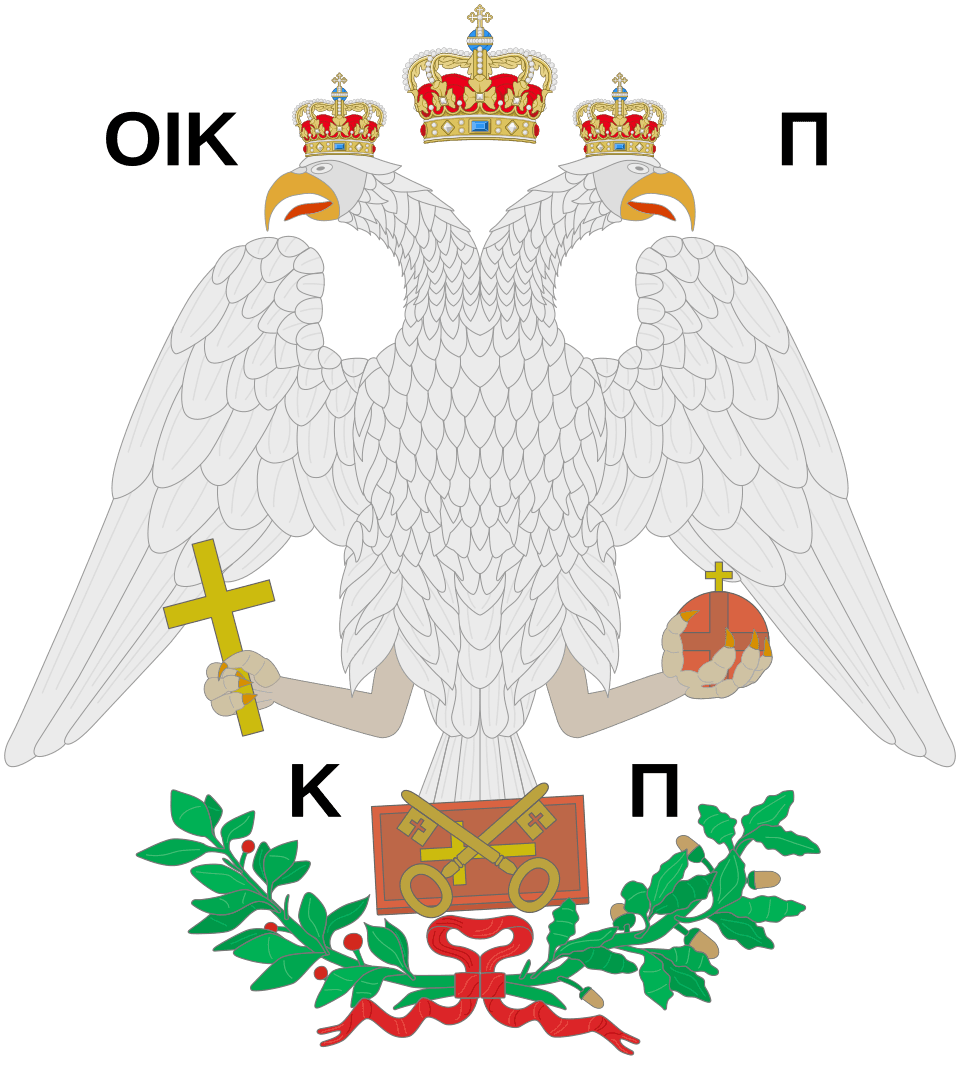
Ecumenical Patriarchate
Orthodox spiritual center in Fener backstreets
This stop focuses on the Ecumenical Patriarchate complex, centered on St. George’s Cathedral, as the spiritual heart of Eastern Orthodoxy since its relocation here during the Ottoman era. The narration should describe the modest exterior, the courtyard, and visible architectural features that hint at its importance despite past restrictions on church building. Historical context should cover the Patriarchate’s role in Byzantine times, its constrained yet influential status under the Ottomans, and its modern situation in Turkey. One anecdote can recall how the Patriarchate was relocated to this site after earlier seats were damaged or lost, emphasizing resilience. Another can mention the tradition of foreign dignitaries and Orthodox pilgrims quietly entering this humble-looking complex for major religious occasions, contrasting appearance with global significance.
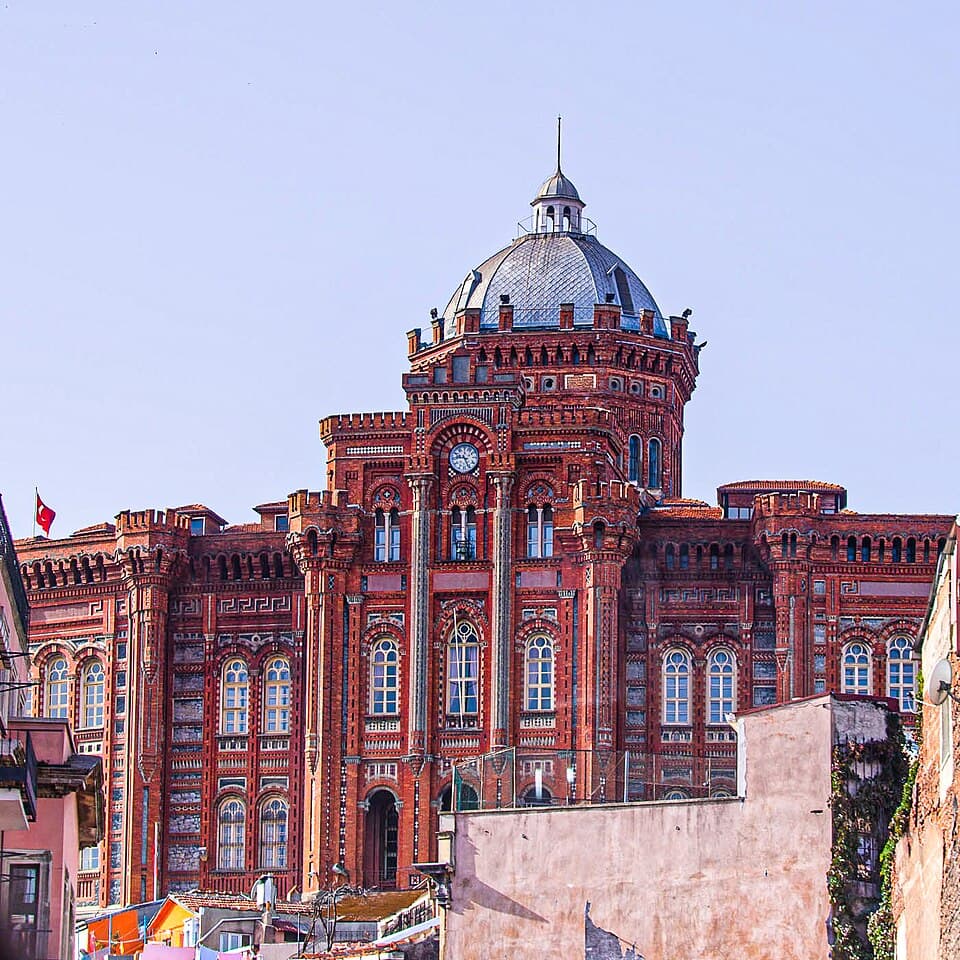
Phanar Greek Orthodox College
Imposing red-brick Greek school on the hill
This stop highlights the exterior of the Phanar Greek Orthodox College, the prominent red-brick building dominating Fener’s skyline. The narration should describe its fortress-like appearance, ornate brickwork, towers, and how it contrasts with surrounding houses. Historically, it represents elite Greek education in the late Ottoman period and the role of the Phanariots as influential Greek Orthodox families in administration and trade. One anecdote may discuss how locals sometimes jokingly call it a ‘castle’ or ‘red fortress’ due to its look, confusing visitors who think it is a palace. Another story can touch on notable alumni who went on to become church leaders or intellectuals, using them to illustrate the school’s prestige without needing precise dates or exhaustive lists.
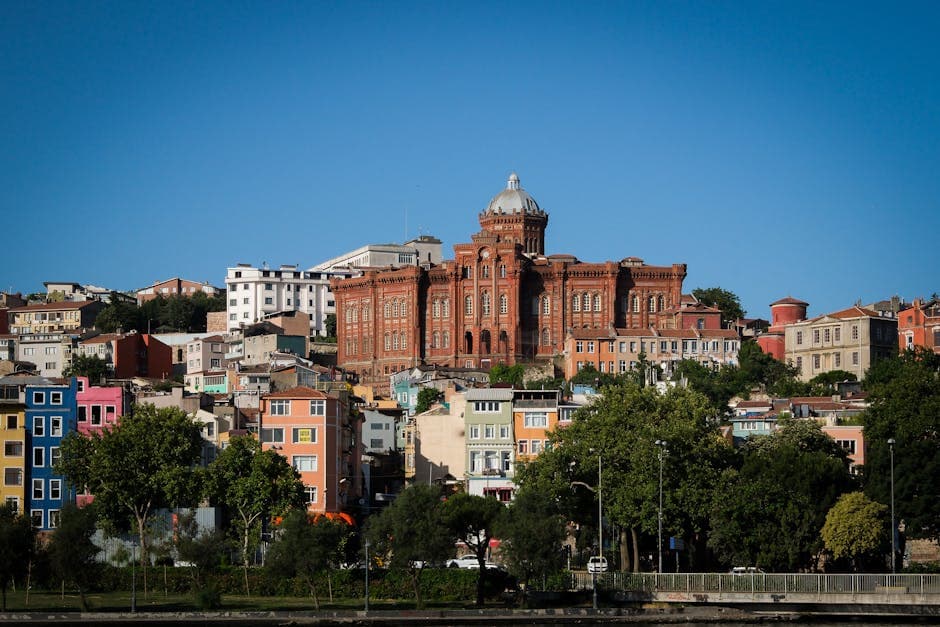
Fener Backstreets
Steep lanes, wooden houses, and daily life
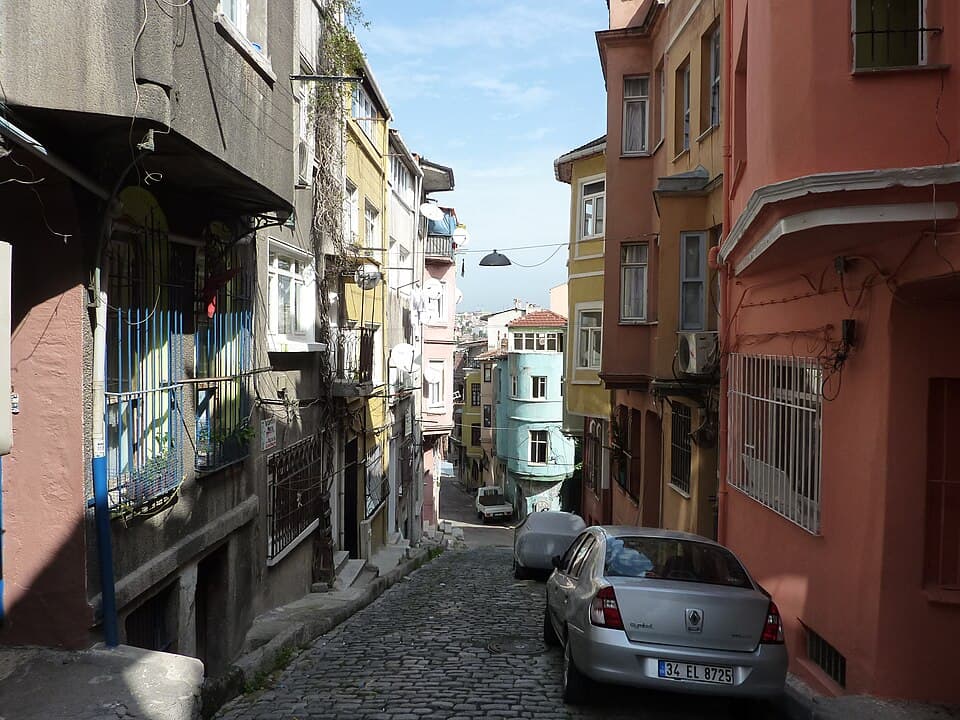
This stop explores Fener’s steep backstreets and colorful houses, away from the main institutional landmarks. The narration should evoke the experience of climbing narrow cobbled lanes, noting timber and masonry houses, bay windows, and laundry lines as signs of everyday life across generations. Historically, these streets hosted mixed Greek, Muslim, and other residents, reshaped by fires, regulations, and recent restorations. One anecdote could describe how some houses survived major neighborhood fires thanks to their stone lower floors, while neighboring wooden structures had to be rebuilt. Another might note that certain picturesque corners have appeared in Turkish TV series or films, subtly changing the area as visitors seek out the same shot locations.
Ahrida Synagogue Area
Historic Jewish quarter around Ahrida Synagogue
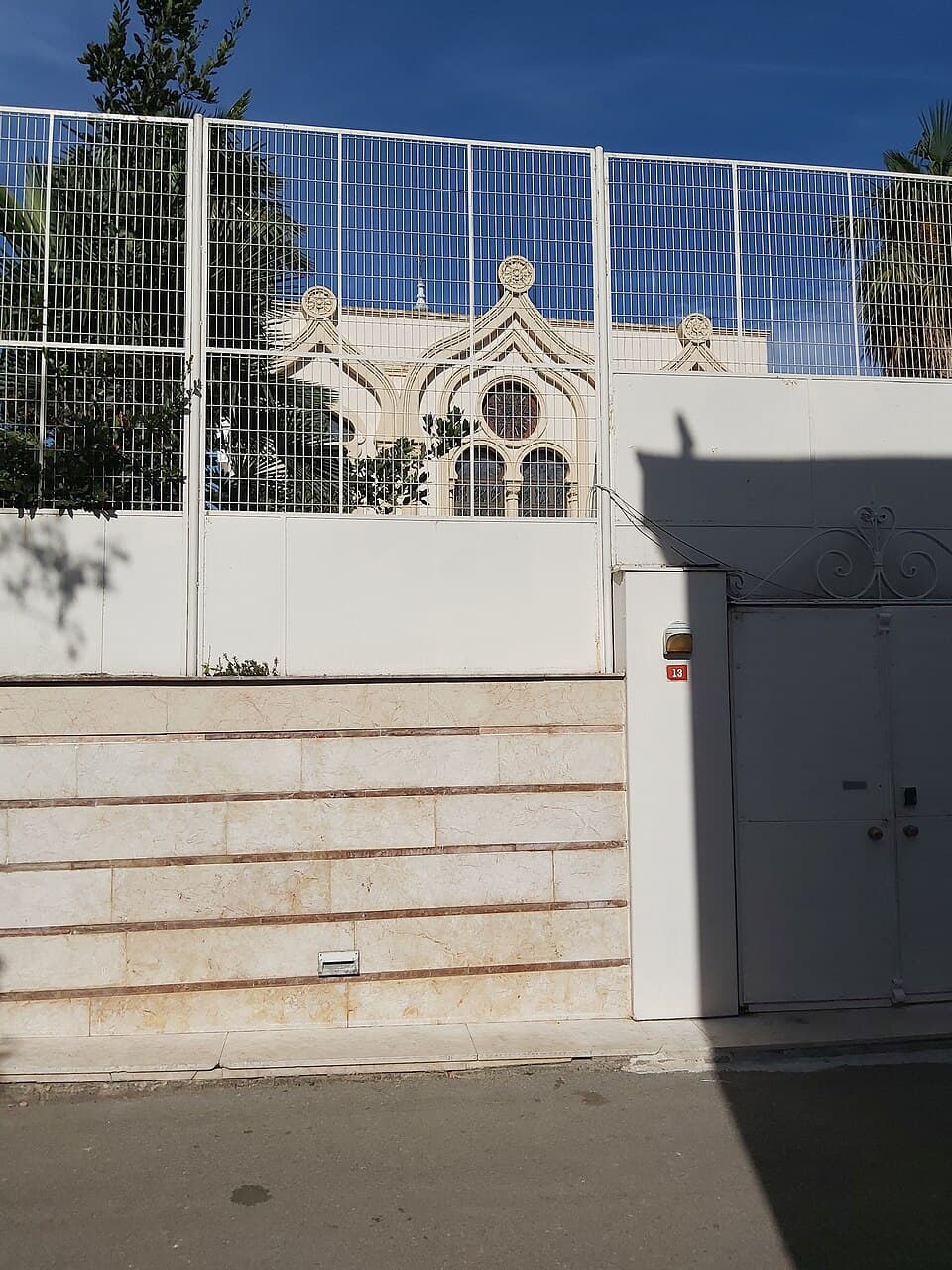
This stop centers on the streets around Ahrida Synagogue, emphasizing the long presence of Jewish communities in Balat. The narration should clarify that the synagogue interior is accessible only by prior arrangement while describing the exterior surroundings, nearby façades, and how synagogues often hide behind modest street fronts for security and modesty. Historically, Balat housed Sephardic Jews, many arriving after expulsion from Iberia, and the Ahrida community became one of the most prominent. One anecdote can allude to the synagogue’s distinctive bimah in the shape of a ship inside, interpreted as recalling journeys or the Ark, while clearly noting that this is not visible from outside. Another story might mention how neighborhood Jewish shops and workshops traditionally clustered near the synagogue, creating a tight-knit daily circuit of prayer, schooling, and trade in a few adjoining streets.
Balat Main Street
Vodina Caddesi with cafés, shops, and movement
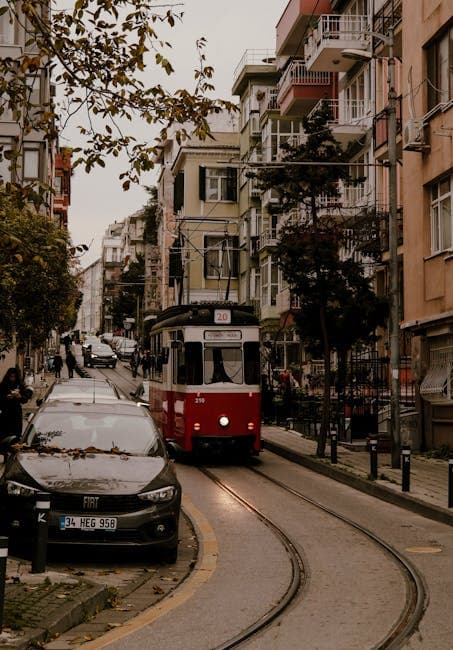
This stop examines Balat’s main street, commonly known as Vodina Caddesi, as a commercial and social spine linking different communities. The narration should describe the mix of traditional shops, small groceries, antique dealers, and newer cafés, as well as the constant movement of locals and visitors. Historically, such streets connected Jewish, Greek, Armenian, and Muslim residents, serving as shared marketplaces and informal meeting points. One anecdote may describe how some antique shops reportedly source items from old neighborhood houses being cleared or renovated, embodying the tension between preservation and change. Another story could mention how local café owners sometimes decorate their terraces with old family photos of the street, using them to show customers how Balat looked decades ago.
Balat Colorful Houses
Iconic painted façades on a steep staircase
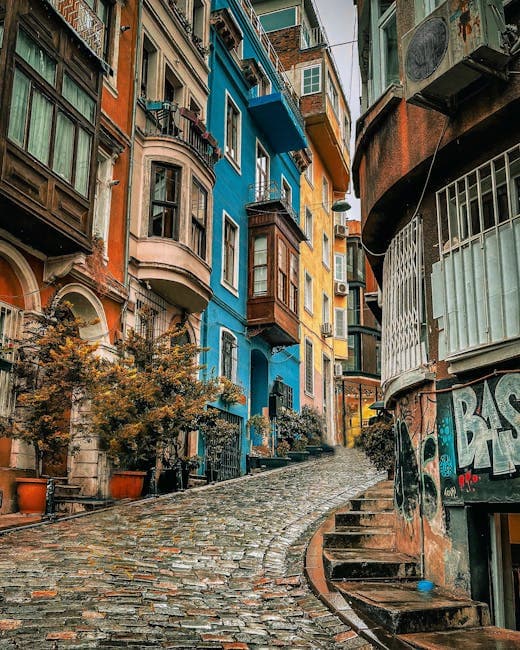
This stop focuses on a famous cluster of brightly painted Balat houses that has become a popular photo spot. The narration should describe the stepped street, vivid façades, and decorative details, then use them to reflect on how aestheticized images of the neighborhood circulate on social media. Historically, these were ordinary residential buildings later painted and restored, illustrating contemporary efforts to rebrand Balat and attract visitors. One anecdote can observe how local residents sometimes watch impromptu photo shoots from their windows, amused at their once-unremarkable homes becoming visual icons. Another might reference how some houses were repainted after early color schemes faded, showing that even ‘traditional’ looks here are quite recent and curated.
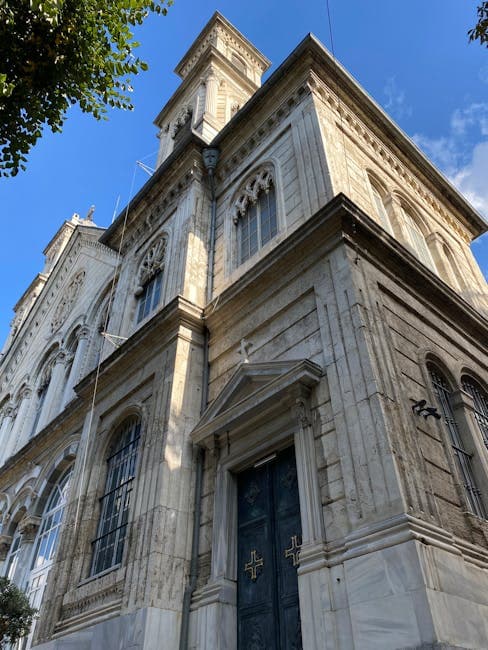
Surp Hreşdagabet Church
Armenian church amidst Balat side streets
This stop highlights the area around Surp Hreşdagabet Armenian Church, introducing Armenian Christian heritage in Balat. The narration should point out the church’s exterior where visible—from its walls, dome or roofline, and entrance gate—and explain its role as a parish center for local Armenians. Historically, Armenian communities lived across different parts of Istanbul, including here along the Golden Horn, contributing to crafts, trade, and church life. One anecdote could mention how parish festivals or name-day celebrations once spilled into nearby streets, with food stalls and music centered on the church courtyard. Another story might touch on careful restoration work carried out when the building showed structural wear, reflecting community efforts to maintain a smaller but still active congregation.
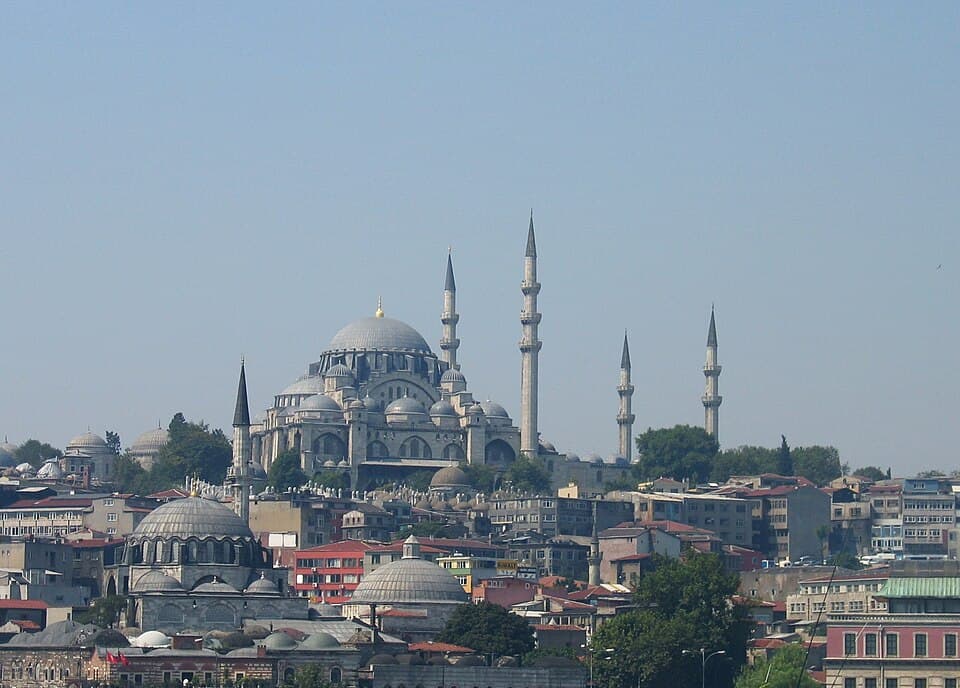
Ferruh Kethüda Mosque
Classical Ottoman mosque in a modest square
This stop introduces Ferruh Kethüda Mosque as an example of classical Ottoman religious architecture within a multi-faith neighborhood. The narration should describe the mosque’s courtyard if visible, its single minaret, stone walls, and interior layout style, even if listeners remain outside. Historically, it is associated with the Ottoman official Ferruh Kethüda and reflects the work of architects of the classical period, often linked to Mimar Sinan’s circle. One anecdote might recount how residents valued the mosque’s small fountain or şadırvan as a social gathering and cooling spot in hot weather. Another story can note that, over time, local shopkeepers and craftsmen informally timed their workday rhythms to the call to prayer from this mosque and others nearby, anchoring daily life in the soundscape of worship.
Ayvansaray Shore
Golden Horn edge near old Blachernae
This stop focuses on the Ayvansaray shoreline and the remains or memory of the Byzantine Blachernae district nearby. The narration should describe the quieter stretch of waterfront, any visible historic fragments, and the sense of being closer to the edge of the old walled city. Historically, Blachernae hosted important Byzantine churches and palatial structures near the land walls, later absorbed into the Ottoman urban fabric. One anecdote can mention how travelers in late Ottoman times described this zone as somewhat removed from the bustling city center, with gardens and modest houses along the water. Another might highlight how archaeological interest in Blachernae has led scholars to trace foundations and underground remains beneath today’s streets, suggesting a far denser imperial complex than what is visible now.
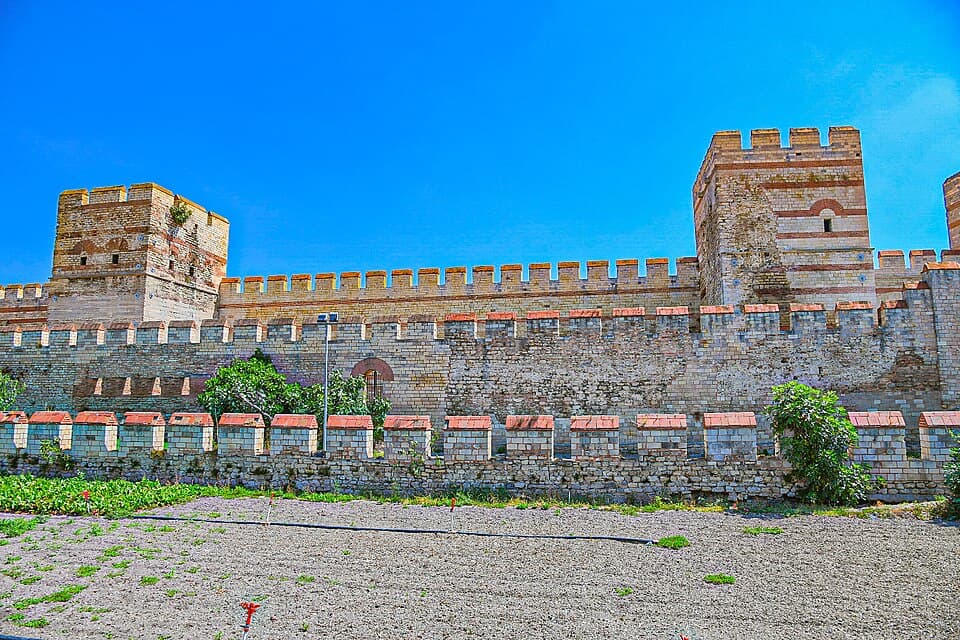
Theodosian Land Walls
Viewpoint toward Constantinople’s great defenses
This final stop looks toward a section of the Theodosian Land Walls near Ayvansaray, using the view to summarize the city’s defensive history and the tour’s themes. The narration should describe visible wall segments, towers, and the line stretching inland, while explaining their late Roman/Byzantine origins and later Ottoman repairs. Historically, these walls withstood many sieges before the 1453 conquest, marking the boundary between city and countryside and shaping where communities like Fener and Balat developed along the Golden Horn side. One anecdote can recall how some local children in the 20th century reportedly used ruined wall sections as improvised playgrounds, long before formal restorations. Another might note that modern restorations have sparked debates among historians and residents about how much to rebuild versus leaving ruins as they are, reflecting evolving attitudes toward heritage.
Start This Tour
Download Roamway to experience this audio tour
Tour Details
Access
Free
Stops
11 points of interest
Languages
GermanEnglishSpanishFrench
More tours in İstanbul
View all tours in İstanbulOther tours you might enjoy:
Istanbul: Sultanahmet to Galata Bridge Historic Highlights
This tour explores Istanbul’s historic peninsula from Sultanahmet Square to the Galata Bridge, passing major Byzantine and Ottoman landmarks. It includes mosques, cisterns, bazaars, fountains, and monuments such as Hagia Sophia, the Blue Mosque, the Grand Bazaar, and Süleymaniye Mosque, with context on religion, imperial power, daily life, and urban development.
Istanbul: Street Food, Bazaars and Neighborhood Cafés
This tour explores central Istanbul from Eminönü to Karaköy and Cihangir through its street food, historic markets, and café culture. It includes the Egyptian Spice Bazaar, Tahtakale backstreets, Galata Bridge, and waterfront meyhanes, highlighting local snacks, Ottoman-era commerce, neighborhood life, and evolving coffeehouse traditions.
Istanbul: Imperial Mosques, Aqueducts and Skyline Views
This tour explores Istanbul’s historic peninsula from Süleymaniye to the Galata Bridge, focusing on Ottoman imperial mosque complexes and earlier Byzantine layers. It includes major külliyes, madrasas, tombs, and aqueducts, highlighting shifts from classical Ottoman to baroque architecture, urban planning, and the city’s changing skyline and religious landscape.
Frequently Asked Questions
How do I start this audio tour?
Download the Roamway app, search for this tour, and tap 'Start Tour'. The app will guide you to the starting point using GPS. Once you're there, the audio narration begins automatically.
Do I need an internet connection?
No! Once you've downloaded the tour in the Roamway app, it works completely offline. The GPS navigation and audio narration function without an internet connection.
Can I pause and resume the tour?
Yes! You can pause the tour at any time and resume later. Your progress is automatically saved, so you can complete the tour over multiple sessions if needed.