
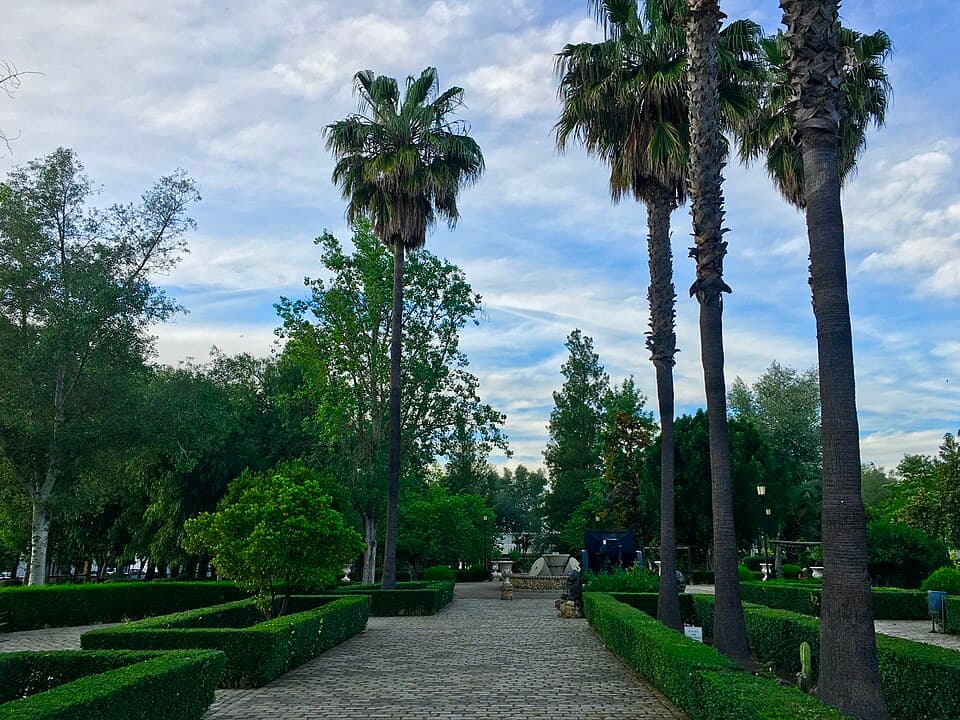
Las Palmas: Art, Architecture and Seafront Cultural Route
Las Palmas De Gran Canaria, España
Audio Preview
Listen to a sample of this audio tour to get a feel for the experience.
What You'll Experience
On this Las Palmas: Art, Architecture and Seafront Cultural Route audio tour in Las Palmas De Gran Canaria, you'll discover 9 carefully selected points of interest, each with its own story. The tour is designed to be completed at your own pace, with GPS navigation guiding you from one location to the next. As you approach each stop, the audio narration automatically begins, bringing history, culture, and local insights to life.
About This Tour
This tour explores central Las Palmas de Gran Canaria from Vegueta to the seafront, focusing on modern and sacred art, literary and theatrical venues, and public sculpture. Participants visit museums, historic plazas, theaters, and cultural promenades while learning about local history, architecture, and the city’s development as an Atlantic cultural hub.
Points of Interest
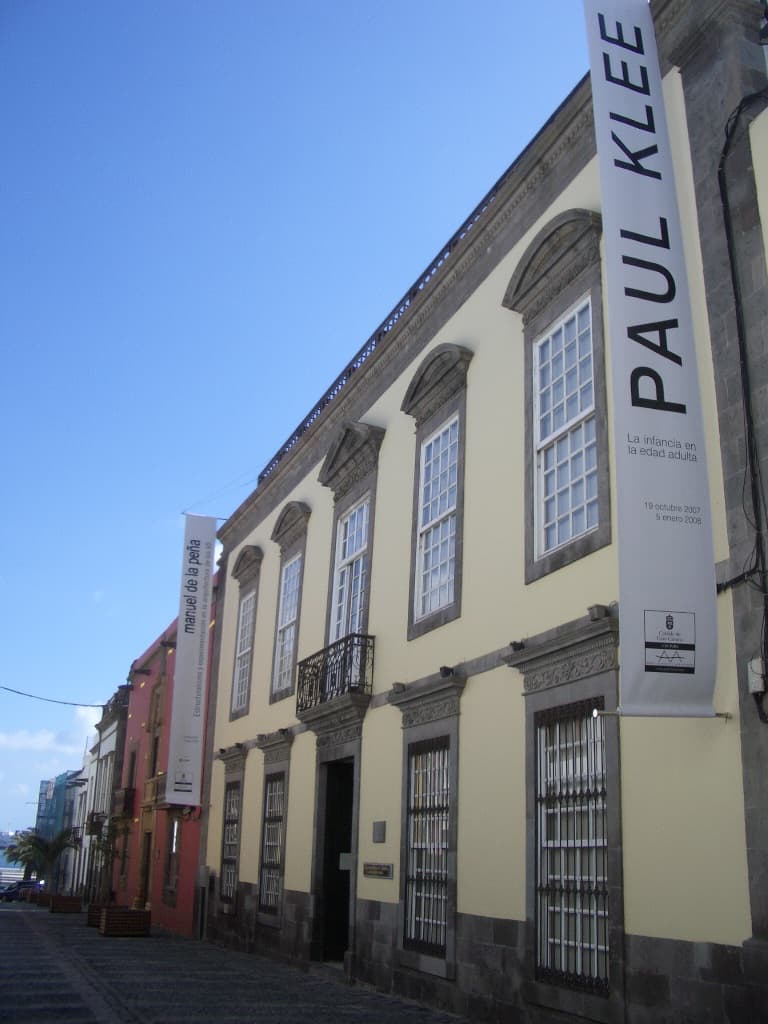
Centro Atlántico de Arte Moderno
Modern art hub in historic Vegueta streets
This stop introduces the Centro Atlántico de Arte Moderno (CAAM) as a key institution for contemporary and modern art in Las Palmas, housed within adapted historic buildings in Vegueta. The script should explain CAAM’s tricontinental focus, linking Europe, Africa and the Americas through exhibitions and collections. Architectural details of the restored facades and interior gallery spaces can illustrate how old urban fabric has been repurposed for new cultural uses. It should note how CAAM helped revitalize Vegueta in the late 20th century and mention a distinctive anecdote, such as a provocative exhibition that sparked local debate about public funding for avant‑garde art. The stop sets the tone of the tour as a journey through art, architecture, and urban change.
Museo Diocesano de Arte Sacro
Sacred art in the shadow of the Cathedral
This stop explores the Diocesan Museum of Sacred Art of Vegueta as a contrast to CAAM’s modernity, focusing on religious painting, sculpture, metalwork, and textiles connected to the nearby Cathedral of Santa Ana. The script should describe the historic rooms, carved wood, and stonework that frame the collection, stressing how these objects were made for devotion, processions, and liturgy rather than for galleries. It can explain the role of the Church and wealthy patrons in early Gran Canarian art, and how colonial trade routes influenced iconography and materials. A unique anecdote might involve a particular altarpiece or statue that survived a past conflict or natural disaster, becoming a focus of local gratitude and processions afterward. The stop should underscore shifts in patronage and meaning between sacred and modern art spaces.
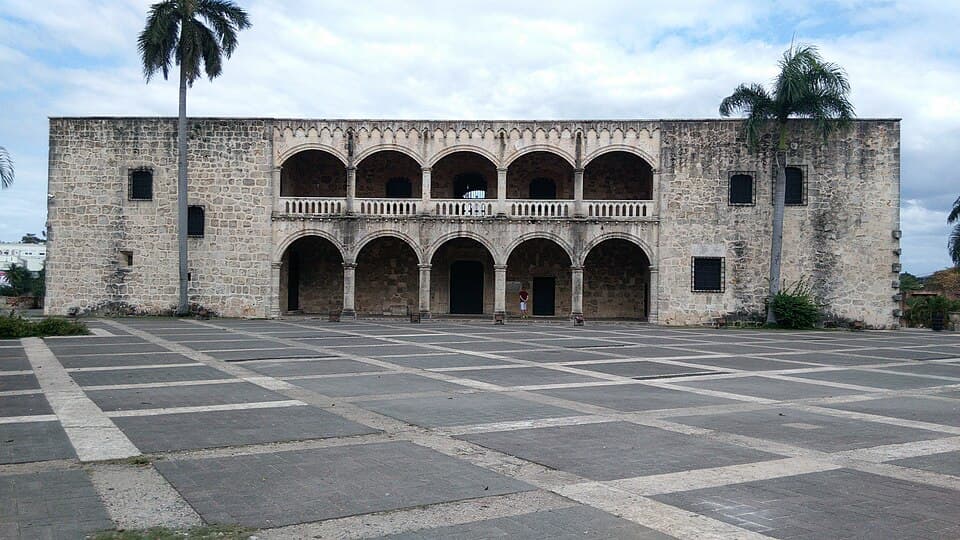
Casa de Colón Courtyard
Colonial courtyard with Atlantic-themed artworks
This stop uses the courtyard of Casa de Colón to highlight the city’s early Atlantic connections and the blend of myth and history around Christopher Columbus. The script should describe the ornate wooden balconies, stone portals, and sculptural details, as well as any courtyard statues, reliefs, or decorative motifs that reference ships, maps, or indigenous cultures. It should clarify that while Columbus’s brief presence in the Canaries is documented, many local legends about his exact stay here are embellished, and Casa de Colón functions mainly as a museum about broader transatlantic exchanges. A unique anecdote could involve a past exhibition in the courtyard that juxtaposed traditional navigation instruments with contemporary Atlantic-inspired installations, surprising visitors expecting only colonial history. This stop bridges sacred Vegueta and the more secular civic spaces that follow.
Plaza de Cairasco & Gabinete Literario
Literary society overlooking a lively urban plaza
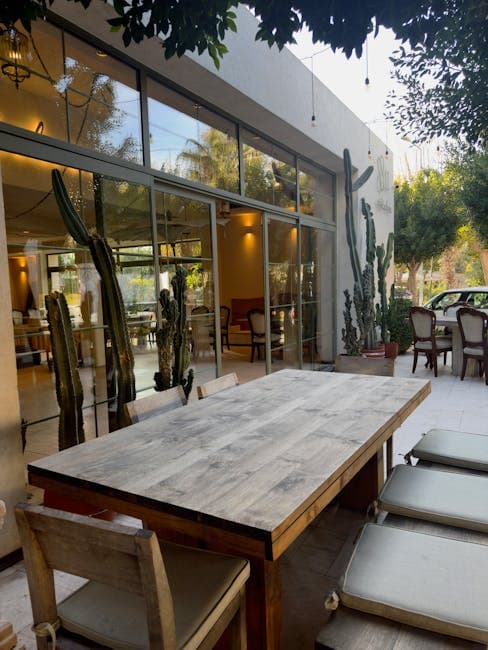
This stop focuses on Plaza de Cairasco as a cultural meeting place and the Gabinete Literario as a 19th-century literary and social club. The script should describe the eclectic architecture of the Gabinete’s facade, its balconies and decorative details, and the way cafés spill into the square, turning it into an outdoor living room for the city. It can outline how writers, politicians, and intellectuals once gathered in its salons for readings and debates, linking this to the emergence of a local bourgeois public sphere. A unique anecdote might recall a specific evening when a controversial play or political lecture inside the Gabinete sparked heated discussion that overflowed into the plaza’s café tables. The stop should emphasize the shift from religious to secular cultural spaces and from enclosed museums to open civic plazas.
Teatro Pérez Galdós
Historic theater honoring a famed Spanish novelist
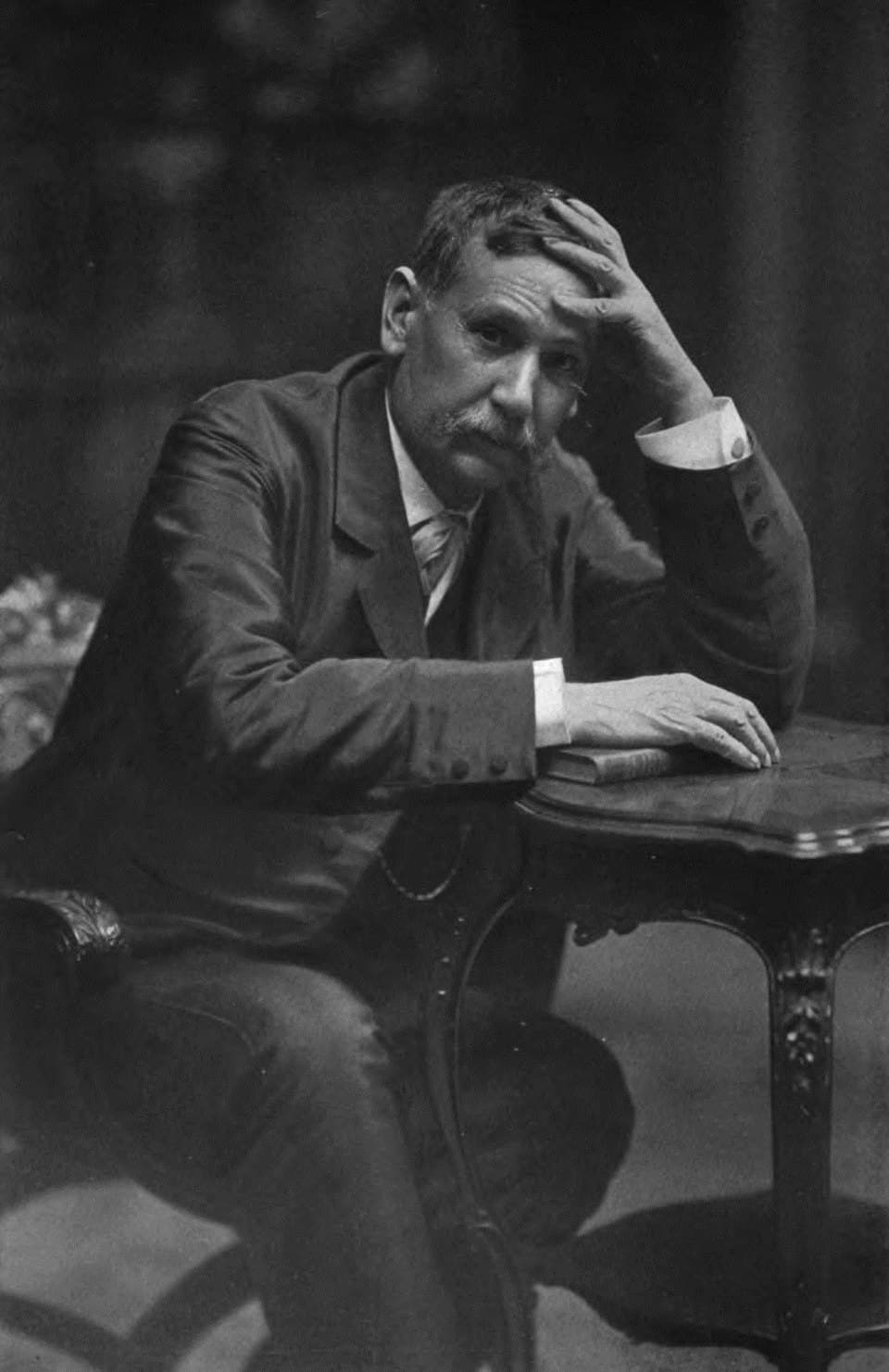
This stop presents the exterior and, if accessible, foyer of Teatro Pérez Galdós as symbols of formal performing arts and urban modernization in Las Palmas. The script should describe the theater’s architectural style, its main facade, sculptural decoration, and any notable interior features visible from the foyer, such as murals or chandeliers. It should connect the building to Benito Pérez Galdós, the influential novelist born in the city, and touch on his role in Spanish realist literature. The narration can explain how the theater has hosted opera, zarzuela, drama, and festivals, adding a unique anecdote about a remembered premiere or reopening night when the community celebrated its restoration after a major refurbishment. This stop links literary heritage with architectural grandeur and the city’s desire to be part of broader cultural circuits.
Parque de San Telmo
Bandstand, kiosks and everyday urban culture
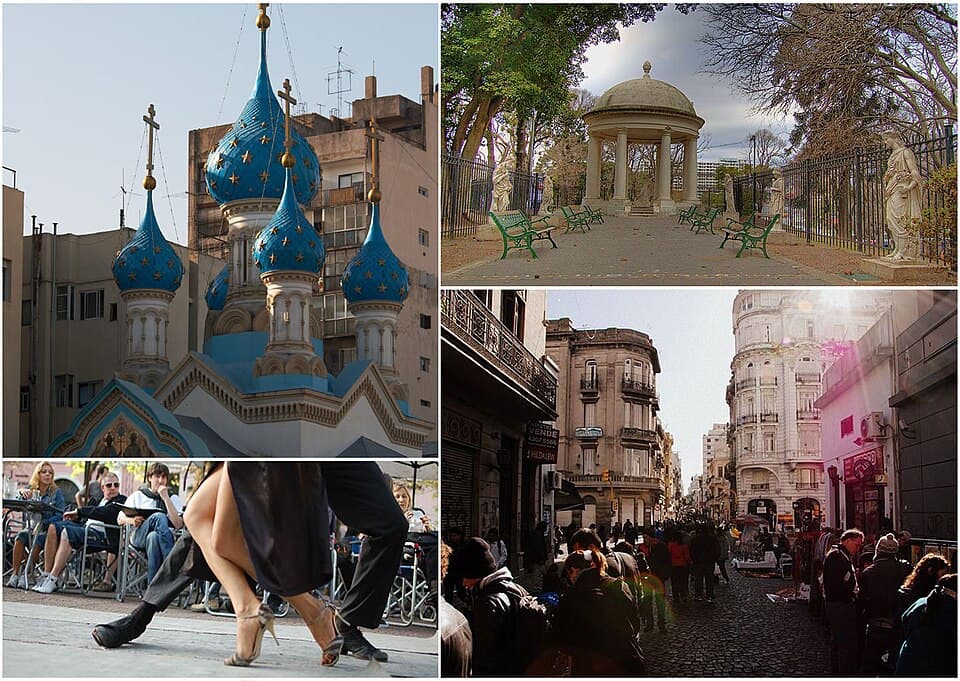
This stop examines Parque de San Telmo as a lively public space where music, children’s play, transit, and informal culture intersect. The script should highlight the decorative bandstand, small Art Deco or early 20th-century kiosks, tiled details, and the way the park opens towards the nearby transport hub. It can describe how band concerts, small festivals, and weekend gatherings have long given the park a popular, slightly bohemian atmosphere compared to more formal plazas. A unique anecdote might recount a beloved local music group that used to rehearse informally near the bandstand, drawing spontaneous crowds and eventually being invited to perform at larger city events. This stop emphasizes everyday cultural life and sound in contrast with the grander theater nearby.
Alameda de Colón
Tree-lined promenade of statues and memory
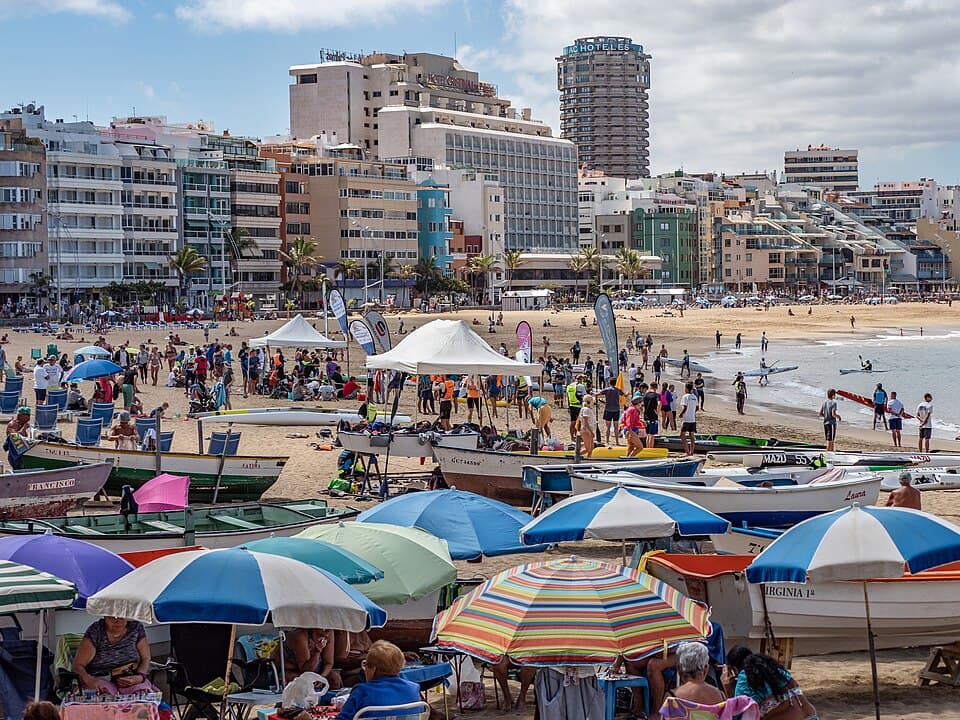
This stop uses Alameda de Colón to explore how the city inscribes memory into public space through statues, busts, and commemorative plaques. The script should describe the linear, tree-lined layout, benches, and the surrounding civic or historic buildings that frame the promenade. It can talk about selected figures represented in the sculptures—such as explorers, writers, or local politicians—and how their stories reflect changing values and identities over time. A unique anecdote might refer to public debate around the installation or relocation of a particular statue, illustrating how decisions about monuments can provoke strong opinions. This stop bridges the more intimate San Telmo park and the expansive seafront that follows, focusing on remembrance and civic narrative.
Avenida Marítima Seafront Art
Public sculpture along the busy Atlantic shoreline
This stop interprets the Avenida Marítima as both a major traffic artery and an evolving seafront cultural space, with public art attempting to reconnect residents to the ocean. The script should describe selected sculptures or installations visible from the pedestrian areas, noting materials, forms, and how they dialogue with sea, sky, and roadway. It can discuss late 20th-century urban planning efforts to balance infrastructure with quality of life, including the creation of pedestrian paths and viewpoints despite the highway. A unique anecdote might involve a particular seafront sculpture that initially puzzled drivers and passersby, later becoming a familiar landmark used in local directions and stories. This stop marks the transition from inner-city promenades to the open Atlantic horizon.
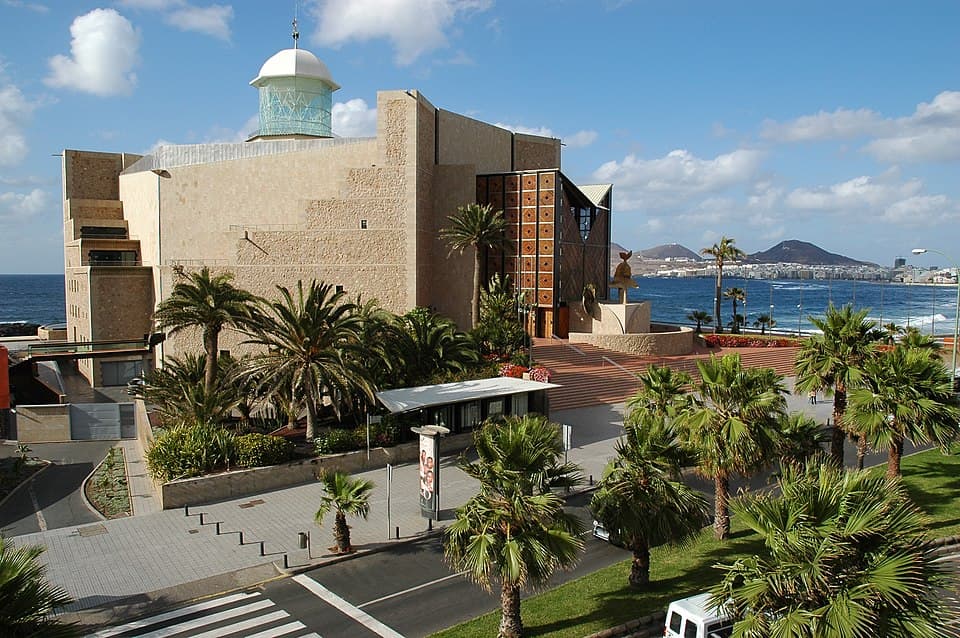
Auditorio Alfredo Kraus
Oceanfront concert hall facing the Atlantic waves
This final stop features the Auditorio Alfredo Kraus as a contemporary architectural landmark and musical center dramatically placed at the edge of the sea. The script should describe the building’s exterior volumes, use of stone and glass, sculptural elements, and its position overlooking the Atlantic and Las Canteras beach. It should explain who Alfredo Kraus was—a renowned tenor from Las Palmas—and how naming the auditorium after him connects local pride with international music. The narration can evoke the experience of concerts inside while listeners stand outside, mentioning a unique anecdote such as a memorable outdoor performance or stormy evening when waves crashed against the seawall during a concert, reinforcing the building’s relationship to the ocean. This stop should conclude the tour by tying together themes of art, architecture, Atlantic identity, and the city’s cultural evolution from Vegueta to the modern seafront.
Start This Tour
Download Roamway to experience this audio tour
Tour Details
Access
Free
Stops
9 points of interest
Languages
GermanEnglishSpanishFrench
More tours in Las Palmas De Gran Canaria
View all tours in Las Palmas De Gran CanariaOther tours you might enjoy:
Las Palmas: Vegueta History, Cathedral & Colonial Heritage
This tour explores the historic Vegueta quarter of Las Palmas de Gran Canaria, focusing on its main plazas, churches, and civic buildings. It covers sites such as Plaza de Santa Ana, Catedral de Santa Ana, Casa de Colón, and Museo Canario, highlighting urban development, colonial history, religious power, and traditional Canarian architecture.
Las Palmas: Vegueta to Triana Food and Bar Culture
This tour explores central Las Palmas de Gran Canaria from Vegueta’s historic produce market to the commercial and cultural district of Triana. It focuses on traditional markets, café terraces, and tapas and wine bar areas, highlighting local food habits, urban development, and the social role of plazas and streets in city life.
Las Palmas de Gran Canaria: Triana, San Telmo & Galdós
This tour explores the historic Triana district and the San Telmo area of Las Palmas de Gran Canaria, focusing on urban development from the 16th to 20th centuries. It includes parks, chapels, bridges, and cultural institutions while examining modernist, eclectic, and bourgeois architecture and the life and legacy of writer Benito Pérez Galdós.
Frequently Asked Questions
How do I start this audio tour?
Download the Roamway app, search for this tour, and tap 'Start Tour'. The app will guide you to the starting point using GPS. Once you're there, the audio narration begins automatically.
Do I need an internet connection?
No! Once you've downloaded the tour in the Roamway app, it works completely offline. The GPS navigation and audio narration function without an internet connection.
Can I pause and resume the tour?
Yes! You can pause the tour at any time and resume later. Your progress is automatically saved, so you can complete the tour over multiple sessions if needed.