
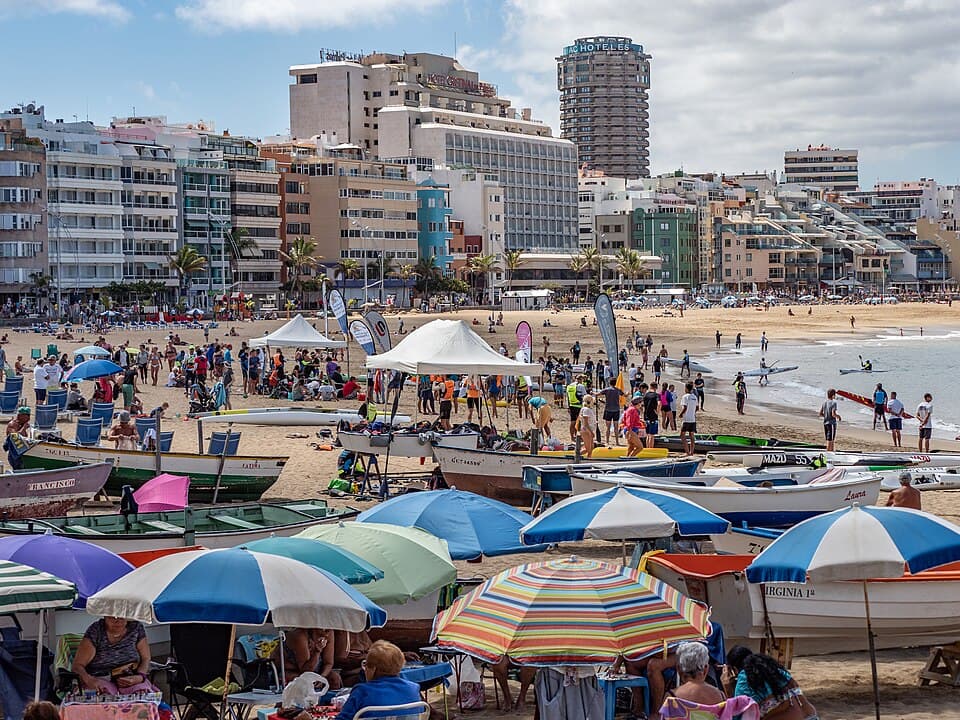
Las Palmas: Vegueta to Triana Food and Bar Culture
Las Palmas De Gran Canaria, España
Audio Preview
Listen to a sample of this audio tour to get a feel for the experience.
What You'll Experience
On this Las Palmas: Vegueta to Triana Food and Bar Culture audio tour in Las Palmas De Gran Canaria, you'll discover 9 carefully selected points of interest, each with its own story. The tour is designed to be completed at your own pace, with GPS navigation guiding you from one location to the next. As you approach each stop, the audio narration automatically begins, bringing history, culture, and local insights to life.
About This Tour
This tour explores central Las Palmas de Gran Canaria from Vegueta’s historic produce market to the commercial and cultural district of Triana. It focuses on traditional markets, café terraces, and tapas and wine bar areas, highlighting local food habits, urban development, and the social role of plazas and streets in city life.
Points of Interest
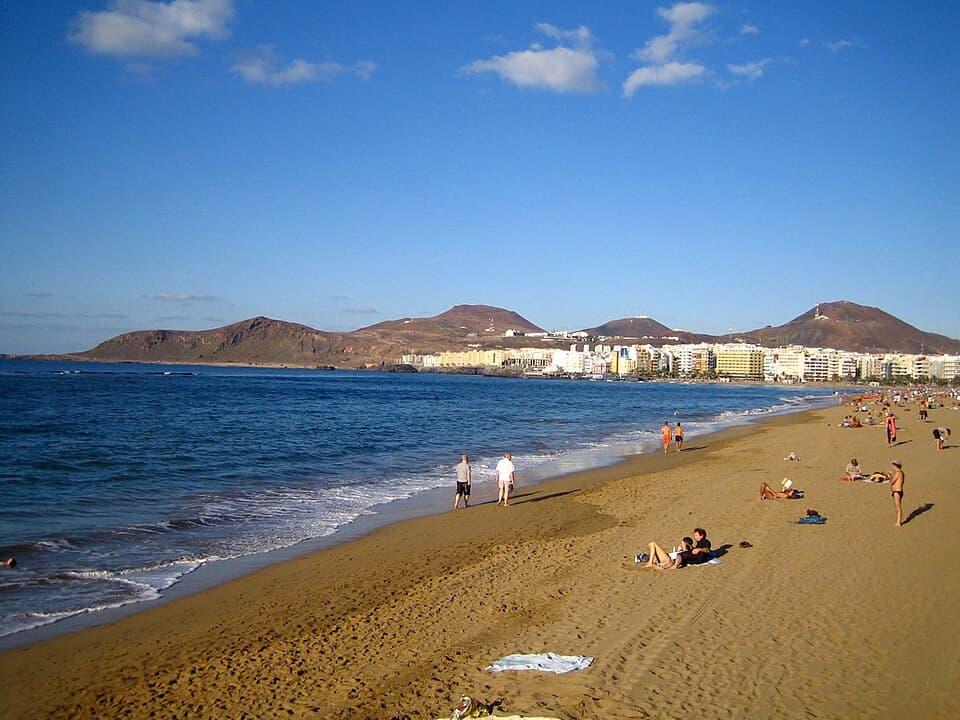
Mercado de Vegueta
Historic produce hall and lively tapas corner
This stop introduces Mercado de Vegueta as the historic food heart of Las Palmas, where island farmers and fishers have long supplied the city. The script should describe the iron-and-masonry market hall, colorful fruit and vegetable stalls, and counters offering cheeses, gofio, and local fish. It should explain how the market reflects the island’s agricultural and Atlantic trading history, from bananas and tomatoes to spices and wines. An anecdote might recall early-morning bargaining traditions between farmers and restaurant owners, or how certain tapas corners became informal meeting points for politicians and journalists. Another story can highlight how some families have held stalls here for generations, passing down recipes and client relationships.
Mercado de San Telmo
Commuter hub market with snacks and cafés
This stop presents Mercado de San Telmo as a more modest, everyday market tied to bus commuters and office workers. The narration should cover the building’s simple, functional design, its role next to the major bus station, and the mix of produce stalls, small bars, and snack counters. It should contrast the atmosphere here with Vegueta, showing how working people grab quick breakfasts, menu-of-the-day lunches, or late-afternoon coffees between trips. One anecdote could mention how early-bird workers line up at a particular bar for their first cortado and bocadillo before sunrise. Another could recall how the market became a refuge during occasional heavy rains or transport disruptions, with strangers sharing tables and food.
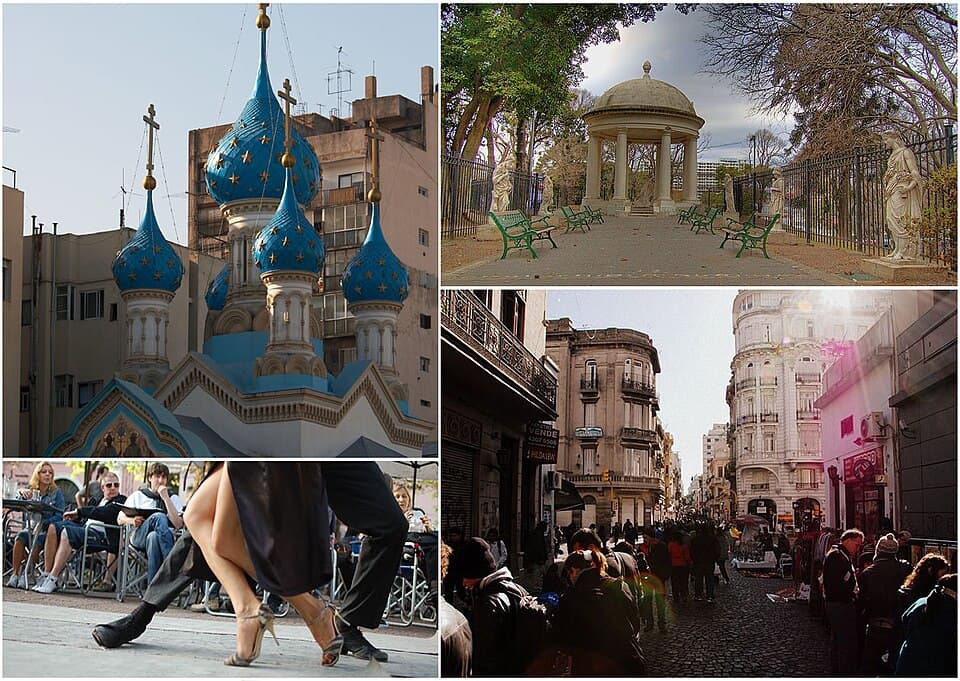
Parque de San Telmo
Shaded park framed by terrace cafés
This stop focuses on Parque de San Telmo as a shaded urban square where terraces blur the line between park and café. The guide should describe the mix of palm trees, kiosks, children’s play areas, and rows of outdoor tables along the park’s edges. It should explain how the park historically marked the boundary between Vegueta and Triana, and how travelers arriving by bus often pause here for coffee or a beer. One anecdote might recount how musicians and street performers sometimes turn the terraces into informal concert spaces on weekends. Another could evoke late-night scenes during local festivities, when kiosks extend hours and families linger under the park’s lights well past midnight.
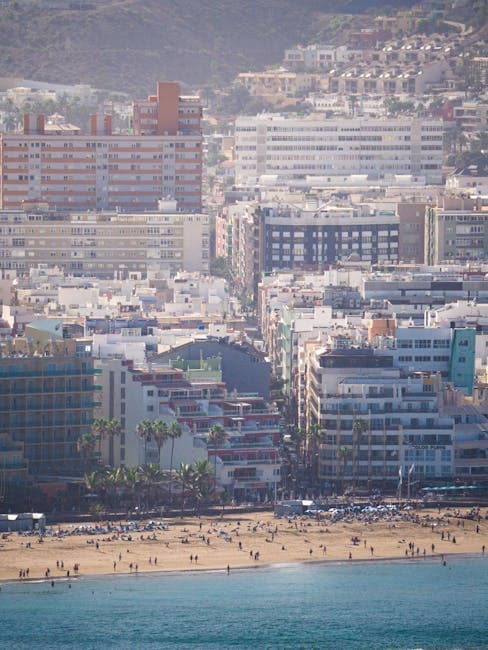
Calle Mayor de Triana
Historic shopping street with cafés and bakeries
This stop introduces Calle Mayor de Triana as the traditional shopping spine of Las Palmas, lined with historic buildings and modern stores. The narration should highlight architectural details like balconies, cornices, and occasional Art Nouveau or eclectic façades, noting how commercial activity moved here as the city grew beyond Vegueta. It should explain the culture of the paseo, the evening stroll, and how cafés, bakeries, and ice cream shops support that social ritual. One anecdote might recall childhood memories of families dressing up to window-shop on Sundays and treat themselves to pastries. Another could mention how some long-standing shops adapted, evolving from old-fashioned grocers or haberdasheries into contemporary cafés or gourmet delis.
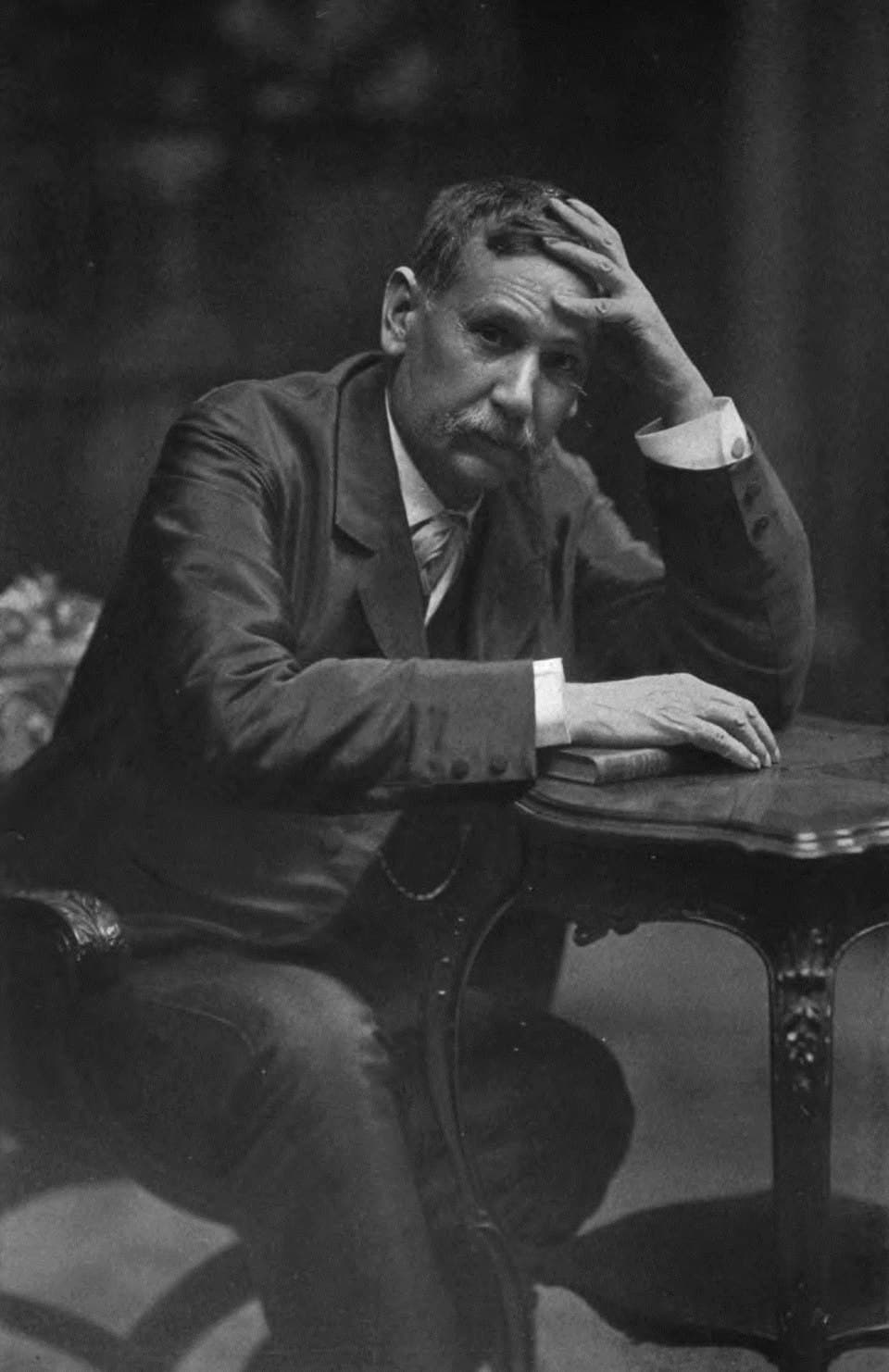
Calle Pérez Galdós
Calm street of cafés, wine and conversation
This stop focuses on Calle Pérez Galdós as a quieter, more intimate street branching from Triana, associated with cafés, wine bars, and slower conversation. The narration should describe narrower proportions, lower traffic, and the mix of traditional bars and newer, design-conscious venues. It should briefly explain who Benito Pérez Galdós was, linking his literary attention to everyday life with the street’s current café culture. One anecdote could évoque locals affectionately debating which bar pours the best local red or the coldest beer. Another might describe how some venues shift personality across the day, from laptop-friendly coffee spots in the morning to lively wine and tapas bars at night.
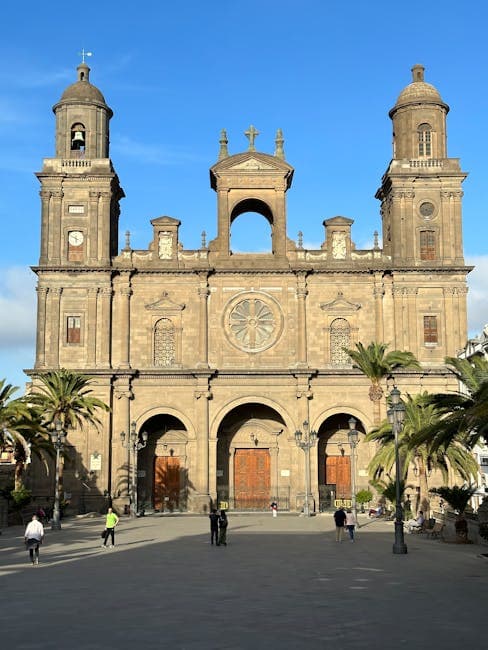
Plaza de las Ranas
Small square of bar terraces and books
This stop presents Plaza de las Ranas as a compact, characterful square where bar terraces share space with cultural institutions. The guide should point out surrounding buildings, including the library and nearby historic façades, and the cluster of outdoor tables under trees and awnings. It should discuss how the square functions as a meeting spot for students, office workers, and friends heading out for tapas. One anecdote might describe late-afternoon scenes of people mixing coffee cups with study notes and card games on the tables. Another could recall moments when local book fairs or cultural events spill into the square, temporarily turning bar terraces into makeshift reading corners and debate spaces.
Gabinete Literario
Elegant cultural building amid classic cafés
This stop uses the Gabinete Literario and its surroundings to explore the more refined side of Triana’s café culture. The narration should describe the building’s ornate façade, grand windows, and decorative details, explaining its historic role as a cultural and social club for the city’s bourgeoisie. It should highlight nearby elegant cafés and cake shops, and how terrace tables here feel slightly more formal than in other squares. One anecdote might reference literary gatherings or small theatrical evenings held inside, echoing out to the surrounding streets. Another could contrast the old image of gentlemen in suits discussing politics over coffee with today’s mix of tourists, locals, and laptop users sharing the same outdoor tables.
Triana Side-Street Tapas Bars
Modern tapas culture in narrow Triana alleys
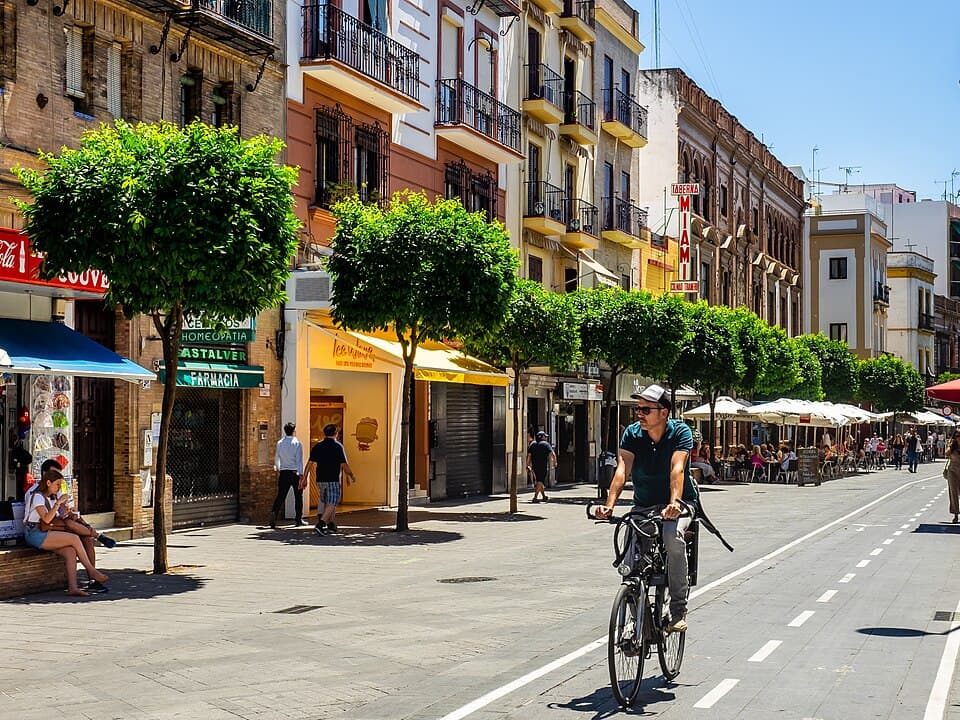
This stop explores the side streets branching off Triana that now host many of the area’s modern tapas and wine bars. The script should evoke narrower lanes, hanging signs, chalkboard menus, and the hum of conversation spilling from small doorways. It should discuss how younger chefs and bar owners have used these secondary streets to experiment with new takes on traditional dishes, craft beers, and wine lists. One anecdote might describe how a formerly quiet residential lane slowly filled with tables and string lights as one successful bar inspired others nearby. Another could note the habit of locals doing a mini “tapeo” circuit here, sharing a single dish or glass in each spot before moving to the next.
Plaza Hurtado de Mendoza
Relaxed local square for evening drinks
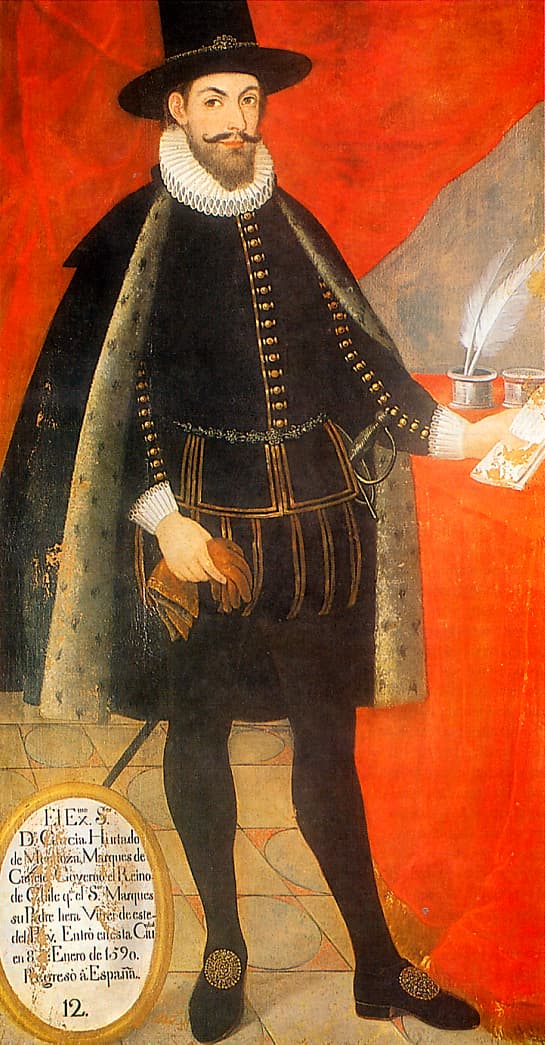
This final stop presents Plaza Hurtado de Mendoza as a more relaxed local hangout, slightly tucked away from Triana’s busiest stretches. The narration should describe its modest size, surrounding residential and mixed-use buildings, and the cluster of bars and cafés with outdoor seating. It should emphasize how the square shifts character across the day, from a quiet shortcut for pedestrians to a lively evening meeting point for neighbors and groups of friends. One anecdote might recount how some regulars have an almost ritual habit of meeting at the same table, day after day, for a beer and a chat. Another could highlight how children often play around the benches and planters while adults linger over one last drink, illustrating the multigenerational nature of local bar culture.
Start This Tour
Download Roamway to experience this audio tour
Tour Details
Access
Free
Stops
9 points of interest
Languages
GermanEnglishSpanishFrench
More tours in Las Palmas De Gran Canaria
View all tours in Las Palmas De Gran CanariaOther tours you might enjoy:
Las Palmas: Vegueta History, Cathedral & Colonial Heritage
This tour explores the historic Vegueta quarter of Las Palmas de Gran Canaria, focusing on its main plazas, churches, and civic buildings. It covers sites such as Plaza de Santa Ana, Catedral de Santa Ana, Casa de Colón, and Museo Canario, highlighting urban development, colonial history, religious power, and traditional Canarian architecture.
Las Palmas de Gran Canaria: Triana, San Telmo & Galdós
This tour explores the historic Triana district and the San Telmo area of Las Palmas de Gran Canaria, focusing on urban development from the 16th to 20th centuries. It includes parks, chapels, bridges, and cultural institutions while examining modernist, eclectic, and bourgeois architecture and the life and legacy of writer Benito Pérez Galdós.
Las Palmas: La Isleta, Port History & Las Canteras
This coastal tour in Las Palmas de Gran Canaria follows the waterfront from the sports marina and commercial port to the full length of Las Canteras Beach and La Isleta. It covers viewpoints, urban parks, and promenades while explaining port development, defensive history, local marine life, and the city’s modern seaside culture.
Frequently Asked Questions
How do I start this audio tour?
Download the Roamway app, search for this tour, and tap 'Start Tour'. The app will guide you to the starting point using GPS. Once you're there, the audio narration begins automatically.
Do I need an internet connection?
No! Once you've downloaded the tour in the Roamway app, it works completely offline. The GPS navigation and audio narration function without an internet connection.
Can I pause and resume the tour?
Yes! You can pause the tour at any time and resume later. Your progress is automatically saved, so you can complete the tour over multiple sessions if needed.