
Las Palmas: La Isleta, Port History & Las Canteras
Las Palmas De Gran Canaria, España
Audio Preview
Listen to a sample of this audio tour to get a feel for the experience.
What You'll Experience
On this Las Palmas: La Isleta, Port History & Las Canteras audio tour in Las Palmas De Gran Canaria, you'll discover 9 carefully selected points of interest, each with its own story. The tour is designed to be completed at your own pace, with GPS navigation guiding you from one location to the next. As you approach each stop, the audio narration automatically begins, bringing history, culture, and local insights to life.
About This Tour
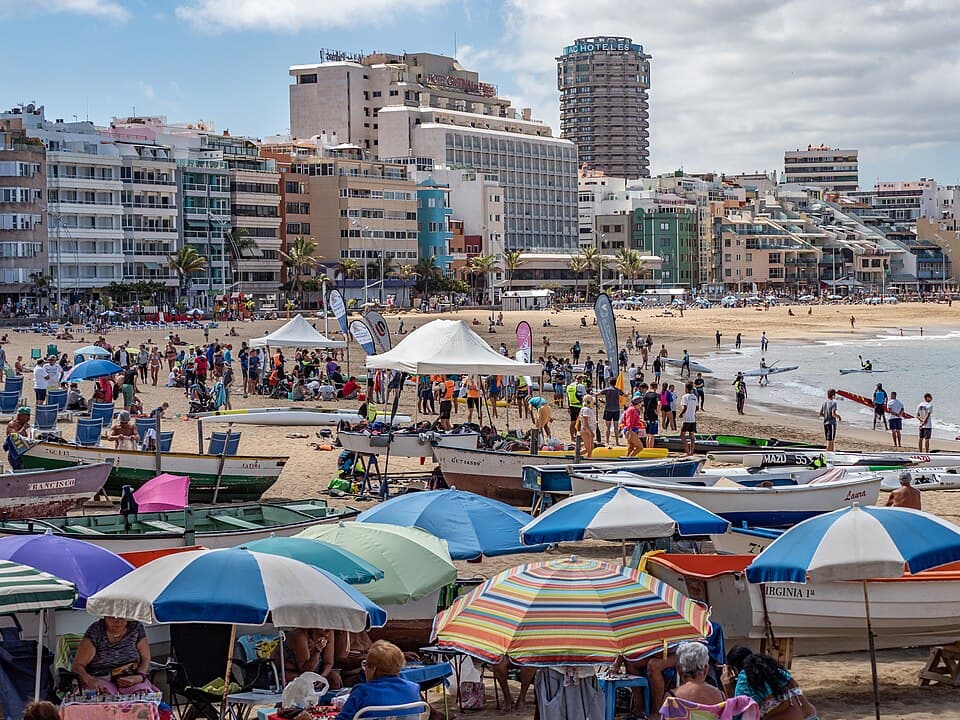
This coastal tour in Las Palmas de Gran Canaria follows the waterfront from the sports marina and commercial port to the full length of Las Canteras Beach and La Isleta. It covers viewpoints, urban parks, and promenades while explaining port development, defensive history, local marine life, and the city’s modern seaside culture.
Points of Interest
Muelle Deportivo Marina
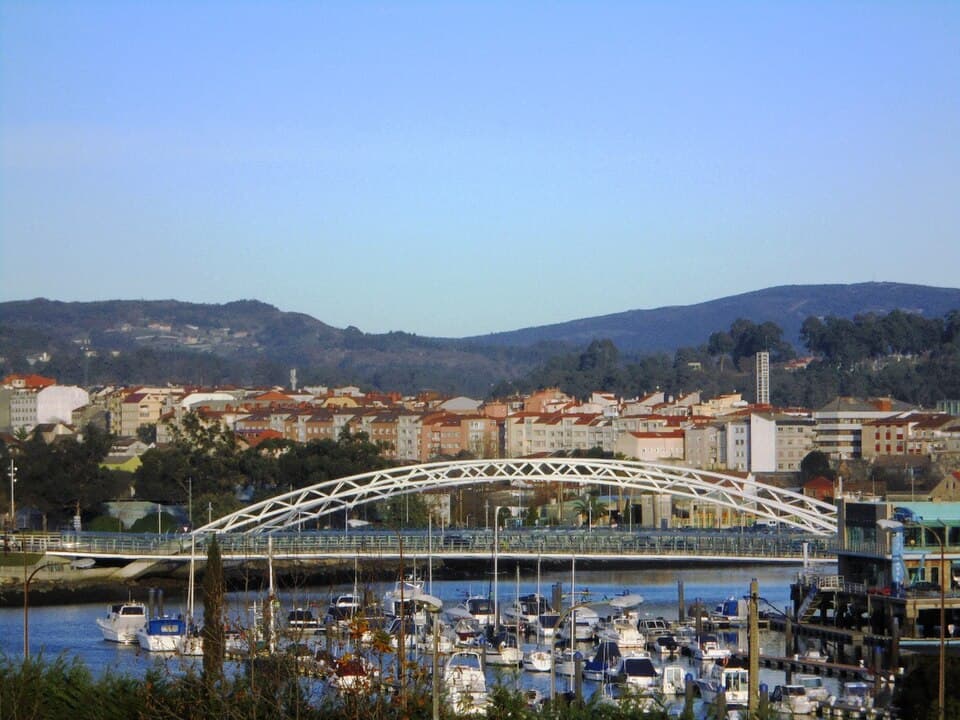
Sports marina gateway to port and promenade
This stop introduces the sports marina (Muelle Deportivo) and adjacent waterfront promenade as the southern entry point to the tour. The script should describe the contrast between leisure boats, sailing schools, and the larger cargo and cruise ships visible further away. It should outline how the marina area expanded as Puerto de la Luz grew, shifting older port functions outward and freeing inner docks for recreation. Mention local sailing culture and the role of the marina in transatlantic rallies or long‑distance cruising traditions, emphasizing seasonal buzz when ocean‑crossing yachts gather here. An anecdote can highlight how small local fishing or sailing families now dock beside international crews preparing for Atlantic crossings, underlining Las Palmas’ role as a stepping stone between continents.
Poema del Mar Exterior
Aquarium facade beside docks and causeway
This stop focuses on the exterior of Poema del Mar Aquarium and its surroundings as a bridge between city, port, and sea. The script should describe the building’s distinctive architecture and murals, as well as its location beside roads, walkways, and port structures. It should introduce local marine biodiversity and the idea of the Canary Islands as an underwater crossroads, without going inside the aquarium. An anecdote might recount how local divers and biologists campaigned to showcase Canarian marine life, helping inspire public attention to reefs, seagrass meadows, and pelagic species. Another anecdote can touch on how nearby fishermen or port workers once saw many of these same species directly from the breakwaters before tourism and infrastructure reshaped the shoreline.
El Muelle Terrace Views
Elevated panorama over port and cruise docks
This stop uses the upper terrace of Centro Comercial El Muelle for a wide panorama over Puerto de la Luz, the cruise dock, and nearby city blocks. The script should guide listeners as they pick out landmarks: cranes, ferry terminals, oil platforms or repair docks, and the curve of the bay toward La Isleta. It should explain how the port grew into a major Atlantic coaling and provisioning stop, later evolving into a modern container, ferry, and cruise hub. One anecdote can describe a particular era when coal bunkering or later fuel bunkering made the harbor a hive of activity, with ships from multiple empires lining up for supplies. Another might recall a notable historic ship or class of liners frequently seen here, showing how Las Palmas connected remote Atlantic routes to European and African ports.
Castillo de la Luz
Old fortress amid modern park and port
This stop centers on Castillo de la Luz and its surrounding park as a physical reminder of Las Palmas’ defensive origins near the harbor. The script should describe the squat stone structure, its bastions and limited openings, and how it once sat closer to the waterline before land reclamation. It should outline the castle’s role in defending the anchorage from pirate raids and rival European powers during early Atlantic expansion. An anecdote can recount a specific attack or siege, emphasizing how local defenders and townspeople used the fort and nearby batteries to repel invaders. Another anecdote may mention how, after its military importance faded, the castle was neglected and later restored, eventually gaining a new life as a cultural and exhibition space within a landscaped urban park.
Puerto de la Luz Viewpoints
Ground-level look at working commercial port
This stop uses safe public viewpoints near Puerto de la Luz to focus on contemporary port operations, container yards, ferries, and ship repair zones. The script should draw attention to moving cranes, stacked containers, tugboats, and the different ship types usually visible. It should explain the economic importance of the port for the Canary Islands, from imports and exports to passenger ferries linking other islands and nearby continents. An anecdote can describe how a major storm, shipping incident, or logistical bottleneck once disrupted traffic, highlighting the port’s vulnerability and centrality. Another could explore how port work has modernized, comparing older manual stevedoring to today’s mechanized container handling and specialized yards for repair and offshore support vessels.
Avenida de Las Canteras
Southern access where port meets beach city
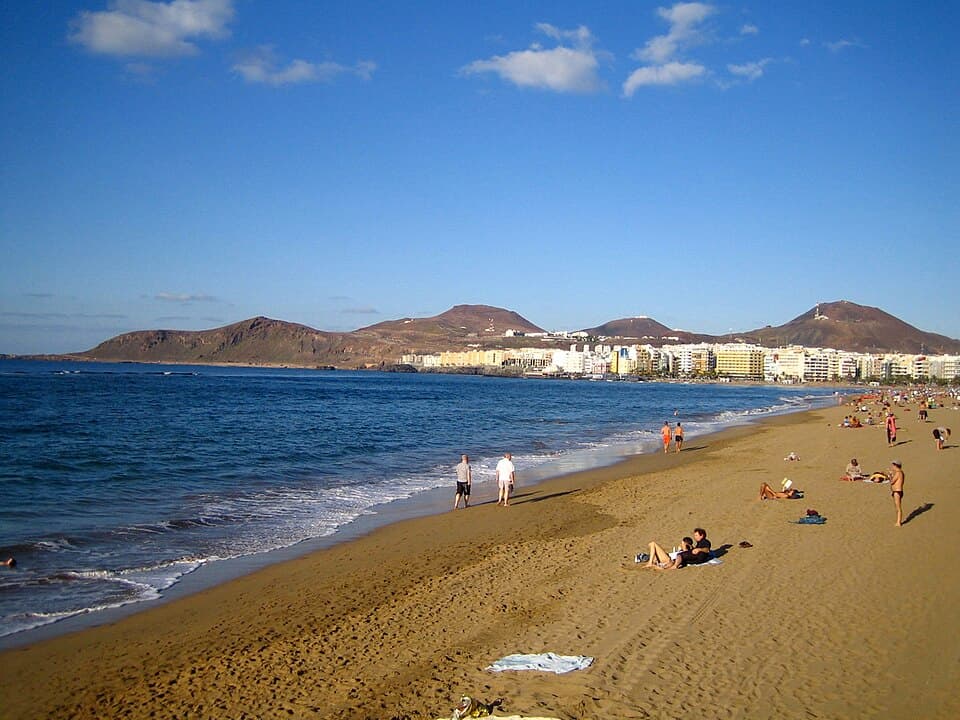
This stop marks the southern access to Avenida de Las Canteras, where the atmosphere shifts from port infrastructure to beach-focused streets. The script should explain how this junction historically separated the working docks and La Isleta neighborhood from the emerging seaside residential and hotel zones. It can describe nearby buildings, traffic flows, and the first glimpses of Las Canteras Beach as the listener approaches the seafront. An anecdote may highlight how early local families began coming here for sea bathing before mass tourism, slowly redefining the area’s identity. Another could describe the transformation of small guesthouses and simple bars into a dense strip of apartments, cafes, and tourist services as Las Palmas’ beach culture expanded in the late 20th century.
Paseo de Las Canteras
Beachfront promenade of daily seaside life
This stop focuses on the Paseo de Las Canteras itself, the paved promenade running parallel to the beach and lined with cafes, apartments, and small hotels. The script should capture the social life here: morning walkers, families, street musicians, and evening strollers. It should touch on how the promenade was widened and reshaped over time to reduce traffic, encourage pedestrians, and protect the beachfront. An anecdote may describe a local festival, open‑air concert, or New Year’s celebration that regularly spills onto the promenade. Another might mention how local residents fiercely defended pedestrian priority and beach views in planning debates, helping keep tall car‑oriented developments from dominating the seafront.
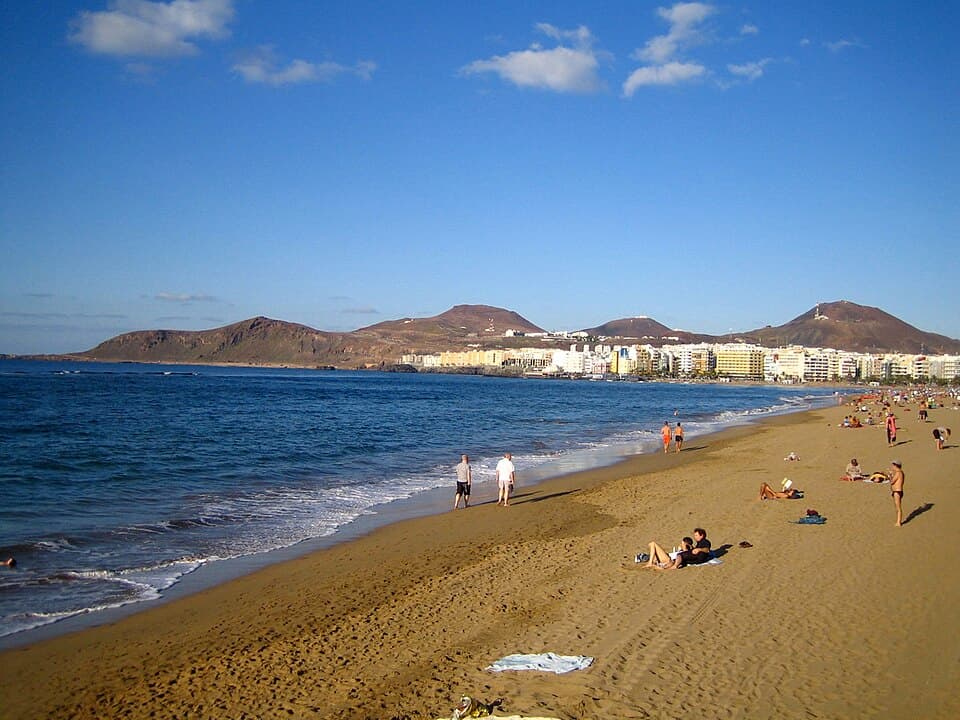
Playa de Las Canteras
Central bay, reef, and La Cícer surf zone
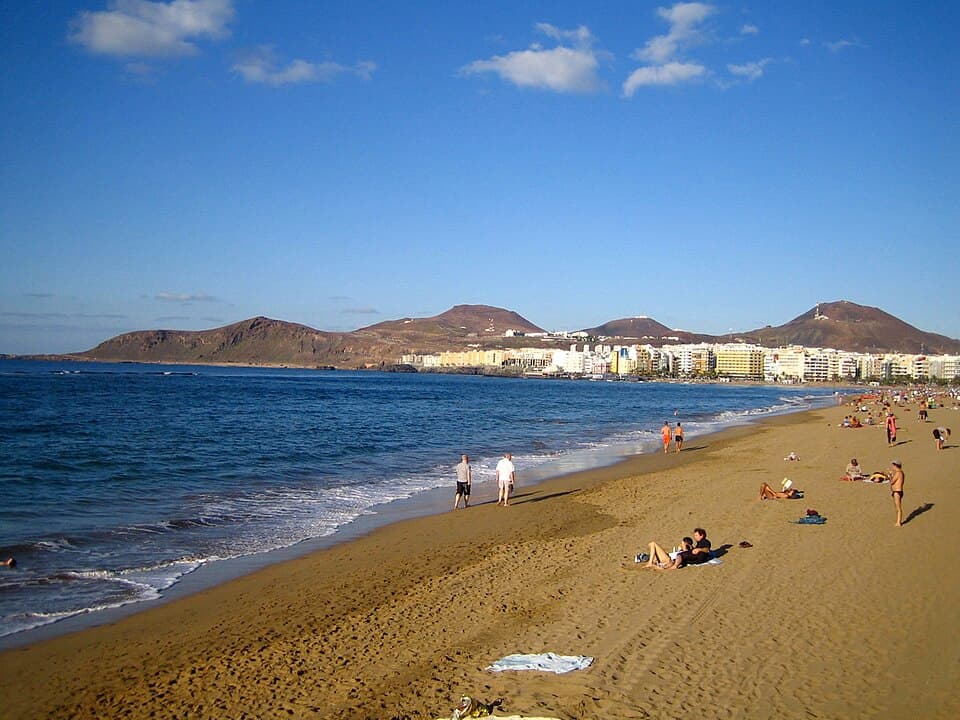
This stop examines the beach itself, especially the central stretch and the surf zone around La Cícer. The script should describe the curve of golden sand, the protective offshore reef known as La Barra, and how wave conditions change along the bay. It should introduce surfing culture at La Cícer, surf schools, and how locals learn to read tides and swells. One anecdote can recall how early surfers in the late 20th century improvised boards or imported gear, gradually building a scene that attracted international visitors. Another may focus on the environmental role of the reef and nearby rocky bottoms, such as local efforts to monitor erosion or preserve marine habitats that support fish, octopus, and other species just offshore.
Punta Brava And La Isleta
Rugged northern end overlooking open Atlantic
This final stop looks at Punta Brava and the edges of La Isleta, where the sheltered bay of Las Canteras gives way to rougher Atlantic swells and rocky coast. The script should describe the change in scenery: darker volcanic rock, stronger waves, and views toward open sea and distant horizons. It should connect La Isleta’s geology and traditional working‑class character with its strategic position guarding approaches to the port and bay. An anecdote could recall stories from local fishers or sea swimmers who favored this wilder stretch despite its dangers, contrasting it with the calmer central beach. Another might evoke how residents once watched naval exercises or passing military convoys from these headlands, reinforcing the area’s longstanding role as a lookout over Atlantic routes.
Start This Tour
Download Roamway to experience this audio tour
Tour Details
Access
Free
Stops
9 points of interest
Languages
GermanEnglishSpanishFrench
More tours in Las Palmas De Gran Canaria
View all tours in Las Palmas De Gran CanariaOther tours you might enjoy:
Las Palmas: Vegueta History, Cathedral & Colonial Heritage
This tour explores the historic Vegueta quarter of Las Palmas de Gran Canaria, focusing on its main plazas, churches, and civic buildings. It covers sites such as Plaza de Santa Ana, Catedral de Santa Ana, Casa de Colón, and Museo Canario, highlighting urban development, colonial history, religious power, and traditional Canarian architecture.
Las Palmas: Vegueta to Triana Food and Bar Culture
This tour explores central Las Palmas de Gran Canaria from Vegueta’s historic produce market to the commercial and cultural district of Triana. It focuses on traditional markets, café terraces, and tapas and wine bar areas, highlighting local food habits, urban development, and the social role of plazas and streets in city life.
Las Palmas de Gran Canaria: Triana, San Telmo & Galdós
This tour explores the historic Triana district and the San Telmo area of Las Palmas de Gran Canaria, focusing on urban development from the 16th to 20th centuries. It includes parks, chapels, bridges, and cultural institutions while examining modernist, eclectic, and bourgeois architecture and the life and legacy of writer Benito Pérez Galdós.
Frequently Asked Questions
How do I start this audio tour?
Download the Roamway app, search for this tour, and tap 'Start Tour'. The app will guide you to the starting point using GPS. Once you're there, the audio narration begins automatically.
Do I need an internet connection?
No! Once you've downloaded the tour in the Roamway app, it works completely offline. The GPS navigation and audio narration function without an internet connection.
Can I pause and resume the tour?
Yes! You can pause the tour at any time and resume later. Your progress is automatically saved, so you can complete the tour over multiple sessions if needed.