
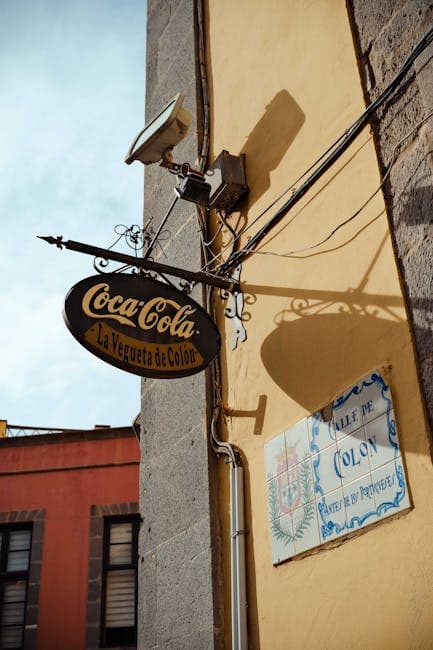
Las Palmas: Vegueta & Triana Evening Tapas and Nightlife
Las Palmas De Gran Canaria, España
Audio Preview
Listen to a sample of this audio tour to get a feel for the experience.
What You'll Experience
On this Las Palmas: Vegueta & Triana Evening Tapas and Nightlife audio tour in Las Palmas De Gran Canaria, you'll discover 9 carefully selected points of interest, each with its own story. The tour is designed to be completed at your own pace, with GPS navigation guiding you from one location to the next. As you approach each stop, the audio narration automatically begins, bringing history, culture, and local insights to life.
About This Tour
This tour explores the historic quarters of Vegueta and Triana in Las Palmas de Gran Canaria during the evening. It covers main squares, traditional streets, and modern nightlife areas, focusing on local tapas culture, bar terraces, and late cafés. Architectural surroundings and the contrast between quiet plazas and lively nightlife zones are highlighted.
Points of Interest
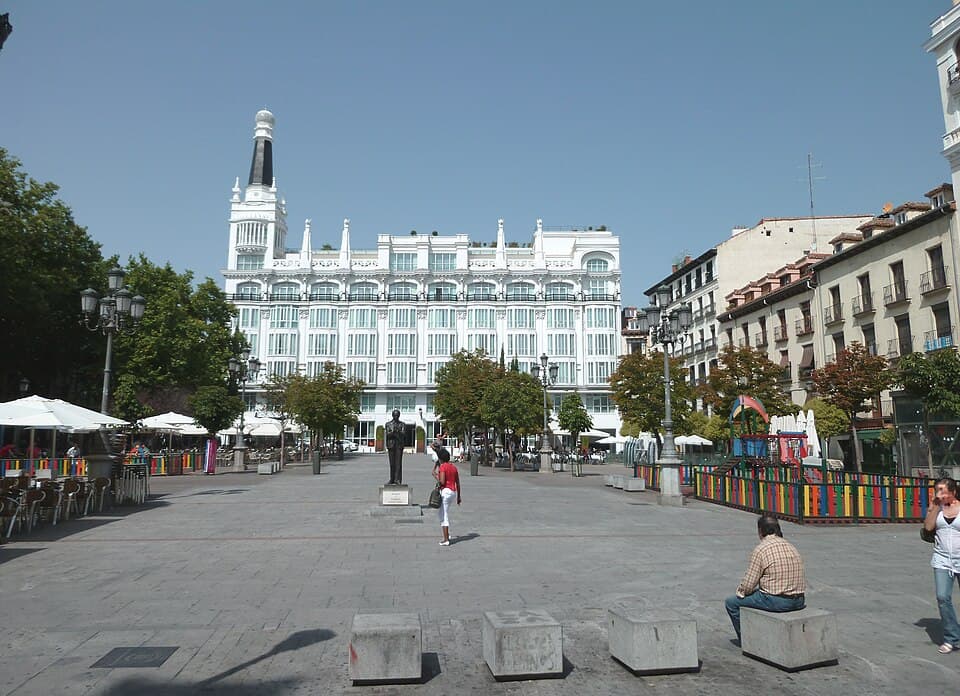
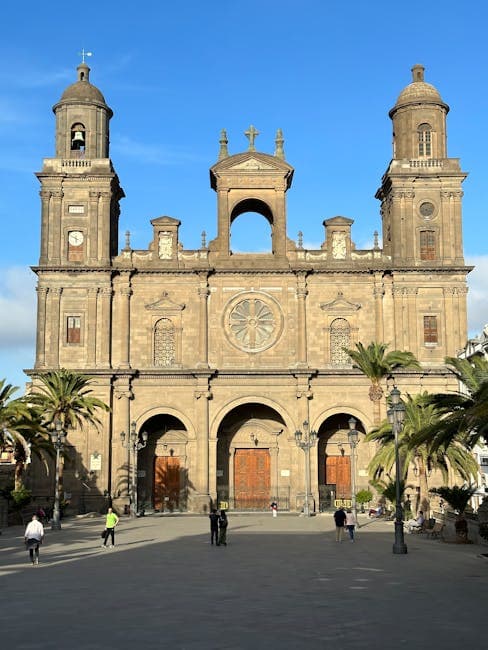
Plaza de Santa Ana
Cathedral square turns atmospheric at dusk
This stop presents Plaza de Santa Ana as the ceremonial heart of Vegueta, framed by the cathedral, town hall, and historic houses. The script should explain how this square reflects the early colonial origins of Las Palmas and its role as the civic and religious center. Architectural details like the cathedral façade, neoclassical public buildings, stone dogs, and surrounding balconies are important. Culturally, it sets the scene for evening life, when lights come on and people move between religious events, cafés, and bars nearby. A unique anecdote can focus on the local affection for the stone dog statues, and how they’ve quietly become informal meeting points and photo mascots for residents at night.

Calle Mendizábal
Vegueta’s main nightlife and tapas street
This stop focuses on Calle Mendizábal as Vegueta’s central bar street, lined with old houses converted into lively tapas bars and terraces. The narration should highlight how traditional Canarian architecture, with stone doorways and wooden balconies, now hosts modern nightlife. It can explain tapas culture in the islands, including shared plates, local cheeses, and wines, and how evenings stretch late. A unique anecdote could mention how on certain evenings the street feels like a continuous open-air bar, with locals informally arranging tapeo routes from one favorite spot to the next, treating the street itself almost like a communal living room.
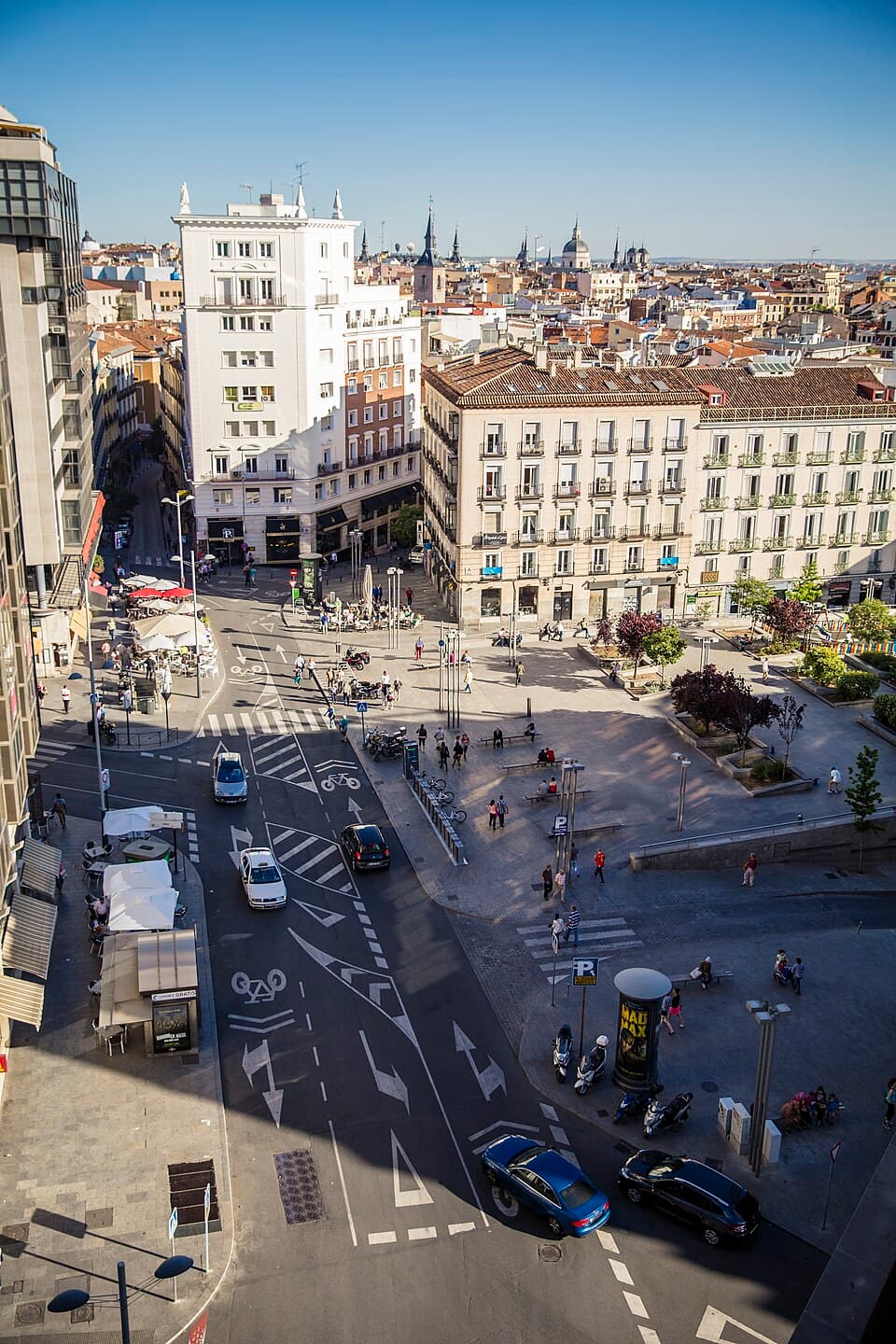
Plaza de Santo Domingo
Historic square with relaxed evening terraces
This stop presents Plaza de Santo Domingo as a smaller, more intimate square framed by a church and traditional houses, with café and bar terraces around the edges. The script should describe the church façade, paving, and lanterns, and how the square shifts from daytime quiet to a cozy evening atmosphere. Historically, it can be tied to local religious life and neighborhood gatherings. A unique anecdote might note how, during certain local celebrations, neighbors decorate the square with simple lights or floral elements, giving visitors the feeling of having stepped into a village fiesta hidden inside the city at night.
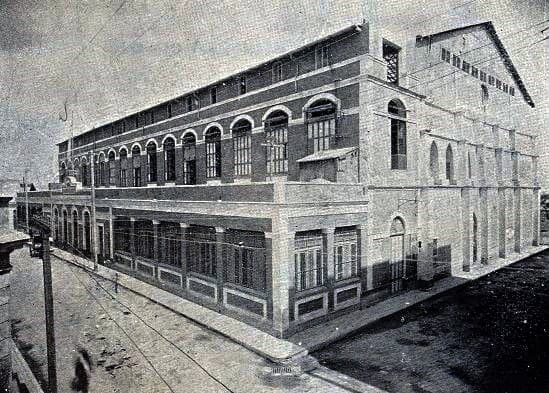
Calle Pelota
Restaurant-lined street for dining and wine
This stop focuses on Calle Pelota as a narrow, atmospheric street connecting the cathedral area with a concentration of restaurants and wine bars. The narration should emphasize its perspective view toward the cathedral towers or nearby façades, and the way tables and menus line the stone pavement. It can discuss local dining customs, such as unhurried dinners and multiple courses shared among friends. A unique anecdote could describe how some longtime residents recall this street as primarily residential, and how the gradual arrival of restaurants created a ritual of strolling along Pelota to read menus before choosing a spot, turning window-shopping for food into part of the evening routine.
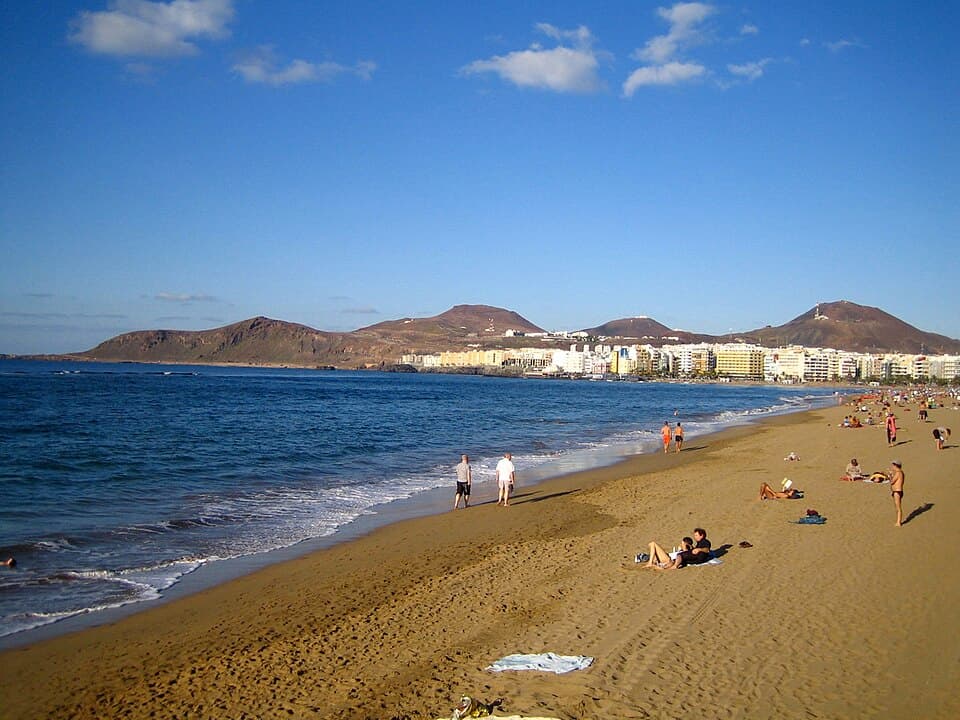
Mercado de Vegueta
Historic market surrounded by evening tapas spots
This stop highlights the area around Mercado de Vegueta, focusing less on daytime stalls and more on the evening transformation as surrounding streets host tapas venues and informal gatherings. The script should briefly describe the market building’s exterior style and its role in local food culture. Evening context includes bars using fresh produce and seafood typical of island cuisine. A unique anecdote could mention how some locals enjoy a pattern of shopping at the market earlier in the day and returning at night to nearby bars, joking that they first meet the ingredients and later meet their cooked cousins over a glass of wine.
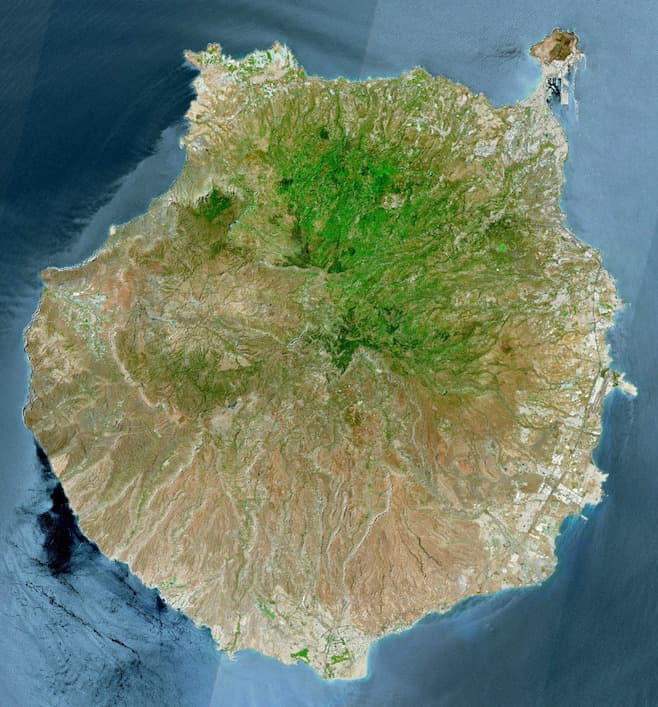
Plaza del Espíritu Santo
Quiet historic corner with fountain and chapel
This stop introduces Plaza del Espíritu Santo as a serene, slightly hidden square known for its stone fountain, nearby chapel, and elegant surrounding houses. The narration should emphasize the sense of calm and the way the square feels at dusk, with softer lighting and fewer crowds than nearby bar streets. Historically, it can be associated with older religious and civic life on the edge of Vegueta’s core. A unique anecdote might recall how some locals treat this square as a reflective pause during evening walks, using the bench-lined edges and the sound of the fountain as a kind of informal open-air sitting room before rejoining the livelier nightlife streets.
Vegueta–Triana Crossing
Transition from old Vegueta to lively Triana
This stop covers the crossing area between Vegueta and Triana, explaining the historical separation by a ravine and how urban growth eventually joined the two quarters. The narration should orient visitors as they move from older stone streets into a more commercial, 19th–20th century grid. It can highlight changes in building styles, shopfronts, and nightlife focus. A unique anecdote might describe how older residents still speak of “going over to Triana” as if crossing into another small town, reflecting a time when the two quarters had distinct identities even though they are now seamlessly connected in the evening flow of pedestrians and bar-goers.
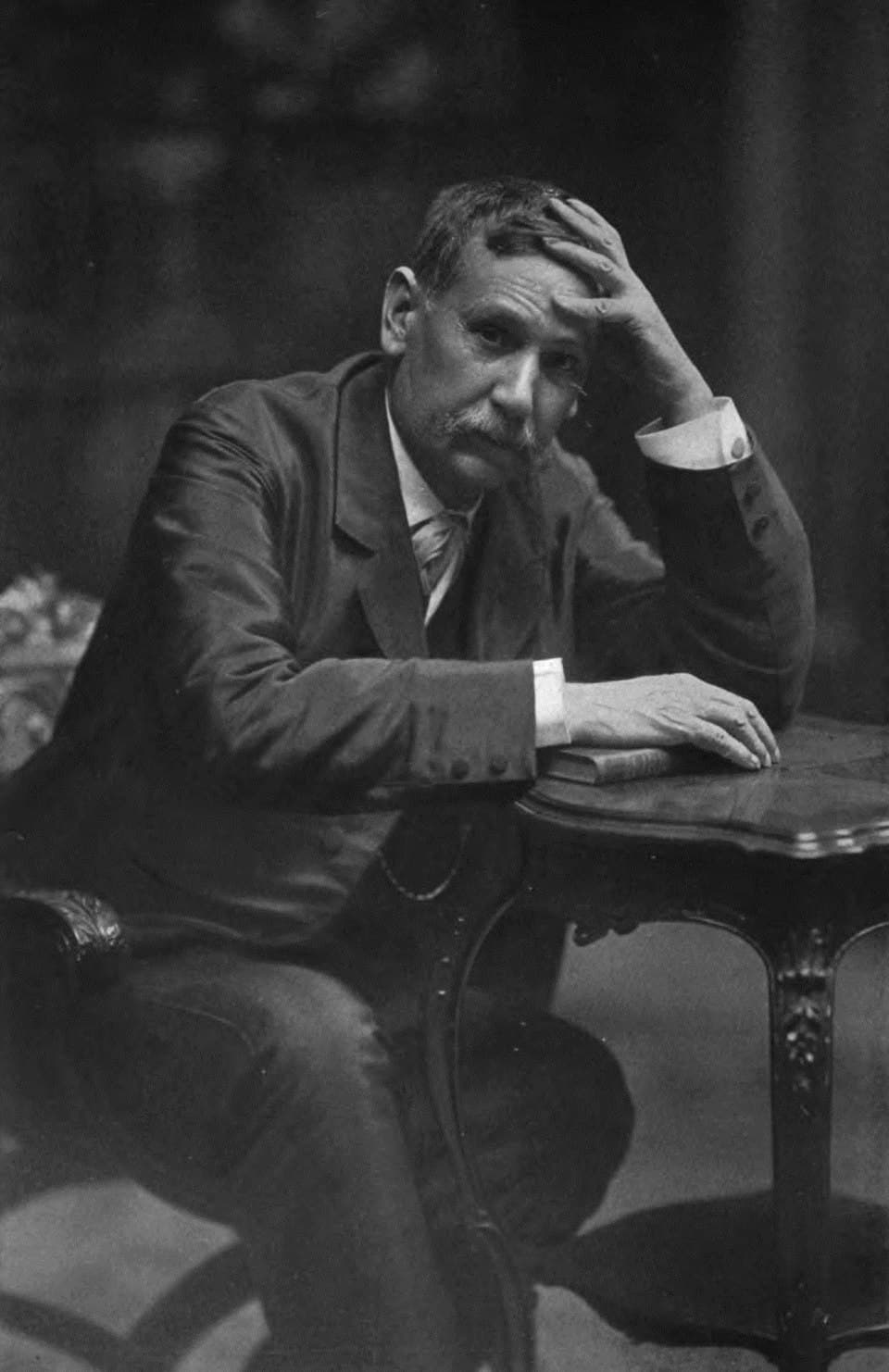
Calle Pérez Galdós
Triana street of cocktail and wine bars
This stop focuses on Calle Pérez Galdós as a Triana nightlife street named after the famous writer Benito Pérez Galdós, who was born in Las Palmas. The narration should tie the street’s name to local literary pride while describing its contemporary role as a place for cocktail bars, wine bars, and small eateries. Architectural details can include refurbished façades and a mix of older houses with modern interiors. A unique anecdote could mention how some bars subtly allude to literature or storytelling in their décor or menus, creating a playful nod to the author whose name visitors see on the street sign as they sip drinks late into the evening.
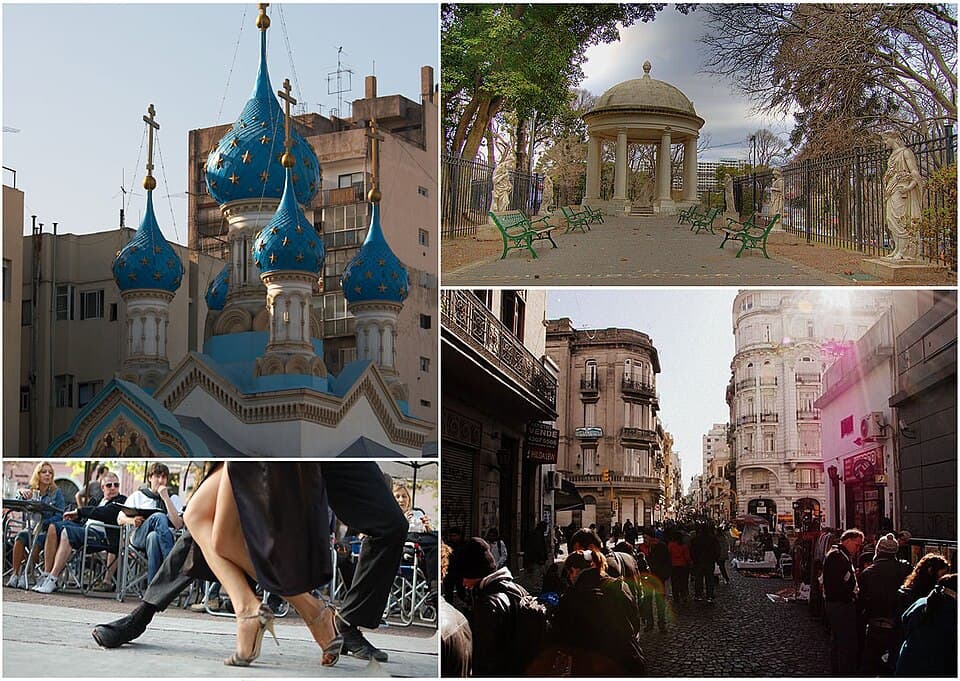
Parque de San Telmo
Park kiosks and cafés for late-night pauses
This final stop presents Parque de San Telmo as a green, open space at the edge of Triana, framed by kiosks, cafés, and the nearby bus station. The script should describe the park’s bandstand, trees, and tiled details, and how it functions as a crossroads for travelers, commuters, and night owls. Evening life here blends families, youth meeting at kiosks, and people waiting for late buses. A unique anecdote might note how the kiosks have long served as informal reference points—friends arranging to meet “by the kiosk” before heading out, turning a simple park stall into one of the city’s most practical and enduring social beacons at night.
Start This Tour
Download Roamway to experience this audio tour
Tour Details
Access
Free
Stops
9 points of interest
Languages
GermanEnglishSpanishFrench
More tours in Las Palmas De Gran Canaria
View all tours in Las Palmas De Gran CanariaOther tours you might enjoy:
Las Palmas: Vegueta History, Cathedral & Colonial Heritage
This tour explores the historic Vegueta quarter of Las Palmas de Gran Canaria, focusing on its main plazas, churches, and civic buildings. It covers sites such as Plaza de Santa Ana, Catedral de Santa Ana, Casa de Colón, and Museo Canario, highlighting urban development, colonial history, religious power, and traditional Canarian architecture.
Las Palmas: Vegueta to Triana Food and Bar Culture
This tour explores central Las Palmas de Gran Canaria from Vegueta’s historic produce market to the commercial and cultural district of Triana. It focuses on traditional markets, café terraces, and tapas and wine bar areas, highlighting local food habits, urban development, and the social role of plazas and streets in city life.
Las Palmas de Gran Canaria: Triana, San Telmo & Galdós
This tour explores the historic Triana district and the San Telmo area of Las Palmas de Gran Canaria, focusing on urban development from the 16th to 20th centuries. It includes parks, chapels, bridges, and cultural institutions while examining modernist, eclectic, and bourgeois architecture and the life and legacy of writer Benito Pérez Galdós.
Frequently Asked Questions
How do I start this audio tour?
Download the Roamway app, search for this tour, and tap 'Start Tour'. The app will guide you to the starting point using GPS. Once you're there, the audio narration begins automatically.
Do I need an internet connection?
No! Once you've downloaded the tour in the Roamway app, it works completely offline. The GPS navigation and audio narration function without an internet connection.
Can I pause and resume the tour?
Yes! You can pause the tour at any time and resume later. Your progress is automatically saved, so you can complete the tour over multiple sessions if needed.