
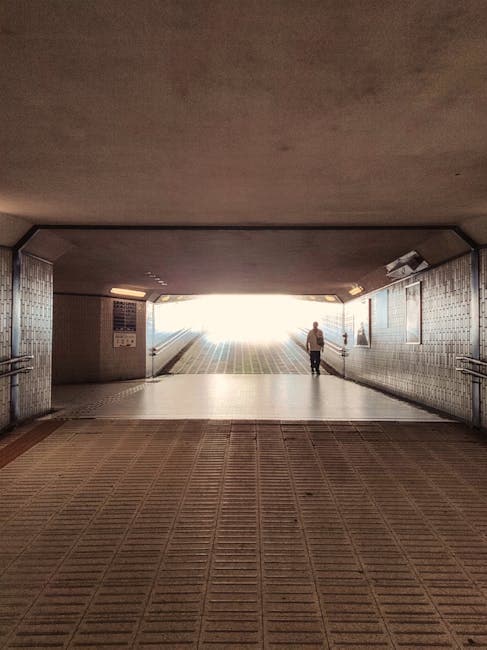
Tokyo Imperial District: Station, Gardens & Samurai Legacy
Tokio, 日本
Audio Preview
Listen to a sample of this audio tour to get a feel for the experience.
What You'll Experience
On this Tokyo Imperial District: Station, Gardens & Samurai Legacy audio tour in Tokio, you'll discover 11 carefully selected points of interest, each with its own story. The tour is designed to be completed at your own pace, with GPS navigation guiding you from one location to the next. As you approach each stop, the audio narration automatically begins, bringing history, culture, and local insights to life.
About This Tour
This tour explores central Tokyo from Tokyo Station’s Marunouchi side through the red‑brick business district toward the Imperial Palace Outer Gardens and East Gardens. It examines Meiji-era modernization, palace defenses, Edo-period samurai guardhouses, and postwar cultural sites including Kitanomaru Park, Nippon Budokan, Yasukuni Shrine grounds, and viewpoints over the palace moats.
Points of Interest
Tokyo Station (Marunouchi Side)
Red-brick gateway to Japan’s modern capital
This stop introduces Tokyo Station’s Marunouchi façade as the symbolic gateway to the capital and the starting point of the tour. The narration should cover its early 20th‑century construction in a Western-influenced red-brick style, its association with Meiji and Taishō modernization, and later wartime damage and careful restoration. It should highlight architect Tatsuno Kingo, the station’s dome roofs, and the contrast between the historic low-rise frontage and the surrounding skyscrapers. An engaging anecdote could describe how the station became a ceremonial arrival point for emperors and dignitaries, or mention the assassination attempt on Prime Minister Hara Takashi here in the early 20th century, as a way to underline its political significance.

Mitsubishi Ichigokan Museum / Marunouchi Brick District (exterior focus)
Meiji red-brick business district and Mitsubishi legacy
This stop situates visitors in the Marunouchi business district, focusing on the reconstructed Mitsubishi Ichigokan building and surrounding red‑brick streetscapes. The narration should explain how Mitsubishi acquired and developed the area from former daimyo estates into Japan’s first modern business center, sometimes nicknamed a “London of the East” for its Western-style architecture. It should note the building’s original late 19th‑century design by British architect Josiah Conder and its later demolition and faithful reconstruction as a museum. A vivid anecdote might describe early salarymen in bowler hats walking these streets, or how the district’s new offices symbolized ex‑samurai elites reinventing themselves as corporate managers.
Tokyo Gyoko-dori Avenue (toward the palace)
Ceremonial boulevard linking station and palace
Here the focus is on the broad Gyoko-dori Avenue stretching from Tokyo Station toward the Imperial Palace. The narration should emphasize the deliberate sightline from the station’s Marunouchi façade to the palace area, and how the avenue serves as a symbolic approach route for imperial ceremonies and public events. It should note the change in atmosphere from dense business district to increasingly open space, framed by trees, paving, and water. An anecdote could describe a specific imperial parade or postwar national celebration that used this route, or the impressive transformation of the avenue’s plaza area before the 2020s as part of central Tokyo’s renewal.
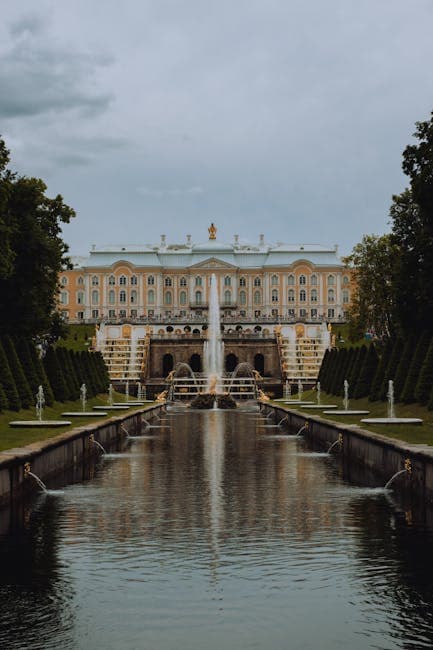
Imperial Palace Outer Gardens (Kokyo Gaien)
Open gravel plain of the former Edo Castle
This stop covers the vast Kokyo Gaien, the Imperial Palace Outer Gardens, which occupy part of the former Edo Castle grounds. The narration should explain that the original multi-story tenshu (main keep) no longer stands, leaving an open expanse used for ceremonies, views, and as a symbolic buffer around the palace. It should describe surviving stone bases, distant views of Nijubashi Bridge, and the contrast between the minimalist gravel plain and surrounding office towers. A unique anecdote might recall how enormous crowds have gathered here for imperial enthronements or New Year greetings, or tell the story of the old castle keep burning in the 17th century and never being rebuilt, changing the skyline permanently.
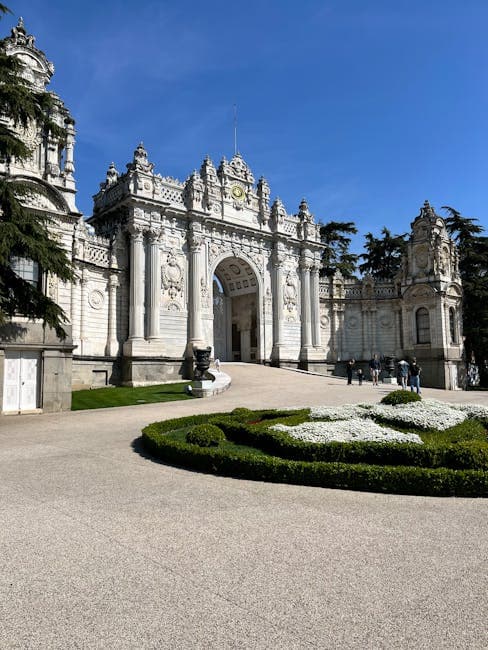
Otemon Gate and Imperial Palace East Garden Entrance
Defensive gate into Edo Castle’s inner precincts
This stop focuses on Otemon Gate as a key entrance to the former Edo Castle and the present-day way into the Imperial Palace East Gardens. The narration should explain its role in the castle’s defensive system, including moats, stone walls, and the characteristic ‘masugata’ box-like gate layout that forced entrants to turn and slow down. It should trace how the gate area changed function from shogunal stronghold to imperial precinct open to the public on certain days. A distinctive anecdote could describe how high-ranking samurai processions would have passed through here under strict protocol, or recount an episode when the gate area was damaged by earthquake or wartime bombing and later reconstructed.
Imperial Palace East Gardens (Honmaru and Ninomaru areas)
Terraced remains of Edo Castle’s inner compounds
This stop explores the East Gardens’ main zones, especially the Honmaru and Ninomaru areas where the shogun’s core residence and halls once stood. The narration should help visitors visualize vanished palaces and turrets using surviving stone foundations, ramparts, and changes in elevation, while also noting the modern landscaping, lawns, and seasonal plantings. It should cover the transition from Tokugawa shogunate seat to Imperial Palace grounds after 1868, and later opening as a public garden. A unique anecdote might describe how the huge stone base of the former main keep was once planned for an even larger tower that never materialized, or mention archaeological work uncovering remnants of Edo-period buildings beneath the grass.
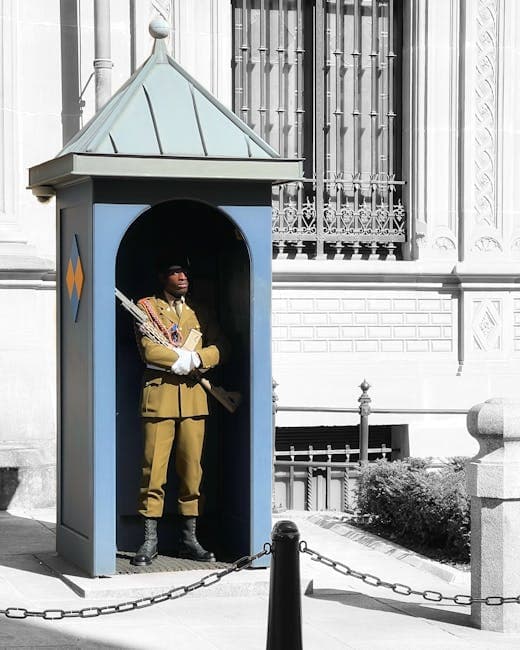
Hyakunin-bansho Guardhouse (former samurai guard post)
Samurai checkpoint guarding Edo Castle’s approach
This stop zooms in on the preserved Hyakunin-bansho Guardhouse, once staffed by samurai units guarding a key approach to Edo Castle’s inner areas. The narration should describe its long wooden structure, simple exterior, and interior spaces where armed guards checked passes and observed traffic. It should explain the system of multiple guardhouses with different samurai clans assigned duty, illustrating the Tokugawa shogunate’s focus on internal security and control over other domains. A distinctive anecdote might recount how certain guards were chosen from elite, trusted families, or tell a story about strict inspections of swords and spears that made this checkpoint a tense passage for lower-ranking retainers.

Kitanomaru Park (outer area)
Former northern bailey turned quiet green refuge
This stop introduces Kitanomaru Park as a tranquil green space that once formed part of Edo Castle’s northern defensive section. The narration should explain its earlier use for residences of important retainers and later for military and educational institutions before becoming a public park. It should highlight the surviving moats, slopes, and trees that hint at its past, alongside nearby cultural facilities like science and art museums. A unique anecdote could describe a cherry blossom or autumn foliage season here when city residents flock to the former fortress grounds, or mention how some of the slopes were reshaped from old earthworks to create today’s lawns and paths.
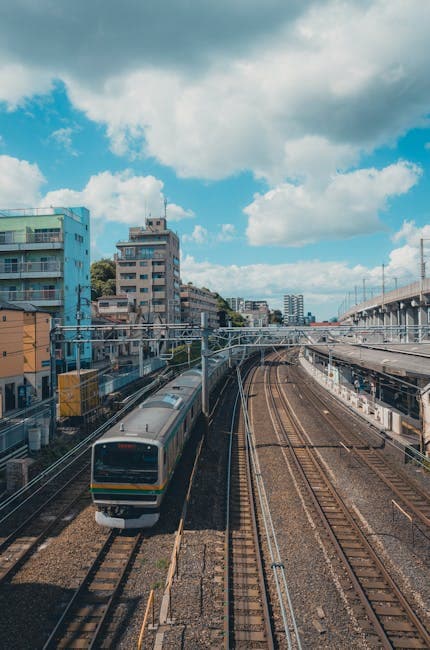
Nippon Budokan (exterior)
Martial arts hall and unexpected rock music landmark
This stop examines the exterior of Nippon Budokan, a distinctive octagonal arena built for martial arts and later famed as a concert venue. The narration should cover its origin around the time of the Tokyo Olympics, its role in hosting national judo and kendo events, and its roof form said to be inspired by traditional temple or palace architecture. It should describe how the building’s use expanded to include major music performances, becoming a coveted stage for both Japanese and international artists. A unique anecdote might recall an early historic rock concert held here or note how live albums recorded at Budokan helped introduce Japanese audiences and venues to global pop culture.

Yasukuni Shrine Grounds
Shinto site of war commemoration and controversy
This stop guides visitors through the Yasukuni Shrine grounds, focusing on their role in commemorating Japan’s war dead from the 19th century onward. The narration should explain the shrine’s origins in the Meiji era, its connection to state Shinto before 1945, and its continued religious and symbolic functions today. It should mention key features such as the large torii gates, long approach, and associated museum buildings, while carefully outlining why visits by politicians can provoke diplomatic tensions due to those enshrined. A unique anecdote might describe a typical spring festival or ritual held here, or refer to how families historically came to offer prayers and receive consolation from the shrine’s priests.
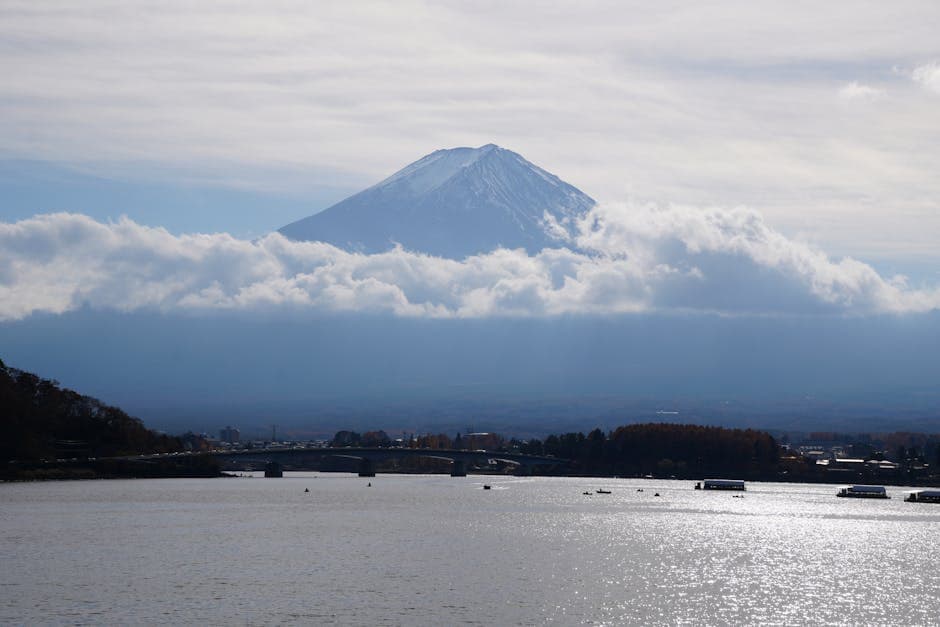
Kudanshita Viewpoint over Northern Moat
Overlooking palace moats, walls, and layered history
This final stop uses the Kudanshita-area viewpoint over the northern moat to reflect on the broader landscape of the former Edo Castle and present Imperial Palace. The narration should direct attention to the water, stone walls, trees, and nearby modern structures, showing how defensive features have become scenic urban elements. It should recap themes of power, protection, and adaptation that have run through the tour, from samurai guardhouses to imperial gardens and postwar parks. A unique anecdote could evoke how this moat line once marked a serious military barrier but is now a popular jogging and photography route, or note seasonal reflections of cherry blossoms or autumn leaves in the water as a final visual image.
Start This Tour
Download Roamway to experience this audio tour
Tour Details
Access
Free
Stops
11 points of interest
Languages
GermanEnglishSpanishFrench
More tours in Tokio
View all tours in TokioFrequently Asked Questions
How do I start this audio tour?
Download the Roamway app, search for this tour, and tap 'Start Tour'. The app will guide you to the starting point using GPS. Once you're there, the audio narration begins automatically.
Do I need an internet connection?
No! Once you've downloaded the tour in the Roamway app, it works completely offline. The GPS navigation and audio narration function without an internet connection.
Can I pause and resume the tour?
Yes! You can pause the tour at any time and resume later. Your progress is automatically saved, so you can complete the tour over multiple sessions if needed.