
Tokyo Asakusa: Senso-ji, Backstreets and Riverside Views
Tokio, 日本
What You'll Experience
On this Tokyo Asakusa: Senso-ji, Backstreets and Riverside Views audio tour in Tokio, you'll discover 12 carefully selected points of interest, each with its own story. The tour is designed to be completed at your own pace, with GPS navigation guiding you from one location to the next. As you approach each stop, the audio narration automatically begins, bringing history, culture, and local insights to life.
About This Tour
This tour explores Asakusa in Tokyo, from panoramic views over Senso-ji at the Asakusa Culture Tourist Information Center through Kaminarimon Gate, Nakamise Street, Hozomon Gate, and the main hall and shrine complex. It continues into retro shopping lanes, traditional backstreets, and riverside areas near Sumida Park, ending with an exterior view of the Asahi Beer Hall.
Points of Interest
Asakusa Culture Tourist Information Center (view over Senso-ji)
Panoramic starting point over Senso-ji and Asakusa
This stop uses the observation deck of the Asakusa Culture Tourist Information Center as an introduction to the area. The narrator should describe the contrast between the sleek modern building and the historic temple district below, including clear orientation points like Senso-ji, Kaminarimon, Tokyo Skytree, and the Sumida River. Historical context should cover Asakusa’s role as an Edo-period entertainment and pilgrimage district, and how the neighborhood has rebuilt after fires and wartime damage. An anecdote can highlight how the center’s design, by a prominent contemporary architect, intentionally echoes stacked traditional wooden houses, and another can note that locals often use the free rooftop view as an everyday meeting spot rather than just a tourist facility.
Kaminarimon Gate
Iconic Thunder Gate at Senso-ji’s entrance
At Kaminarimon, focus on the gate as the symbolic entrance to Senso-ji and one of Tokyo’s most photographed landmarks. The narration should explain the meaning of the name “Thunder Gate,” the large red lantern, and the guardian figures associated with thunder, wind, and protection. Historical background can mention that earlier incarnations of the gate stood in different locations and that fire and reconstruction have shaped its current appearance. One anecdote might describe how the giant lantern is periodically replaced and ceremoniously donated, while another might note that many visitors search for the carved dragon underneath the lantern for good luck photos, even if they do not know the full mythology.

Nakamise Shopping Street
Historic temple approach lined with small shops
Nakamise Shopping Street should be presented as one of Tokyo’s oldest shopping streets, historically serving pilgrims on their way to Senso-ji. The narrator should describe the narrow lane, low shopfronts, and mixture of traditional snacks, sweets, and souvenir items, as well as the rhythm of shutters painted with seasonal scenes. Historical context can reference that shop rights have been passed down through families and have sometimes been regulated or reorganized by temple authorities and the city. One anecdote can touch on the origins of a classic Asakusa snack, such as a rice cracker stall believed to have served visitors for generations, and another can describe how, early in the morning or late at night, the closed street feels like a painted gallery rather than a bustling market.
Hozomon Gate
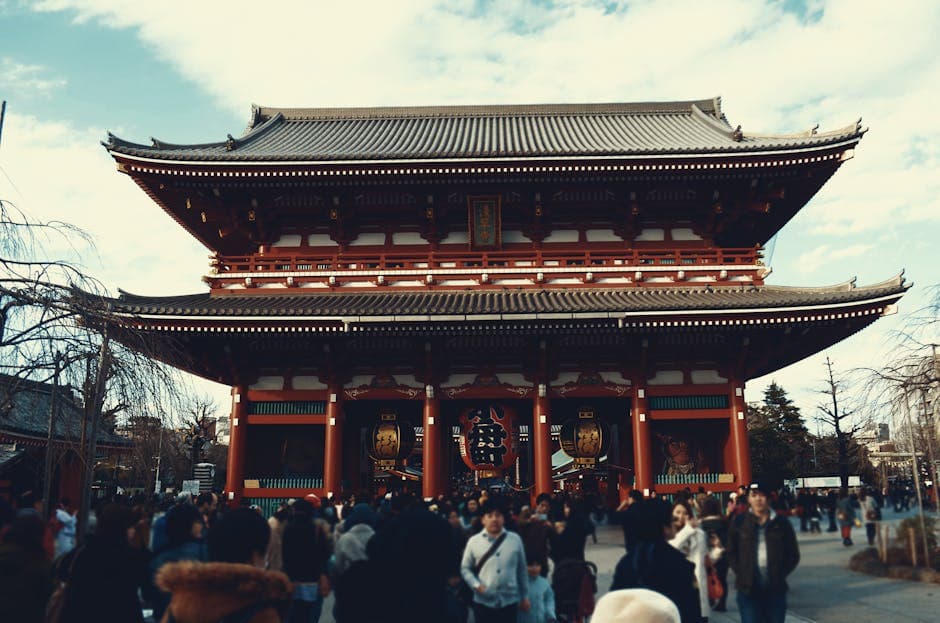
Inner gate guarding Senso-ji’s treasures
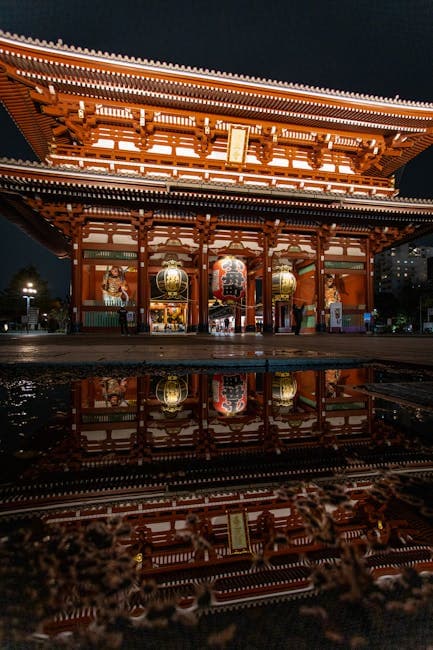
Hozomon Gate marks the transition from the commercial approach into the sacred core of Senso-ji. The narration should describe its massive scale, layered roof structure, and imposing lanterns, as well as the giant straw sandals hung as offerings symbolizing protection by powerful guardians. Historically, the gate has functioned both as an entrance and as a kind of treasure storehouse for important temple objects, with several reconstructions over time due to fire and war. One anecdote could recount how a distant region donates the oversized straw sandals as a display of strength and devotion, while another might mention how the gate’s upper floors, usually unseen by visitors, are said to hold images and artifacts that only appear during special occasions.

Senso-ji Main Hall
Asakusa’s ancient Buddhist temple center
This stop centers on the main hall of Senso-ji, one of Tokyo’s most venerable Buddhist temples. The narrator should recount the legend of the Kannon statue believed to have been fished from the nearby Sumida River and enshrined here, while clarifying that the original image is hidden from public view. Architectural details like the broad steps, sweeping roof, and large incense burner in front should be described, along with the practice of drawing omikuji fortunes and making offerings. Historical context can mention repeated rebuildings after fires and wartime bombing. One anecdote could explore the custom of visitors wafting incense smoke onto parts of their body for healing or good luck, and another might describe how the hidden main image has inspired centuries of artists and pilgrims despite almost never being seen.
Asakusa Shrine
Shinto shrine honoring Senso-ji’s founders
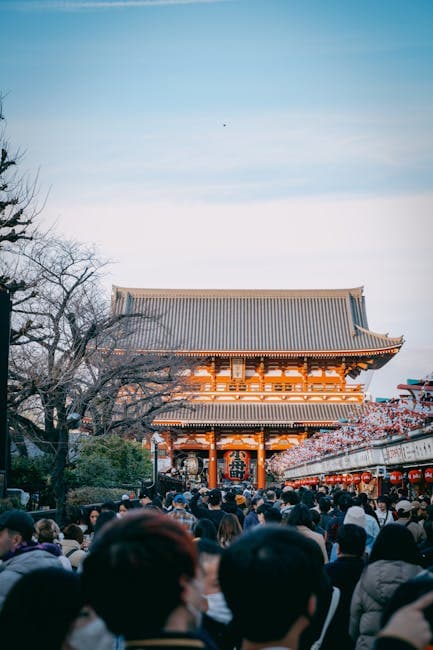
At Asakusa Shrine, emphasize that this is a Shinto shrine standing beside a major Buddhist temple, illustrating Japan’s historical blending of religious traditions. The narration should introduce the three men enshrined here as kami, associated with founding Senso-ji and shaping the area’s early community. Architectural elements to describe include the honden (main hall), stone lanterns, and guardian animals that differ in style from the Buddhist structures nearby. Historical context should touch on the important Sanja Matsuri festival, when portable shrines carrying the deities are paraded through the streets. One anecdote might recall how locals see the festival’s sometimes rowdy energy as a release valve blessed by the deities, and another can mention how the shrine miraculously escaped some wartime damage that struck the temple complex around it.
Denpoin Street (retro shopping street)
Edo-style shopping lane off the main route
Denpoin Street should be used to explore Asakusa’s curated retro atmosphere beyond the main temple approach. The narrator can describe its lower crowds, nostalgic wooden facades, lanterns, and signs that evoke Edo-period townscapes, as well as small eateries, craft shops, and sweets stands. Historical context may reference how the area around the now-closed Denpoin temple grounds once held monastic buildings and gardens, with the present street intentionally redesigned to recall that earlier era. One anecdote could tell of a traditional craftsperson whose family workshop moved here after the war to stay near Senso-ji, while another might note seasonal decorations or evening illuminations that transform the quiet lane into a softly glowing alley reminiscent of old prints.
Hanayashiki Amusement Park (exterior / retro streets)
Old amusement park amid narrow backstreets
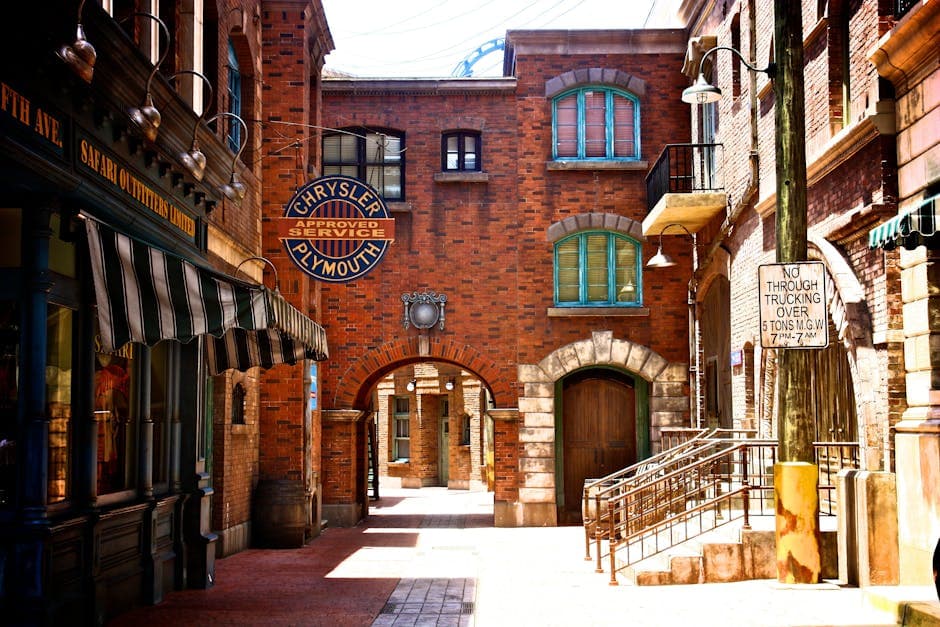
This stop uses the exterior of Hanayashiki and its surrounding streets to discuss Asakusa’s long entertainment history. The narrator should describe the park’s compact footprint, retro rides peeking over nearby rooftops, and the way residential buildings and small bars press close to its edges. Historical context can mention that Hanayashiki is often cited as Japan’s oldest amusement park, evolving from botanical displays and simple attractions into a postwar symbol of local leisure. One anecdote could relate how early visitors came not just for rides but also to see exotic plants and curiosities, while another might highlight how neighborhood children have grown up with the park’s roller coaster literally rattling past their bedroom windows, making the sounds part of everyday life.
Senzoku-dori and Kannon-ura backstreets
Quieter residential lanes behind Senso-ji
In the Senzoku-dori and Kannon-ura backstreets, the focus shifts from major sights to everyday neighborhood life. The narration should describe narrower streets, low-rise houses, small shrines or Jizo statues at corners, and family-run eateries or bathhouses that hint at older Tokyo. Historical context can note that this area behind the temple has seen cycles of destruction and rebuilding, but still preserves a finer street grid and modest architecture reminiscent of pre-highrise eras. One anecdote might involve a tiny local festival or street altar cared for by a few households rather than big institutions, and another could describe how some shopfronts here doubled as homes and shelters during difficult postwar years, reinforcing the area’s strong community ties.

Imado Shrine (optional further riverside extension)
Riverside shrine linked to lucky cat lore
Imado Shrine serves as an optional, slightly more distant stop connecting Asakusa to riverside shrines and folk beliefs. The narrator should explain that this Shinto shrine is associated with maneki-neko, the beckoning cat figures seen in many shops, and is also linked in popular belief to matchmaking and good relationships. Architectural and decorative features include numerous cat statues, wooden ema plaques with feline motifs, and views toward the Sumida’s riverbanks. Historical context may mention that the surrounding area once had kilns and craftspeople making ceramics, providing a plausible backdrop for cat figurines. One anecdote could outline a local legend of a poor old woman whose loyal cat inspired the first beckoning statue, while another might describe contemporary couples visiting to dedicate cat-themed ema for romantic wishes.
Sumida Park (Asakusa side riverfront)
Riverside promenade with seasonal cherry blossoms
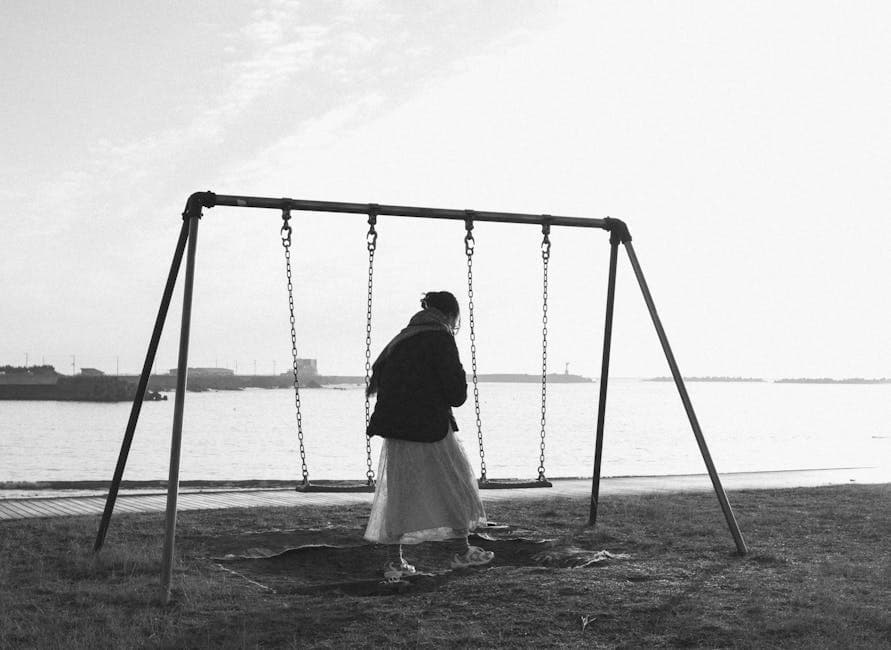
At Sumida Park on the Asakusa side, the narration should open up to the broader landscape of the Sumida River and its role in Tokyo’s history. The guide can describe the riverside promenade, cherry trees that create famous springtime blossoms, and views of boats, bridges, and modern landmarks like Tokyo Skytree. Historical context should cover the Sumida as a key transport route, inspiration for ukiyo-e prints, and a former site of pleasure boats and firework displays that drew Edo-period crowds. One anecdote might recall how people once reserved spots under the blossoms and hired boatmen for night excursions, while another can note that some modern river cruises trace similar routes, turning old sightseeing patterns into contemporary leisure.

Asahi Beer Hall and Super Dry Hall (exterior view across river)
Modern riverside landmark opposite historic Asakusa
The final stop frames the Asahi Beer Hall and Super Dry Hall as striking examples of postwar corporate architecture facing old Asakusa across the river. The narrator should describe the black glass "beer" building, the golden flame-like sculpture, and the contrast with nearby bridges and the temple district behind the listener. Context can touch on Japan’s postwar economic growth, design experimentation of the late 20th century, and the choice to place a bold company headquarters in a historically resonant riverfront location. One anecdote may mention the range of nicknames locals use for the golden sculpture, reflecting mixed reactions, while another could note how televised images of fireworks over the Sumida often feature this building, unintentionally making it a symbol of summer in modern Tokyo.
Start This Tour
Download Roamway to experience this audio tour
Tour Details
Access
Free
Stops
12 points of interest
Languages
GermanEnglishSpanishFrench
More tours in Tokio
View all tours in TokioFrequently Asked Questions
How do I start this audio tour?
Download the Roamway app, search for this tour, and tap 'Start Tour'. The app will guide you to the starting point using GPS. Once you're there, the audio narration begins automatically.
Do I need an internet connection?
No! Once you've downloaded the tour in the Roamway app, it works completely offline. The GPS navigation and audio narration function without an internet connection.
Can I pause and resume the tour?
Yes! You can pause the tour at any time and resume later. Your progress is automatically saved, so you can complete the tour over multiple sessions if needed.