
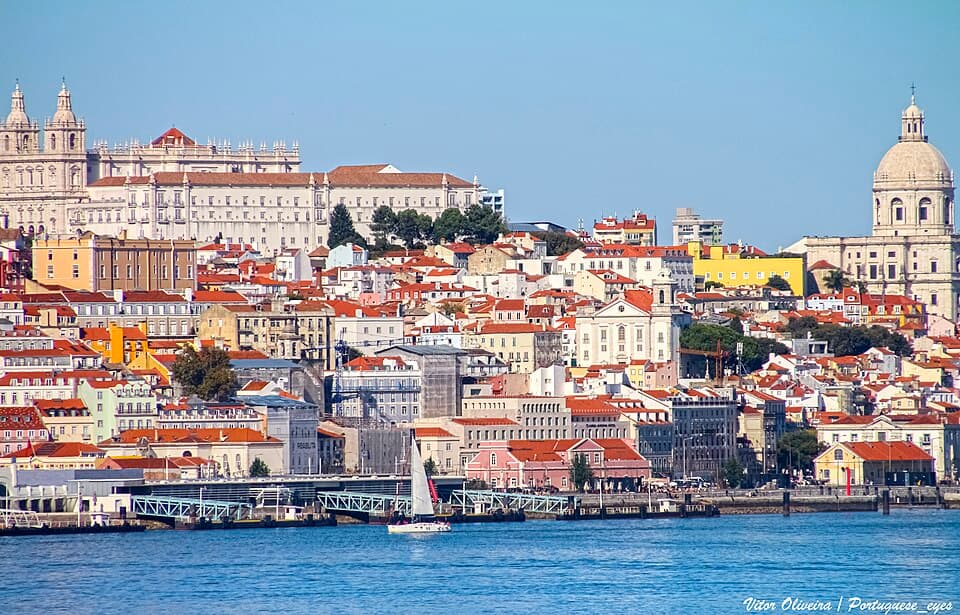
Lisbon Chiado & Bairro Alto: Literature, Views, Nightlife
Lisboa, Portugal
Audio Preview
Listen to a sample of this audio tour to get a feel for the experience.
What You'll Experience
On this Lisbon Chiado & Bairro Alto: Literature, Views, Nightlife audio tour in Lisboa, you'll discover 12 carefully selected points of interest, each with its own story. The tour is designed to be completed at your own pace, with GPS navigation guiding you from one location to the next. As you approach each stop, the audio narration automatically begins, bringing history, culture, and local insights to life.
About This Tour
This tour explores Lisbon’s Chiado and Bairro Alto districts, from Largo do Chiado and historic cafés to the world’s oldest operating bookshop. It includes church façades, traditional shops, scenic viewpoints, and Cais do Sodré’s waterfront. Themes include literary heritage, urban history, local commerce, and contemporary nightlife culture.
Points of Interest
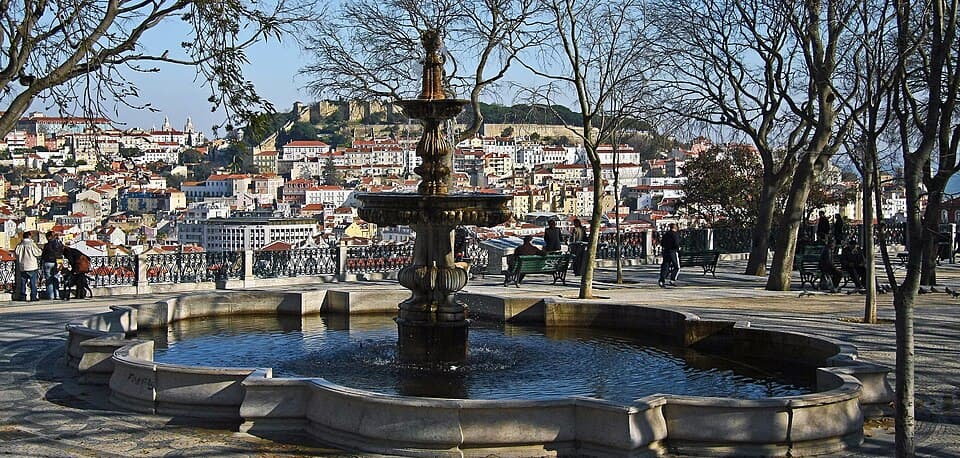
Largo do Chiado
Elegant square linking Chiado and Bairro Alto
This stop introduces Largo do Chiado as the gateway to the Chiado district and a threshold between downtown Baixa and the hilltop of Bairro Alto. The script should describe the square’s post‑1755 earthquake reconstruction, its mix of churches, cafés, and shops, and its role as a traditional meeting point for locals. It should explain how this corner became synonymous with Lisbon’s bourgeois culture and intellectual life in the 19th and 20th centuries. An anecdote can highlight how locals use “I’ll meet you in Chiado” as shorthand for rendezvous here, reflecting its function as both stage and living room of the city.
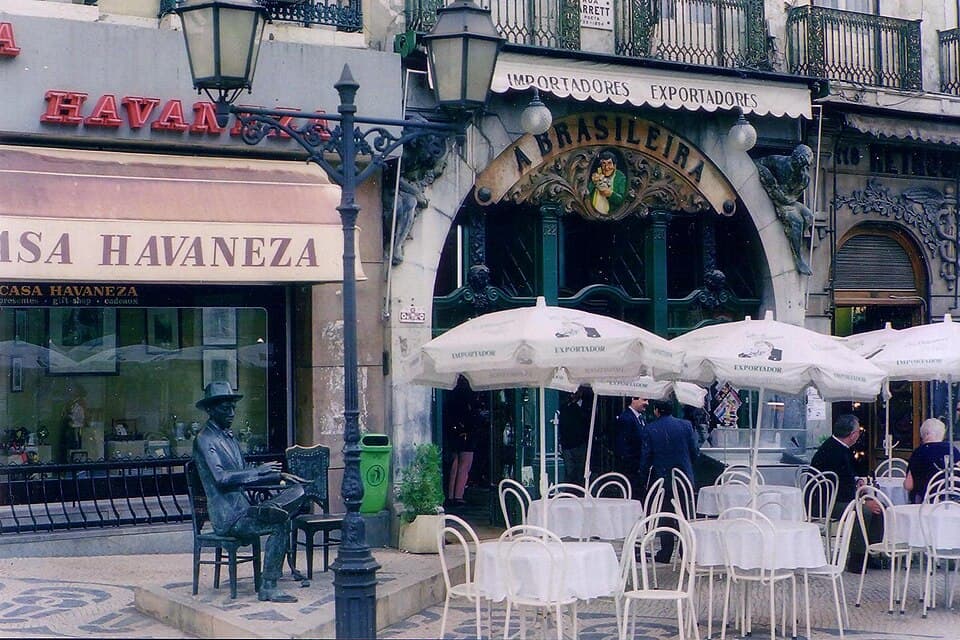
A Brasileira Café
Historic café and Fernando Pessoa bronze statue
This stop focuses on A Brasileira do Chiado, one of Lisbon’s most emblematic cafés, and the bronze statue of writer Fernando Pessoa seated on the terrace. The script should recount how cafés like this became hubs for artists, journalists, and politicians, and how A Brasileira cultivated an aura of sophistication. It should introduce Pessoa’s importance in Portuguese literature and his association with Chiado’s cafés. A distinctive anecdote can describe how visitors line up to sit in the empty chair beside the statue for photos, accidentally re‑creating the café social scene Pessoa once knew.
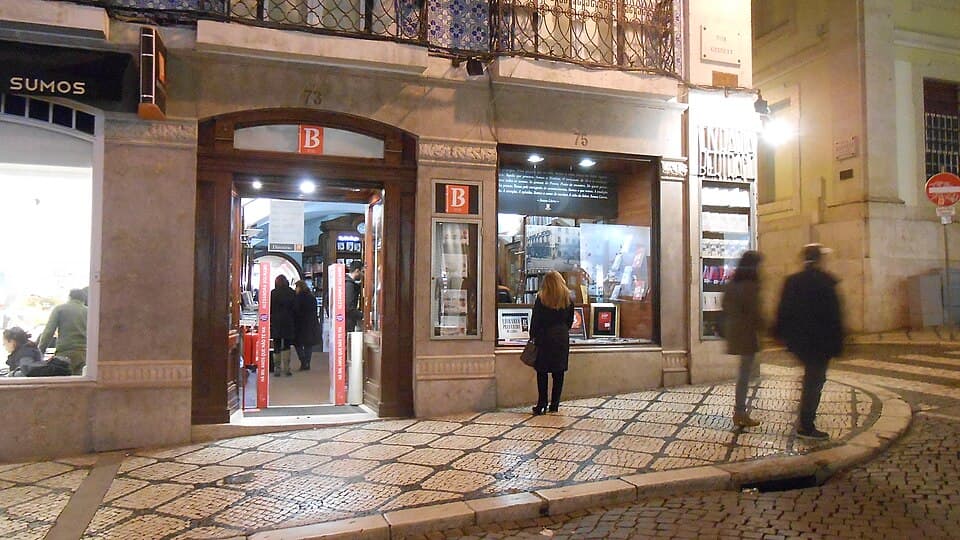
Livraria Bertrand
World’s oldest operating bookshop on Rua Garrett
This stop presents Livraria Bertrand on Rua Garrett as the world’s oldest operating bookshop and a symbol of Lisbon’s literary continuity. The script should outline its origins, its survival through political upheavals and earthquakes, and its role as a meeting place for writers and readers. It should highlight the interior’s multiple rooms named after authors and the feel of a living, working bookshop rather than a museum. A unique anecdote may mention how Lisbon residents recall buying schoolbooks here across generations, turning the shop into a family tradition and a personal timeline of reading lives.
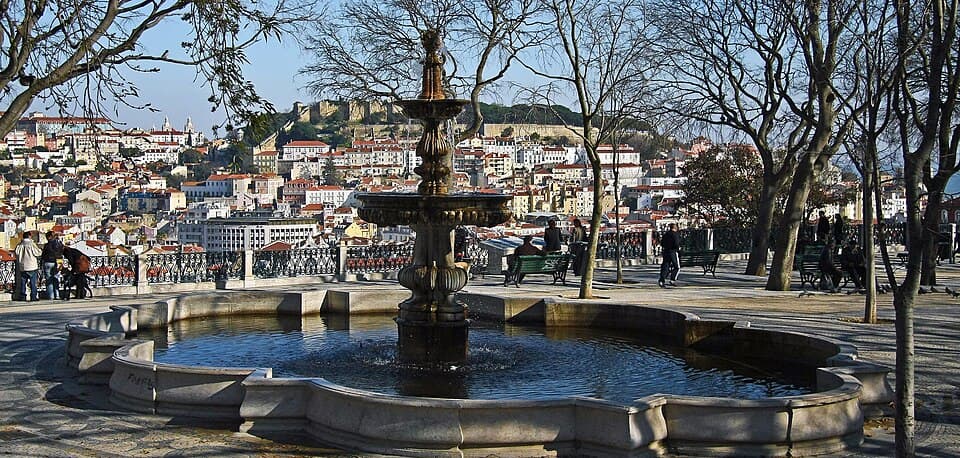
Largo do Chiado Churches
Twin façades marking Chiado’s religious heritage
This stop explores the paired church façades on Largo do Chiado, including Igreja do Loreto, as symbols of Chiado’s religious and cultural layering. The script should explain their ties to different communities (such as the historic Italian community) and to the post‑1755 rebuilding. It can describe typical Baroque and later architectural elements visible from the square, like niches, statues, and ornamented portals. A separate anecdote can touch on how the churches’ bells once structured daily rhythms for shopkeepers and café patrons nearby, ringing across what is now a busy, secular crossing of trams, shoppers, and tourists.

Rua Garrett Shops
Historic Chiado street of boutiques and traditions
This stop looks at Rua Garrett as Chiado’s main commercial spine, lined with historic shops, cafés, and theatres. The script should discuss how 19th‑ and early 20th‑century Lisbon saw the rise of specialized shops here, from hatters to glove makers and confectioners, reflecting an emerging middle class. It should note characteristic details like traditional signage, wooden shopfronts, and tiled entries. A distinct anecdote might describe how some shops historically displayed seasonal window decorations so elaborate that families would stroll here just to admire them, treating Rua Garrett as an open‑air showcase of taste and aspiration.

Elevador da Bica Viewpoint
Top of Bica funicular overlooking steep tram tracks
This stop centers on the top station of the Elevador da Bica and the short viewpoint over its steep funicular line. The script should explain the funicular’s purpose in linking the upper neighborhood to the lower Rua de São Paulo and the riverfront, and its place within Lisbon’s system of hill-climbing transport. It should describe the visual drama of the inclined street, colorful buildings, and glimpses of the Tagus down the hill. A unique anecdote can recall how residents once used the funicular to carry heavy goods uphill, informally turning passenger cabins into moving cargo lifts during quiet hours.
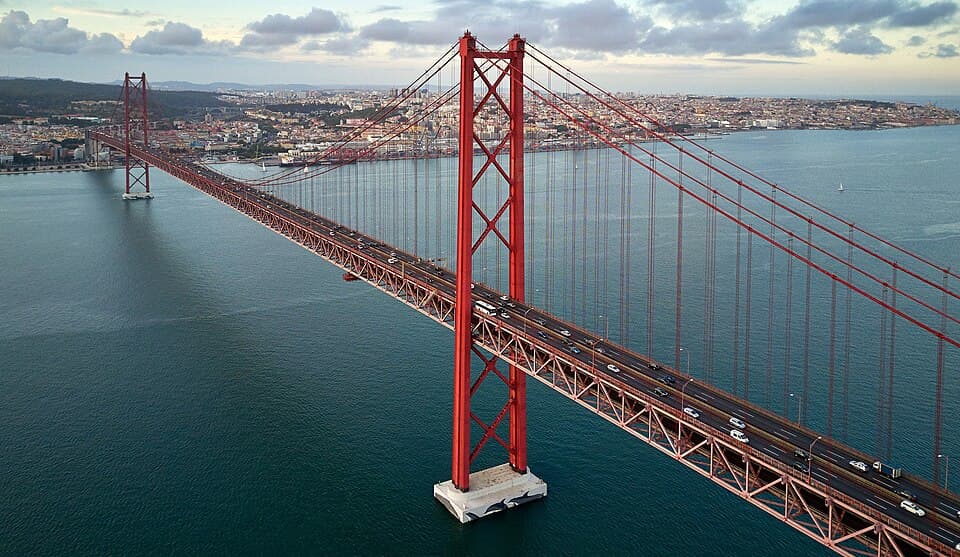
Miradouro São Pedro de Alcântara
Panoramic viewpoint over Baixa and Castelo hill
This stop highlights the Miradouro de São Pedro de Alcântara as one of Lisbon’s classic viewpoints, framing Baixa, the castle hill, and the Tagus. The script should evoke the terraced garden layout, balustrades, and tile panels that map out the skyline. It can cover how such miradouros became social spaces for strolling, courting, and listening to street musicians. A distinct anecdote may describe how, after evening, amateur photographers gather along the railings to capture the castle illuminated on the opposite hill, turning the terrace into an informal open‑air studio of tripods and long exposures.
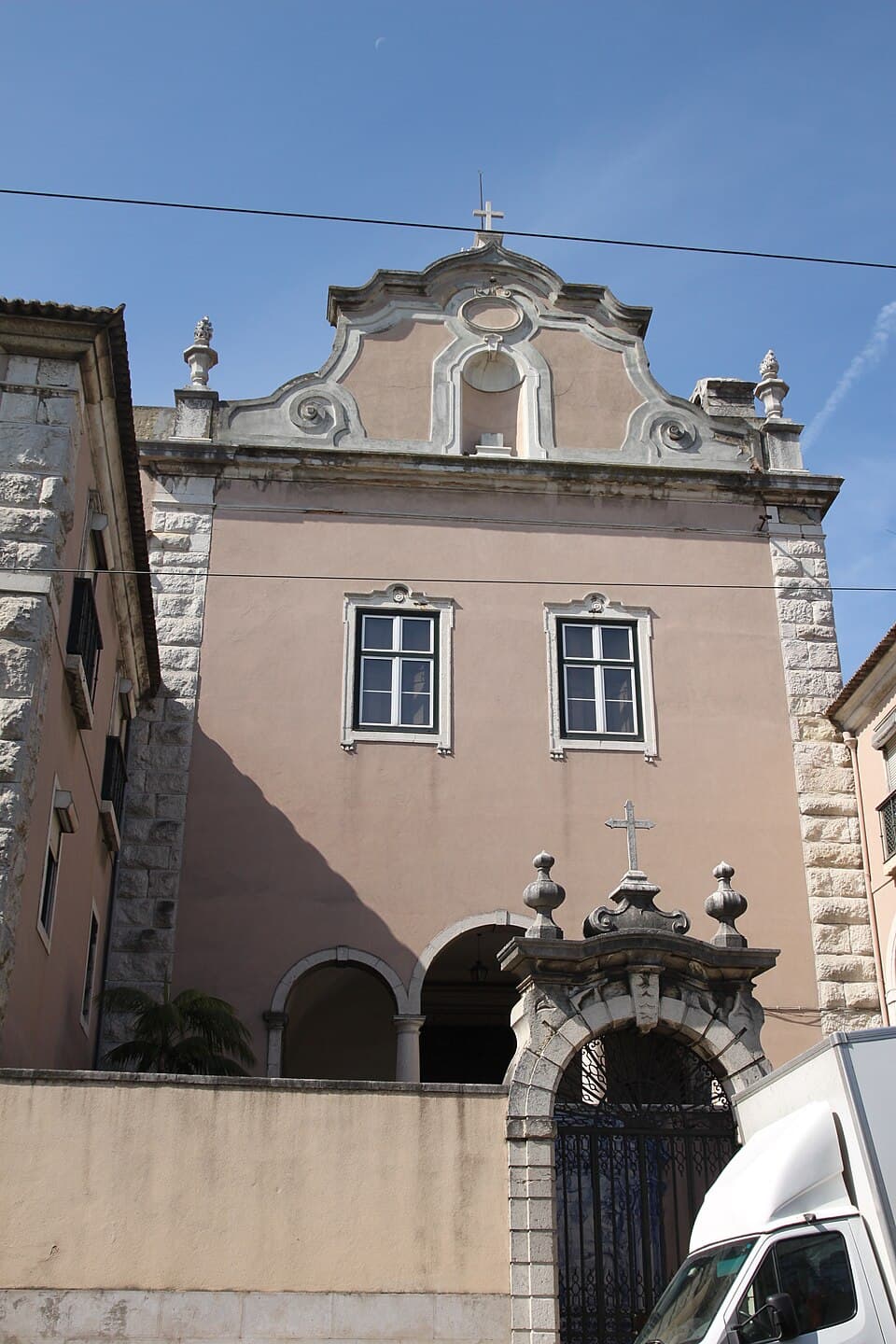
Convento São Pedro de Alcântara
Former convent and garden on Bairro Alto’s edge
This stop focuses on the Convento de São Pedro de Alcântara area and its adjoining garden, marking the historic religious presence on the edge of Bairro Alto. The script should outline the convent’s origins and later transformations, including secular uses after the decline of monastic life. It should connect the convent’s location to the miradouro and to the neighborhood’s shift from religious and charitable functions to leisure and nightlife. A unique anecdote can note how local lore once associated the garden’s quiet benches with clandestine political conversations during authoritarian times, when open public debate was restricted.
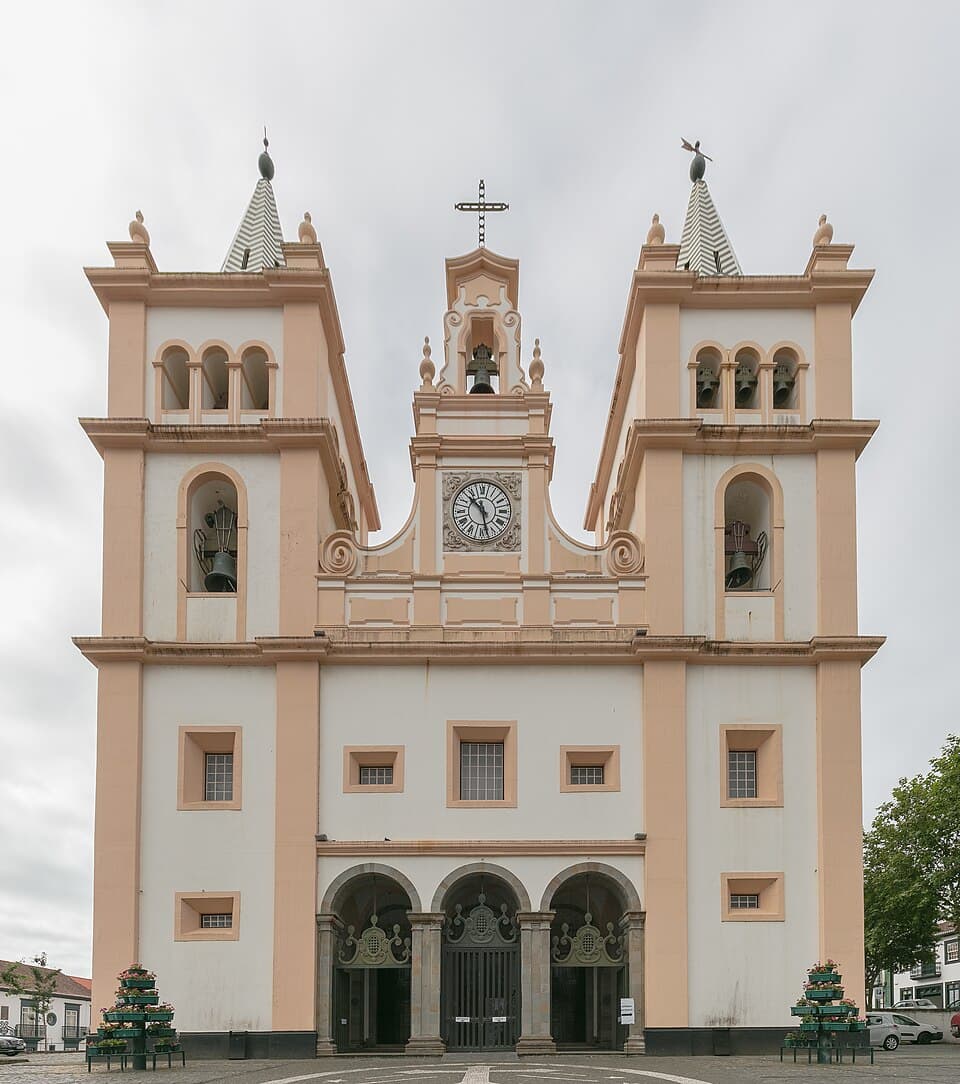
Rua da Rosa
Bairro Alto’s daytime spine of small businesses
This stop explores Rua da Rosa as one of Bairro Alto’s key north‑south streets, showing a quieter, daytime side of a nightlife district. The script should describe the mixed architecture of modest houses, small workshops, and newer cafés or studios, reflecting layers of gradual change rather than grand planning. It can highlight details like laundry on balconies, graffiti, and cobbled pavements, emphasizing lived‑in texture. A separate anecdote might recall how, before nightlife boomed, locals associated Rua da Rosa more with print shops and small trades, and some older residents still refer to particular buildings by the names of long‑vanished artisans.
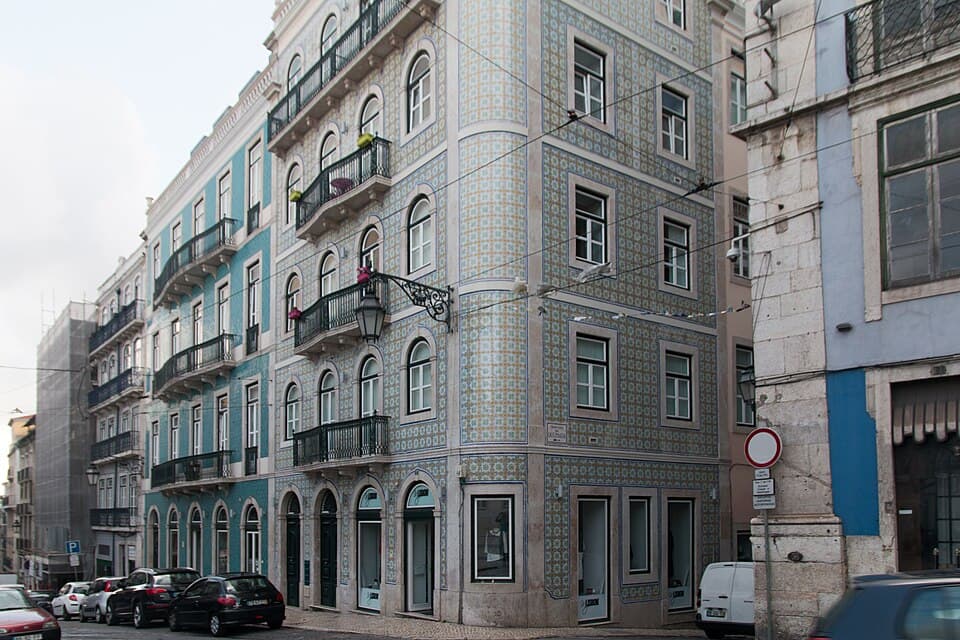
Rua da Atalaia Nightlife
Lively nightlife corridor and surrounding bar streets
This stop examines Rua da Atalaia and adjacent streets as the heart of Bairro Alto’s nightlife. The script should convey how, after dark, the quiet grid transforms into a dense social scene, with people spilling out of bars onto the narrow pavements. It should touch on noise, changing regulations, and the tension between residents and late‑night revelers. A distinctive anecdote can mention how some bars historically used improvised signs or chalkboards to announce fado nights or impromptu jam sessions, drawing in passersby and giving the street an unpredictable, almost theatrical character.
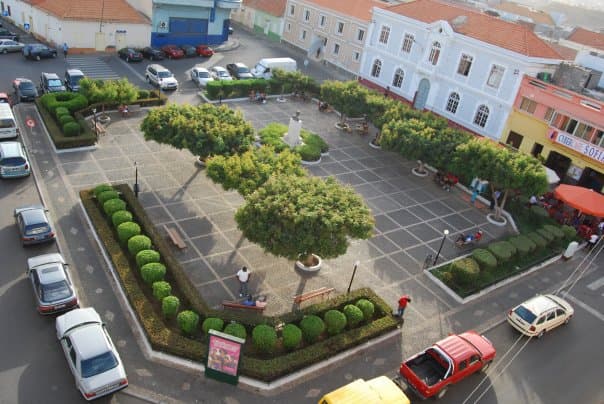
Praça Luís de Camões
Symbolic square between Chiado and Bairro Alto
This stop presents Praça Luís de Camões as a symbolic square linking Chiado, Bairro Alto, and the route down to the river. The script should describe the central statue of poet Luís de Camões and the surrounding pavement patterns, as well as the square’s function as a tram and pedestrian hub. It should connect Camões’s status as a national literary figure to the tour’s broader literary thread. A unique anecdote may highlight how, on major football match days or after political demonstrations, the square fills with flags, chants, and gatherings, temporarily turning a literary monument into a backdrop for very contemporary passions.
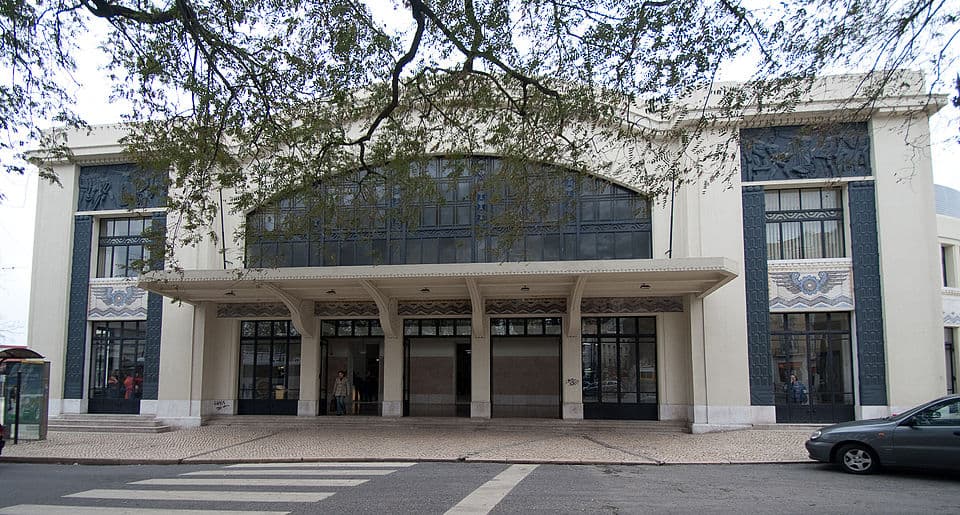
Cais do Sodré Waterfront
Riverside hub by Mercado da Ribeira and Time Out
This final stop looks at the Cais do Sodré waterfront near Mercado da Ribeira and the Time Out Market exterior, emphasizing Lisbon’s historic connection to the Tagus. The script should explain how this area evolved from a port and sailors’ quarter, with a rough reputation, into a transport, nightlife, and dining hub. It should note the presence of the railway and ferry terminals as continuations of Lisbon’s maritime links. A distinctive anecdote can mention how, in living memory, locals associated certain streets behind the station with sailors’ bars and live music dives, a far cry from today’s curated food hall and riverside promenades. The conclusion should tie together themes of water, trade, nightlife, and urban reinvention.
Start This Tour
Download Roamway to experience this audio tour
Tour Details
Access
Free
Stops
12 points of interest
Languages
GermanEnglishSpanishFrench
More tours in Lisboa
View all tours in LisboaOther tours you might enjoy:
Lisbon Baixa & Chiado: Pombaline Center and City Life
This tour explores Lisbon’s Baixa and Chiado districts, from Praça do Comércio and Rua Augusta to Rossio, Figueira, and Largo do Chiado. It examines post-1755 Pombaline urban planning, neoclassical and iron architecture, religious and civic spaces, and daily commercial life, highlighting contrasts between riverfront, downtown grid, and upper town areas.
Lisbon Alfama: Viewpoints, Cathedral, Fado and Castle History
This tour explores Lisbon’s historic Alfama district, from the viewpoints of Santa Luzia and Portas do Sol to the Cathedral (Sé), Santo António Church, and São Jorge Castle. It includes Roman remains, medieval streets, and fado heritage, focusing on urban evolution, religious architecture, local traditions, and panoramic city views.
Lisbon: Mouraria, Graça & Alfama Hilltop Views
This tour explores Lisbon’s historic hill neighborhoods from Praça da Figueira through Mouraria and Graça to the edges of Alfama. It includes viewpoints such as Miradouro da Graça and Senhora do Monte, tram 28 routes, churches and convents, azulejo-clad façades, and the National Pantheon exterior, focusing on urban history, architecture, and everyday local life.
Frequently Asked Questions
How do I start this audio tour?
Download the Roamway app, search for this tour, and tap 'Start Tour'. The app will guide you to the starting point using GPS. Once you're there, the audio narration begins automatically.
Do I need an internet connection?
No! Once you've downloaded the tour in the Roamway app, it works completely offline. The GPS navigation and audio narration function without an internet connection.
Can I pause and resume the tour?
Yes! You can pause the tour at any time and resume later. Your progress is automatically saved, so you can complete the tour over multiple sessions if needed.