
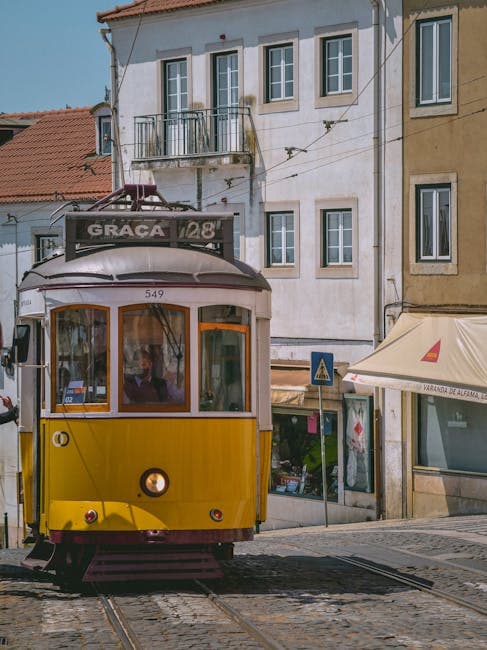
Lisbon: Mouraria, Graça & Alfama Hilltop Views
Lisboa, Portugal
Audio Preview
Listen to a sample of this audio tour to get a feel for the experience.
What You'll Experience
On this Lisbon: Mouraria, Graça & Alfama Hilltop Views audio tour in Lisboa, you'll discover 12 carefully selected points of interest, each with its own story. The tour is designed to be completed at your own pace, with GPS navigation guiding you from one location to the next. As you approach each stop, the audio narration automatically begins, bringing history, culture, and local insights to life.
About This Tour
This tour explores Lisbon’s historic hill neighborhoods from Praça da Figueira through Mouraria and Graça to the edges of Alfama. It includes viewpoints such as Miradouro da Graça and Senhora do Monte, tram 28 routes, churches and convents, azulejo-clad façades, and the National Pantheon exterior, focusing on urban history, architecture, and everyday local life.
Points of Interest
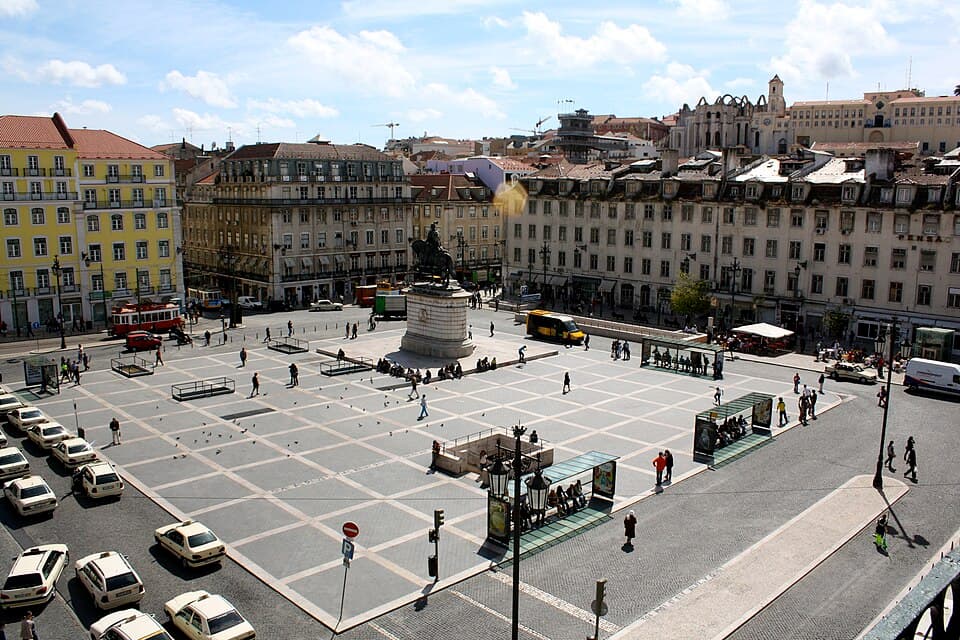
Praça da Figueira
Post-quake square linking Baixa and the hills
This stop introduces Praça da Figueira as a key gateway between the flat Baixa grid and the surrounding hills of Mouraria, Graça, and Alfama. Narration should cover its creation after the 1755 earthquake, the former hospital or market uses on this site, and the equestrian statue of King João I as a visual anchor. The square’s open views toward São Jorge Castle and the criss-crossing tram lines help orient visitors to the city’s topography. One anecdote can describe how an old covered market once dominated the square before being demolished, changing how locals used the space. Another can mention how locals still treat it as a rendezvous point before heading into the more labyrinthine neighbourhoods uphill.
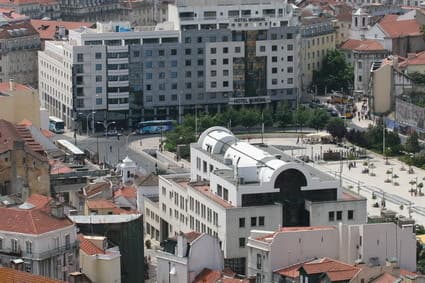
Martim Moniz Square
Multicultural hub and Tram 28 terminus
This stop frames Martim Moniz Square as a lively, modern plaza at the bottom of the hills, tied to migration, commerce, and transport. Narration should touch on the legendary medieval knight Martim Moniz who gives the square its name, with a brief explanation of his role in the conquest of Lisbon. The square’s role as a terminus for tram 28 provides a segue to the hill neighbourhoods. Visually, guides should highlight the fountains, the surrounding modern buildings, and the contrast with older lanes leading into Mouraria. One anecdote might describe how the square has become a symbol of Lisbon’s contemporary diversity, with shops and eateries reflecting communities from Asia and Africa. Another could mention how the modern redesign created stepped water features where children play in hot weather.
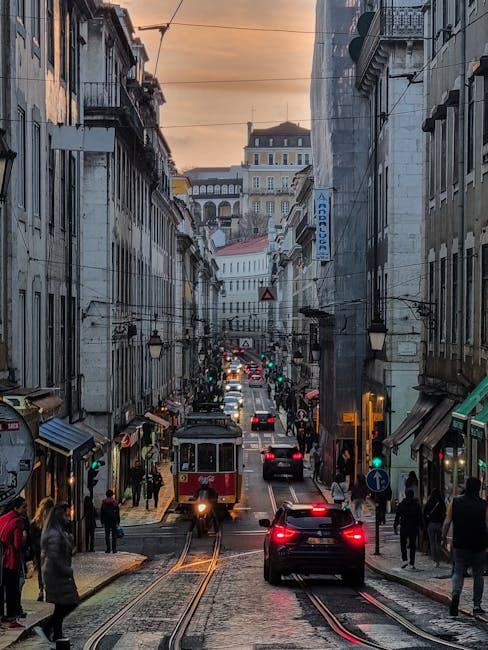
Mouraria Backstreets
Medieval lanes and everyday Mouraria life
This stop focuses on the narrow streets around Rua da Mouraria and Beco do Jasmim, emphasizing their medieval layout and intimate scale. Narration should explain Mouraria’s origins as the former Moorish quarter after the Christian conquest, and how it evolved into a working-class, immigrant, and culturally mixed neighbourhood. Architectural details include tight cobbled alleys, simple façades with laundry and small shrines, and occasional azulejo panels or street art. One anecdote can reference Mouraria as an early cradle for Lisbon’s fado, noting how singers and taverns here shaped the genre’s reputation without naming the same artists or stories elsewhere. Another might describe how residents once hung makeshift decorations for local festivals, turning these tiny lanes into improvised party streets.
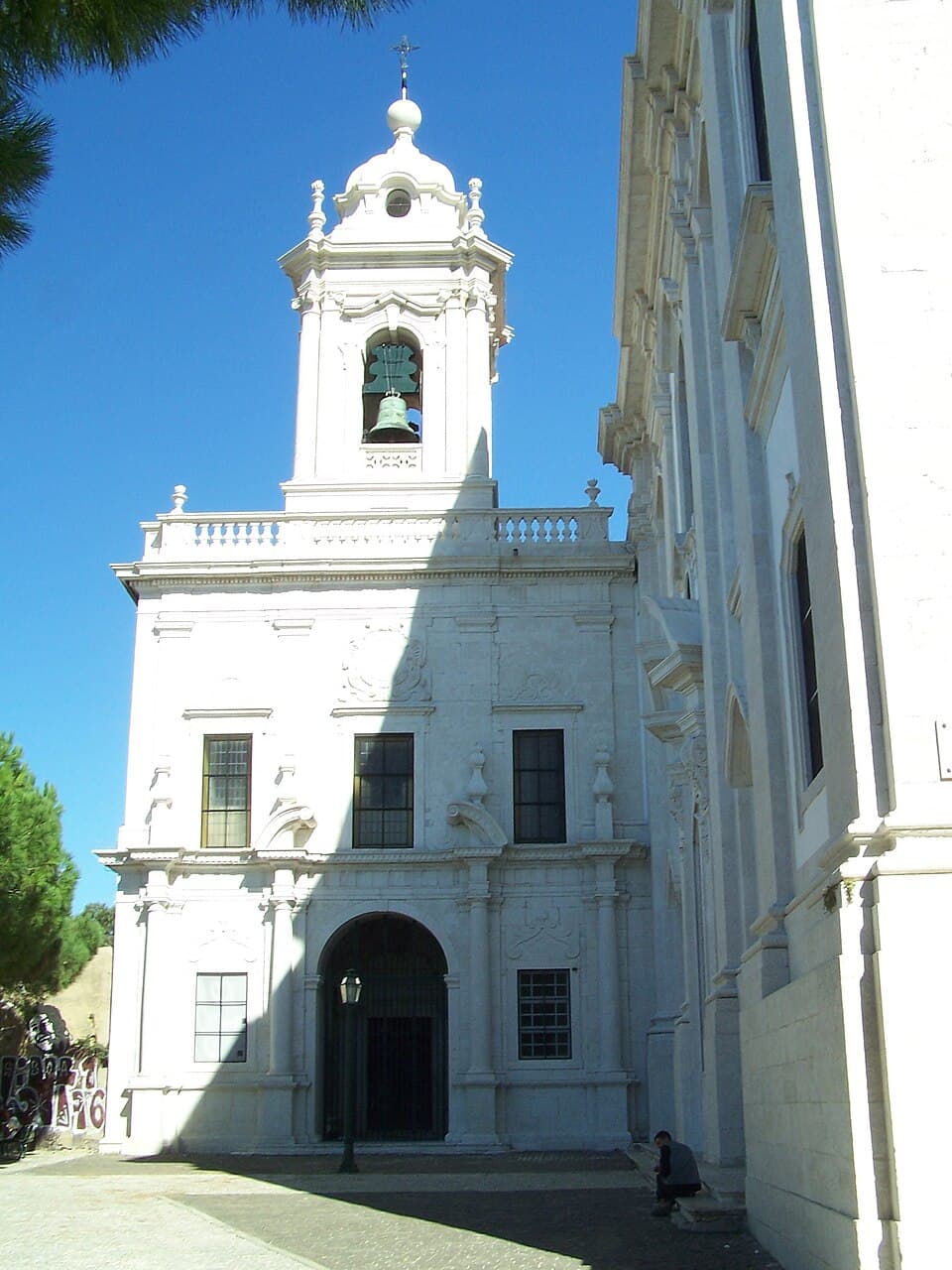
Largo da Graça
Neighbourhood square atop the Graça hill
This stop presents Largo da Graça as the social heart of the Graça neighbourhood, a plateau-like square on the hill. Narration should explore its role as a local meeting place with cafés, kiosks, and small shops, contrasting with touristic Baixa. The guide can mention the nearby convent and viewpoint, and how the tram or bus routes climbing here shaped daily routines. Architectural notes include the mix of older buildings with azulejos and modest 20th-century blocks. One anecdote might describe how on certain afternoons locals gather at kiosks to discuss football or politics, giving a sense of lived-in community. Another could mention how the square fills with neighbourhood festivities during traditional summer “santos populares” celebrations, with makeshift grills and music.
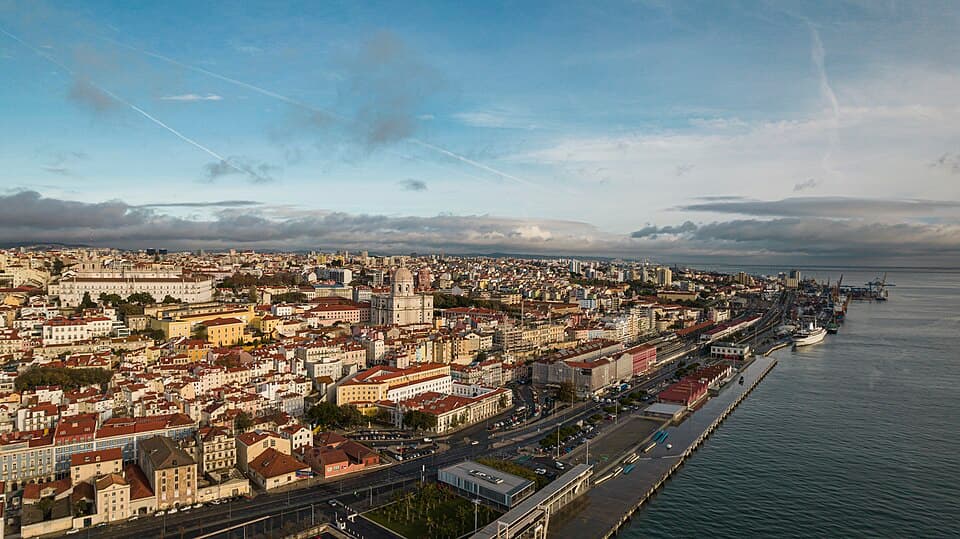
Miradouro da Graça
Sophia viewpoint over castle, river, Baixa
This stop highlights Miradouro da Graça, officially named after poet Sophia de Mello Breyner Andresen, as a key Lisbon viewpoint. Narration should focus on the sweeping panorama of São Jorge Castle, Baixa’s grid, the Tagus River, and the 25 de Abril Bridge. The guide can briefly introduce Sophia as an important 20th-century Portuguese poet, noting her statue or inscription here, and connect her contemplative writing to the view. Attention should be given to the church and convent buildings behind, the café terrace, and the characteristic stone balustrades. One anecdote might recall how locals and students have long treated this miradouro as a quiet place to talk late into the evening. Another can mention how photographers often return at sunrise or sunset to capture changing light over the city’s rooftops.
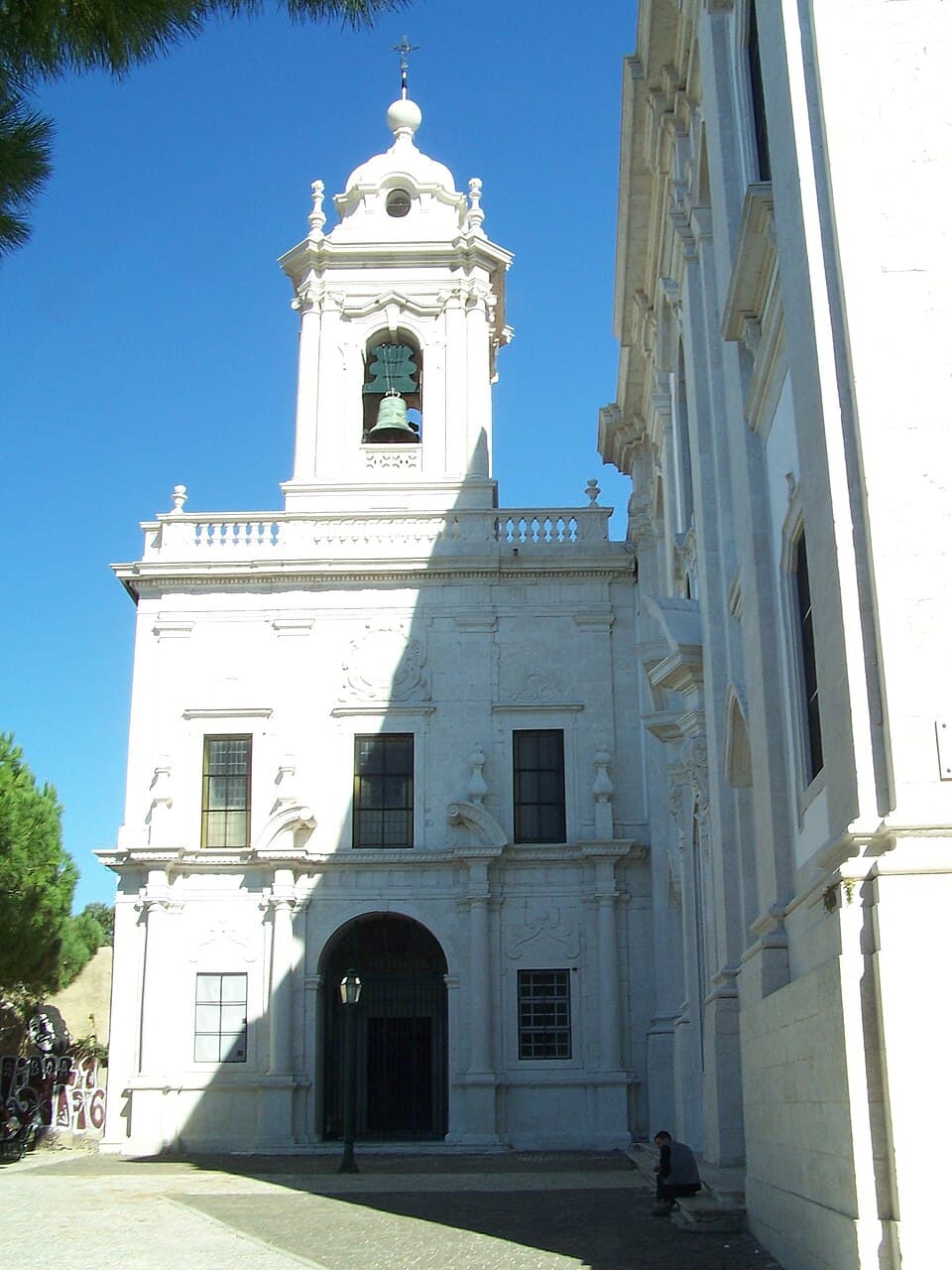
Igreja e Convento da Graça
Hilltop church and former Augustinian convent
This stop examines the exterior of Igreja e Convento da Graça as a massive religious and historical presence on the hill. Narration should touch on its medieval origins and later rebuilding, noting that the convent belonged to the Augustinian order and held strategic importance due to its elevated position. The façade’s sober lines, stone portals, and any visible azulejos or carvings can be described, along with the adjoining cloister volumes. One anecdote might mention that during times of siege or unrest, the complex’s hilltop location made it a vantage point for troops and lookouts. Another can suggest how processions once wound from the church down through the neighbourhood, binding religious life with the surrounding streets.
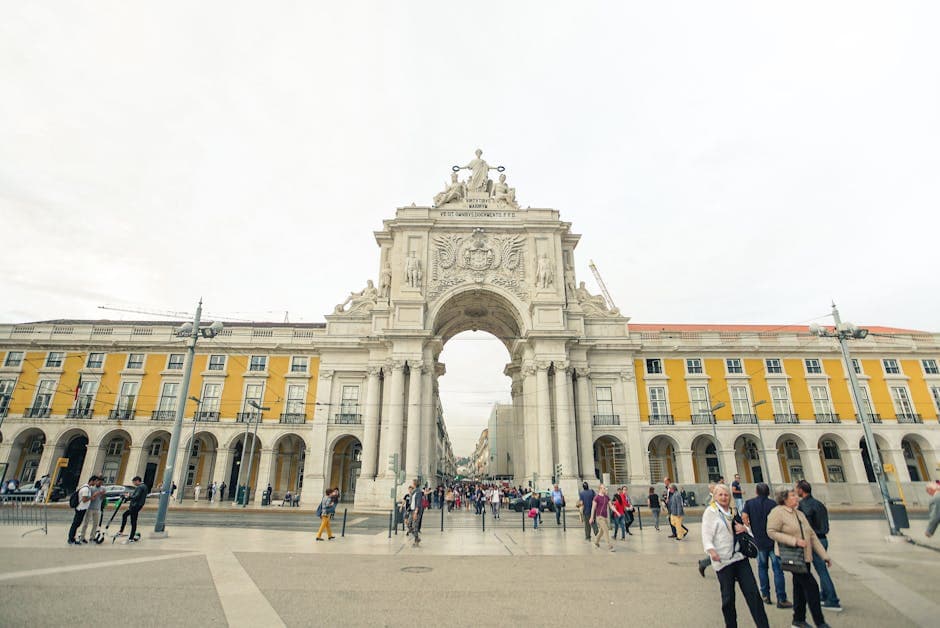
Rua da Voz do Operário
Workers’ street above the tram 28 tracks
This stop uses Rua da Voz do Operário as a balcony-like street overlooking tram 28’s path and Alfama’s rooftops. Narration should explain that the street is named after “A Voz do Operário”, a historic workers’ association and newspaper linked to labour movements and education initiatives. The guide can point out the slope toward São Vicente de Fora and the tram lines threading through the valley below. Architectural details include tiled façades, school or association buildings, and glimpses of laundry-lined patios. One anecdote might relate how the workers’ association organized social events and cultural activities for families in tougher economic times. Another could note that locals still mark school-year milestones here, with children gathering at the association’s facilities before scattering back into the steep neighbourhood streets.
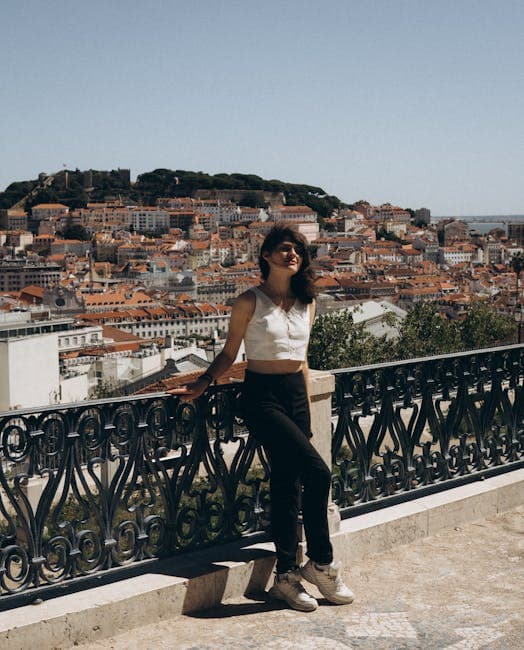
Miradouro da Senhora do Monte
Highest hilltop view over Lisbon and castle
This stop presents Miradouro da Senhora do Monte as one of Lisbon’s highest and widest viewpoints. Narration should describe the sweeping 180-degree views over the castle, Baixa, the river, and the eastern hills, as well as the small chapel and pine trees that frame the terrace. The guide can briefly mention the Marian devotion linked to the chapel and its role as a place of quiet reflection compared with busier viewpoints. One anecdote might describe how couples and families come here in the evenings with simple picnics to watch the city lights appear. Another can note that during certain religious feast days, small gatherings or prayers take place by the chapel, adding a more intimate layer to the panoramic setting.
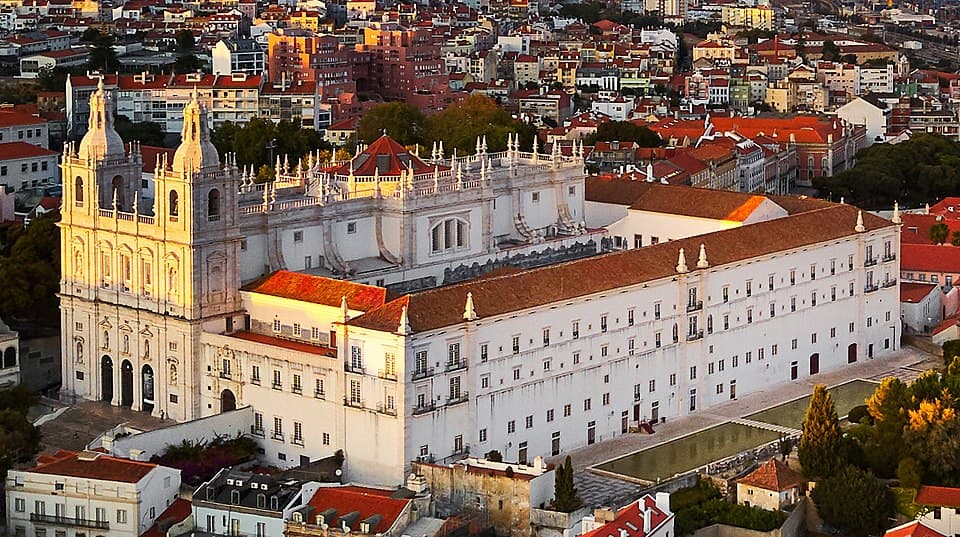
Igreja de São Vicente de Fora
Royal church with stark white façade and tiles
This stop centers on the exterior of Igreja de São Vicente de Fora, a major monastic church and royal pantheon overlooking Alfama. Narration should introduce its dedication to Saint Vincent, Lisbon’s patron, and the “de Fora” name indicating its position outside older city walls. The guide can describe the imposing white façade, twin bell towers, and classical lines influenced by Italian styles. Without going inside, mention that the interior and cloisters house elaborate baroque decoration and extensive azulejo panels, as well as tombs of Braganza monarchs. One anecdote might recount the tradition that Saint Vincent’s relics were brought to Lisbon by boat, linking the church symbolically to the river below. Another could describe how the church’s façade acts as a landmark for sailors and later ferry passengers approaching the city.

Feira da Ladra Area
Flea market square at Campo de Santa Clara
This stop explores the Feira da Ladra area around Campo de Santa Clara, focusing either on the flea market in action or the empty square as a market space. Narration should explain that Feira da Ladra is one of Lisbon’s oldest flea markets, associated with second-hand goods, antiques, and everyday objects. The square’s setting, surrounded by modest buildings and the presence of São Vicente de Fora and the National Pantheon nearby, should be described. One anecdote might outline how stallholders traditionally arrive early to spread blankets and tables, creating an improvised landscape of objects from vinyl records to old tools. Another can note that on non-market days, traces like painted stall numbers or hooks on walls hint at the square’s periodic transformation into a bustling bazaar.
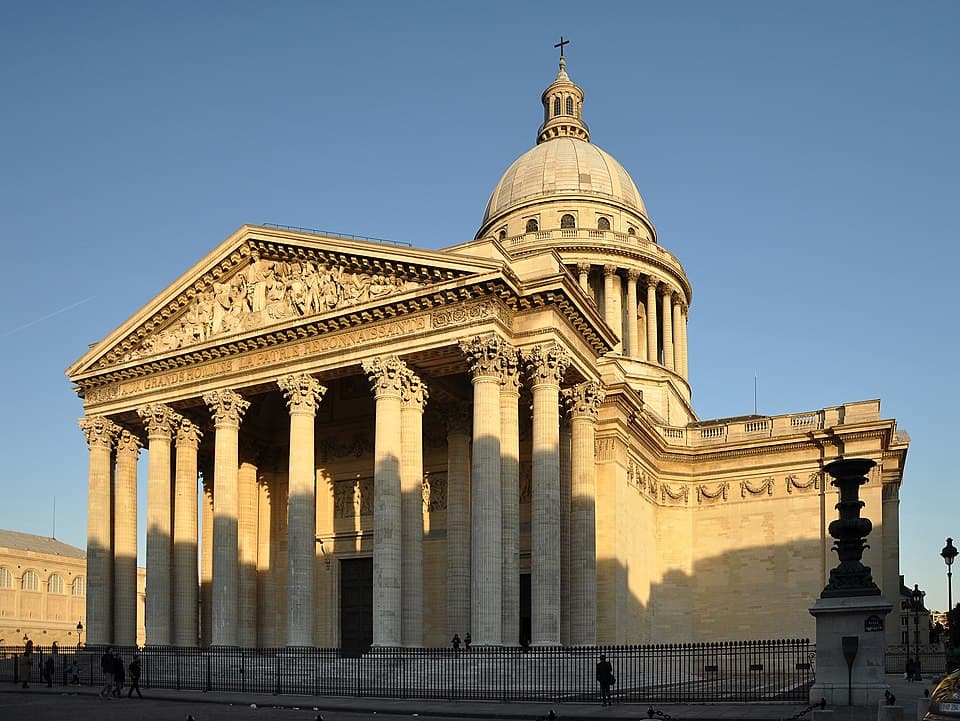
National Pantheon Exterior
Domed former church overlooking Alfama and river
This stop focuses on the exterior terrace and dome of the National Pantheon, also known as Panteão Nacional, and its relationship to the surrounding neighbourhood and riverfront. Narration should explain that the building began as the Church of Santa Engrácia and was later converted into a pantheon for notable Portuguese figures. The guide can describe the baroque-inspired façade, large dome, and position above the cruise terminal and port area. One anecdote might reference how the building’s long construction timeline became proverbial in Portuguese for something that takes a very long time to finish. Another could mention that from the terrace, visitors can visually trace connections between the monuments on nearby hills and the ships and ferries on the Tagus below.
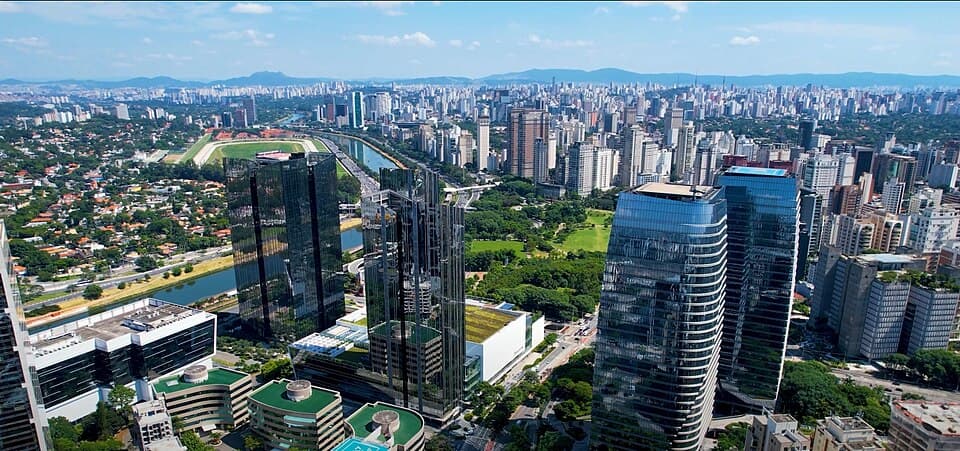
Calçada de São Vicente Descent
Stepped street down toward Alfama rooftops
This final stop uses the descent along Calçada de São Vicente as a transition from monumental hilltop to the intimate fabric of Alfama. Narration should emphasize the steep, stepped street, close façades, small balconies, and occasional glimpses of the river and rooftops between buildings. The guide can reflect on how such calçadas have shaped daily routines, from carrying groceries uphill to children playing on the steps. One anecdote might describe how neighbours lean from windows to chat or pass small items between balconies, illustrating social life in dense quarters. Another could note how musicians or street sellers sometimes move along these lanes, their sounds carrying up and down the slopes, tying back to Lisbon’s broader soundscape. This stop should gently wrap up the tour and encourage further exploration of Alfama below.
Start This Tour
Download Roamway to experience this audio tour
Tour Details
Access
Free
Stops
12 points of interest
Languages
GermanEnglishSpanishFrench
More tours in Lisboa
View all tours in LisboaOther tours you might enjoy:
Lisbon Baixa & Chiado: Pombaline Center and City Life
This tour explores Lisbon’s Baixa and Chiado districts, from Praça do Comércio and Rua Augusta to Rossio, Figueira, and Largo do Chiado. It examines post-1755 Pombaline urban planning, neoclassical and iron architecture, religious and civic spaces, and daily commercial life, highlighting contrasts between riverfront, downtown grid, and upper town areas.
Lisbon Alfama: Viewpoints, Cathedral, Fado and Castle History
This tour explores Lisbon’s historic Alfama district, from the viewpoints of Santa Luzia and Portas do Sol to the Cathedral (Sé), Santo António Church, and São Jorge Castle. It includes Roman remains, medieval streets, and fado heritage, focusing on urban evolution, religious architecture, local traditions, and panoramic city views.
Lisbon Belém: Monuments, Riverfront History & Monastery Art
This tour explores Lisbon’s Belém district along the Tagus riverfront, from the ferry area and MAAT to Belém Tower and the Monument to the Discoveries. It examines Portugal’s Age of Discoveries, industrial heritage, and religious architecture at Jerónimos Monastery, and includes gardens, memorials, and the historic Pastéis de Belém pastry shop exterior.
Frequently Asked Questions
How do I start this audio tour?
Download the Roamway app, search for this tour, and tap 'Start Tour'. The app will guide you to the starting point using GPS. Once you're there, the audio narration begins automatically.
Do I need an internet connection?
No! Once you've downloaded the tour in the Roamway app, it works completely offline. The GPS navigation and audio narration function without an internet connection.
Can I pause and resume the tour?
Yes! You can pause the tour at any time and resume later. Your progress is automatically saved, so you can complete the tour over multiple sessions if needed.