
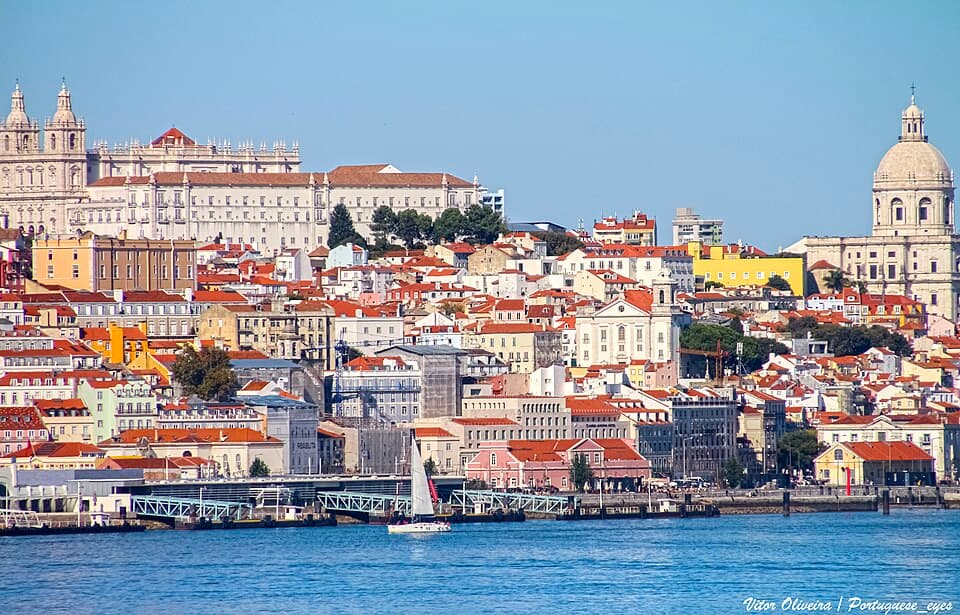
Lisbon Belém: Monuments, Riverfront History & Monastery Art
Lisboa, Portugal
Audio Preview
Listen to a sample of this audio tour to get a feel for the experience.
What You'll Experience
On this Lisbon Belém: Monuments, Riverfront History & Monastery Art audio tour in Lisboa, you'll discover 12 carefully selected points of interest, each with its own story. The tour is designed to be completed at your own pace, with GPS navigation guiding you from one location to the next. As you approach each stop, the audio narration automatically begins, bringing history, culture, and local insights to life.
About This Tour
This tour explores Lisbon’s Belém district along the Tagus riverfront, from the ferry area and MAAT to Belém Tower and the Monument to the Discoveries. It examines Portugal’s Age of Discoveries, industrial heritage, and religious architecture at Jerónimos Monastery, and includes gardens, memorials, and the historic Pastéis de Belém pastry shop exterior.
Points of Interest
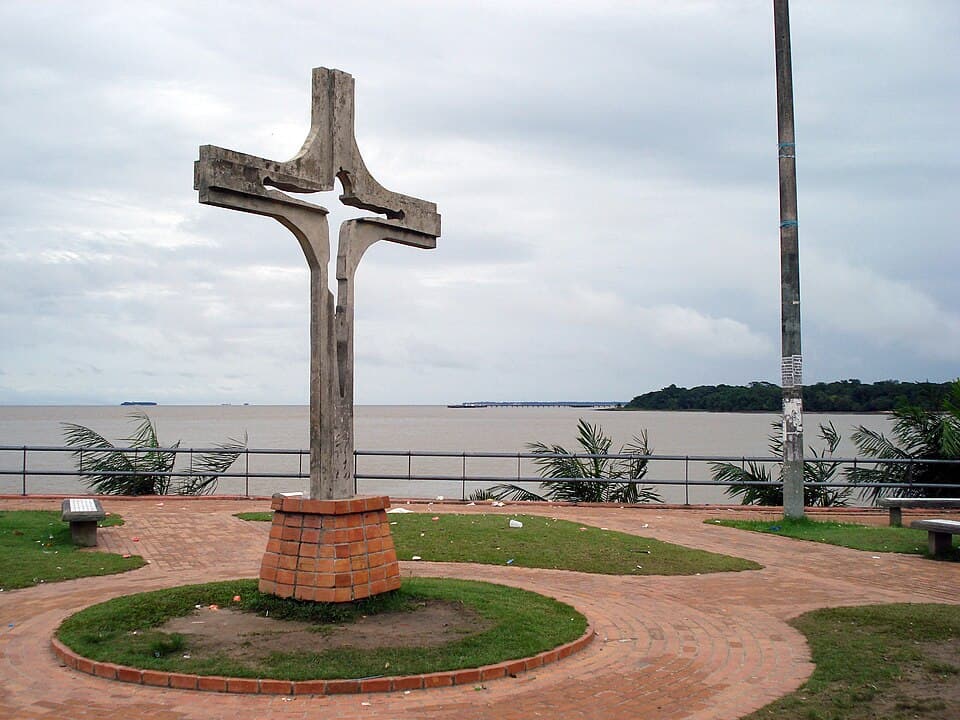
Belém Ferry Waterfront
River gateway linking modern Lisbon and empire
This stop uses the Belém ferry and train station area to introduce Belém as Lisbon’s historic gateway between city and sea. The narration should evoke the Tagus estuary as a sheltered harbor from which caravels once departed, contrasting with today’s commuter boats and trains. It should frame Portugal’s Age of Discoveries, explaining how ships left from the broader Lisbon waterfront, including this stretch. One anecdote can describe early 16th‑century send‑off ceremonies, with crowds gathering to watch fleets sail, while another might note how the arrival of the railway transformed Belém from a semi‑rural outpost into a day‑trip destination for Lisbon residents. The stop sets the scene and previews themes of exploration, faith, industry, and memory.
MAAT Riverside Exterior
Swooping riverside museum of light and curves
This stop focuses on the exterior of MAAT and the riverside path around it, emphasizing its fluid, low‑slung form and connection to the Tagus. The narration should describe its tiled, shell‑like skin, rooftop viewpoint, and how sunlight and water reflections interact with the architecture. It can explain that MAAT represents contemporary Lisbon’s investment in culture and design, sitting beside the older Tejo power station. One anecdote might recount how locals quickly adopted the museum’s roof as a sunset viewing spot even before exploring exhibitions inside, while another can describe an early, much‑photographed art installation that spilled light from the building onto the riverfront at night. The stop should underline contrasts between 21st‑century architecture and the historic monuments further west.
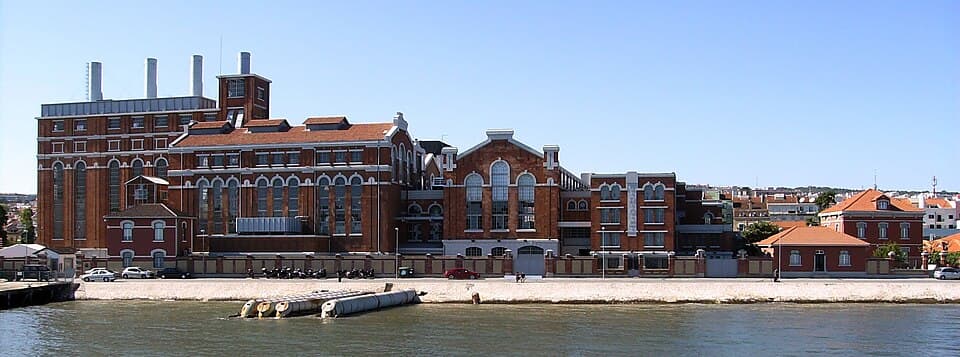
Central Tejo Power Station
Red-brick giant of Lisbon’s electric age
This stop looks at Central Tejo’s exterior as a monumental early 20th‑century power station that electrified much of Lisbon. The narration should point out its red‑brick industrial façade, tall chimneys, metal window frames, and the mix of architectural styles reflecting expansions over time. It should explain how coal once arrived by river, was burned in huge boilers, and powered turbines inside, changing urban life with electric lighting and trams. One anecdote can recount how the plant’s night‑time glow over the river became a familiar sight for generations of Lisboetas, while another might describe workers’ shifts and the heat and noise they endured. The stop should highlight the building’s current role as a museum, symbolizing industrial heritage repurposed for culture.
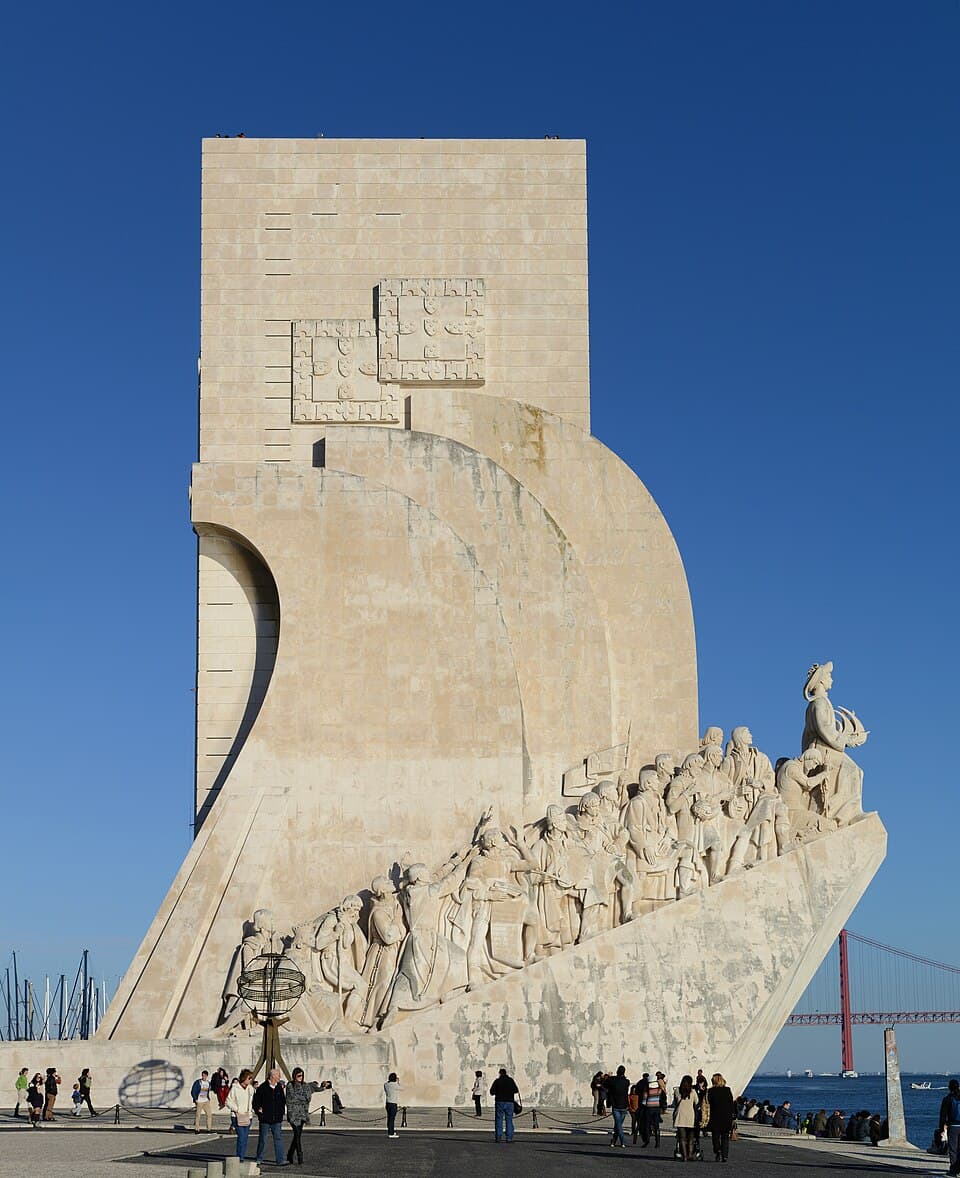
Monument to the Discoveries
Stone prow celebrating Portugal’s maritime heroes
This stop centers on the Padrão dos Descobrimentos, explaining its 20th‑century origins as a monumental tribute to Portugal’s Age of Discoveries. The narration should describe its ship‑prow shape, river‑facing stance, and the sculpted figures of Henry the Navigator and other navigators, monarchs, cartographers, and missionaries stepping forward. It should note its first temporary version for a 1940 exhibition and later reconstruction in stone, linking it to the Estado Novo regime’s use of imperial imagery. One anecdote can mention the rooftop viewpoint that lets visitors look down on the nearby compass rose pavement, while another can highlight a specific lesser‑known figure on the monument, such as a cartographer, and explain that person’s contribution to global navigation. The stop should balance admiration for maritime skill with reflection on the colonial and commercial consequences of these voyages.
Belém Tower Gardens
Green approach framing views of the tower
This stop uses Jardim da Torre de Belém as a pause between the monumental Padrão and the tower itself. The narration should describe the lawns, trees, and pathways, and how the garden frames views of Belém Tower against the Tagus. It can situate the garden as part of 20th‑century efforts to beautify the riverfront, contrasting with the tower’s original defensive isolation in the water. One anecdote might note that these lawns host community events and informal football games beneath the tower’s silhouette, while another can describe a past temporary art installation or military parade that used the park as a backdrop. The stop should help listeners imagine the earlier, more rugged riverscape before landscaping and land reclamation changed the shoreline.
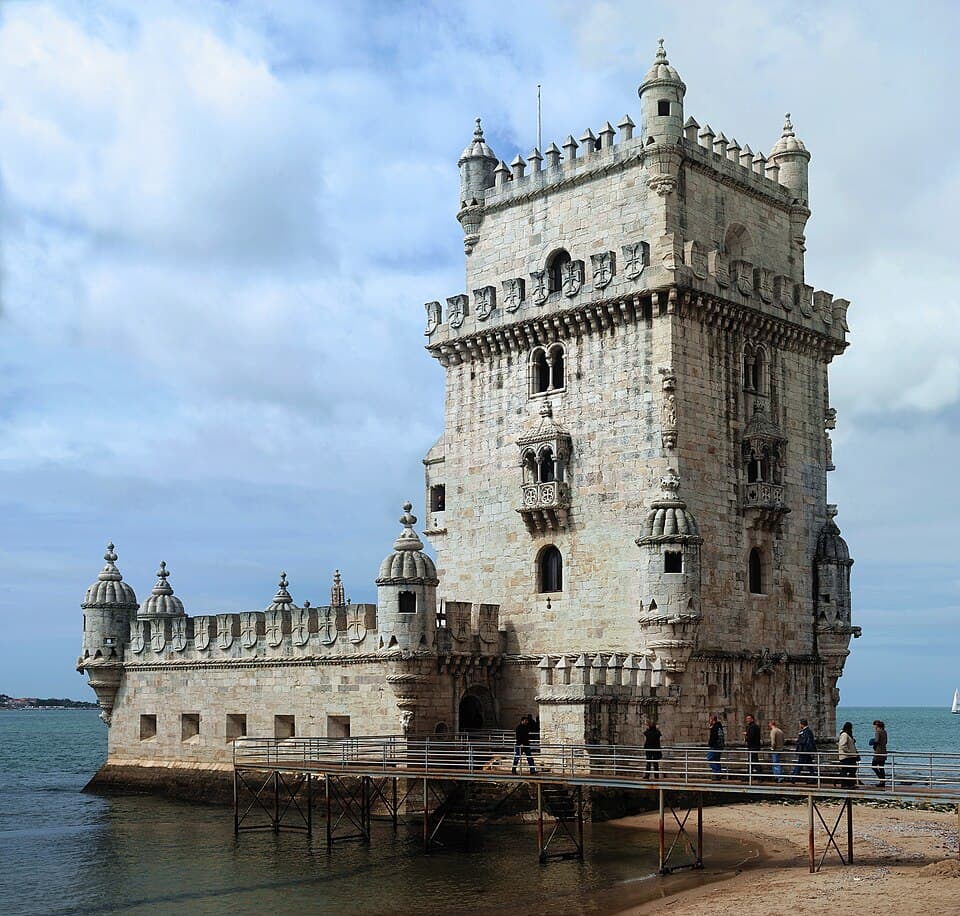
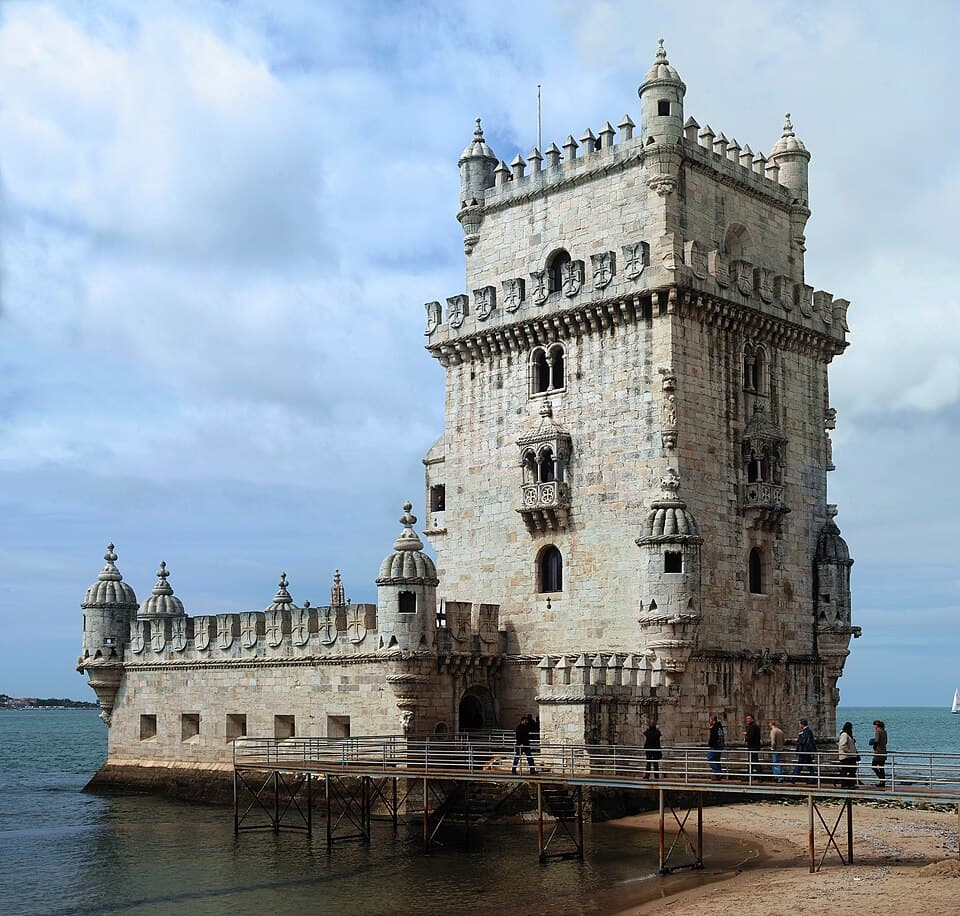
Belém Tower
Riverside fortress guarding Lisbon’s seaward gate
This stop focuses on Belém Tower as a 16th‑century fortress turned symbol of Lisbon. The narration should describe its Manueline style: carved ropes and knots, maritime symbols, ornate balconies, and the small bastion jutting into the river. It should explain the tower’s original role in defending the Tagus approach, controlling shipping, and complementing other river defenses, later losing military importance and gaining romantic and commemorative value. One anecdote can recount how changing river currents and land reclamation gradually left the tower closer to shore than in its early days, while another might mention episodes when it served as a prison or customs post. The stop should underline its UNESCO status and invite reflection on how a practical military structure became an icon of Portugal’s maritime identity.
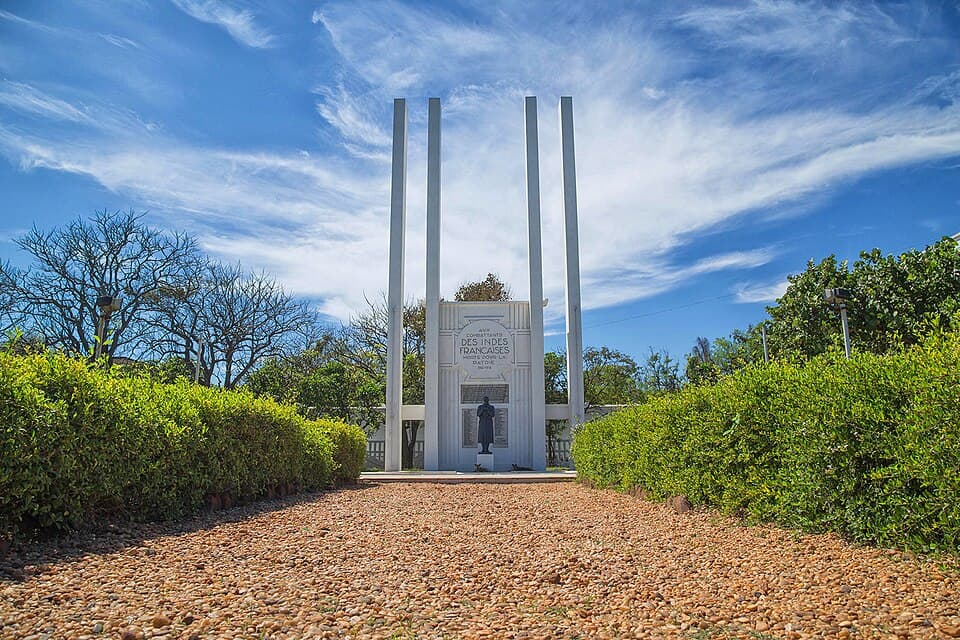
Overseas Combatants Memorial
Geometric memorial to Portugal’s colonial war dead
This stop examines the Monumento aos Combatentes do Ultramar as a modern memorial to Portuguese soldiers who died in overseas conflicts, particularly the colonial wars in Africa. The narration should describe the angular, pavilion‑like structure over the water, its reflecting pool, and the eternal flame. It should explain that the names of thousands of soldiers are inscribed nearby, and that official ceremonies are held here to honor veterans and the dead. One anecdote could recount how veterans’ associations lobbied for a national memorial after the end of the colonial wars, while another might note how families sometimes leave small personal tokens or flowers at specific panels. The stop should provide a sober counterpoint to earlier celebratory monuments, hinting at the costs of empire and the complexities of memory.
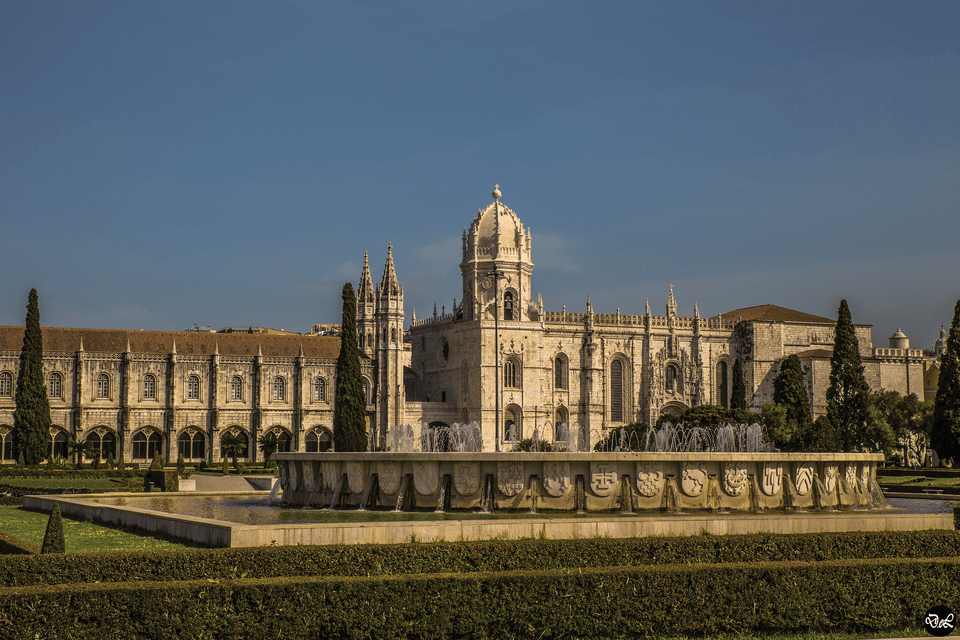
Jerónimos Monastery Façade
Manueline stone lace born of maritime wealth
This stop explores the exterior façade and cloister area of Jerónimos Monastery as a masterpiece of Manueline architecture. The narration should describe the cream‑colored limestone, ornate portal, sculpted columns, maritime and botanical motifs, and the long façade stretching along the Praça do Império. It should explain that the monastery was founded in the early 16th century, funded by profits from spice trade and overseas ventures, and associated with the Order of St. Jerome. One anecdote can focus on a specific relief above the main portal that blends royal imagery with religious scenes, while another might describe the rhythm of monastic life in the cloister, contrasting its quiet arcades with today’s tourist footfall. The stop should emphasize the building’s UNESCO status and its role as a visual statement of royal power and piety.
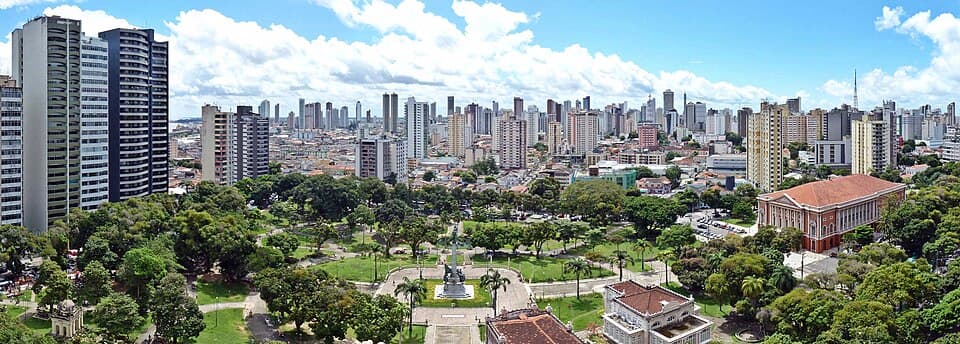
Santa Maria de Belém Church
Gothic-Manueline nave of stone, light and tombs
This stop concentrates on the interior of the Church of Santa Maria de Belém, attached to Jerónimos Monastery. The narration should describe the high, slender columns, ribbed vaulting, filtered light, and side chapels rich with tombs and altarpieces. It should explain the church’s link to Portugal’s royal family and to notable burials, such as famed figures from the Age of Discoveries and national literature. One anecdote could guide listeners’ eyes to a particular tomb and discuss how its decoration presents that person as a hero of faith and nation, while another might describe how locals historically attended mass here on the eve of important voyages. The stop should highlight the church as a spiritual counterpart to the monastery’s more public façade.
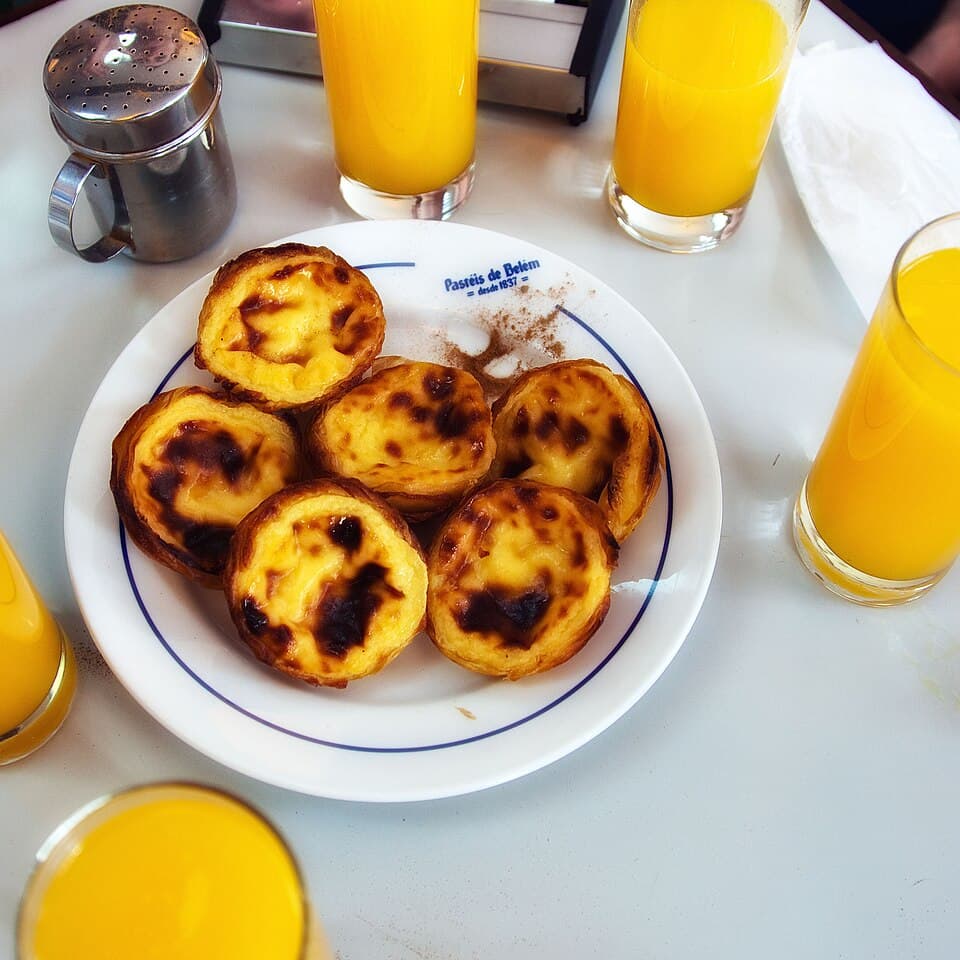
Pastéis de Belém Shop
Historic bakery tied to monastic sweet traditions
This stop presents the exterior of Pastéis de Belém as a living link between monastic baking and modern Lisbon food culture. The narration should describe the blue‑and‑white tiled façade, traditional signage, and often‑busy doorway. It should explain that the recipe for these custard tarts was developed by monks in the nearby monastery and later passed to the bakery’s founders in the 19th century, becoming a tightly guarded secret. One anecdote can mention how, during periods of political or economic turmoil, locals still queued here for a small taste of comfort, while another might describe early accounts from travelers who singled out these pastries as a highlight of their visit. The stop should connect food, memory, and the neighborhood’s religious past without overlapping stories from the monastery stop.

Jardim Vasco da Gama
Shaded square linking riverfront and monastery
This stop uses Jardim Vasco da Gama as a moment of green space between busy streets and major monuments. The narration should describe its trees, benches, paths, and central statues or fountains, noting how locals and visitors rest here between the riverfront and Jerónimos Monastery. It can briefly introduce Vasco da Gama as a key figure in Portugal’s maritime expansion, while avoiding duplication of stories from other stops. One anecdote might recall how this garden has hosted small civic gatherings or neighborhood festivals, while another can note that for many Lisboetas, childhood memories of feeding pigeons or buying ice cream here are intertwined with the grand monuments nearby. The stop should highlight everyday urban life coexisting with grand historical narratives.
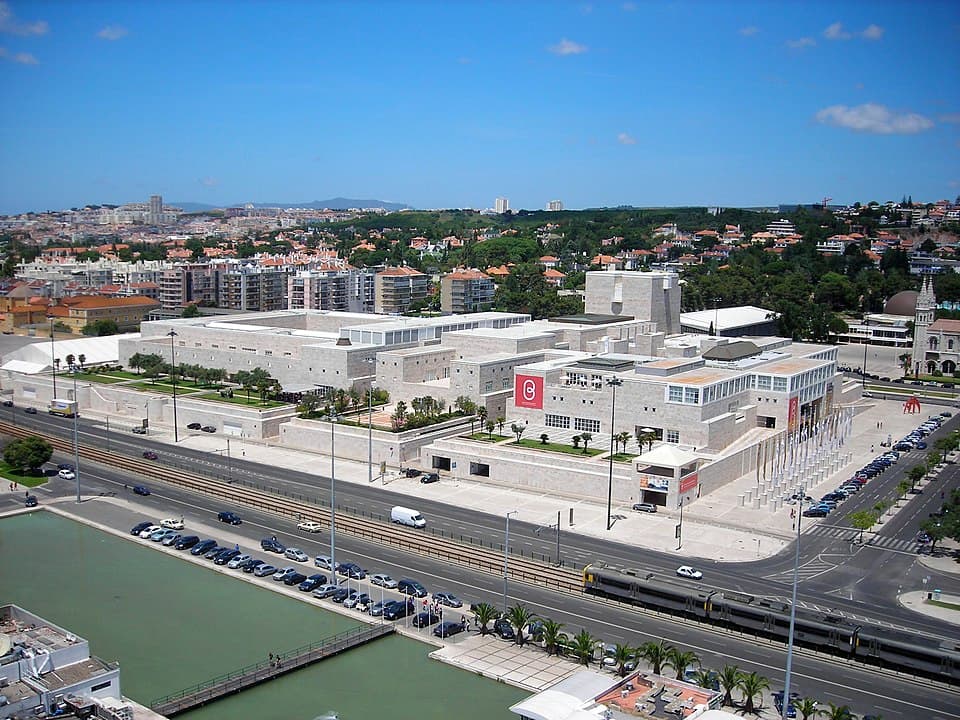
Centro Cultural de Belém
Modern cultural complex facing monastery and river
This final stop examines the exterior and plaza of the Centro Cultural de Belém as a late‑20th‑century cultural landmark. The narration should describe its pale stone blocks, geometric volumes, courtyards, and broad terraces, and how the complex stretches between the riverfront and the monastery. It should explain that CCB was built to host major cultural events and exhibitions, symbolizing Portugal’s turn toward contemporary arts in the post‑dictatorship era. One anecdote can mention its role in hosting international summits or notable performances, while another might describe how locals use the plaza for informal skateboarding, sunbathing, or people‑watching. As the final stop, it should tie together themes of heritage and modernity, inviting reflection on how Belém continues to evolve.
Start This Tour
Download Roamway to experience this audio tour
Tour Details
Access
Free
Stops
12 points of interest
Languages
GermanEnglishSpanishFrench
More tours in Lisboa
View all tours in LisboaOther tours you might enjoy:
Lisbon Baixa & Chiado: Pombaline Center and City Life
This tour explores Lisbon’s Baixa and Chiado districts, from Praça do Comércio and Rua Augusta to Rossio, Figueira, and Largo do Chiado. It examines post-1755 Pombaline urban planning, neoclassical and iron architecture, religious and civic spaces, and daily commercial life, highlighting contrasts between riverfront, downtown grid, and upper town areas.
Lisbon Alfama: Viewpoints, Cathedral, Fado and Castle History
This tour explores Lisbon’s historic Alfama district, from the viewpoints of Santa Luzia and Portas do Sol to the Cathedral (Sé), Santo António Church, and São Jorge Castle. It includes Roman remains, medieval streets, and fado heritage, focusing on urban evolution, religious architecture, local traditions, and panoramic city views.
Lisbon: Mouraria, Graça & Alfama Hilltop Views
This tour explores Lisbon’s historic hill neighborhoods from Praça da Figueira through Mouraria and Graça to the edges of Alfama. It includes viewpoints such as Miradouro da Graça and Senhora do Monte, tram 28 routes, churches and convents, azulejo-clad façades, and the National Pantheon exterior, focusing on urban history, architecture, and everyday local life.
Frequently Asked Questions
How do I start this audio tour?
Download the Roamway app, search for this tour, and tap 'Start Tour'. The app will guide you to the starting point using GPS. Once you're there, the audio narration begins automatically.
Do I need an internet connection?
No! Once you've downloaded the tour in the Roamway app, it works completely offline. The GPS navigation and audio narration function without an internet connection.
Can I pause and resume the tour?
Yes! You can pause the tour at any time and resume later. Your progress is automatically saved, so you can complete the tour over multiple sessions if needed.