
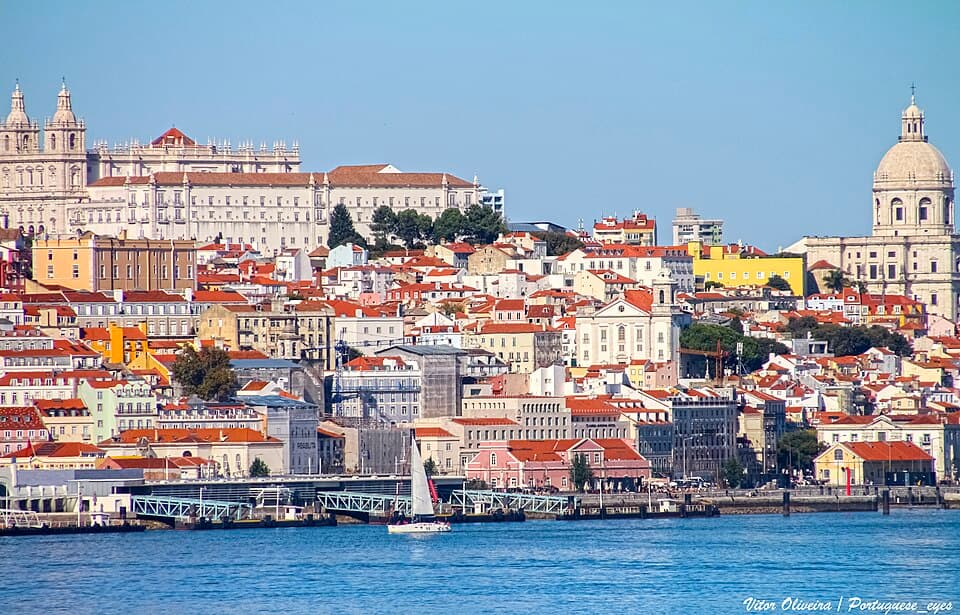
Lisbon Alfama: Viewpoints, Cathedral, Fado and Castle History
Lisboa, Portugal
Audio Preview
Listen to a sample of this audio tour to get a feel for the experience.
What You'll Experience
On this Lisbon Alfama: Viewpoints, Cathedral, Fado and Castle History audio tour in Lisboa, you'll discover 12 carefully selected points of interest, each with its own story. The tour is designed to be completed at your own pace, with GPS navigation guiding you from one location to the next. As you approach each stop, the audio narration automatically begins, bringing history, culture, and local insights to life.
About This Tour
This tour explores Lisbon’s historic Alfama district, from the viewpoints of Santa Luzia and Portas do Sol to the Cathedral (Sé), Santo António Church, and São Jorge Castle. It includes Roman remains, medieval streets, and fado heritage, focusing on urban evolution, religious architecture, local traditions, and panoramic city views.
Points of Interest
Miradouro de Santa Luzia
Terraced views over Alfama’s tiled rooftops
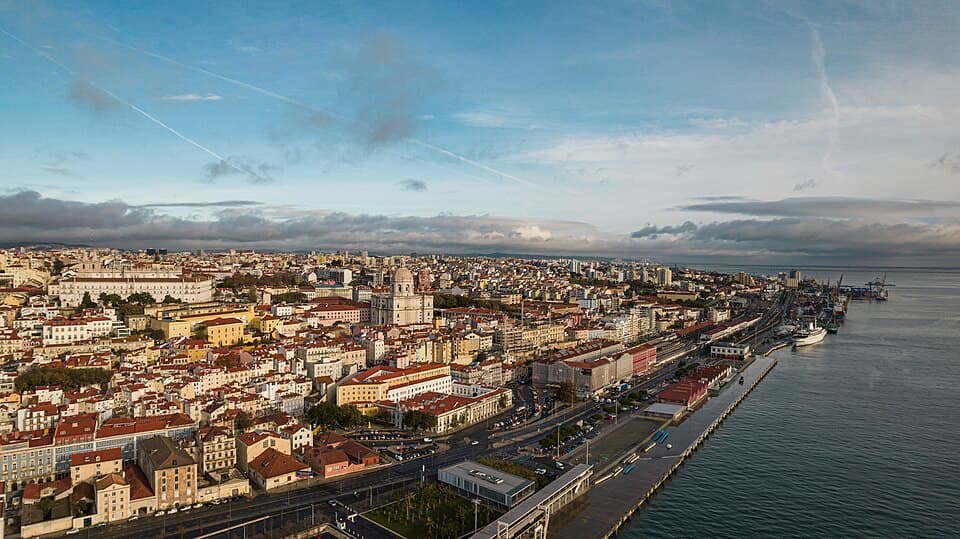
This stop introduces visitors to Alfama from above, using the Santa Luzia terrace to orient them to the hill, the Tagus, and nearby landmarks like the cathedral and São Jorge Castle. Narration should describe the pergolas, bougainvillea, and azulejo panels that depict historic scenes, including a stylized view of pre-earthquake Lisbon. It should explain how Alfama’s medieval street plan survived the 1755 earthquake better than Baixa and how this affects the view today. One anecdote can highlight how local couples and painters have long used this terrace as a romantic and artistic vantage point, well before it became a standard tourist stop. Another can mention how traditional processions sometimes pause here, turning the viewpoint into a temporary open-air chapel.
Portas do Sol Viewpoint
Gateway terrace overlooking Alfama rooftops
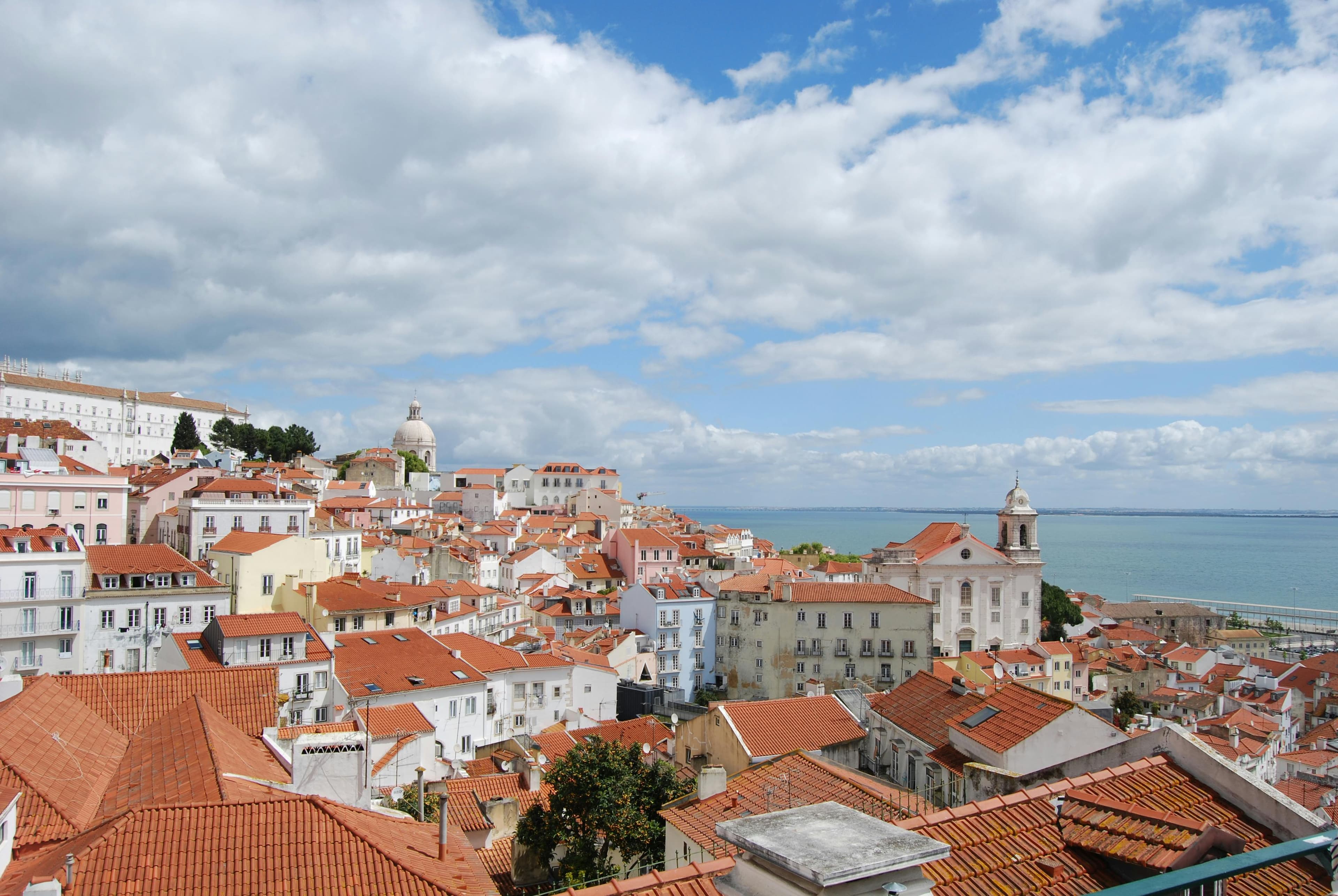
This stop uses the Portas do Sol terrace to focus on Alfama’s upper edge, the line of former city walls, and the idea of Lisbon’s eastern “gate to the sun.” Narration should explain that the medieval city gate once stood nearby, controlling access from the east, and that the modern terrace keeps the name while serving as a balcony over the district. It should draw attention to tram 28’s curve around the square, tying in public transport as today’s “gateway.” One anecdote may describe how, in the past, farmers and fish vendors entered through this area at dawn, loading the city with fresh produce. Another can recall how local residents used the square as an informal lookout during naval parades or visits by important ships on the Tagus.
Largo das Portas do Sol
Square with São Vicente watching over Alfama
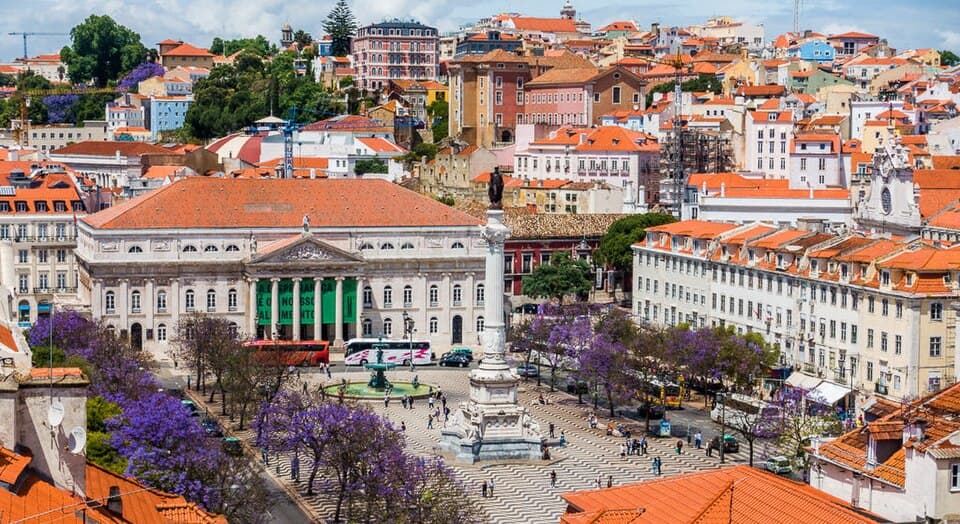
Here the focus shifts from the terrace view to the square itself and the statue of São Vicente, Lisbon’s patron saint. Narration should introduce São Vicente’s importance to the city’s identity and link him symbolically to protection over sailors and the harbor below. It should describe the statue’s iconography—typically a boat and ravens—and connect this to the legend of the saint’s relics being transported by sea. One anecdote can recount how local folklore says the ravens guarded the saint’s remains as they traveled toward Lisbon. Another can evoke how municipal ceremonies and civic celebrations sometimes gather here around the statue, using it as a symbolic guardian of the eastern approach to the old city.
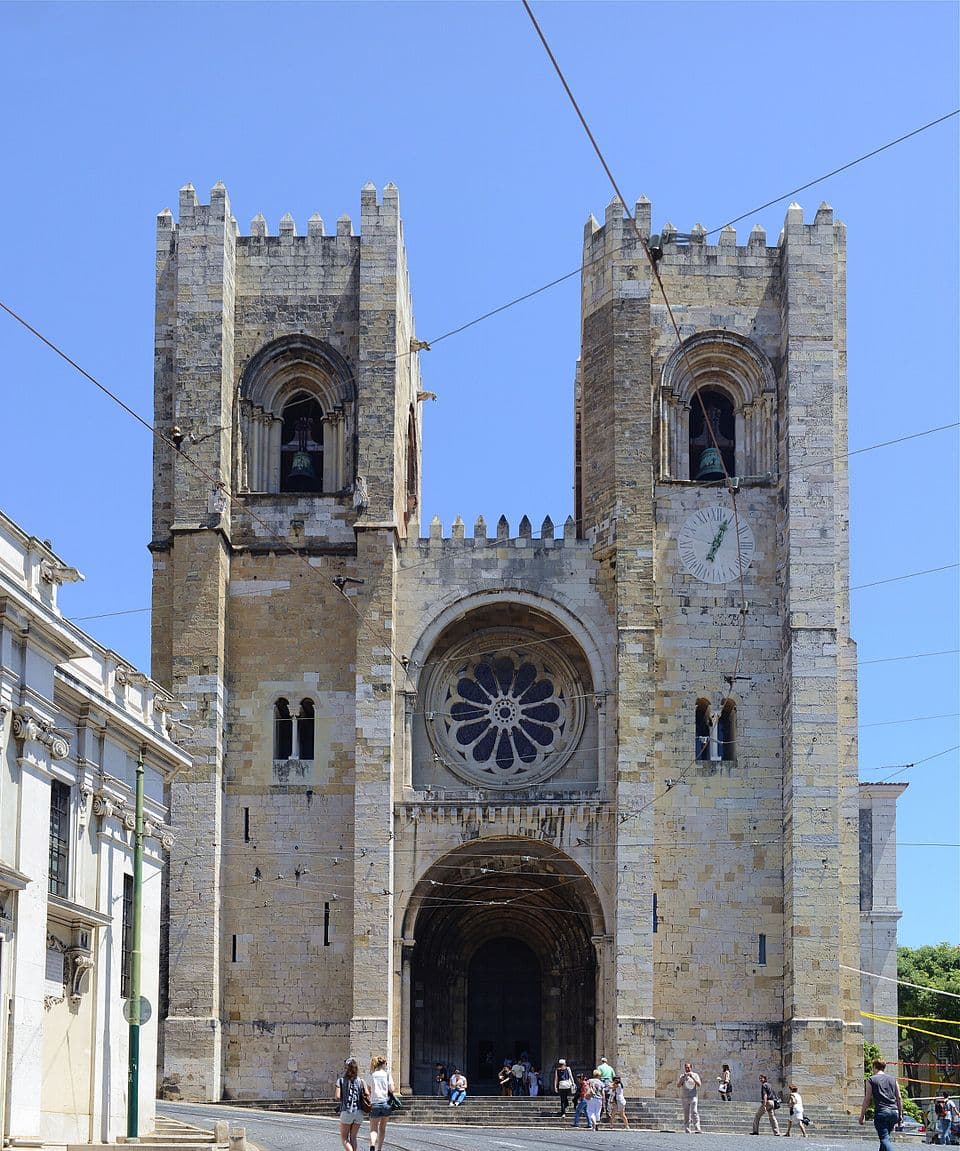
Lisbon Cathedral
Medieval fortress-church guarding Lisbon’s heart
At the Sé, narration should emphasize the cathedral’s fortress-like Romanesque façade, twin towers, rose window, and later Gothic and baroque alterations. It should outline the site’s layered history, including the belief that a mosque once stood here during Islamic rule and the cathedral’s role after the Christian reconquest. Visitors should hear about royal weddings, baptisms, and the cathedral’s status as the bishop’s seat. One anecdote can mention the tradition that Saint Anthony was baptized here, connecting to the nearby church dedicated to him. Another can highlight how repeated earthquakes damaged and reshaped the cathedral, leading to visible mixtures of styles inside and out.
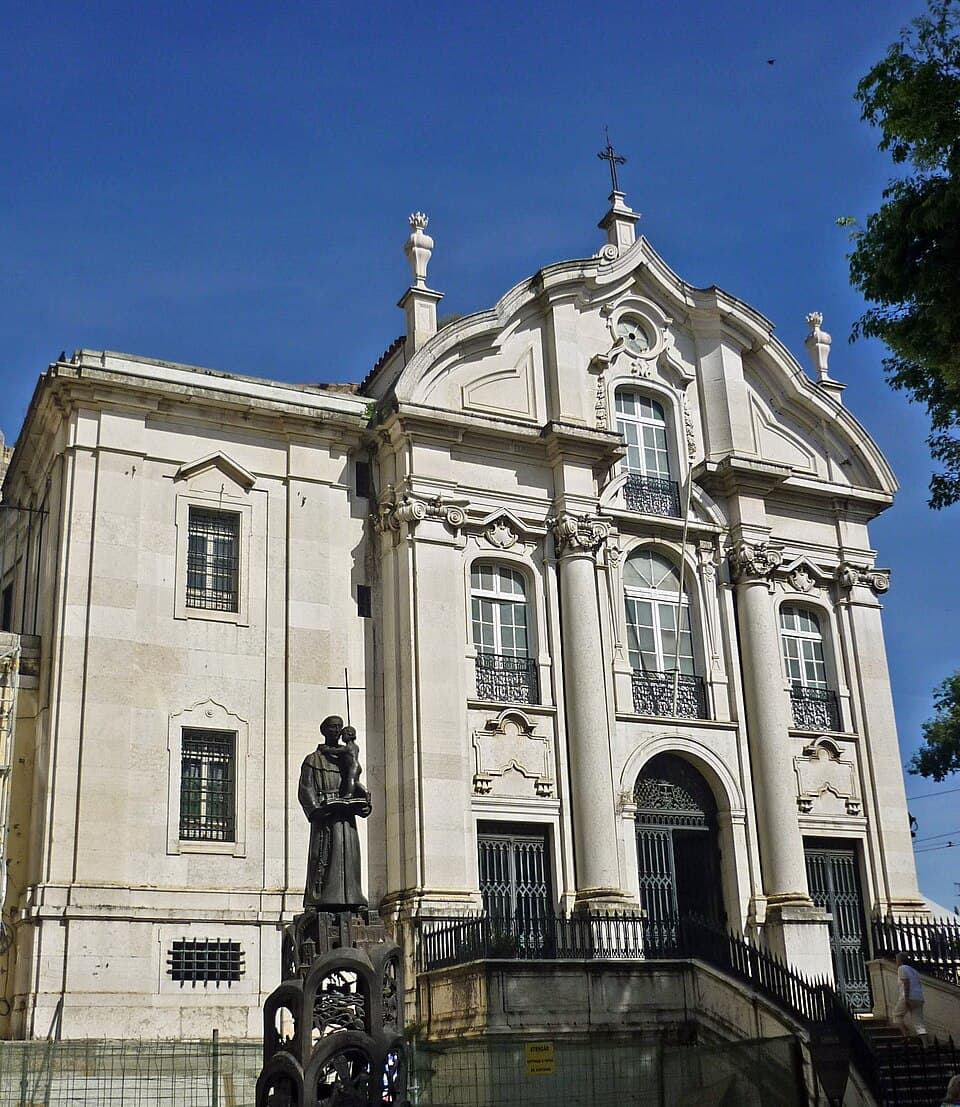
Igreja de Santo António de Lisboa
Modest church over Lisbon’s beloved saint’s home
This stop centers on the church built near the traditional birthplace of Saint Anthony of Lisbon, later known as of Padua. Narration should describe the relatively modest baroque-neoclassical façade and explain how the building overlays a much older domestic site associated with the saint’s early life. It should explore how devotion to Saint Anthony blends local pride with global fame, as his cult spread far beyond Portugal. One anecdote can describe the custom of leaving notes or small offerings to the saint asking for help in finding lost objects or partners. Another can refer to the annual June celebrations and processions in honor of Saint Anthony, when this church becomes a focal point of neighborhood identity.
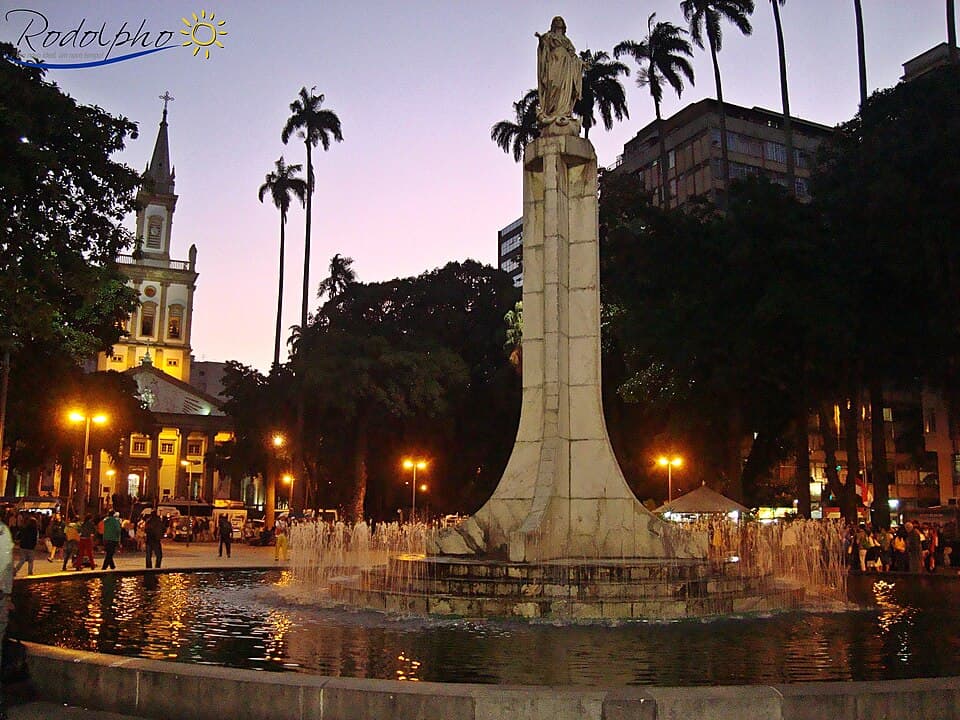
Largo do Chafariz de Dentro
Old fountain square at Alfama’s lower edge
Here the focus is on everyday urban life around a historic fountain that once supplied water to local residents and passing sailors. Narration should describe the stone chafariz, the way the square opens up amid narrow streets, and its role as a social hub for washing, gossip, and small trade. It should situate the square near the old shoreline before land reclamation, emphasizing how close the river once was. One anecdote can evoke women queuing at dawn to fill clay jars, using the wait to exchange neighborhood news. Another can mention how, over time, the area shifted from a working-class waterfront space to one dotted with cafés and cultural venues, while still retaining echoes of its older rhythms.
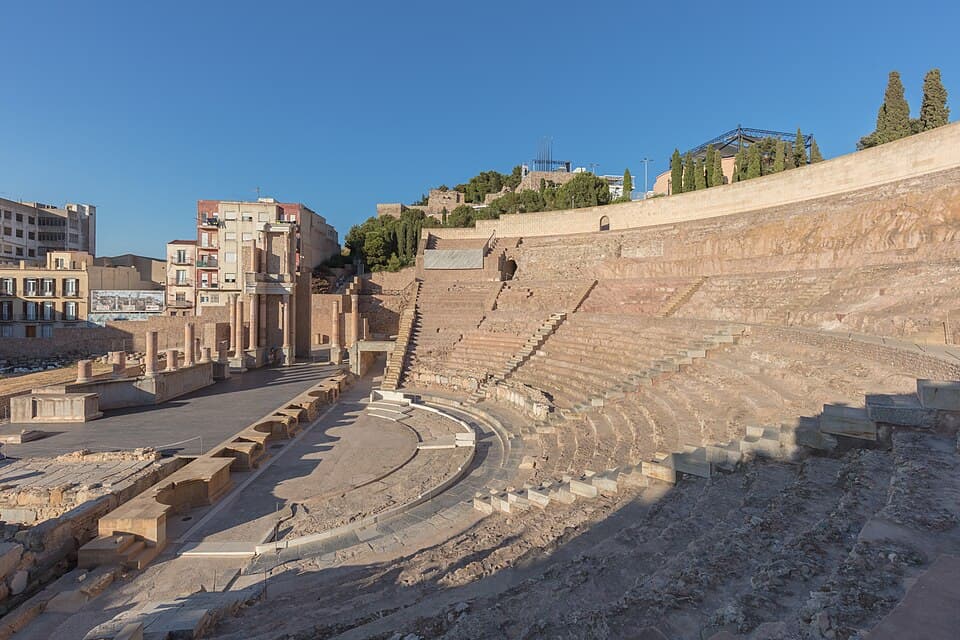
Roman Theatre Museum
Hidden remains of Roman Lisbon’s public stage
This stop reveals the Roman layer beneath today’s city via the remains of Olisipo’s theatre. Narration should explain that the theatre’s semi-circular plan once faced the slope and likely seated local elites for performances and civic events. It should outline how the ruins were rediscovered under later buildings and gradually excavated, transforming a forgotten structure into a museum. One anecdote can describe how early scholars or workers stumbled upon curved masonry that hinted at a classical theatre buried below. Another can highlight the contrast between the ordered geometry of the Roman monument and the irregular medieval streets that grew over it, illustrating Lisbon’s continuous reuse of space.
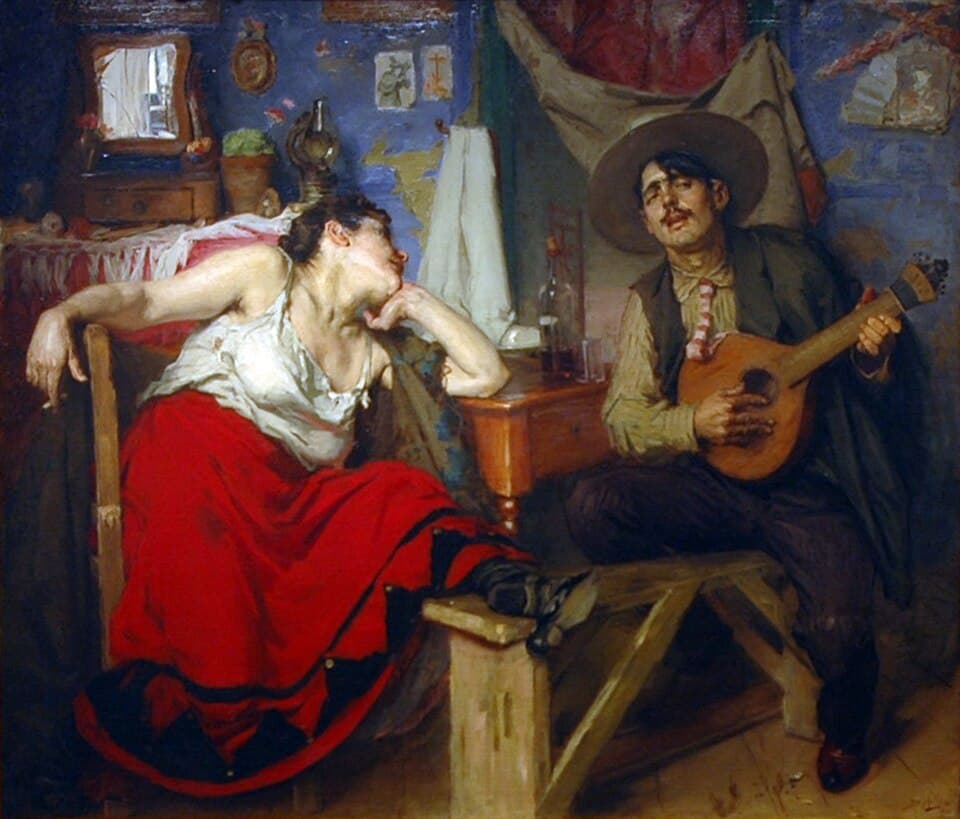
Museu do Fado
Museum tracing fado’s journey from taverns to stage
At the Fado Museum, narration should explore how this musical form emerged in 19th-century Lisbon’s working-class districts, especially around the docks, taverns, and brothels. It should explain key themes of saudade, exile, and longing, and how fado gradually moved from informal gatherings to professionalized performance and international recognition. The building’s location near the old waterfront helps connect the music to sailors and migrants. One anecdote can recall how early fado singers performed in cramped taverns where songs had to cut through clinking glasses and loud conversation. Another can reference famous fadistas associated with Alfama or nearby neighborhoods, illustrating how their voices helped shape Lisbon’s image.
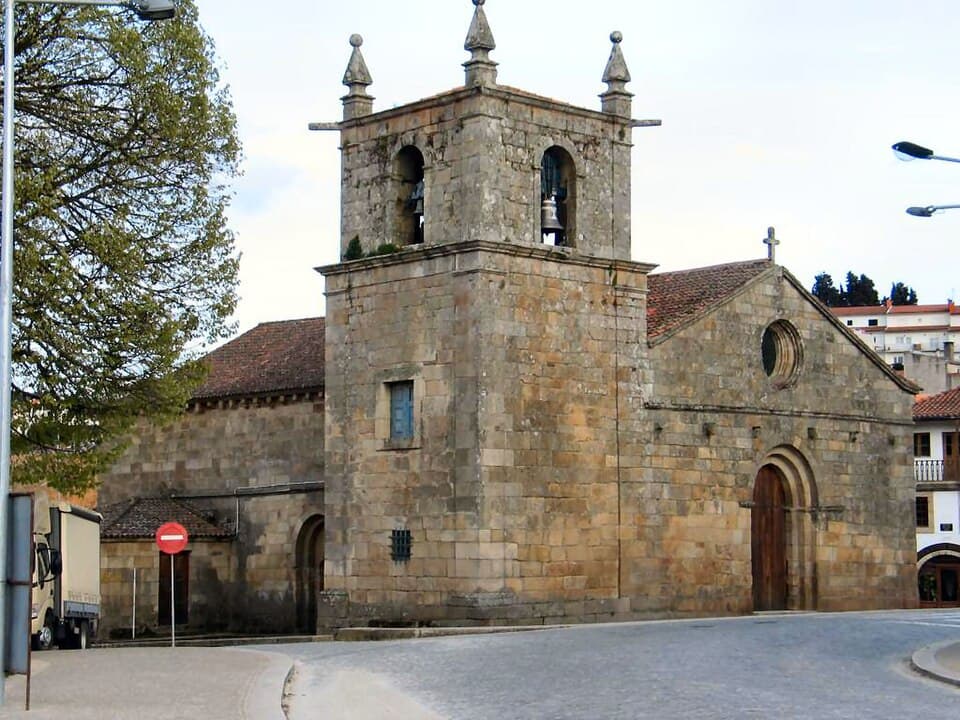
Igreja de São Miguel
Parish church at the heart of Alfama life
This stop highlights a compact baroque church that serves as a central parish hub within Alfama. Narration should describe the church’s façade and interior richness compared to the tight streets around it, underlining how religious buildings offered a sense of order and ceremony. It should introduce the role of parish confraternities in organizing processions, charity, and festivals. One anecdote can recount how, during saints’ days, streets around São Miguel fill with decorations, food stalls, and music that spill directly out from religious celebrations. Another can describe how local families marked life events—baptisms, weddings, and funerals—here, reinforcing the church as a living anchor of community memory.
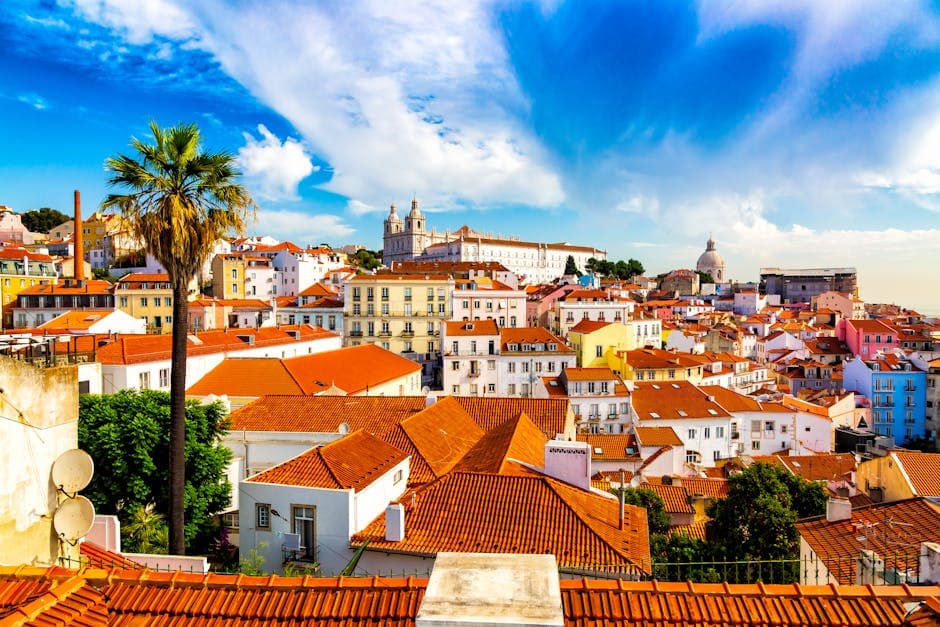
Miradouro do Recolhimento
Quiet lookout over rooftops and castle walls
This lesser-known viewpoint offers a more intimate panorama than the busy terraces below, framed by garden elements and nearby walls. Narration should emphasize the contrast in atmosphere: fewer crowds, softer sounds, and a closer view of the layered roofs and lanes of Alfama. It should also highlight the proximity of the castle walls, hinting at how defense and domestic life interwove on this upper slope. One anecdote can mention how local residents used this space as a semi-private garden and lookout before it became more widely known. Another can evoke children from the neighborhood playing here, using the view to invent imaginary kingdoms among the roofs and battlements.
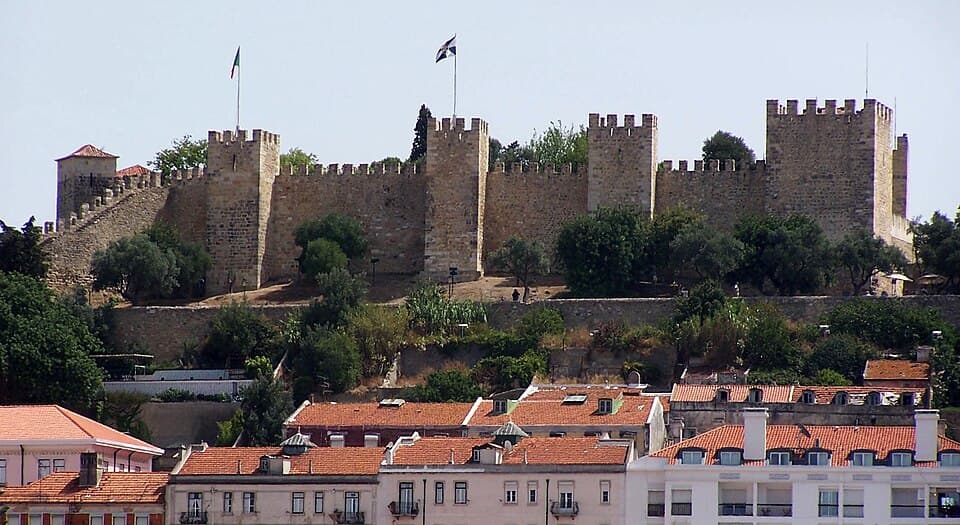
Castelo de São Jorge
Hilltop fortress with city-wide commanding views
At the castle entrance and viewpoints, narration should focus on its role as a fortified acropolis: from possible early settlements through Islamic occupation and the Christian reconquest, to later ceremonial uses. It should describe surviving walls, towers, and the elevated views extending over the Tagus, Baixa, and western hills. Emphasis should be placed on how controlling this hill meant controlling Lisbon. One anecdote can recall how the castle served as a royal residence before the court shifted closer to the river, leaving the hill more symbolic than residential. Another can refer to archaeological finds within the walls that reveal traces of different civilizations layered in the same defensive space.
Miradouro do Castelo
Castle-side street with sweeping city panorama
This final stop uses the miradouro on Rua do Chão da Feira to synthesize the tour’s themes from a slightly lower, external angle on the castle hill. Narration should invite visitors to visually retrace the route: spotting Alfama’s churches, viewpoints, and the riverfront they have explored. It should underline how the castle, city walls, medieval streets, and later expansions all relate in the wider landscape. One anecdote can describe how this stretch of street once hosted small fairs or vendors serving people entering and leaving the fortress. Another can note how modern street musicians sometimes use this spot’s acoustics and passing crowds, echoing the fado and popular music traditions encountered earlier.
Start This Tour
Download Roamway to experience this audio tour
Tour Details
Access
Free
Stops
12 points of interest
Languages
GermanEnglishSpanishFrench
More tours in Lisboa
View all tours in LisboaOther tours you might enjoy:
Lisbon Baixa & Chiado: Pombaline Center and City Life
This tour explores Lisbon’s Baixa and Chiado districts, from Praça do Comércio and Rua Augusta to Rossio, Figueira, and Largo do Chiado. It examines post-1755 Pombaline urban planning, neoclassical and iron architecture, religious and civic spaces, and daily commercial life, highlighting contrasts between riverfront, downtown grid, and upper town areas.
Lisbon: Mouraria, Graça & Alfama Hilltop Views
This tour explores Lisbon’s historic hill neighborhoods from Praça da Figueira through Mouraria and Graça to the edges of Alfama. It includes viewpoints such as Miradouro da Graça and Senhora do Monte, tram 28 routes, churches and convents, azulejo-clad façades, and the National Pantheon exterior, focusing on urban history, architecture, and everyday local life.
Lisbon Belém: Monuments, Riverfront History & Monastery Art
This tour explores Lisbon’s Belém district along the Tagus riverfront, from the ferry area and MAAT to Belém Tower and the Monument to the Discoveries. It examines Portugal’s Age of Discoveries, industrial heritage, and religious architecture at Jerónimos Monastery, and includes gardens, memorials, and the historic Pastéis de Belém pastry shop exterior.
Frequently Asked Questions
How do I start this audio tour?
Download the Roamway app, search for this tour, and tap 'Start Tour'. The app will guide you to the starting point using GPS. Once you're there, the audio narration begins automatically.
Do I need an internet connection?
No! Once you've downloaded the tour in the Roamway app, it works completely offline. The GPS navigation and audio narration function without an internet connection.
Can I pause and resume the tour?
Yes! You can pause the tour at any time and resume later. Your progress is automatically saved, so you can complete the tour over multiple sessions if needed.