
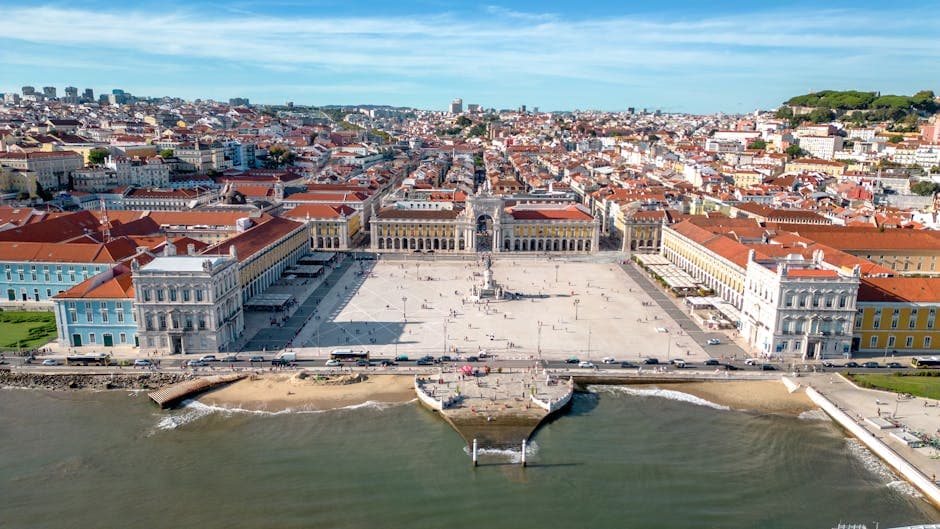
Lisbon Baixa: Pastries, Ginjinha, and Riverfront Life
Lisboa, Portugal
Audio Preview
Listen to a sample of this audio tour to get a feel for the experience.
What You'll Experience
On this Lisbon Baixa: Pastries, Ginjinha, and Riverfront Life audio tour in Lisboa, you'll discover 12 carefully selected points of interest, each with its own story. The tour is designed to be completed at your own pace, with GPS navigation guiding you from one location to the next. As you approach each stop, the audio narration automatically begins, bringing history, culture, and local insights to life.
About This Tour
This tour explores Lisbon’s Baixa district from Praça da Figueira and Rossio through Rua Augusta’s side streets and traditional grocery shops to Cais do Sodré and Pink Street. It focuses on historic cafés, pastry houses, ginjinha bars, delicatessens, and marketplaces, highlighting local food traditions, daily life, and the evolution of this central neighborhood.
Points of Interest
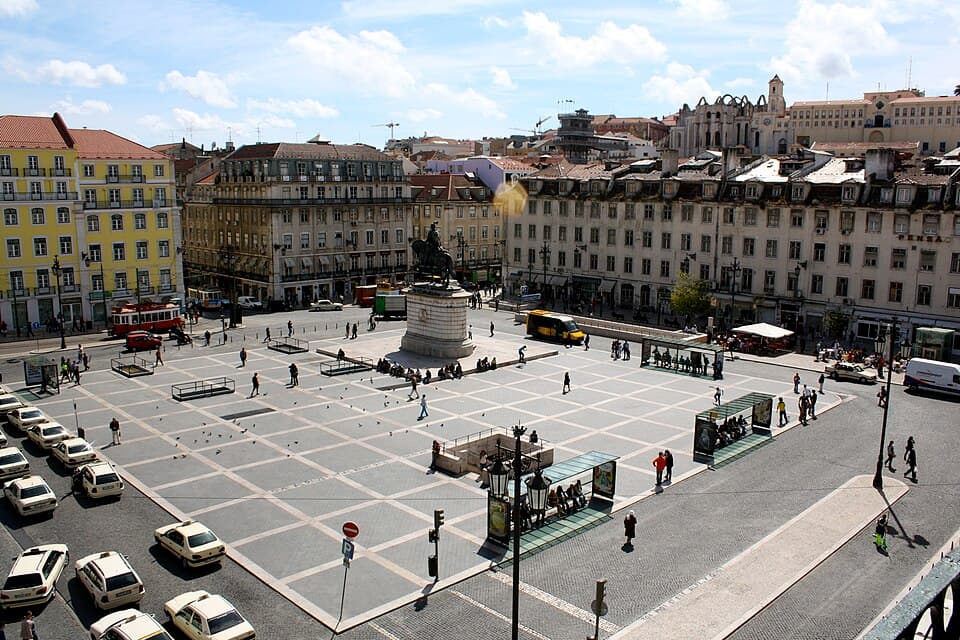
Praça da Figueira
Gateway square linking Baixa, trams, and pastries
This stop introduces Praça da Figueira as a busy northern entrance to Baixa, framed by arcaded buildings and hotel façades. The narration should explain how the square was once the site of a large hospital, later replaced by an open market, and eventually transformed into today’s transport hub and meeting point. It should mention the equestrian statue of King João I and how the grid of Baixa streets opens south from here. An anecdote can cover the old covered market’s bustling atmosphere, including early-morning produce arrivals, and how the demolition of the market changed local habits and sightlines across the square.

Confeitaria Nacional
Historic pastry house framing Lisbon’s sweet tooth
This stop focuses on the façade and atmosphere of Confeitaria Nacional, one of Lisbon’s classic pastry houses on Praça da Figueira. The narration should describe the traditional storefront, window displays of cakes and sweets, and the elegant interior with mirrors and woodwork if the listener steps inside. Historically, it should touch on its 19th‑century origins and role in popularizing certain Christmas and festive cakes in Lisbon. An anecdote can recall how families would queue here for seasonal specialties, and how recipes were guarded as closely as family secrets across generations.
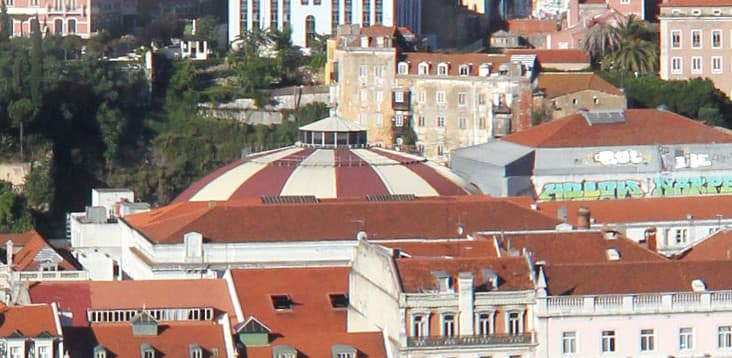
Rua das Portas de Santo Antão
Lively strip of seafood grills and steakhouses
This stop presents Rua das Portas de Santo Antão as a traditional restaurant street just off Rossio, known for big menus, seafood dishes, and steakhouse classics. The narration should highlight the mix of 19th‑ and 20th‑century building façades, outdoor terraces, and the proximity to theaters and the Coliseu. It should explain how the street’s name recalls one of the old city gates before the Baixa reconstruction. An anecdote can evoke the pre-theater dining ritual, with families and performers squeezing into bustling dining rooms, and another can mention waiters calling out menus to passersby in several languages as tourism expanded.
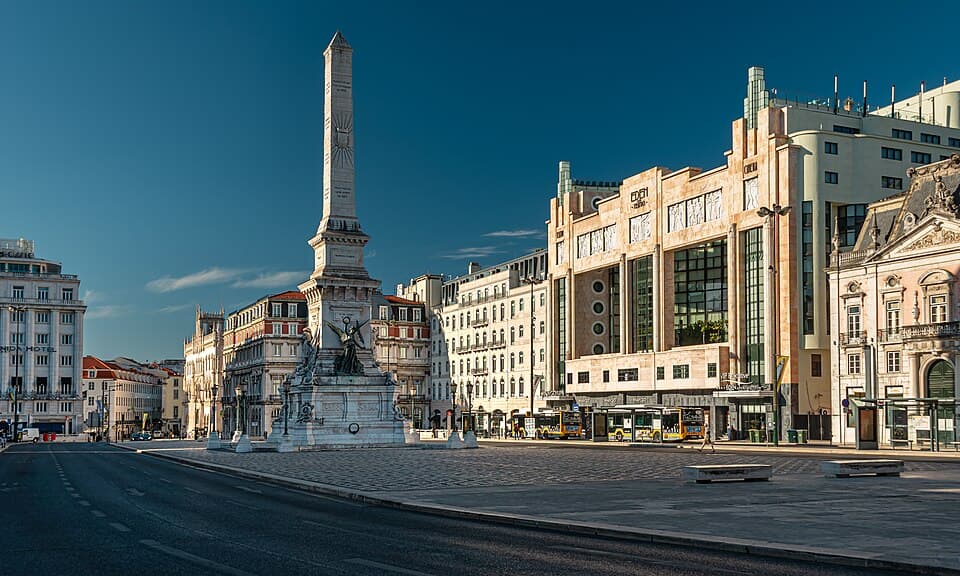
Restauradores Square
Monumental square linking avenue, trains, and bars
This stop covers Restauradores Square as a broad plaza at the foot of Avenida da Liberdade, framed by historic hotels, cinemas, and the railway connection to Sintra. The narration should describe the central obelisk commemorating the 17th‑century restoration of Portuguese independence from Spain and the surrounding façades. It should connect the area’s cafés and bars to the rise of bourgeois leisure culture and travel. An anecdote can recall how travelers arriving from Sintra or the suburbs would pause here for a quick drink before continuing to Rossio, and another can mention how the nearby Eden theater-turned-hotel hints at the square’s glamorous cinema past.
A Ginjinha Near Rossio
Tiny bar serving Lisbon’s cherry liqueur ritual
This stop focuses on a traditional ginjinha bar near Rossio, especially its tiny counter, bottle-lined shelves, and standing-only crowd at the doorway. The narration should explain what ginjinha is, how sour cherries are macerated in alcohol with sugar, and how this became a quick, affordable city-center drink. It should emphasize the bar’s role as a social equalizer where workers, theater-goers, and tourists all squeeze in for the same small glass. An anecdote can describe the custom of choosing ginjinha with or without cherries at the bottom, and another can recall early-morning regulars quietly toasting before starting their day’s work.
Praça do Rossio
Historic theater square of cafés and kiosks
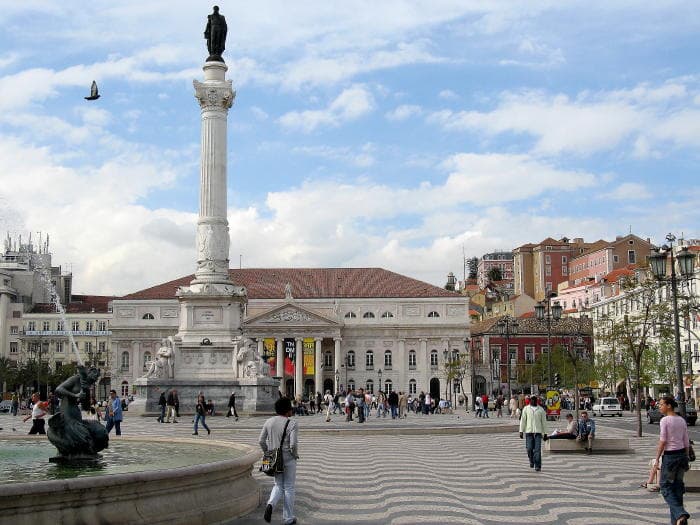
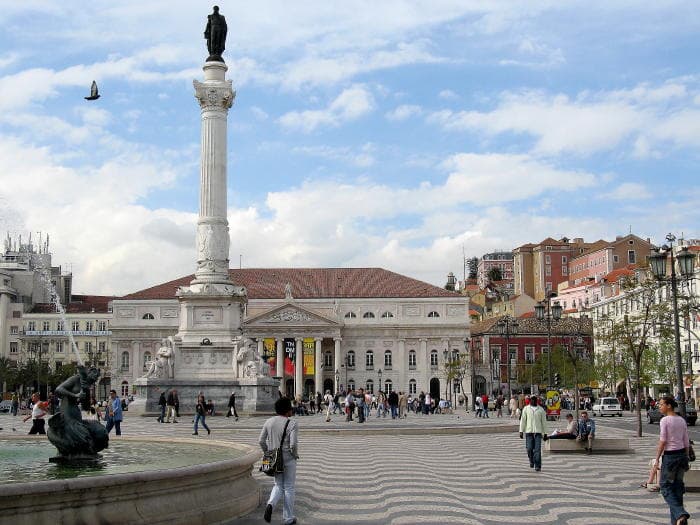
This stop presents Rossio Square as Lisbon’s traditional main square, with its wave-patterned pavement, twin baroque fountains, and the National Theatre at one end. The narration should cover its long history as a gathering place for markets, celebrations, and even public punishments, and its later identity as a café society hub. It should highlight the role of classic cafés and modern kiosks in everyday Lisbon life, from morning coffees to late-night snacks. An anecdote can evoke 19th‑ and 20th‑century intellectuals and writers meeting in Rossio’s cafés, and another can mention how locals developed preferred kiosk corners for specific drinks or snacks.
Rua Augusta Side Streets
Narrow lanes of tascas off the main shopping axis
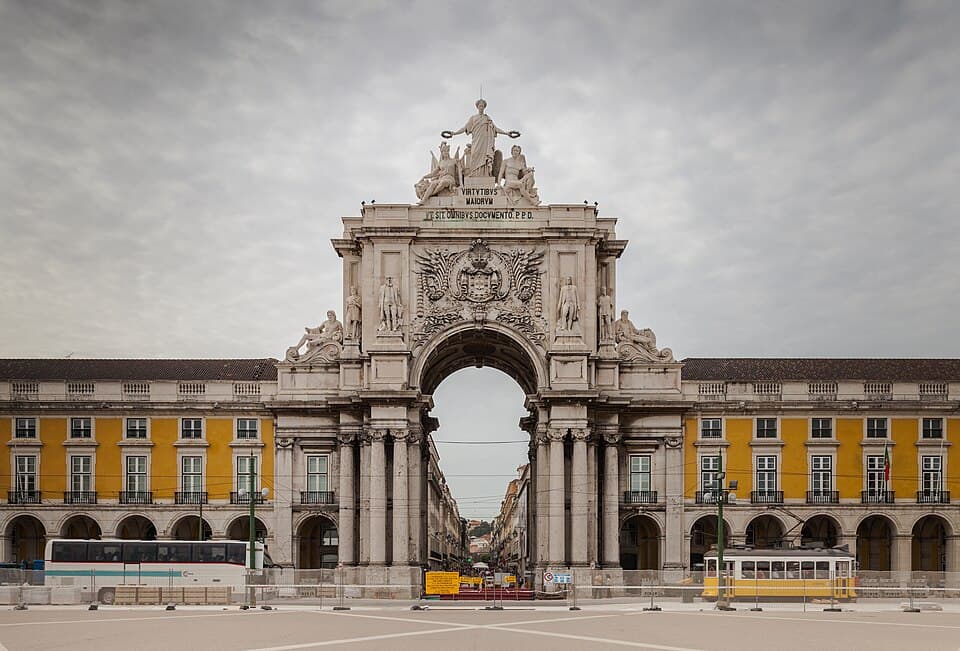
This stop explores the smaller streets branching off Rua Augusta, particularly Rua dos Sapateiros and nearby lanes, as home to traditional tascas and small eateries. The narration should highlight the contrast between the busy main pedestrian artery and these more intimate, workaday food streets. It should describe the typical tasca interior: simple tables, daily menus on handwritten boards, and smells of grilled fish or stews drifting out. An anecdote can mention office workers queuing for daily fixed-price lunches, and another can recall printers, cobblers, or shop staff from earlier decades eating in the same spots before the area’s retail changed.
Baixa Traditional Grocery Shops
Old-style grocers of cod, cheeses, and canned fish
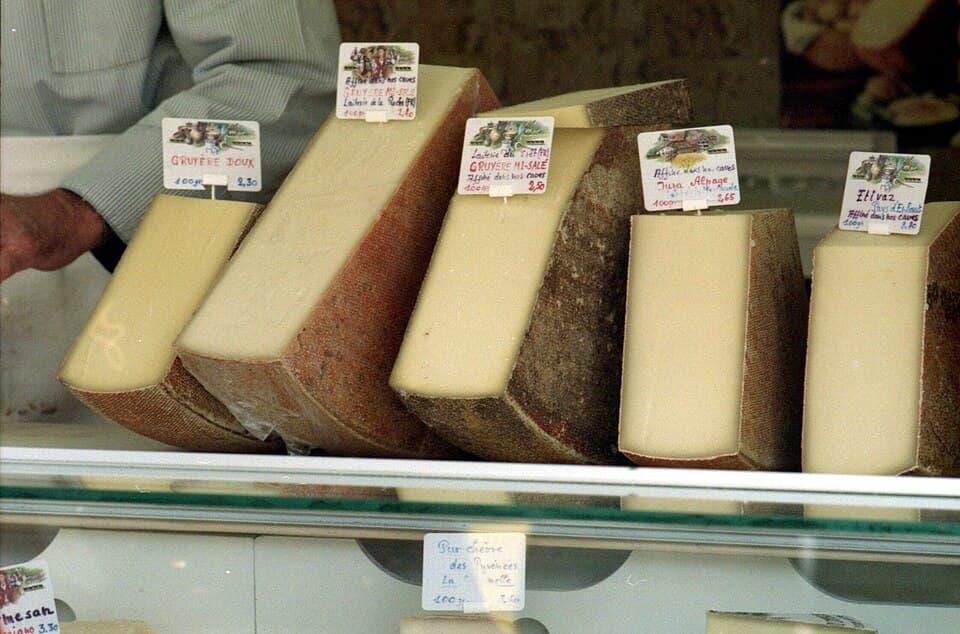
This stop centers on Baixa’s surviving traditional grocery shops, such as Manteigaria Silva on Rua Dom Antão de Almada, viewed from the exterior. The narration should describe their wooden shelves, hanging cured hams, wheels of cheese, sacks of codfish, and colorful tins of canned seafood. It should stress their importance as neighborhood suppliers before supermarkets, and their role in preserving regional products in the city center. An anecdote can recall the strong smell of dried cod that once spilled into the street, and another can describe regulars having their usual order prepared almost without speaking, based on long-standing familiarity.

Rua da Prata Delicatessens
Baixa’s corridor of charcuterie and specialty foods
This stop looks at Rua da Prata as a quieter, parallel artery to Rua Augusta, with a concentration of delicatessens, charcuterie shops, and everyday services. The narration should describe typical shopfronts with tiled signs, hanging sausages, and glass counters filled with cold cuts and preserves. It should emphasize how this street has long balanced local-oriented businesses with some passing trade from office workers and visitors cutting through Baixa. An anecdote can highlight lunchtime queues for freshly sliced cured meats or sandwiches, and another can recall how certain shops would set aside specific regional sausages for loyal customers before holidays.
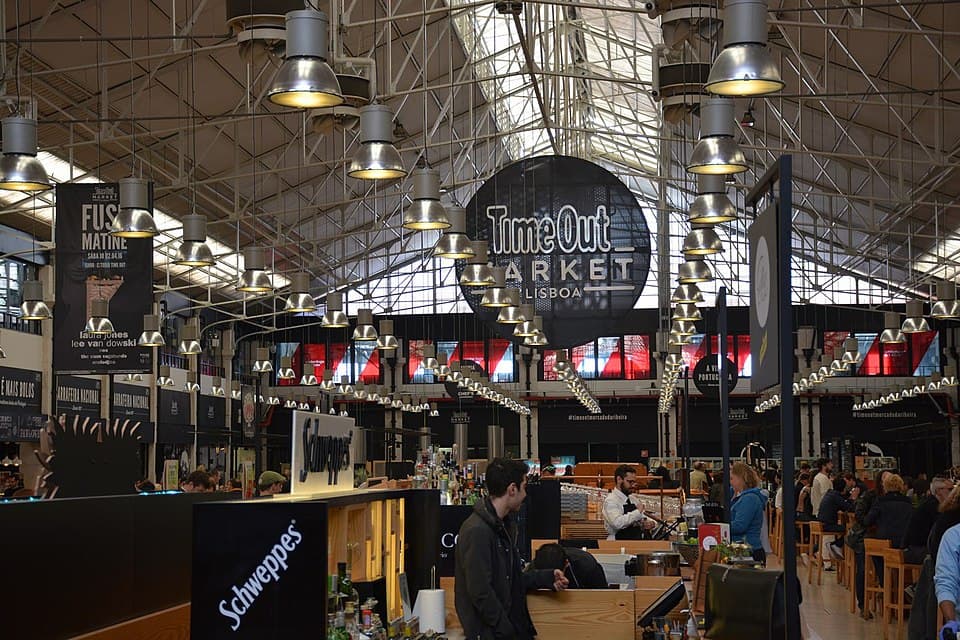
Mercado da Ribeira
Historic market hall and modern food court hub
This stop explains Mercado da Ribeira/Time Out Market as a historic riverside market hall transformed into a dual space: traditional produce stalls and a contemporary food court. The narration should describe the large iron-and-glass structure, high ceilings, and the contrast between old vegetable, fish, and flower areas and the newer communal tables and chef kiosks. It should cover the market’s role in supplying Lisbon’s restaurants and households over time and its recent reinvention as a culinary destination. An anecdote can recall early-morning fish auctions with shouting vendors and dripping baskets, and another can compare that atmosphere to today’s evening crowds sampling modern dishes under the same roof.
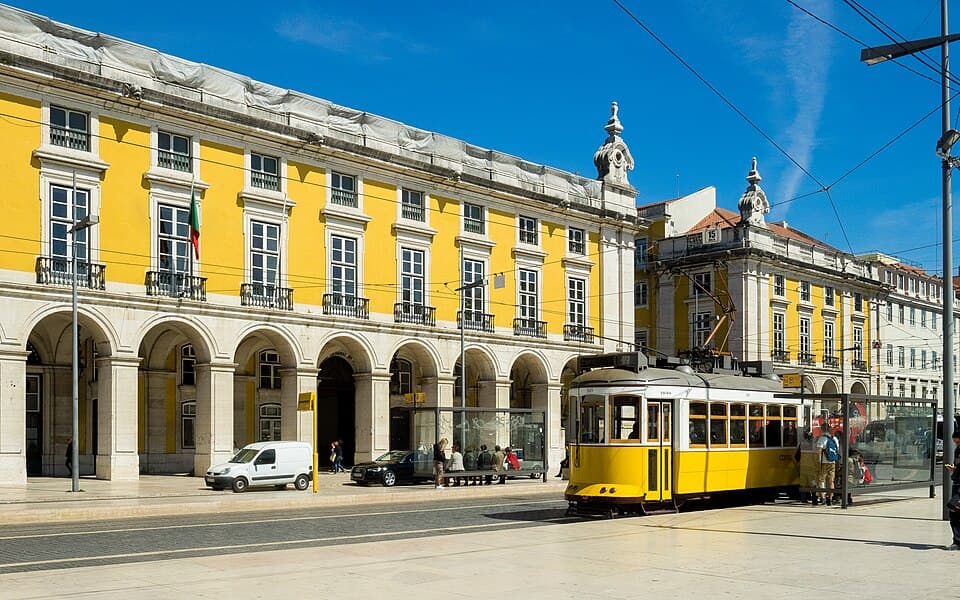
Cais do Sodré Riverfront
Kiosks, terraces, and ferries along the Tagus
This stop focuses on the Cais do Sodré riverfront, with its promenade, kiosks, terraces, and views of ferries crossing the Tagus. The narration should highlight the area’s past as a working dock and shipping hub, and its transition into a leisure-oriented esplanade with casual food and drinks. It should mention how commuters still use ferries while locals and visitors linger at outdoor tables watching the water and distant hills. An anecdote can recall dockworkers grabbing quick, hearty meals in simple bars nearby, and another can describe today’s sunset ritual of people gathering with snacks and drinks to watch the sky change over the river.
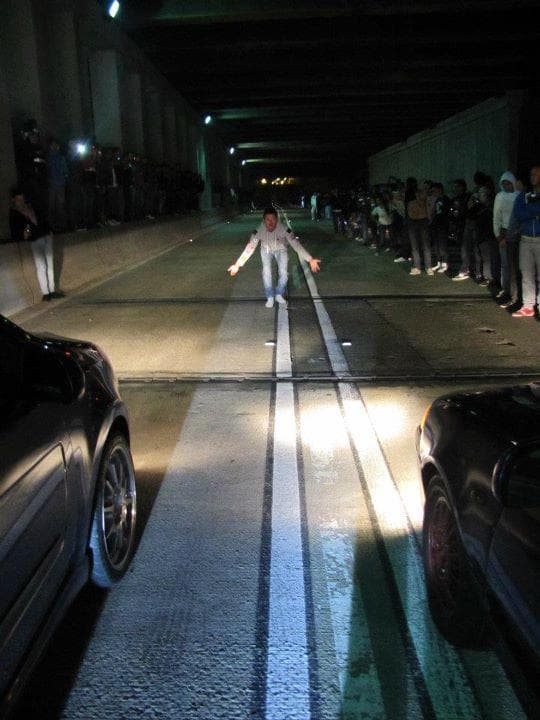
Pink Street
Former sailors’ quarter turned nightlife and bar alley
This stop presents Pink Street (Rua Nova do Carvalho) as the symbolic endpoint of the tour, once a sailors’ and red-light district now recast as a nightlife hotspot. The narration should describe the distinctive pink-painted pavement, overhead bridges, and dense line of bars and venues. It should explain the area’s older reputation for seedy taverns and late-night joints serving simple food and strong drinks, contrasted with today’s more curated bar scene. An anecdote can recall how sailors from different countries once crowded shoulder to shoulder in smoky bars here, and another can note how painting the street pink became a visual signal of the neighborhood’s reinvention for a new audience.
Start This Tour
Download Roamway to experience this audio tour
Tour Details
Access
Free
Stops
12 points of interest
Languages
GermanEnglishSpanishFrench
More tours in Lisboa
View all tours in LisboaOther tours you might enjoy:
Lisbon Baixa & Chiado: Pombaline Center and City Life
This tour explores Lisbon’s Baixa and Chiado districts, from Praça do Comércio and Rua Augusta to Rossio, Figueira, and Largo do Chiado. It examines post-1755 Pombaline urban planning, neoclassical and iron architecture, religious and civic spaces, and daily commercial life, highlighting contrasts between riverfront, downtown grid, and upper town areas.
Lisbon Alfama: Viewpoints, Cathedral, Fado and Castle History
This tour explores Lisbon’s historic Alfama district, from the viewpoints of Santa Luzia and Portas do Sol to the Cathedral (Sé), Santo António Church, and São Jorge Castle. It includes Roman remains, medieval streets, and fado heritage, focusing on urban evolution, religious architecture, local traditions, and panoramic city views.
Lisbon: Mouraria, Graça & Alfama Hilltop Views
This tour explores Lisbon’s historic hill neighborhoods from Praça da Figueira through Mouraria and Graça to the edges of Alfama. It includes viewpoints such as Miradouro da Graça and Senhora do Monte, tram 28 routes, churches and convents, azulejo-clad façades, and the National Pantheon exterior, focusing on urban history, architecture, and everyday local life.
Frequently Asked Questions
How do I start this audio tour?
Download the Roamway app, search for this tour, and tap 'Start Tour'. The app will guide you to the starting point using GPS. Once you're there, the audio narration begins automatically.
Do I need an internet connection?
No! Once you've downloaded the tour in the Roamway app, it works completely offline. The GPS navigation and audio narration function without an internet connection.
Can I pause and resume the tour?
Yes! You can pause the tour at any time and resume later. Your progress is automatically saved, so you can complete the tour over multiple sessions if needed.