
Berlin: Museum Island, Spree Riverfront and Old Town History
Berlin, Deutschland
Audio Preview
Listen to a sample of this audio tour to get a feel for the experience.
What You'll Experience
On this Berlin: Museum Island, Spree Riverfront and Old Town History audio tour in Berlin, you'll discover 12 carefully selected points of interest, each with its own story. The tour is designed to be completed at your own pace, with GPS navigation guiding you from one location to the next. As you approach each stop, the audio narration automatically begins, bringing history, culture, and local insights to life.
About This Tour
This tour follows the Spree riverfront from Monbijoupark to the historic center, focusing on Museum Island and Berlin’s reconstructed old town. It covers landmarks such as the Bode-Museum, Berlin Cathedral, Humboldt Forum, Nikolaiviertel, and Rotes Rathaus, highlighting urban development, Prussian-era architecture, war damage, and post-reunification rebuilding.
Points of Interest
Monbijoupark Riverfront
Green lawns facing Museum Island across Spree
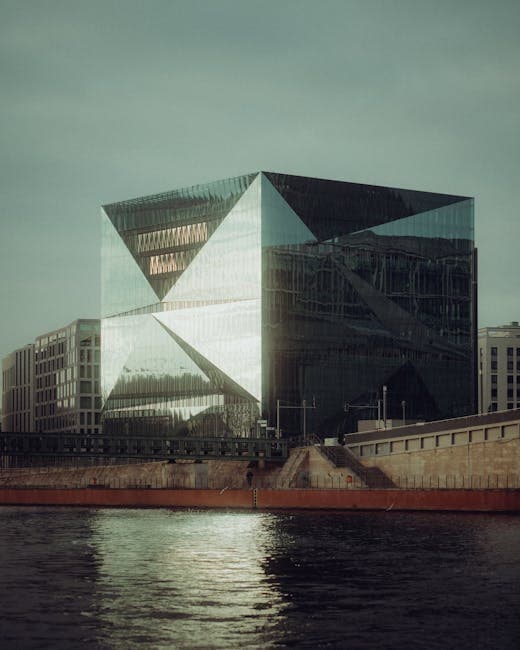
This stop introduces the tour at the relaxed riverfront lawns of Monbijoupark, directly opposite Museum Island. The guide should orient the listener using views toward the Bode Museum dome, Berlin Cathedral’s large dome in the distance, nearby bridges, and the Spree itself as the main axis of the walk. Context includes Monbijou Palace once standing here, its destruction after the Second World War, and the site’s later reuse as a public park. An anecdote can highlight how this calm green space replaces a former royal residence, reflecting Berlin’s shift from monarchy to a more open, civic riverfront.
Museum Island Riverbank Path
Riverside walk with Bode and Pergamon views
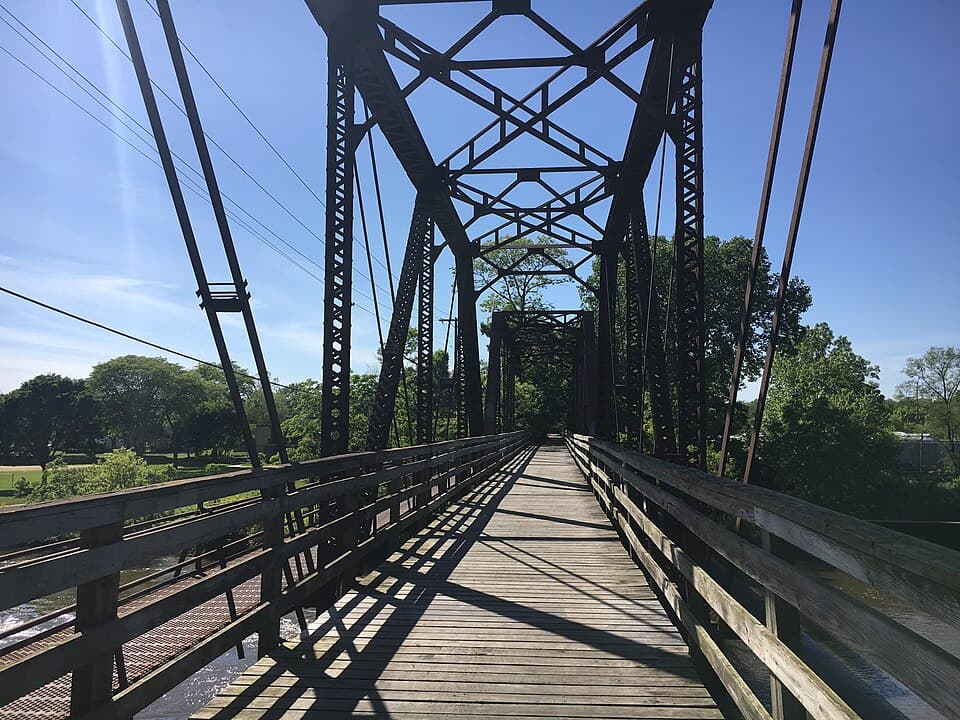
Here the tour crosses onto Museum Island’s riverbank path, focusing on the ensemble’s northwestern edge rather than individual interiors. The guide should describe the curved riverside facade of the Bode Museum, the more restrained side walls of the Pergamon Museum, and the way the museums line the Spree like a stone cliff. Themes include the 19th‑century idea of a dedicated museum quarter and later additions and reconstructions after war damage. An anecdote might cover how museum visitors sometimes arrive more for the iconic riverside photo spots than the collections, illustrating the power of this urban scenery.
Bode Museum Exterior
Baroque-style museum at Museum Island’s tip
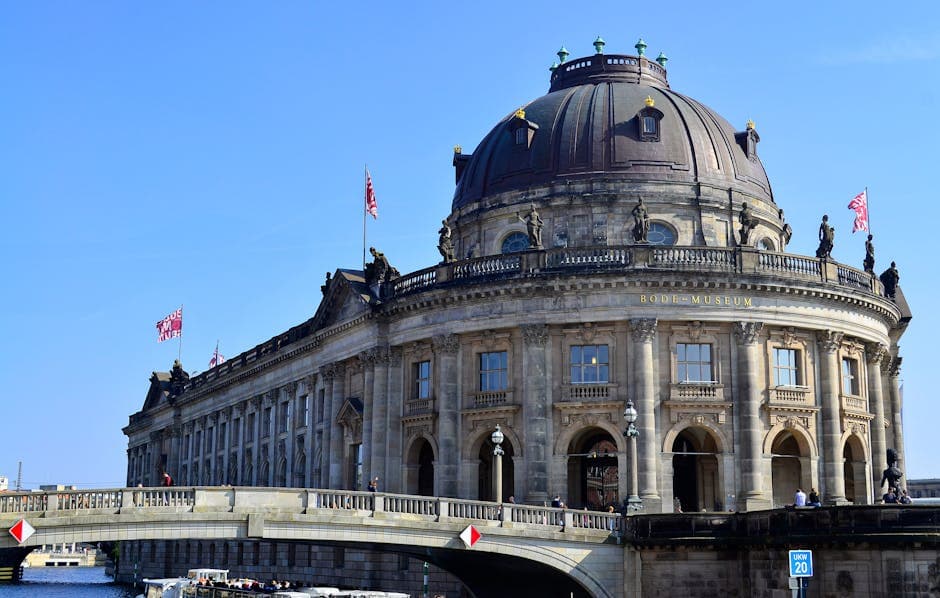
This stop focuses on the Bode Museum at the northern tip of Museum Island, with its striking dome and riverside terraces. The narration should cover its baroque revival architecture, its creation as part of the Kaiser’s cultural program, and its location on what was once called Kaiser‑Friedrich‑Museum. The guide should use the bridge viewpoints to explain how the building projects into the river, becoming one of Berlin’s most photographed scenes. A unique anecdote can mention how changing museum concepts led to several reorganizations of its collections and name, showing that even monumental buildings can change identity over time.
Berlin Cathedral Exterior
Protestant showpiece beside Lustgarten lawns
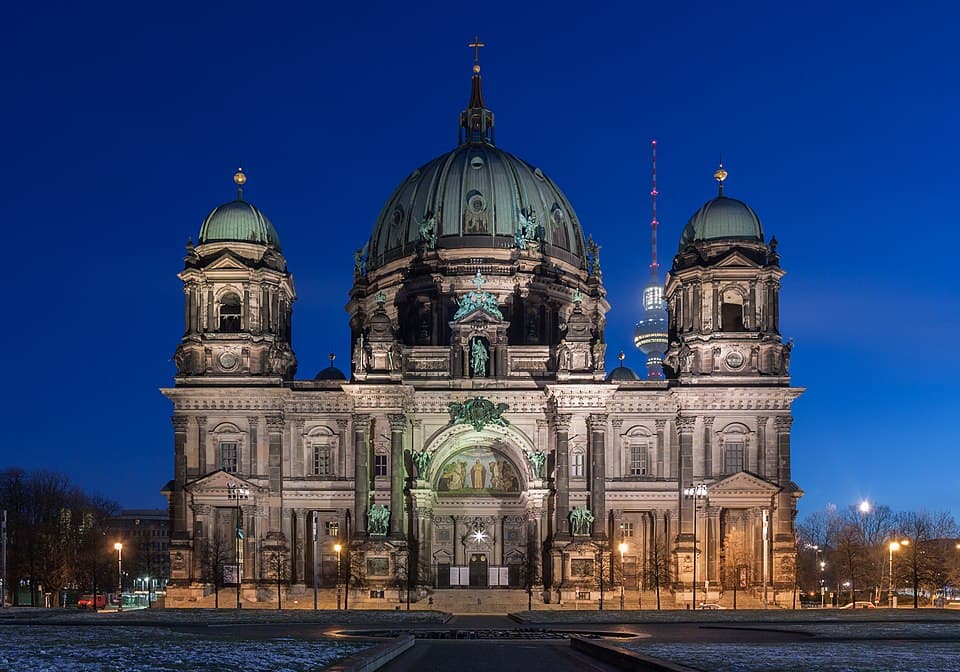
At this stop, the focus is on Berlin Cathedral’s exterior and its relationship to Lustgarten and Museum Island. The guide should describe its grand dome, towers, and decorative facade as an expression of Protestant Prussian power and imperial ambition. Historical context includes earlier churches on the site, the cathedral’s heavy damage in the Second World War, and its long restoration in the late 20th century. A distinctive anecdote can touch on how the simplified lantern on the dome and other details reflect postwar debates about how much of the imperial appearance to reconstruct, leaving the building slightly different from its prewar form.
Altes Museum and Lustgarten
Neoclassical museum overlooking historic parade ground
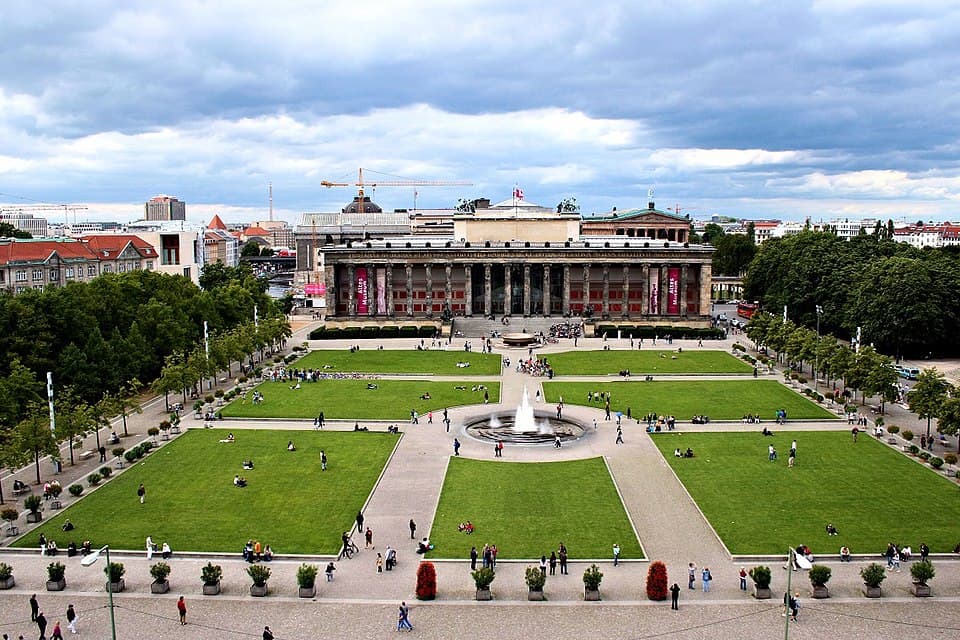
This stop centers on the Altes Museum’s grand steps and colonnade, facing the open expanse of Lustgarten. The narration should highlight architect Karl Friedrich Schinkel’s neoclassical design and the museum’s pioneering role as a public art museum in Prussia. Lustgarten’s shifting roles—as pleasure garden, military parade ground, Nazi mass rally site, and today’s green public square—provide a way to discuss political uses of space. A unique anecdote might describe how the wide staircase and columns were intended to stage the visitor’s ascent into the realm of art and citizenship, emphasizing the museum as a kind of ‘temple’ to culture rather than just a storehouse of objects.

Humboldt Forum Riverfront
Reconstructed palace facade facing the Spree
Here the guide explains the Humboldt Forum’s riverfront facade, part of the reconstructed Berlin Palace, and its setting opposite Museum Island. The narration should cover the original baroque Hohenzollern palace, its demolition under the GDR, and the decision after reunification to rebuild large parts of its exterior while filling the inside with a modern cultural complex. The riverfront offers a clear view of old‑style ornament on a contemporary structure, illustrating Berlin’s approach to selective historical reconstruction. An anecdote can explore one specific controversy around the project—such as debates over cost or symbolism—without repeating stories used at other stops, highlighting how architecture can provoke intense public discussion.
Schlossbrücke and Spree Views
Historic bridge linking palace and Museum Island
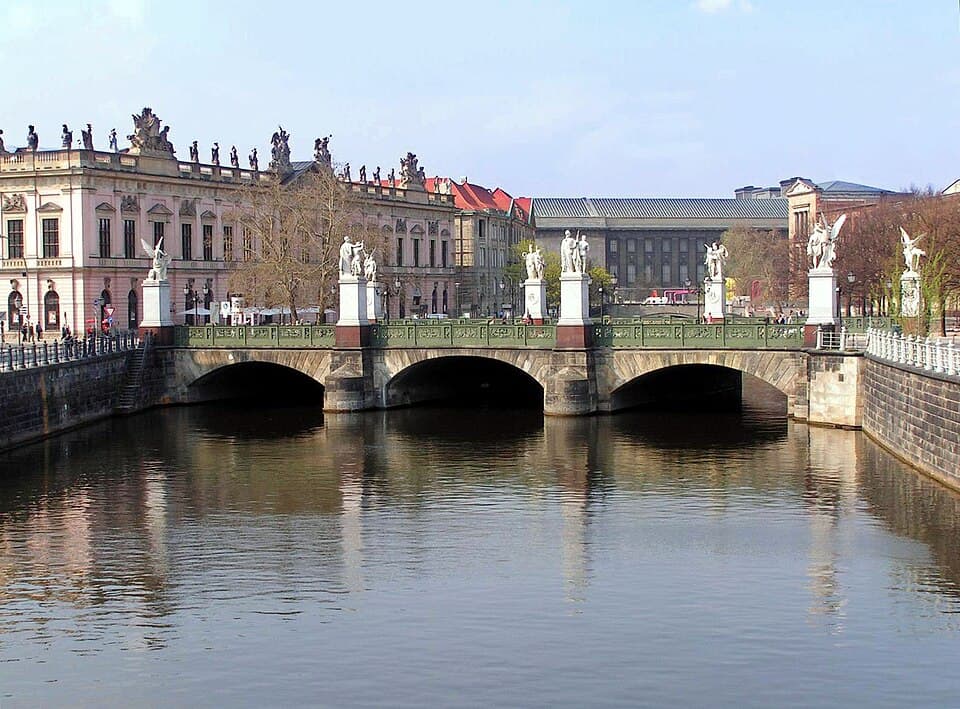
At Schlossbrücke, the focus is on this 19th‑century bridge and its views along the Spree toward downriver Berlin. The guide should describe its sculptural groups and role as a ceremonial link between the royal palace and the museum quarter. Historical context may include its survival and repair after war damage and its position on an axis designed to showcase Prussian and imperial power. A unique anecdote could note how the bridge’s statues once symbolized a heroic journey of a warrior, a narrative that now contrasts with the quieter everyday use of the bridge by commuters and tourists taking photos of the river and cathedral dome.
Friedrichsbrücke and Promenade
Riverside link between Museum Island and city
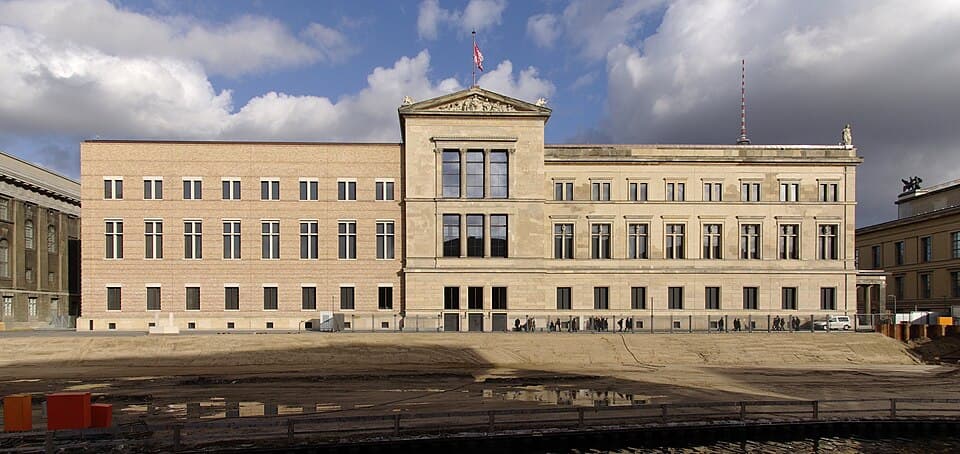
This stop uses Friedrichsbrücke and the adjacent Spree promenade to shift focus from monumental facades to the everyday edge between Museum Island and the inner city. The narration should cover how bridges like this knitted the museum quarter to nearby commercial streets, and how the area changed under East German rule and after reunification. Visible lines of sight toward the TV Tower, cathedral, and palace illustrate different eras layered in one view. A unique anecdote might mention how informal uses—street performers, small events, or evening gatherings along the water—have turned this once‑formal setting into a more relaxed public space, symbolizing Berlin’s contemporary character.
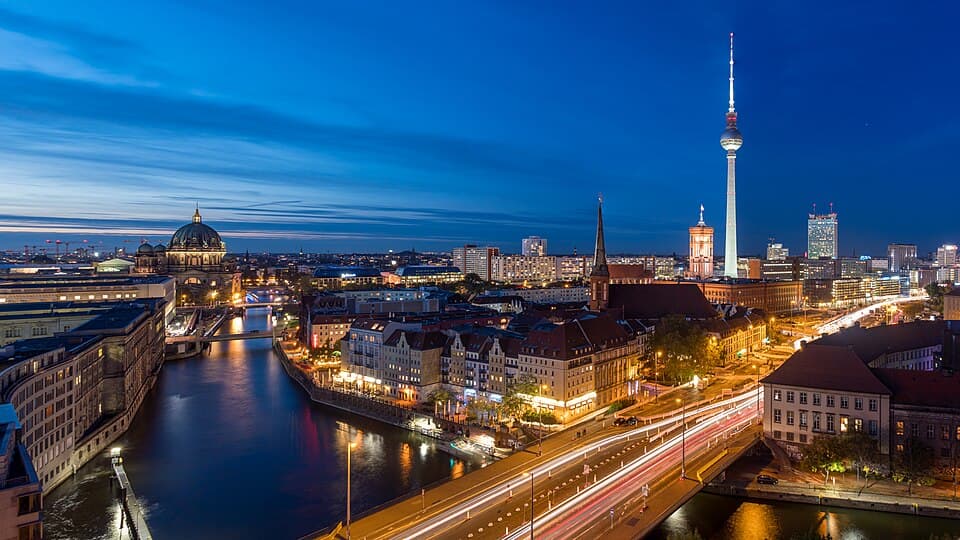
Nikolaiviertel and Nikolaikirche
Medieval-style quarter around St. Nicholas’ Church
Here the tour enters Nikolaiviertel, often seen as Berlin’s old‑town quarter, with Nikolaikirche at its center. The guide should explain that while the church has medieval origins, much of the surrounding quarter was reconstructed in the late 20th century by the GDR in a historicizing style for Berlin’s 750th anniversary. The narration can compare genuine medieval elements of the church with the consciously picturesque housing blocks around it. A unique anecdote might recount how some East Berlin residents first reacted to the area’s sudden appearance of ‘old’ streets and gables, seeing it alternately as a charming gift or as a stage set masking the loss of the original city fabric.
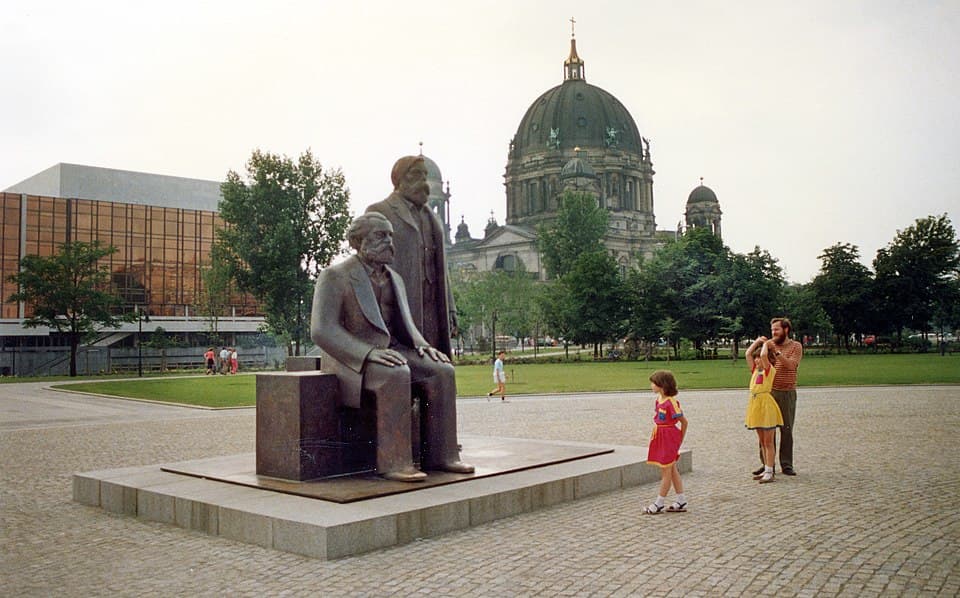
Rotes Rathaus and Marx-Engels-Forum
Red-brick town hall beside socialist-era park
This stop focuses on the exterior of Rotes Rathaus (Red Town Hall) and the nearby Marx‑Engels‑Forum, bridging imperial and socialist layers. The guide should describe the 19th‑century red‑brick town hall’s tower and arcades, built when Berlin was growing rapidly, and its survival and repair after wartime damage. Marx‑Engels‑Forum introduces the East German government’s reshaping of the historic center with open lawns and monumental socialist sculptures. A unique anecdote may focus on how the large statues of Marx and Engels were repositioned during post‑reunification redevelopment, reflecting debates on how to handle GDR‑era monuments in a new political context.
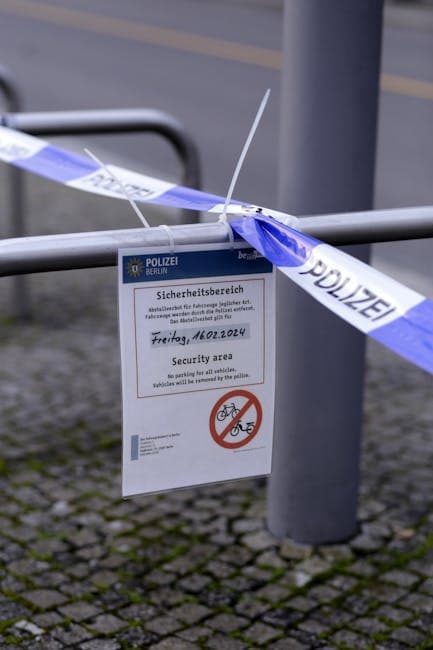
Molkenmarkt Redevelopment Area
Historic center site under active reconstruction
At Molkenmarkt, the guide explains that this area was once part of Berlin’s medieval and early modern core but was heavily damaged in the war and later cleared for wide roads and modern buildings. The narration should emphasize its current status as a major urban redevelopment zone, where plans aim to reintroduce a finer street grid and reinterpret historic plots. Visible construction sites, temporary uses, and surviving fragments provide a chance to discuss how Berlin approaches rebuilding an old town that was largely erased. A unique anecdote might mention public participation processes or debates over whether to reconstruct old facades or design entirely new architecture inspired by historical layouts.
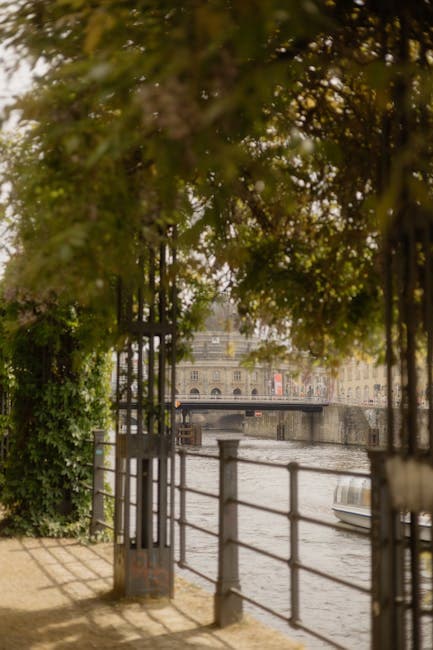
Spree Promenade at Mühlendammbrücke
Wide river views near historic city crossing
The final stop uses the Spree promenade near Mühlendammbrücke to reflect on the tour’s themes with broad river views. Historically, this crossing area was linked to mills and early trade routes, marking one of the origins of Berlin as a river town. The guide should point out how little of the medieval structure is visible today, yet the alignment of bridge, river, and nearby streets still follows older patterns. A unique anecdote can evoke how, despite modern traffic and new buildings, the constant movement of water and boats on the Spree echoes centuries of commerce and daily life, providing a calm closing image to the tour’s story of change and reconstruction.
Start This Tour
Download Roamway to experience this audio tour
Tour Details
Access
Free
Stops
12 points of interest
Languages
GermanEnglishSpanishFrench
More tours in Berlin
View all tours in BerlinOther tours you might enjoy:
Berlin: Landmarks, Nazi Era Sites & Cold War Borderlands
This central Berlin route links the Brandenburg Gate, Reichstag, Potsdamer Platz, Gendarmenmarkt, and Unter den Linden with key 20th‑century sites. It examines Prussian architecture, Nazi dictatorship and terror institutions, the Holocaust memorial, Soviet war remembrance, and Cold War border crossings, showing how Berlin’s cityscape reflects German and European history.
Berlin Kreuzberg: Street Art, Canals and Counterculture
This tour explores Kreuzberg’s Görlitzer Bahnhof area, Görlitzer Park, and the canal paths along the Landwehrkanal between Lohmühlenbrücke and Admiralbrücke. It focuses on street art, migrant histories, punk and club culture, and everyday life around Kottbusser Tor, Oranienstraße, Maybachufer, and the former hospital complex at Mariannenplatz.
Berlin: Monuments, Memory and Museum Island Classics
This central Berlin tour focuses on Unter den Linden, Bebelplatz, and Museum Island, featuring monuments, churches, and cultural institutions. It examines Prussian and imperial architecture, war and Cold War legacies, and contemporary reconstruction debates. Key sites include Brandenburg Gate, Bebelplatz, Neue Wache, Berliner Dom, Humboldt Forum, and the major Museum Island façades.
Frequently Asked Questions
How do I start this audio tour?
Download the Roamway app, search for this tour, and tap 'Start Tour'. The app will guide you to the starting point using GPS. Once you're there, the audio narration begins automatically.
Do I need an internet connection?
No! Once you've downloaded the tour in the Roamway app, it works completely offline. The GPS navigation and audio narration function without an internet connection.
Can I pause and resume the tour?
Yes! You can pause the tour at any time and resume later. Your progress is automatically saved, so you can complete the tour over multiple sessions if needed.