
Audiotours in Berlin — Explore at your own pace
Berlin, Germany is a city where royal boulevards, Cold War borderlines, and vibrant street-art districts all share the same map. Our audio-guided, self-paced tours lead you along the Spree, through historic squares, canal-side neighborhoods, and nightlife hubs, revealing the stories behind the walls, memorials, and markets. Explore whenever it suits you, with immersive narration that turns Berlin’s streets into your own open-air museum.
Free Tours
8 tours available
Berlin: Landmarks, Nazi Era Sites & Cold War Borderlands
This central Berlin route links the Brandenburg Gate, Reichstag, Potsdamer Platz, Gendarmenmarkt, and Unter den Linden with key 20th‑century sites. It examines Prussian architecture, Nazi dictatorship and terror institutions, the Holocaust memorial, Soviet war remembrance, and Cold War border crossings, showing how Berlin’s cityscape reflects German and European history.
Berlin Kreuzberg: Street Art, Canals and Counterculture
This tour explores Kreuzberg’s Görlitzer Bahnhof area, Görlitzer Park, and the canal paths along the Landwehrkanal between Lohmühlenbrücke and Admiralbrücke. It focuses on street art, migrant histories, punk and club culture, and everyday life around Kottbusser Tor, Oranienstraße, Maybachufer, and the former hospital complex at Mariannenplatz.
Berlin: Monuments, Memory and Museum Island Classics
This central Berlin tour focuses on Unter den Linden, Bebelplatz, and Museum Island, featuring monuments, churches, and cultural institutions. It examines Prussian and imperial architecture, war and Cold War legacies, and contemporary reconstruction debates. Key sites include Brandenburg Gate, Bebelplatz, Neue Wache, Berliner Dom, Humboldt Forum, and the major Museum Island façades.
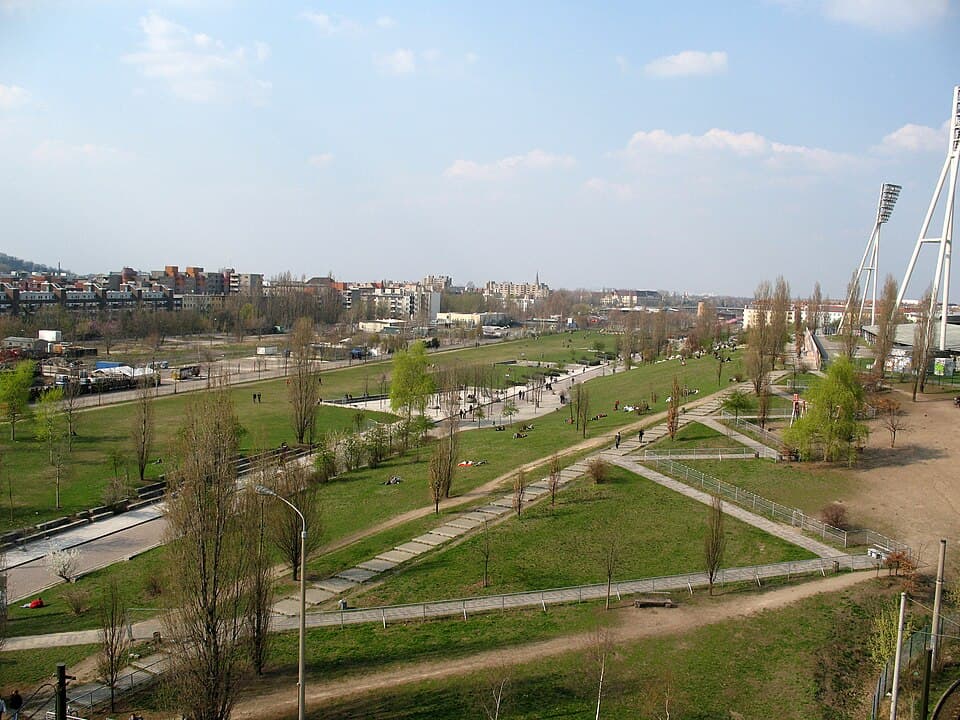
Berlin: Bernauer Straße Wall History & Mauerpark Culture
This tour follows the former Berlin Wall along Bernauer Straße and into Mauerpark, tracing key sites of division, escape attempts, and remembrance. It includes the Berlin Wall Memorial, preserved border installations, the Chapel of Reconciliation, and Wall history plaques, then continues through Mauerpark, the flea market area, and nearby streets to explore everyday GDR life and post-reunification change.
Berlin Friedrichshain–Kreuzberg: Food, Nightlife and Street Art
This tour explores Berlin’s Friedrichshain and adjacent Kreuzberg, focusing on Boxhagener Platz, Simon-Dach-Straße, and the RAW-Gelände area. It covers local markets, casual food corridors, and former industrial sites, as well as East Side Gallery and Oberbaumbrücke. Themes include post-reunification urban change, street art, nightlife culture, and everyday food traditions.
Berlin: Holocaust Memorials, Jewish History and Memory
This tour explores central Berlin sites related to the Holocaust, Nazi persecution, and Jewish life before and after 1945. It visits major memorials, Stolpersteine, Bebelplatz, the Hackesche Höfe courtyards, the Neue Synagoge, and the Anne Frank Zentrum exterior. Themes include remembrance culture, urban history, and changing memorial practices along the Spree.
Berlin Prenzlauer Berg: Neighborhood History & Everyday Life
This tour follows a route through Berlin’s Prenzlauer Berg, from Kollwitzplatz and Helmholtzplatz to Kastanienallee, Oderberger Straße, and Mauerpark. It examines pre-war and GDR-era architecture, Jewish heritage at Rykestraße Synagogue, and the district’s post-reunification transformation into a residential and cultural area of cafés, bars, and parks.
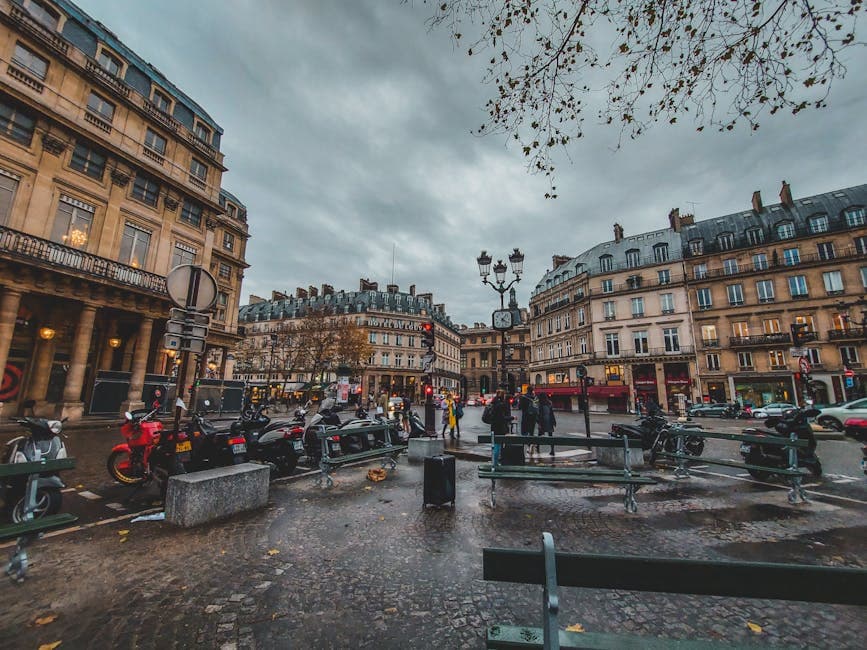
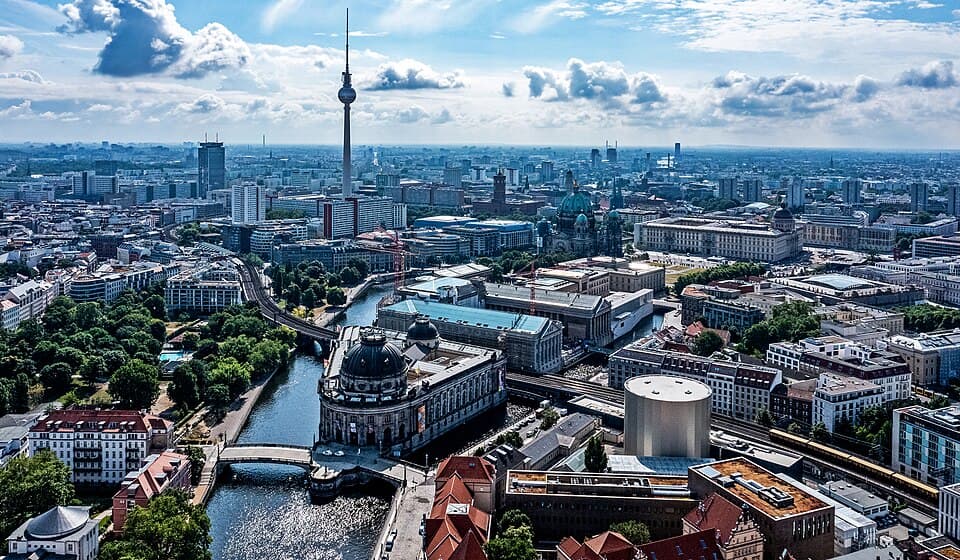
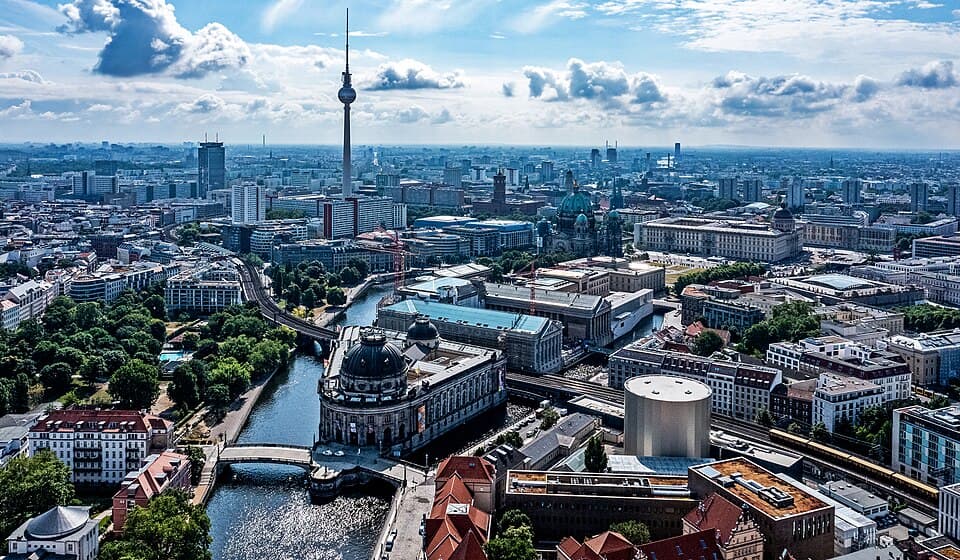
Berlin: Museum Island, Spree Riverfront and Old Town History
This tour follows the Spree riverfront from Monbijoupark to the historic center, focusing on Museum Island and Berlin’s reconstructed old town. It covers landmarks such as the Bode-Museum, Berlin Cathedral, Humboldt Forum, Nikolaiviertel, and Rotes Rathaus, highlighting urban development, Prussian-era architecture, war damage, and post-reunification rebuilding.
About Berlin
Top Attractions
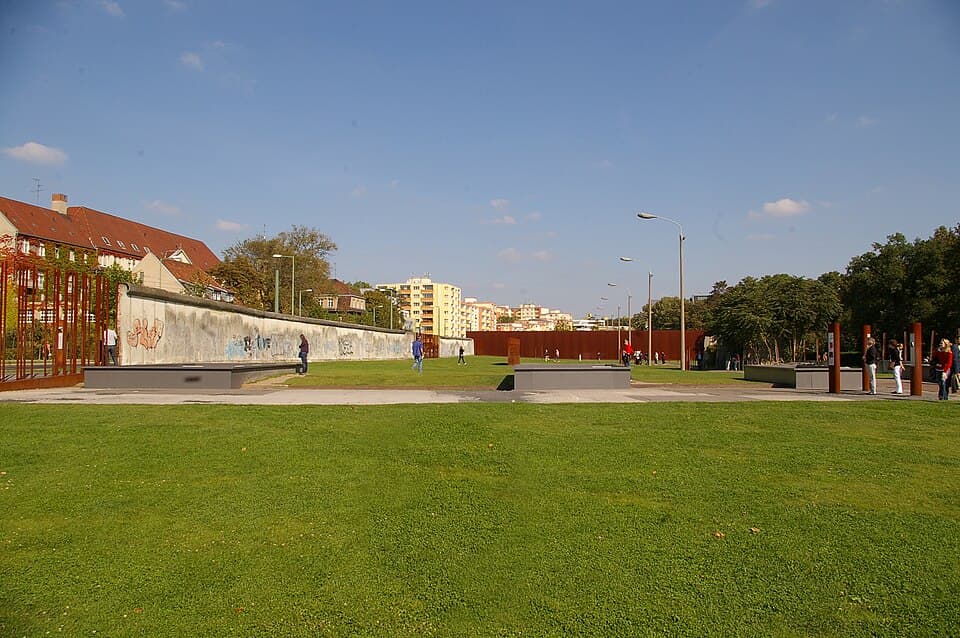
Berlin Wall Memorial
Central memorial tracing Bernauer Straße’s divided past
This stop orients visitors at the main entrance to the Berlin Wall Memorial on Bernauer Straße, framing the entire tour. It should introduce why Bernauer Straße became one of the most emblematic streets of division, with houses on one side in the East and pavement in the West. The narration can explain the memorial’s layout: preserved border strip, documentation center, remembrance window, and open-air exhibits. One anecdote may describe how, right after the Wall went up, residents jumped from apartment windows to reach West Berlin while West Berlin fire brigades tried to catch them with rescue nets. Another may mention how international television crews filmed along this street, turning it into a global symbol of the new barrier.
View Tour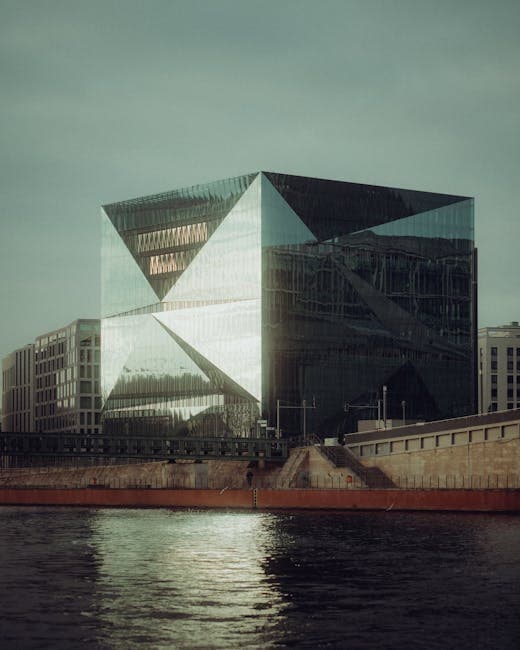
Monbijoupark Riverfront
Green lawns facing Museum Island across Spree
This stop introduces the tour at the relaxed riverfront lawns of Monbijoupark, directly opposite Museum Island. The guide should orient the listener using views toward the Bode Museum dome, Berlin Cathedral’s large dome in the distance, nearby bridges, and the Spree itself as the main axis of the walk. Context includes Monbijou Palace once standing here, its destruction after the Second World War, and the site’s later reuse as a public park. An anecdote can highlight how this calm green space replaces a former royal residence, reflecting Berlin’s shift from monarchy to a more open, civic riverfront.
View Tour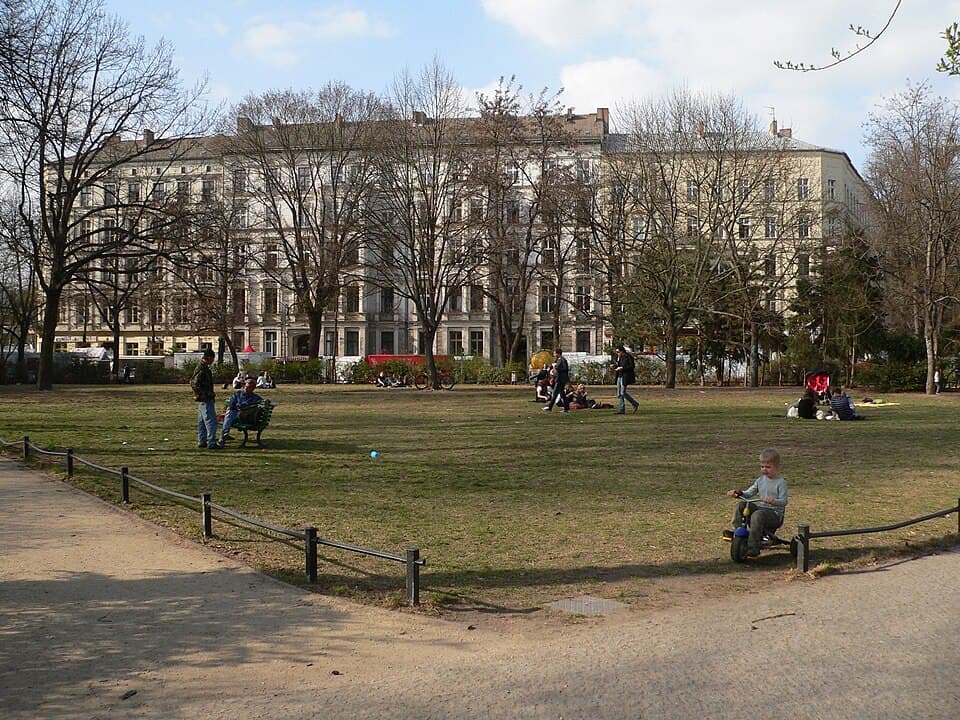
Kollwitzplatz
Market square, pre-war blocks, and café culture
This stop introduces Prenzlauer Berg at Kollwitzplatz, a green square ringed by late 19th‑century apartment buildings and busy cafés. The script should explain the square’s origins in Berlin’s Gründerzeit expansion and its association with artist Käthe Kollwitz, including her former residence nearby. It should evoke the weekly market, playgrounds, and stroller‑heavy sidewalks as symbols of post‑reunification gentrification and family‑oriented life. One anecdote can describe how the area shifted from a more working‑class and bohemian reputation in the GDR and 1990s to one of the city’s highest concentrations of children today. Another can touch on local debates over rising rents and efforts to preserve the market’s neighborhood character.
View Tour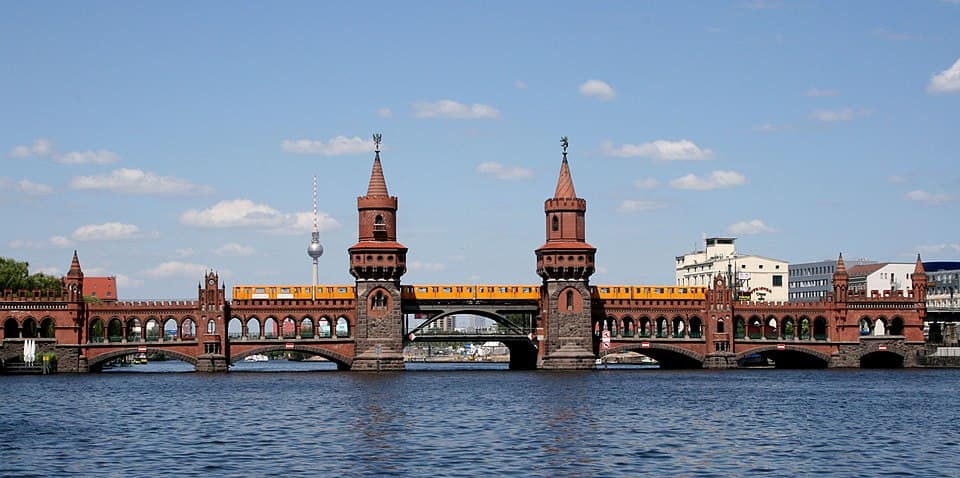
Boxhagener Platz
Neighborhood square with weekly market life
This stop introduces Boxhagener Platz, known locally as “Boxi,” a leafy square framed by late 19th‑century apartment blocks and busy cafés. The script should describe the Wochenmarkt on market days, with its mix of produce, street food, and community stalls, and contrast it with the quieter weekday atmosphere. It should situate Boxi in former East Berlin, noting post‑Wall changes as bars and organic food stands arrived. One anecdote could mention the popular Sunday flea market’s role as a meeting place for students, families, and bargain hunters, and another about how some long‑time residents remember the more utilitarian GDR-era market culture here.
View Tour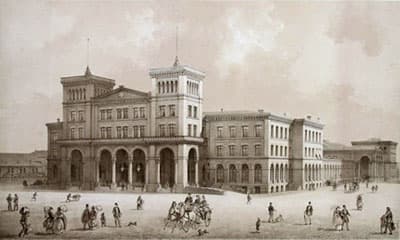
Görlitzer Bahnhof Area
Street art corridor beneath the U1 tracks
This stop introduces the noisy Skalitzer Straße corridor around the U1 Görlitzer Bahnhof station, with its dense layering of graffiti, tags, posters, and murals. The script should explain the history of the former Görlitzer long‑distance railway station, whose grounds later became Görlitzer Park, and how the elevated U‑Bahn shaped Kreuzberg’s urban fabric. It should highlight this stretch as an open‑air gallery and communication wall for political slogans, subcultural symbols, and neighborhood messages. One anecdote could focus on how local residents and artists fought to preserve legal graffiti spaces during redevelopment discussions. Another can mention how the area’s gritty image once discouraged investment, indirectly protecting low‑rent spaces for artists and migrant businesses.
View Tour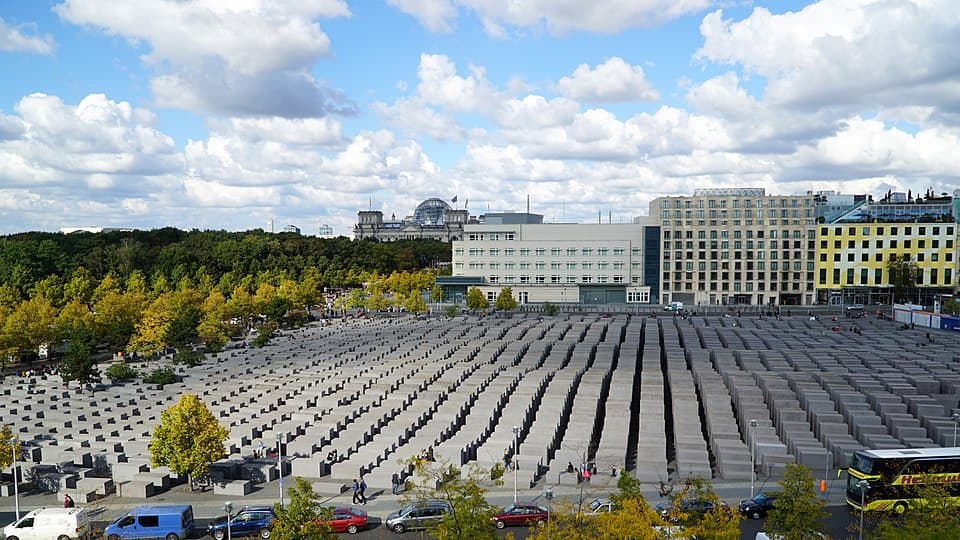
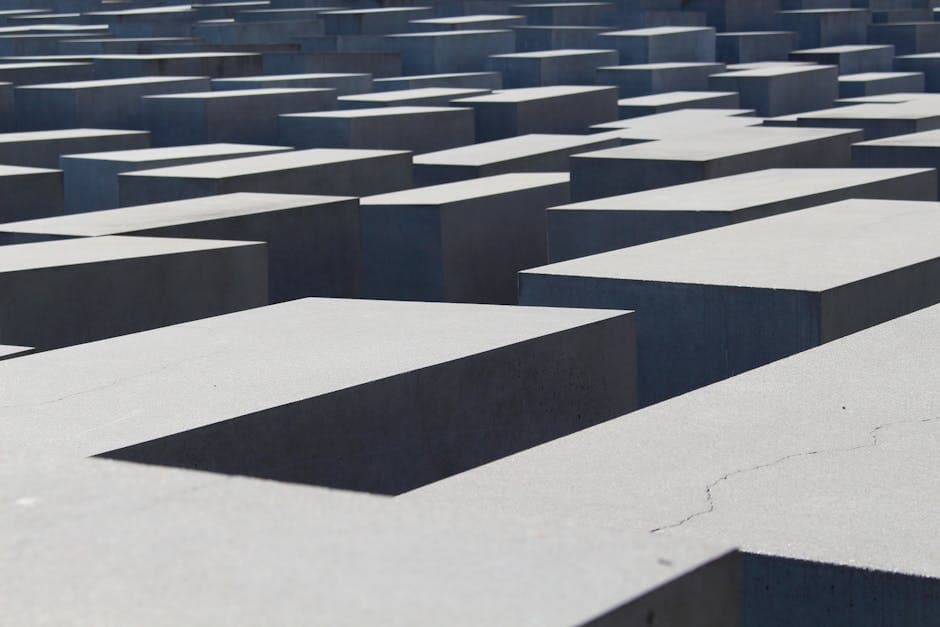
Memorial to the Murdered Jews
Concrete field confronting the scale of the Holocaust
This stop introduces the Memorial to the Murdered Jews of Europe, a vast field of concrete stelae near the Brandenburg Gate, and frames the entire tour’s themes of Holocaust remembrance and urban memory. The summary should cover its post‑reunification origins, the public debates about design and location, and architect Peter Eisenman’s concept of disorientation and instability. It should touch on how visitors move through the grid, how the memorial interacts with Berlin’s government quarter, and how critics questioned whether abstraction can do justice to the victims. One unique anecdote to include is how, during planning, nearby residents expressed concern about children playing or people sunbathing on the stelae, anticipating the ongoing tension between everyday life and solemn memory in this busy area.
View Tour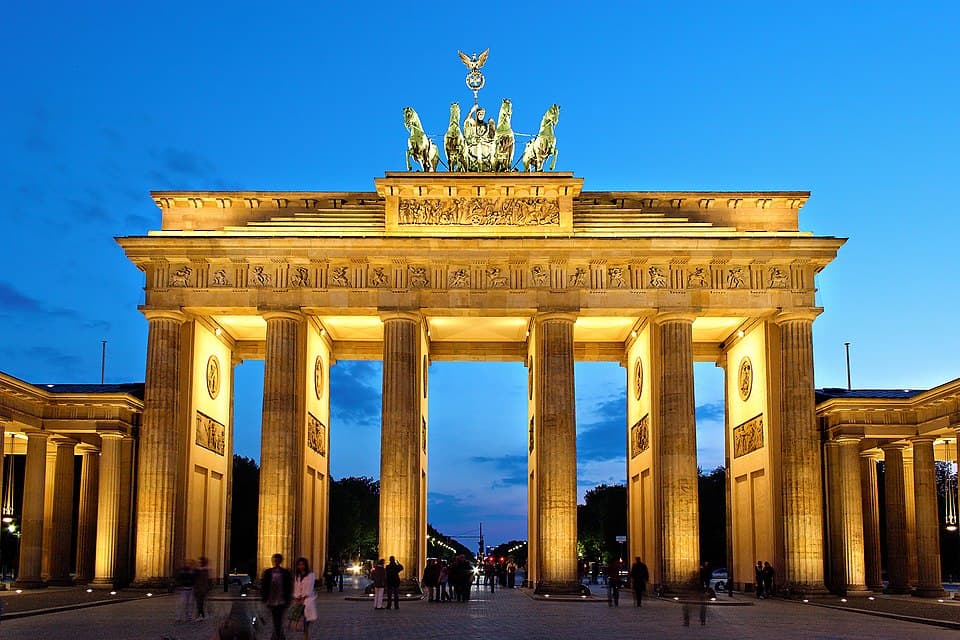
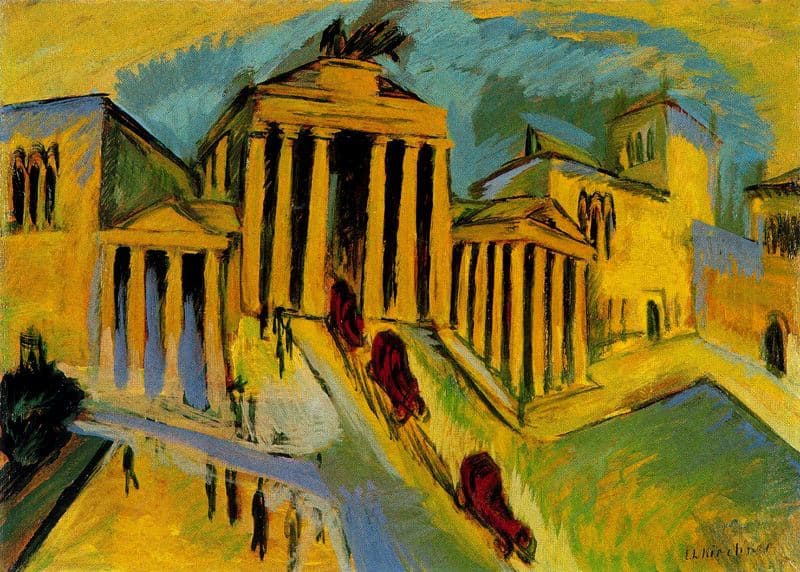
Brandenburg Gate
Symbolic gateway through Prussian, Nazi and Cold War eras
This stop introduces Brandenburg Gate as the monumental western entrance to historic Berlin and the symbolic starting point for the tour. The script should cover its late 18th‑century neoclassical design, links to Frederick William II, and its model in the Athenian Propylaea. It should trace the gate’s changing meanings under the Prussian monarchy, the German Empire, the Nazi regime, and especially its role on the border between East and West Berlin during the Cold War. An anecdote can describe how the Quadriga sculpture was taken to Paris by Napoleon and later triumphantly returned to Berlin, subtly altered to reflect Prussian victory. Another story might recall the powerful images of crowds celebrating German reunification around the gate in 1989–1990, highlighting its emergence as a symbol of unity rather than division.
View Tour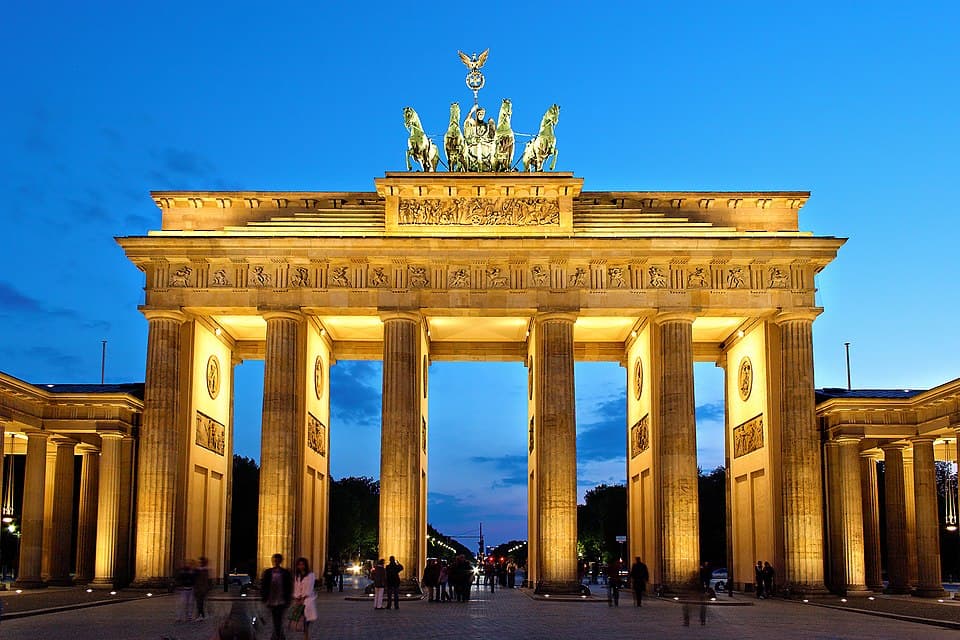
Brandenburg Gate
Prussian city gate turned national symbol
This stop introduces the Brandenburg Gate as an 18th‑century Prussian city gate that evolved into a central symbol of German history and unity. The script should cover its classical architecture, the Quadriga sculpture, and its role in royal processions, imperial ceremonies, and modern protests. It should explain the gate’s position at the former city wall and as the start of Unter den Linden, and how it later stood isolated in the Berlin Wall’s no‑man’s‑land. Include an anecdote about the Quadriga being taken to Paris by Napoleon and later returned to Berlin, and another about the televised images of people climbing the gate during the 1989 fall of the Wall, while stressing conservation concerns at the time.
View Tour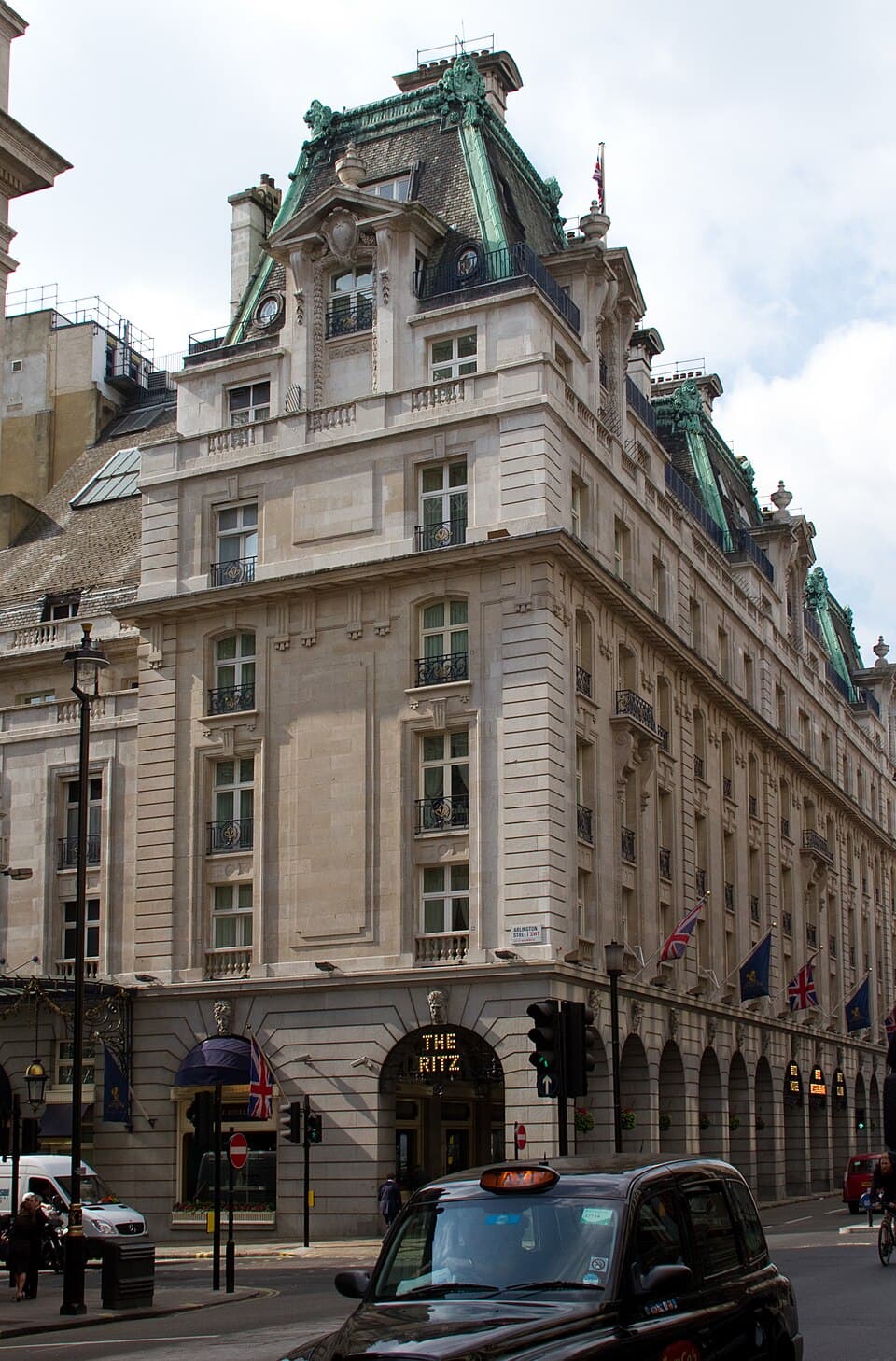
Hotel Adlon Exterior
Luxury hotel façade beside Berlin’s political stage
This stop focuses on the exterior of Hotel Adlon, a reconstruction of Berlin’s legendary grand hotel overlooking Pariser Platz. The narration should explain the original hotel’s early 20th‑century fame as a meeting place for aristocrats, artists, and politicians, and its near‑destruction in the final days of World War II. It should clarify how the current building, opened after reunification, combines homage to the historic façade with contemporary hotel functions, and how its presence reshapes the square’s atmosphere. One anecdote might describe the Adlon’s role as a backdrop for high‑profile state visits and discreet diplomacy in the interwar years. Another can mention a notable cultural guest or film production that used the hotel as a setting, illustrating its ongoing association with glamour and spectacle.
View Tour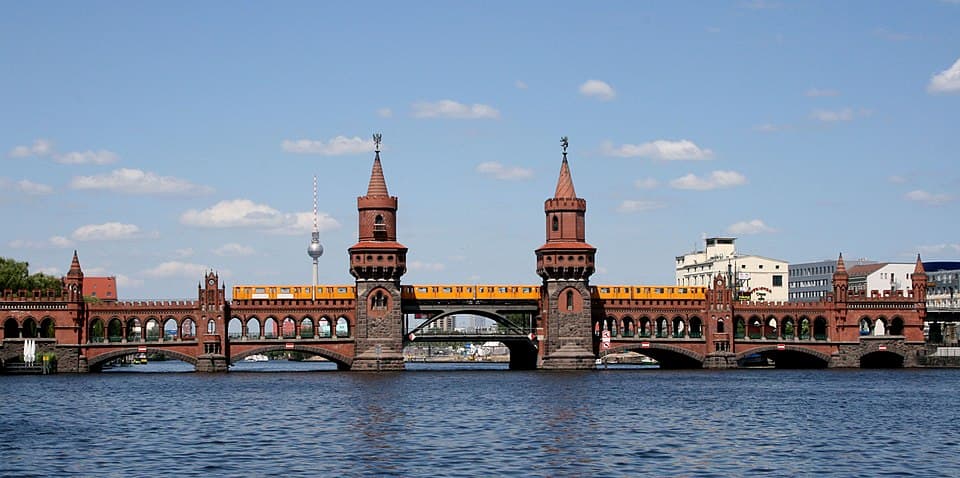
Simon-Dach-Straße
Restaurant and bar strip off Boxhagener Platz
This stop covers Simon-Dach-Straße as a dense corridor of bars, cafés, and restaurants that exploded in popularity after reunification. The script should note the street’s pre‑war residential character, its GDR years as a relatively quiet backstreet, and its rapid change in the 1990s and 2000s. It should highlight how multilingual menus, outdoor seating, and varied cuisines reflect tourism and new migrant communities. One anecdote might describe how residents once organized petitions about noise and bar licensing, while another could recall early, tiny bars that started with improvised furniture and homemade cocktails before the area became mainstream.
View Tour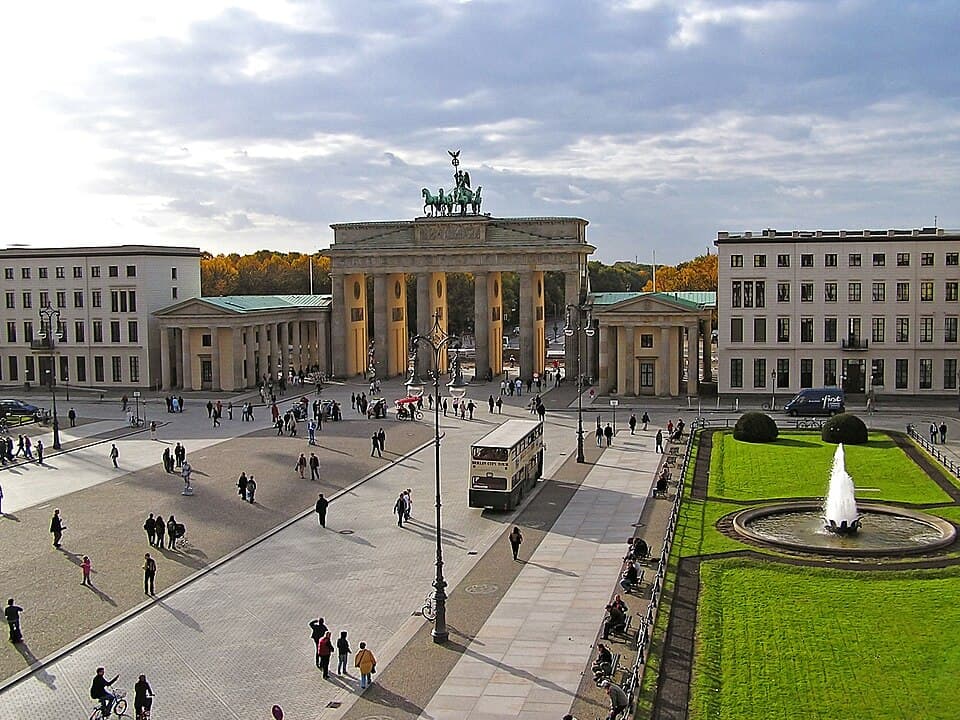
Pariser Platz
Prestige square beside Berlin’s iconic gate
Here the focus is on Pariser Platz as the formal urban space framing the Brandenburg Gate, rebuilt after near total wartime destruction. The script should describe the square’s geometry, paving, and landmark buildings like the Hotel Adlon, embassies, and cultural institutions. Historically, it should trace its development as a prestigious address in the 18th–19th centuries, its naming after the Prussian victory over Napoleon, and its desolation during the divided city period. Include an anecdote about famous guests of the pre‑war Hotel Adlon, such as international film stars or political leaders, and a separate one about the intense post‑reunification debates over strict building height and facade guidelines designed to recreate a dignified framing for the gate.
View Tour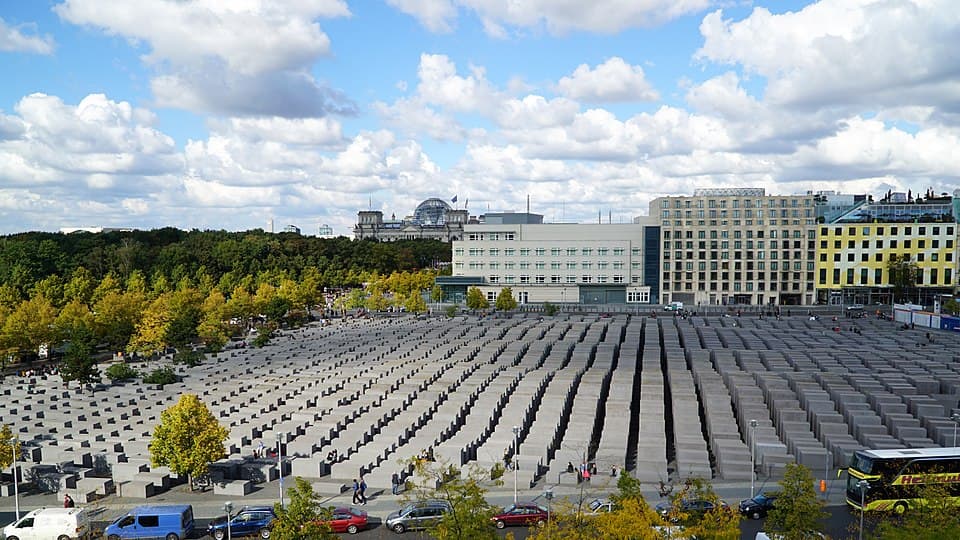
Holocaust Memorial Information Centre
Entrance to underground exhibition and documentation
This stop focuses on the entrance area to the underground Information Centre beneath the Holocaust Memorial, treating it as a context point rather than an invitation to enter. The script should explain that below lies a documentation space with personal stories, family photographs, and lists of names, designed to complement the abstract stelae above. It should outline the basic structure of the exhibition rooms and the idea of moving from anonymous mass to individual biographies. A unique anecdote to highlight is how the designers collected family stories from across Europe, sometimes receiving boxes of letters and photographs from descendants who had never before shared them publicly, illustrating the memorial’s role in gathering dispersed memories.
View TourFrequently Asked Questions
How do audio walking tours work in Berlin?
Our audio walking tours in Berlin are self-guided experiences that you can start anytime. Simply download the Roamway app, select a tour, and follow the GPS-guided route. The audio narration automatically plays as you approach each point of interest, allowing you to explore at your own pace.
Are self-guided tours better than guided tours?
Self-guided audio tours offer flexibility that traditional guided tours can't match. You can pause, rewind, or skip sections, explore at your own pace, and start whenever you're ready. Plus, our tours are available in multiple languages and work offline once downloaded.
Do I need an internet connection during the tour?
No! Once you've downloaded a tour in the Roamway app, it works completely offline. The GPS navigation and audio narration function without an internet connection, making it perfect for international travelers who want to avoid data charges.
How long do the audio tours take?
Tour durations vary, but most of our audio tours in Berlin range from 1 to 3 hours, depending on your pace and how much time you spend at each point of interest. You can complete them in one go or split them across multiple visits.
Ready to explore Berlin?
Download Roamway and start your audio-guided adventure today.