
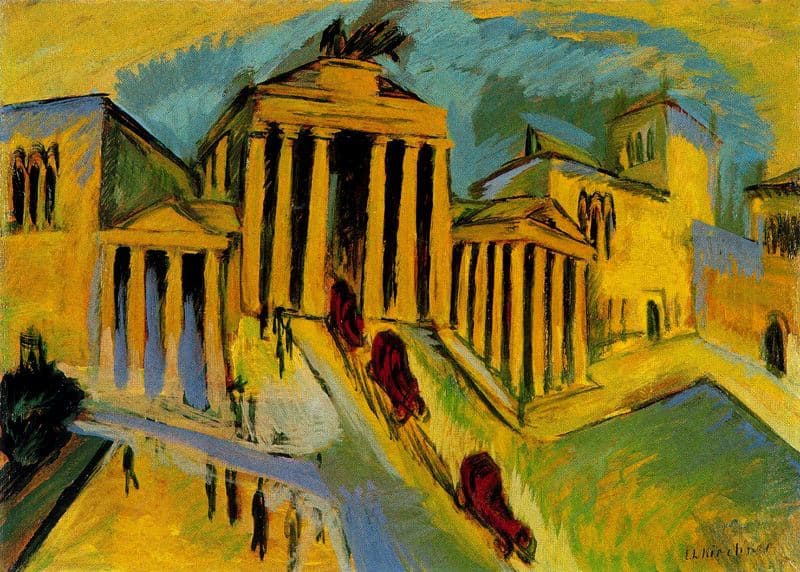
Berlin Prenzlauer Berg: Neighborhood History & Everyday Life
Berlin, Deutschland
Audio Preview
Listen to a sample of this audio tour to get a feel for the experience.
What You'll Experience
On this Berlin Prenzlauer Berg: Neighborhood History & Everyday Life audio tour in Berlin, you'll discover 12 carefully selected points of interest, each with its own story. The tour is designed to be completed at your own pace, with GPS navigation guiding you from one location to the next. As you approach each stop, the audio narration automatically begins, bringing history, culture, and local insights to life.
About This Tour
This tour follows a route through Berlin’s Prenzlauer Berg, from Kollwitzplatz and Helmholtzplatz to Kastanienallee, Oderberger Straße, and Mauerpark. It examines pre-war and GDR-era architecture, Jewish heritage at Rykestraße Synagogue, and the district’s post-reunification transformation into a residential and cultural area of cafés, bars, and parks.
Points of Interest
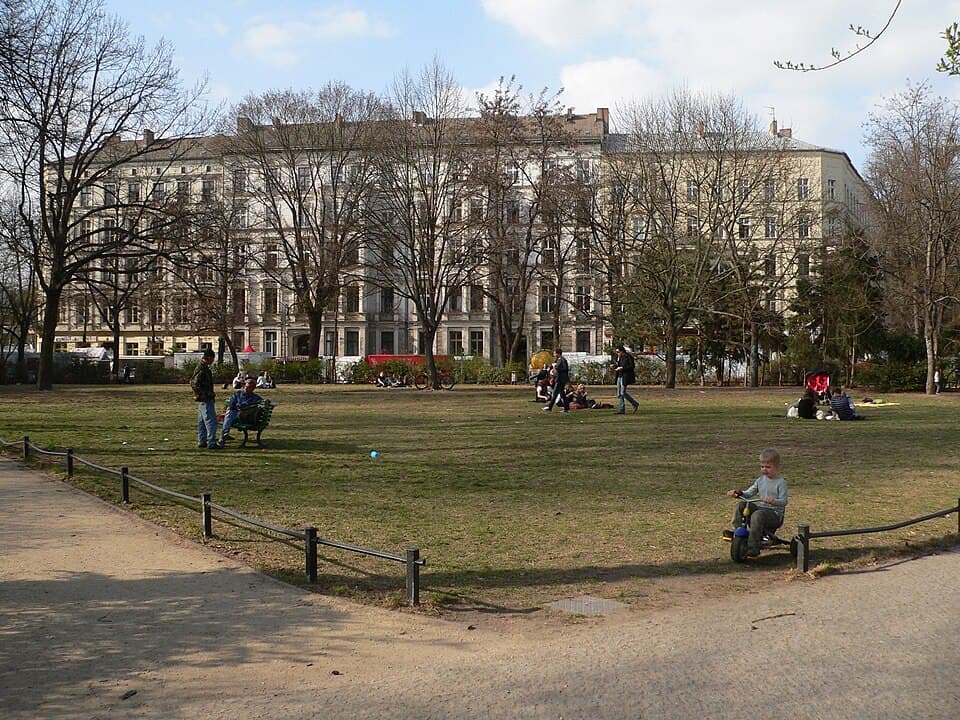
Kollwitzplatz
Market square, pre-war blocks, and café culture
This stop introduces Prenzlauer Berg at Kollwitzplatz, a green square ringed by late 19th‑century apartment buildings and busy cafés. The script should explain the square’s origins in Berlin’s Gründerzeit expansion and its association with artist Käthe Kollwitz, including her former residence nearby. It should evoke the weekly market, playgrounds, and stroller‑heavy sidewalks as symbols of post‑reunification gentrification and family‑oriented life. One anecdote can describe how the area shifted from a more working‑class and bohemian reputation in the GDR and 1990s to one of the city’s highest concentrations of children today. Another can touch on local debates over rising rents and efforts to preserve the market’s neighborhood character.
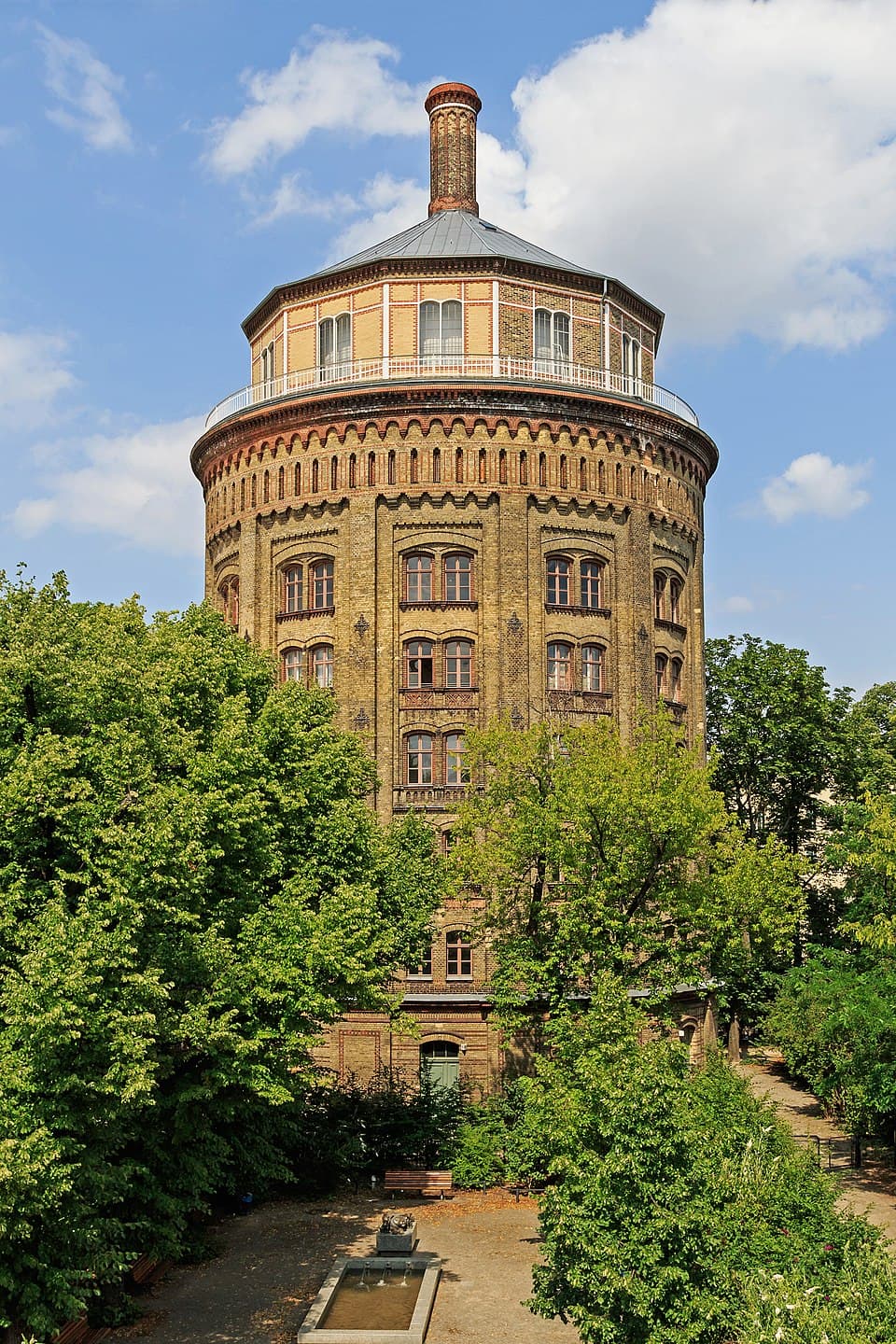
Wasserturm Prenzlauer Berg
Historic water tower overlooking dense courtyards
This stop focuses on Berlin’s oldest surviving water tower and its surrounding park, slightly elevated above the neighborhood. The script should outline the tower’s function in the 19th century supplying the expanding district, and its position amidst tightly packed Mietskasernen housing blocks. It should address the darker chapter when nearby buildings were used by the early Nazi regime as a detention site for political opponents, contrasting that with today’s playgrounds and lawns. One anecdote might recount how locals long avoided talking about the site’s early concentration camp role until memorial plaques appeared decades later. Another can describe how desirable loft apartments were later built into the tower and adjacent structures, symbolizing the rebranding of industrial infrastructure into luxury housing.
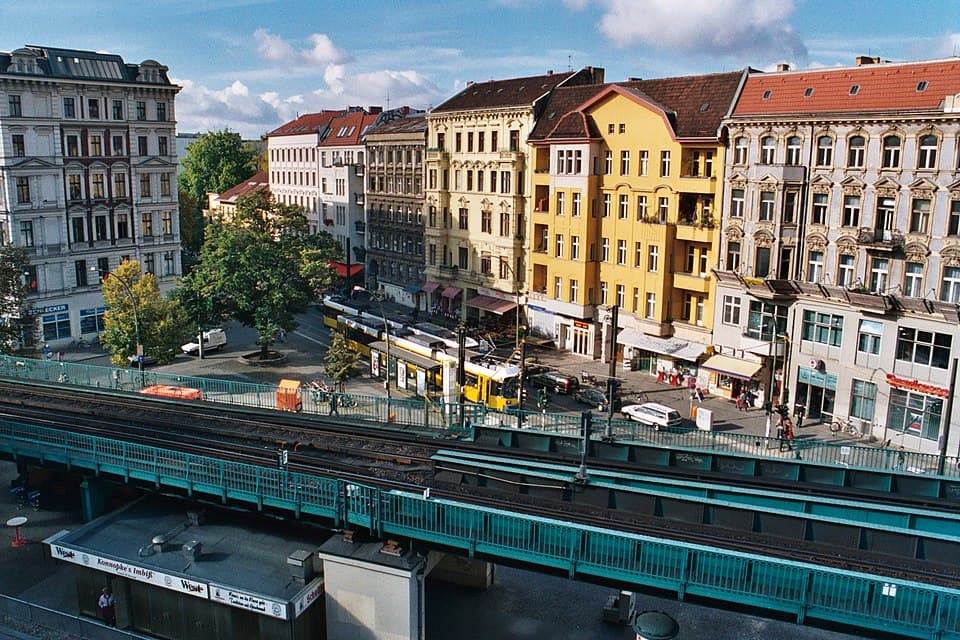
Knaackstraße And Rykestraße
Altbau façades and layered residential history
This stop uses a corner along Knaackstraße and Rykestraße to explain typical Prenzlauer Berg Altbau architecture. The script should describe stuccoed façades, high ceilings, front houses and back courtyards, and how these blocks once housed overcrowded working‑class families. It should mention wartime damage in the area but stress how many buildings survived, then decayed under GDR rule before post‑1989 renovation. One anecdote might recount how a single courtyard reportedly housed multiple generations sharing one bathroom and coal‑heated stoves during the GDR years. Another can reference how, in the 1990s, some streets here became laboratories for early renovation projects, with scaffolding and construction noise becoming part of everyday life.
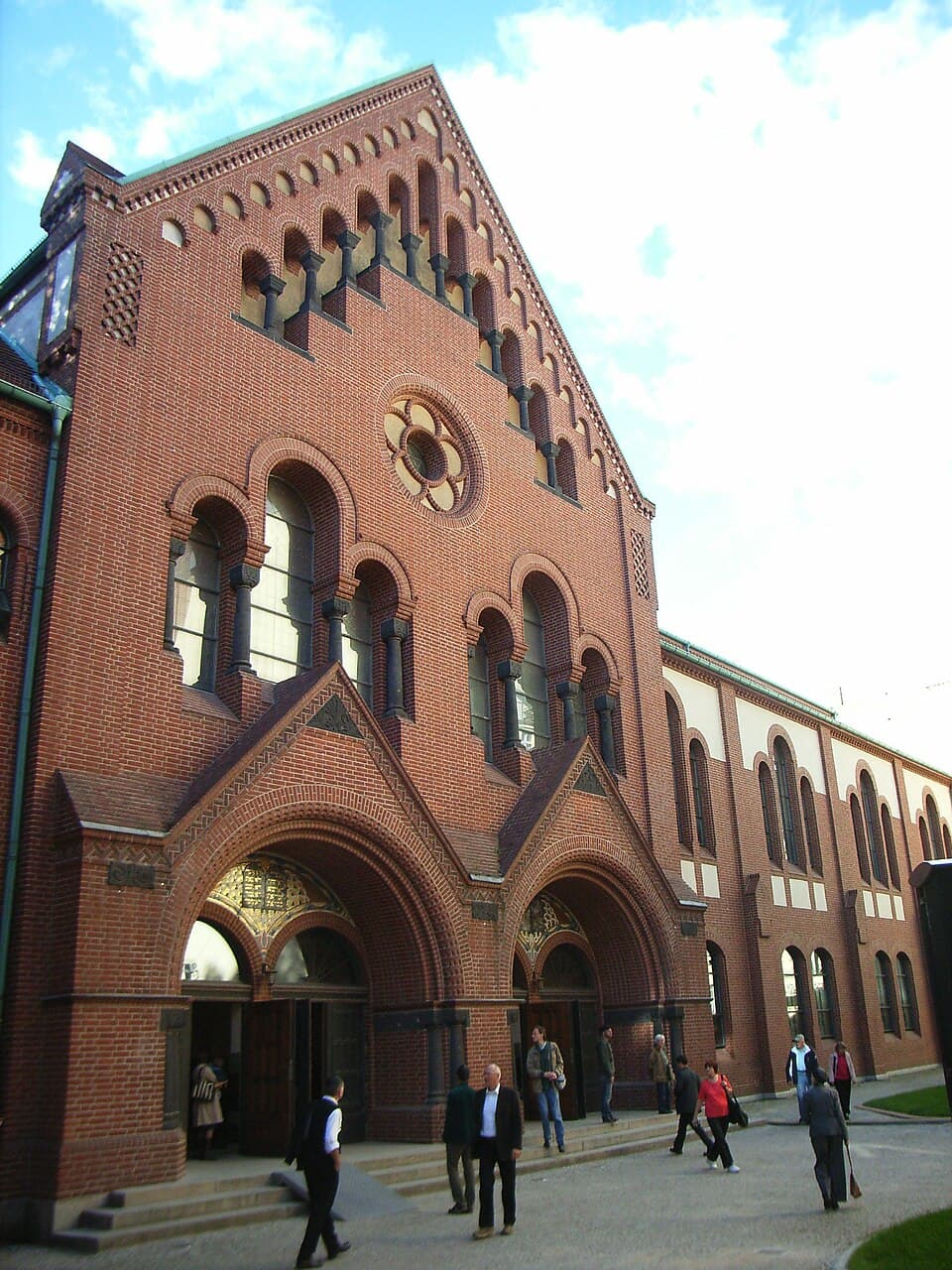
Rykestraße Synagogue
Surviving synagogue in a residential courtyard
This stop covers the exterior of Rykestraße Synagogue, one of the major surviving synagogues in Berlin, set back from the street behind residential buildings. The script should explain its late 19th or early 20th‑century origins, its role serving a large pre‑war Jewish community, and how it survived Nazi rule when many synagogues were destroyed. It should touch on post‑war use under the GDR, when Jewish life was reduced but continued here, and later restoration after reunification. One anecdote can describe how, during the November pogroms, the synagogue was damaged internally but not burned down, reportedly because of fear of fire spreading to neighboring housing. Another might note how today, security measures and subtle signage reflect both renewed religious life and ongoing concerns for safety.
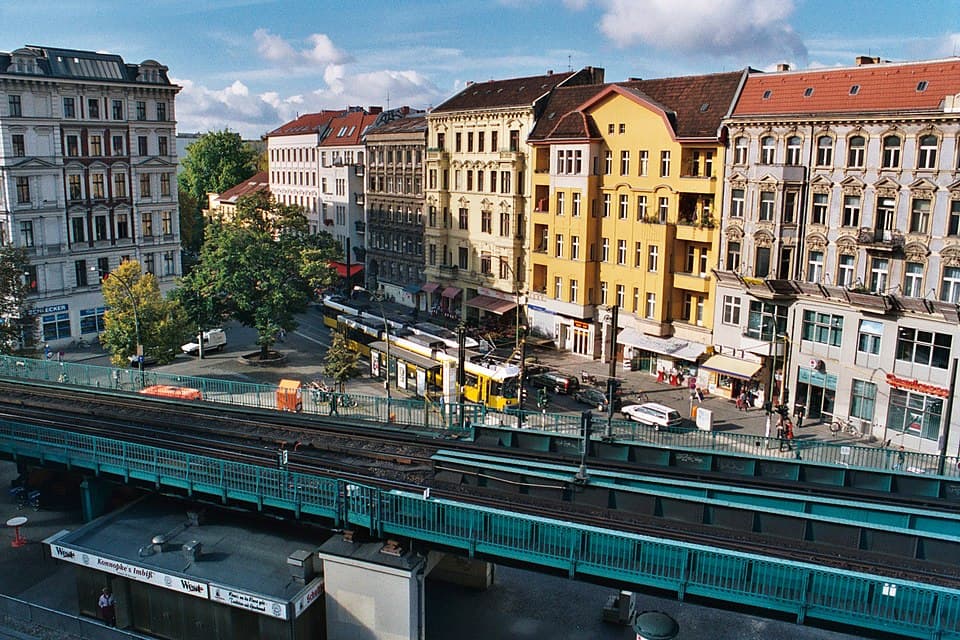
Helmholtzplatz
Neighborhood square from rough edge to family hub
This stop centers on Helmholtzplatz, a rectangular green square surrounded by dense apartment blocks and playgrounds. The script should explain its origins as a planned urban square and how, in late GDR times and the early 1990s, it was known for a rougher atmosphere, including alcohol and drug use. It should then show how local initiatives, playground investment, and new residents with children transformed it into a family‑oriented meeting place. One anecdote might recall how residents organized informal patrols and clean‑ups in the 1990s to reclaim the space. Another can describe how neighborhood festivals or open‑air film nights began using the square, reinforcing its role as a community living room.
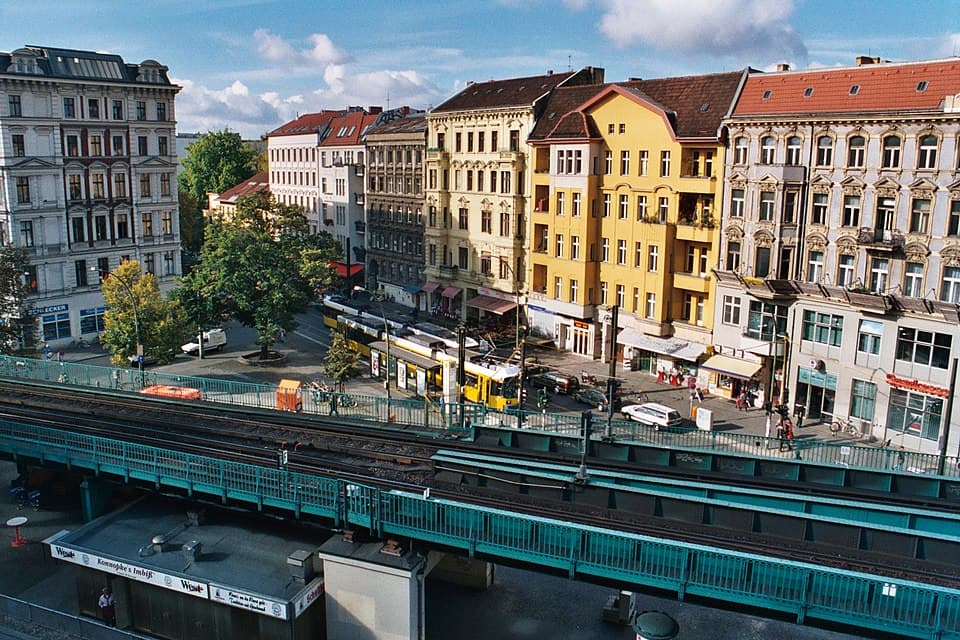
Kastanienallee
Lively shopping street with changing character
This stop explores Kastanienallee, a long, tree‑lined street known for small shops, bars, and independent cinema. The script should situate it as one of the first streets in Prenzlauer Berg to become popular after reunification with artists, students, and alternative venues. It should highlight the contrast between worn older façades and renovated houses, and explain how rising rents shifted businesses from experimental projects to more polished boutiques and eateries. One anecdote might recall a now‑closed anarchic bar or gallery here that became a symbol of 1990s subculture before being priced out. Another can reference the nickname “Castingallee,” used by Berliners to poke fun at its fashionable crowds and sidewalk posing.
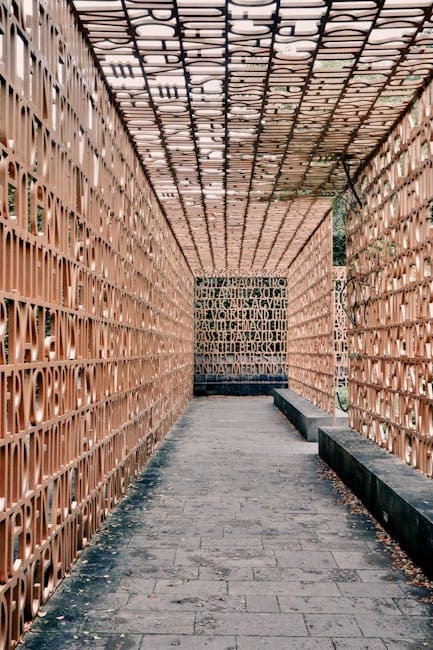
Prater Garten
Historic beer garden behind Kastanienallee gate
This stop focuses on Prater Garten, a historic beer garden reached through a modest gate on Kastanienallee. The script should trace its origins as a 19th‑century pleasure garden and its survival through imperial times, the Weimar era, Nazism, and the GDR, when it remained a popular local outdoor drinking spot. It should highlight the contrast between the simple wooden benches, chestnut trees, and the changing city outside its walls. One anecdote might evoke how GDR citizens gathered here on summer evenings, using the garden as a semi‑private space to talk more freely over beer. Another can mention how, after reunification, the site occasionally hosted cultural events or open‑air performances that played with its old‑Berlin atmosphere.
Oderberger Straße
Boutique street and former public baths façade
This stop covers Oderberger Straße, a quieter side street characterized by renovated Altbau houses and the distinctive façade of the former public baths (Stadtbad). The script should explain how, under the GDR, many such facilities fell into disrepair, and how this building later became a symbol of heritage reuse as it was converted into a hotel and event space while preserving its exterior. It should note how the street transformed from semi‑neglected housing into a row of boutiques and cafés, attracting visitors but also raising concerns about displacement. One anecdote might describe the long campaign by locals and heritage activists to prevent demolition of the bathhouse. Another can evoke memories of older residents who recalled queuing here for communal baths when private bathrooms were rare.
Mauerpark Southern Entrance
From former border strip to busy park lawns
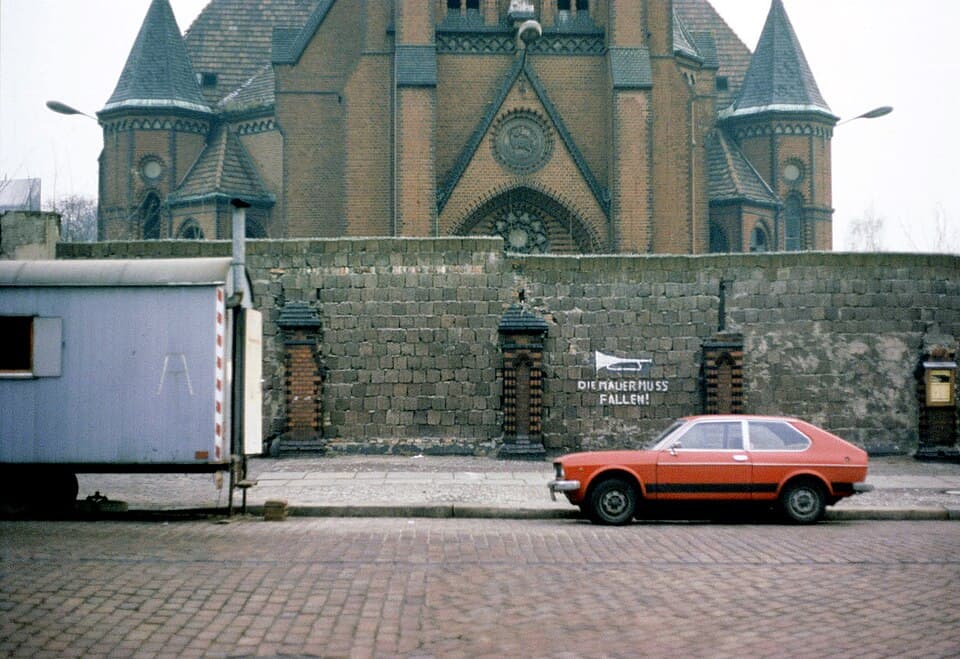
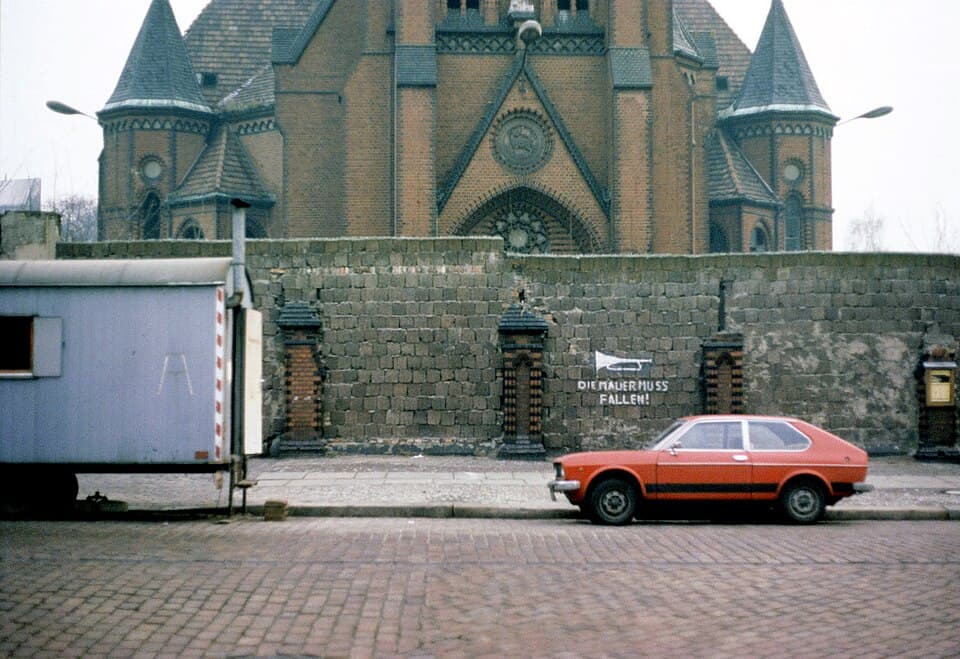
This stop introduces Mauerpark at its southern entrance, where open lawns and paths begin to spread over what was once part of the Berlin Wall’s death strip. The script should describe the former border between East and West Berlin in this area and how, after 1989, the wasteland slowly evolved into an informal park used for barbecues, dog walking, and gatherings. It should highlight the visible remains or traces of the border infrastructure, if any, and the park’s position between districts. One anecdote might recount the early informal flea markets and gatherings that sprang up here in the 1990s before the park was officially landscaped. Another can mention how local volunteers and artists planted trees or painted remaining wall segments, turning symbols of division into canvases.

Mauerpark Amphitheater
Open-air steps and Sunday karaoke scene
This stop centers on the amphitheater within Mauerpark, a stepped bowl built into the slope overlooking a large lawn. The script should explain how this feature was added as part of park development and later became famous for its informal Sunday karaoke, drawing crowds when weather allows. It should connect this spontaneous cultural scene to Berlin’s broader tradition of using leftover spaces for creative purposes. One anecdote might describe how a single Berlin resident began bringing a portable sound system here, gradually turning casual singing into a weekly institution. Another can recount how, on sunny days, the mix of locals, tourists, and buskers creates a stadium‑like atmosphere for amateur performers.
Schwedter Steg
Elevated walkway with views over former border
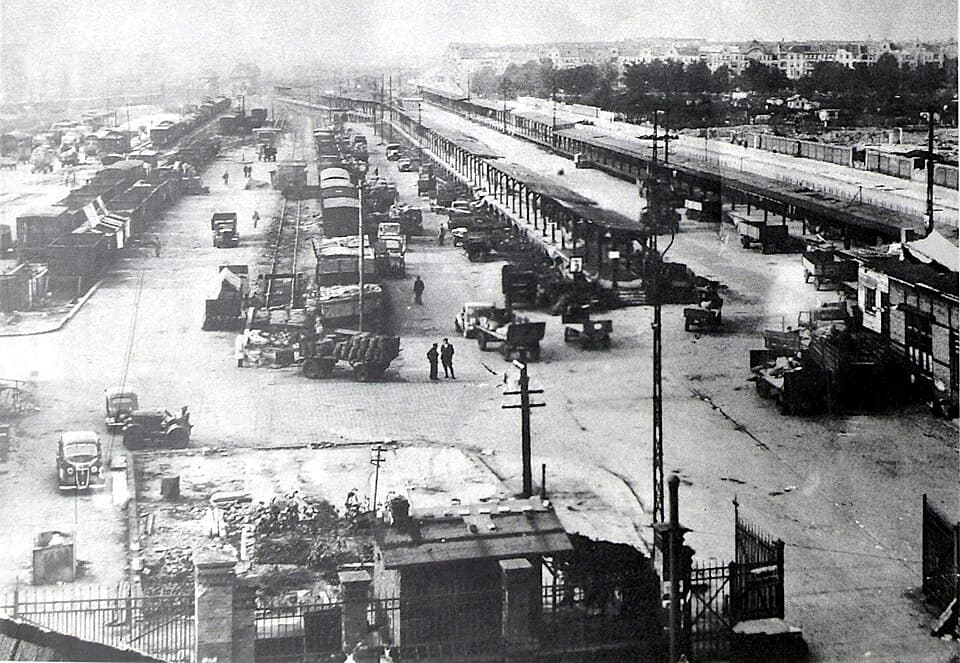
This stop uses the Schwedter Steg, an elevated pedestrian bridge, to offer a broad view over Mauerpark and surrounding districts. The script should explain how the bridge crosses former railway or border land, symbolizing the reconnection of areas once divided by the Wall. It should encourage listeners to look toward the TV Tower and other city landmarks, placing Prenzlauer Berg in the wider geography of Berlin. One anecdote might describe how, in the years after the Wall fell, this area remained a wild, overgrown strip used by dog walkers and graffiti artists before formal paths and the bridge were built. Another can note how the bridge has become a favorite spot for sunset photographs and quiet reflection despite the busy city nearby.
Eberswalder Straße Junction
U-Bahn crossroads of nightlife and everyday transit
This final stop looks at the busy junction around Eberswalder Straße U-Bahn station, with elevated train tracks, tram lines, street food stands, and bars. The script should describe how this crossroads links Prenzlauer Berg with other districts, making it a natural meeting point and symbol of mobility. It should connect the lively scene here—late‑night kebab shops, football fans gathering before matches, and commuters under the rumbling trains—to the neighborhood’s transformation from quiet side streets to a well‑connected, popular residential area. One anecdote might mention how local football supporters stream through here on match days heading toward the nearby stadium, filling the area with chants. Another can evoke how, for many residents, the glowing U-Bahn platforms and snack stands at night mark the comforting end point of their daily routines.
Start This Tour
Download Roamway to experience this audio tour
Tour Details
Access
Free
Stops
12 points of interest
Languages
GermanEnglishSpanishFrench
More tours in Berlin
View all tours in BerlinOther tours you might enjoy:
Berlin: Landmarks, Nazi Era Sites & Cold War Borderlands
This central Berlin route links the Brandenburg Gate, Reichstag, Potsdamer Platz, Gendarmenmarkt, and Unter den Linden with key 20th‑century sites. It examines Prussian architecture, Nazi dictatorship and terror institutions, the Holocaust memorial, Soviet war remembrance, and Cold War border crossings, showing how Berlin’s cityscape reflects German and European history.
Berlin Kreuzberg: Street Art, Canals and Counterculture
This tour explores Kreuzberg’s Görlitzer Bahnhof area, Görlitzer Park, and the canal paths along the Landwehrkanal between Lohmühlenbrücke and Admiralbrücke. It focuses on street art, migrant histories, punk and club culture, and everyday life around Kottbusser Tor, Oranienstraße, Maybachufer, and the former hospital complex at Mariannenplatz.
Berlin: Monuments, Memory and Museum Island Classics
This central Berlin tour focuses on Unter den Linden, Bebelplatz, and Museum Island, featuring monuments, churches, and cultural institutions. It examines Prussian and imperial architecture, war and Cold War legacies, and contemporary reconstruction debates. Key sites include Brandenburg Gate, Bebelplatz, Neue Wache, Berliner Dom, Humboldt Forum, and the major Museum Island façades.
Frequently Asked Questions
How do I start this audio tour?
Download the Roamway app, search for this tour, and tap 'Start Tour'. The app will guide you to the starting point using GPS. Once you're there, the audio narration begins automatically.
Do I need an internet connection?
No! Once you've downloaded the tour in the Roamway app, it works completely offline. The GPS navigation and audio narration function without an internet connection.
Can I pause and resume the tour?
Yes! You can pause the tour at any time and resume later. Your progress is automatically saved, so you can complete the tour over multiple sessions if needed.