
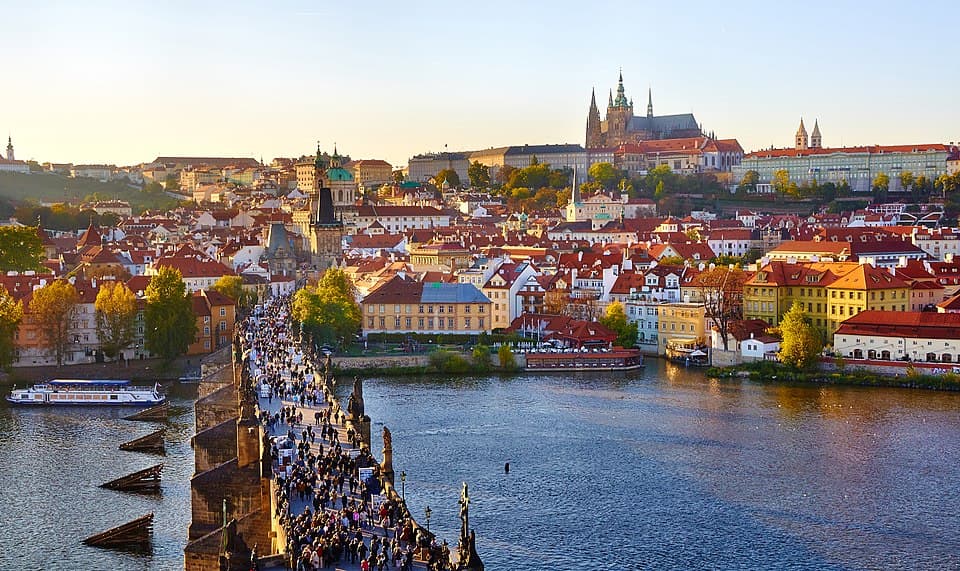
Prague Old Town & Jewish Quarter: History and Heritage
Praga, Česko
Audio Preview
Listen to a sample of this audio tour to get a feel for the experience.
What You'll Experience
On this Prague Old Town & Jewish Quarter: History and Heritage audio tour in Praga, you'll discover 12 carefully selected points of interest, each with its own story. The tour is designed to be completed at your own pace, with GPS navigation guiding you from one location to the next. As you approach each stop, the audio narration automatically begins, bringing history, culture, and local insights to life.
About This Tour
This tour explores Prague’s Old Town Square, the Astronomical Clock, and nearby medieval courtyards before continuing through Charles University and the historic theater district. It then focuses on the Jewish Quarter, including synagogues, the Old Jewish Cemetery, and museum sites, highlighting religious history, urban development, and architectural styles from Gothic to Art Nouveau.
Points of Interest
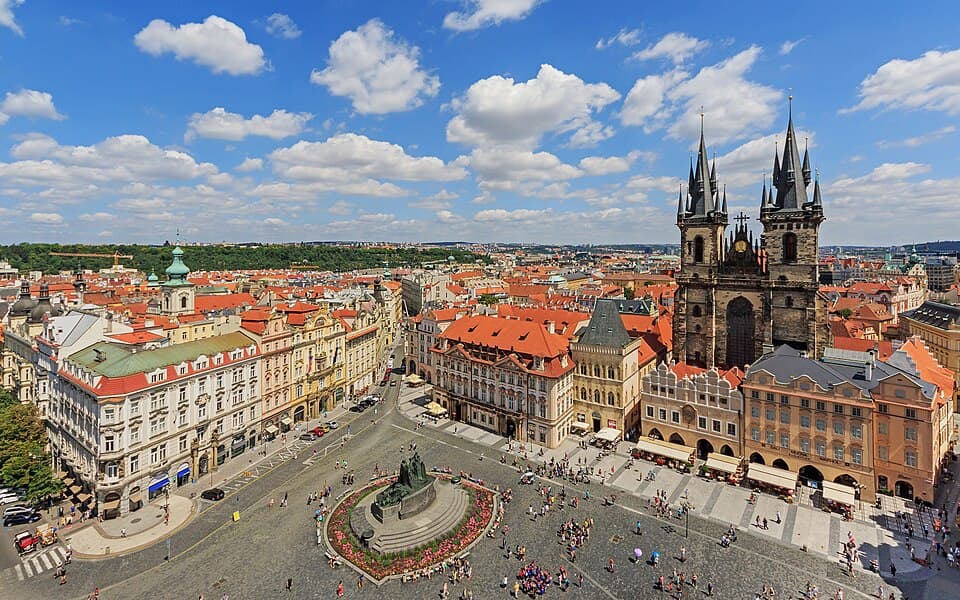
Old Town Square
Medieval marketplace and heart of civic life
This stop orients listeners in Old Town Square as the historic heart of Prague, from medieval marketplace to modern gathering space. The narration should highlight the mix of Gothic, Baroque, and Renaissance facades, the looming Týn church, and the Old Town Hall tower, as well as monuments like the Jan Hus statue. It should cover the square’s role in royal processions, executions, and revolutionary moments, without focusing on any one event too deeply. An anecdote could describe how merchants once sold goods here in chaotic stalls, or how the square has periodically filled with crowds during key political changes.
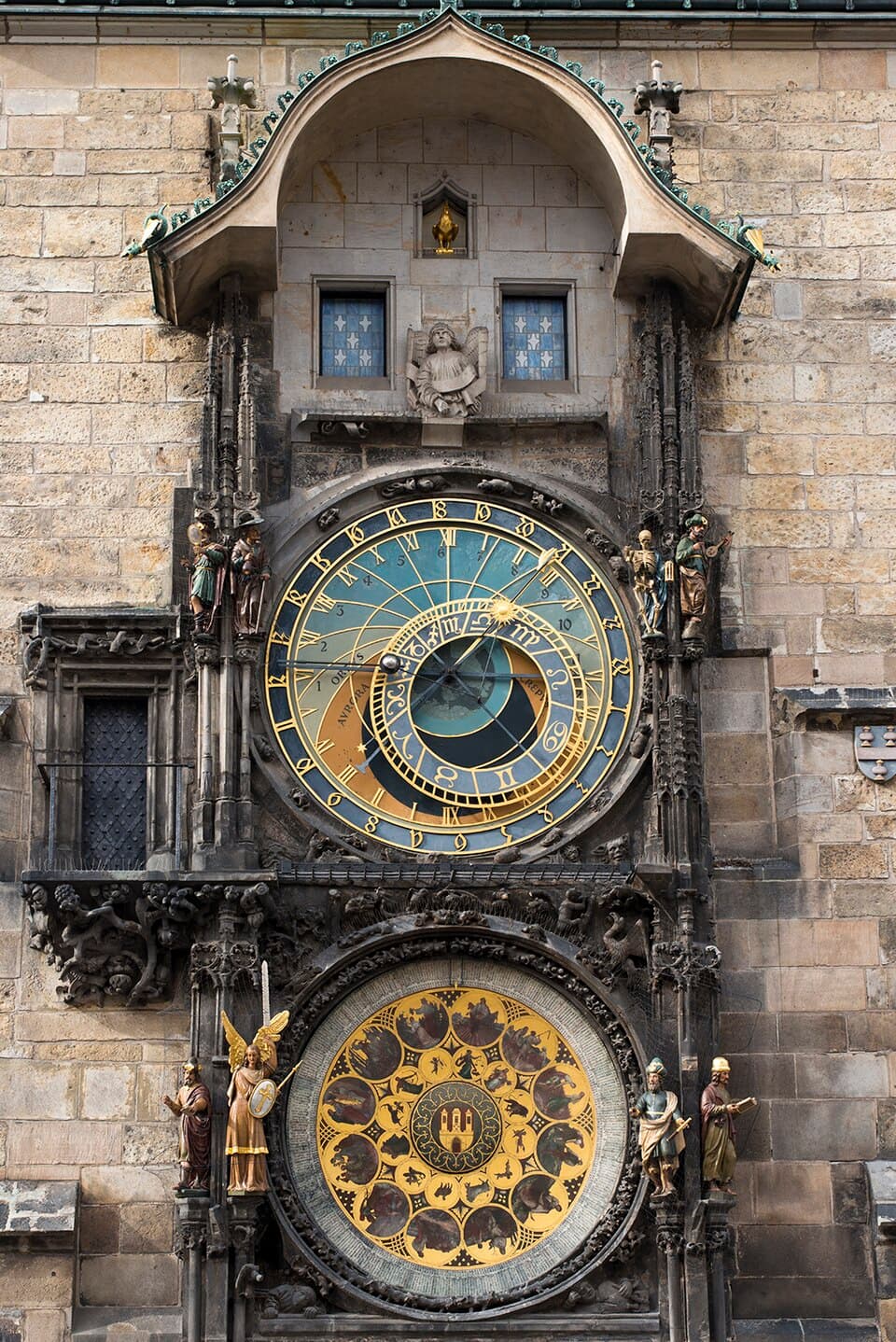
Prague Astronomical Clock
Medieval timekeeper on Old Town Hall wall
This stop focuses on the Astronomical Clock (Orloj) and its setting on the Old Town Hall, including the courtyard behind. The narration should explain the clock’s three main parts (astronomical dial, calendar, and animated figures), its symbolic depiction of time and the cosmos, and how it reflected medieval scientific knowledge and civic pride. It should note historical repairs, legends of its maker, and damage during wartime, while clearly separating myth from fact. An anecdote might describe crowds gathering hourly for the figure procession, or how locals once used the clock to track holy days and seasonal changes.
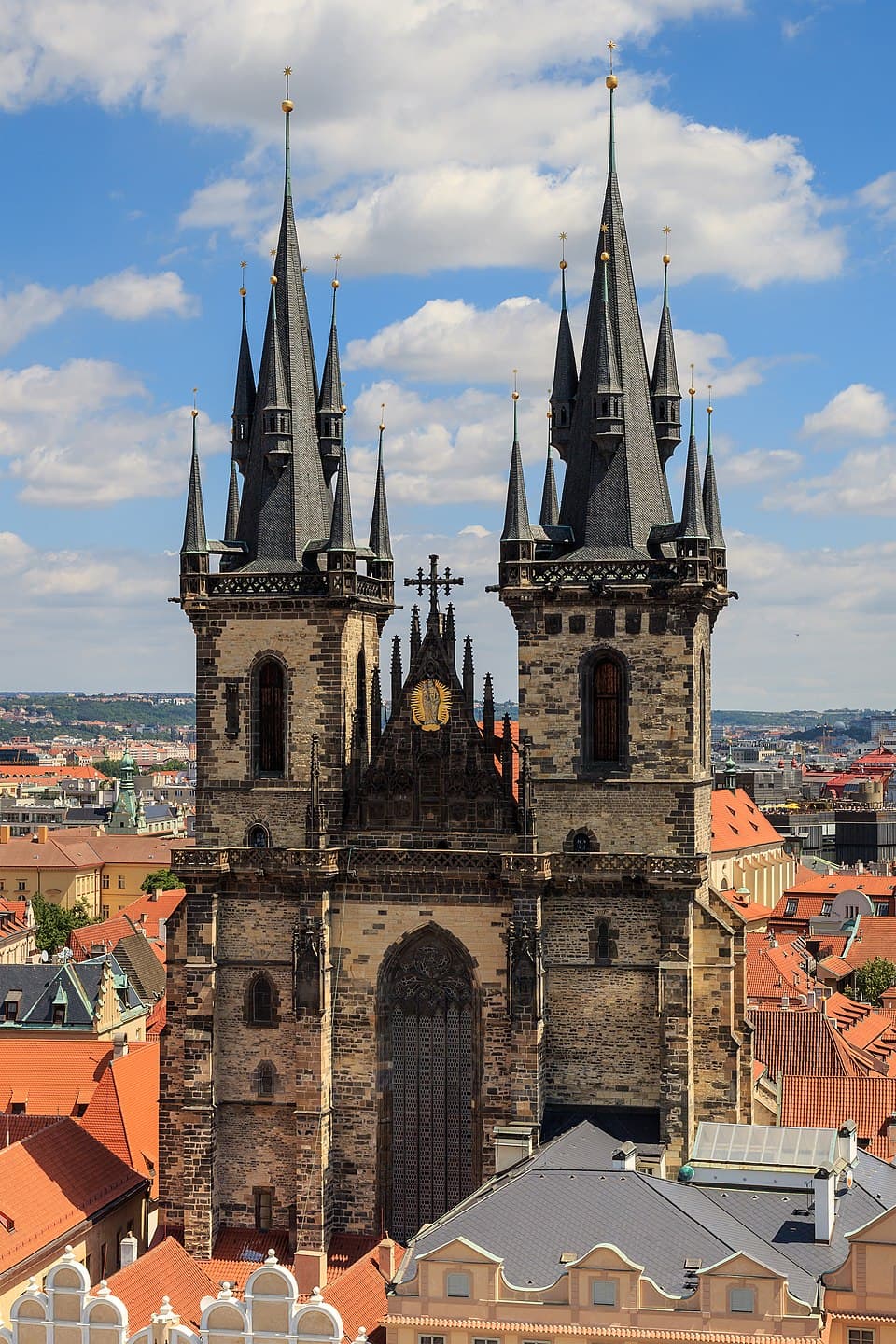
Church of Our Lady before Týn
Gothic twin-towered symbol of Old Town
Here the focus is the Church of Our Lady before Týn, its striking twin Gothic towers, and its position overlooking Old Town Square from behind a row of houses. The narration should explore its medieval origins, links to wealthy merchants and university scholars, and connections to reform movements like Hussitism. Inside, it can mention key artworks, altars, and tombs, including burials of notable figures associated with the church. An anecdote might address the asymmetry of the towers, or how the church’s facade is partly hidden, creating the illusion that houses stand in front of the main entrance.
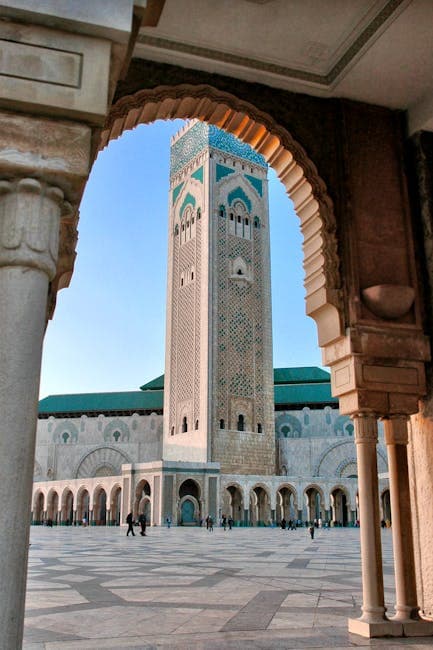
Ungelt Courtyard
Hidden medieval merchants’ yard behind Týn
This stop explores Ungelt (Týnský dvůr), the former fortified customs yard where foreign merchants unloaded and stored goods. The narration should describe its enclosed layout, surrounding houses and palaces, and the sense of a protected inner world just off the main square. Historically, it should cover the role of customs duties, royal protection, and long-distance trade connecting Prague with other European cities. An anecdote could recount stories of wary merchants locking their wares at night, or how some long, narrow houses reflect older plot boundaries and warehouse functions.
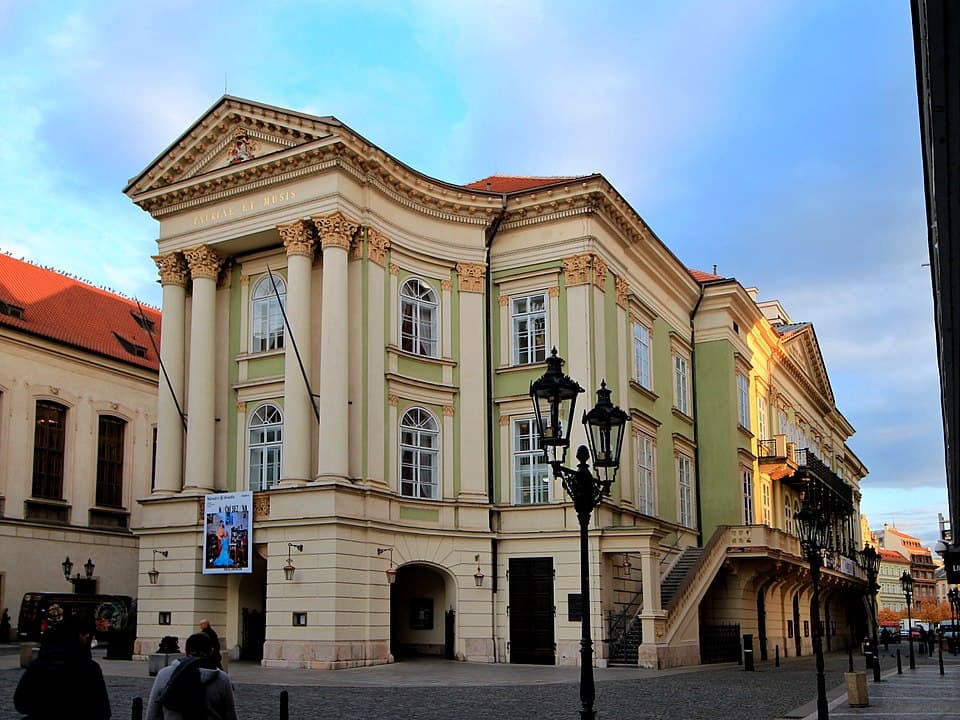
Estates Theatre
Neoclassical stage of Mozart and revolutions
At the Estates Theatre (Stavovské divadlo), the narration should emphasize its elegant Neoclassical exterior and its importance in Prague’s musical and political history. It should cover Mozart’s connections to the theatre, including premieres associated with his works, as well as later Czech-language performances that nurtured a national culture. Architecturally, it can mention the portico, statues, and how the building fit into the growing theater district. An anecdote might tell how Mozart reportedly loved Prague’s audiences, or recall a specific performance that became symbolically linked to political change.
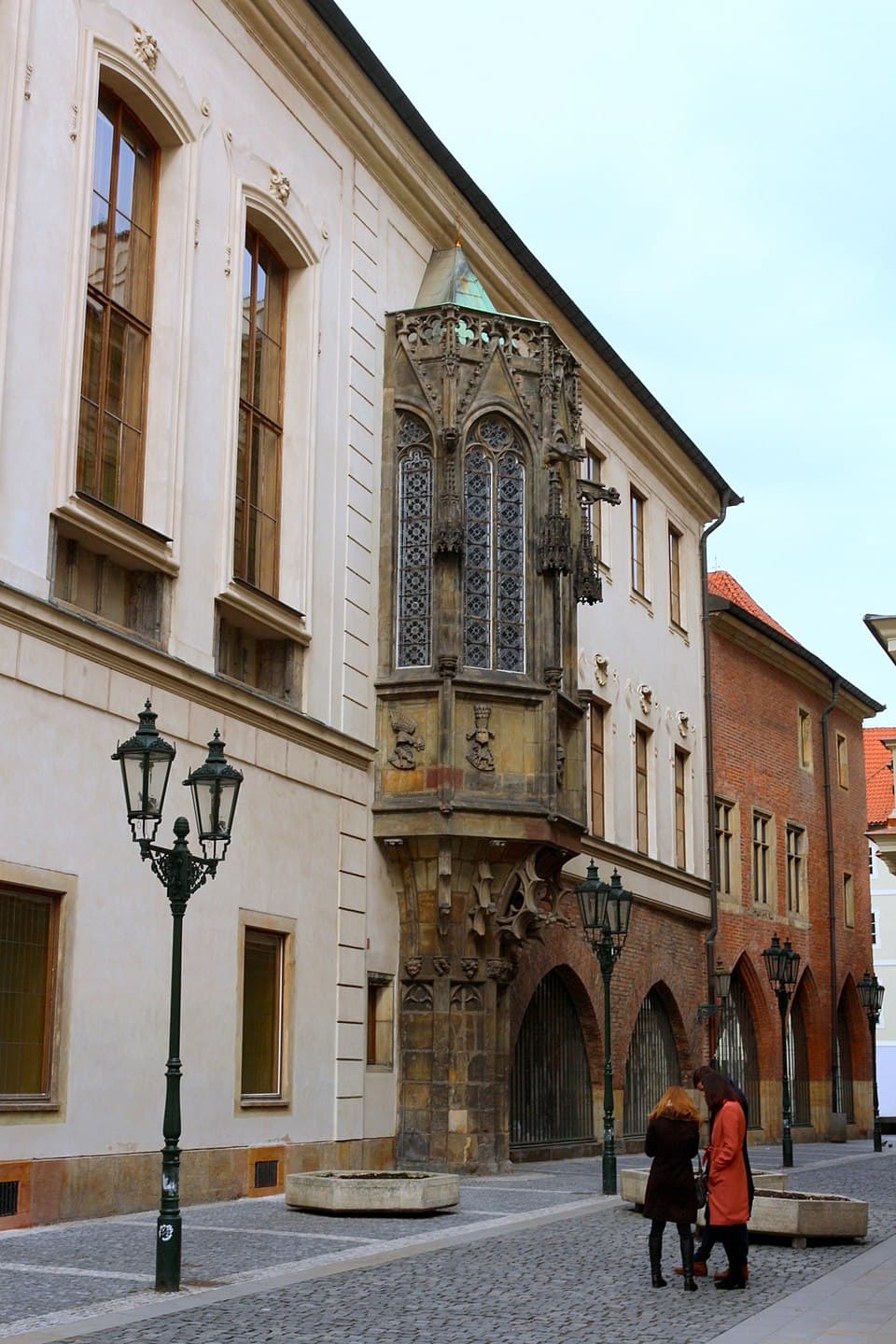
Karolinum
Medieval university courtyard of Charles University
This stop introduces the Karolinum as the historic seat of Charles University, one of Central Europe’s oldest universities. The narration should describe the mix of Gothic and later alterations around the courtyard, emphasizing its academic and ceremonial uses over the centuries. Historically, it can touch on its foundation by a medieval king, connections to figures like Jan Hus, and the role of the university in religious debates and national revival. An anecdote could mention old student customs or ceremonies held in the courtyard that marked academic milestones.
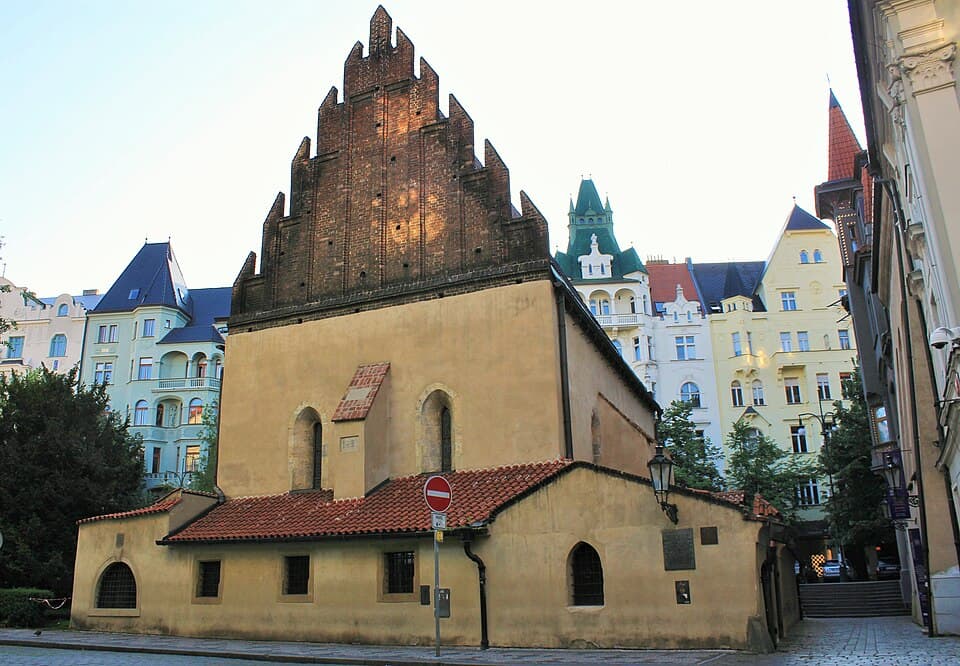
Old-New Synagogue
Medieval synagogue at heart of Jewish Quarter
At the Old-New Synagogue (Staronová synagoga), the narration should emphasize its status as one of Europe’s oldest functioning synagogues and a rare example of early Gothic Jewish architecture. The script should describe its steep gabled roof, buttresses, and interior hall with ribbed vaults and separate women’s sections. Historically, it should discuss the medieval Jewish community, restrictions and protections they experienced, and the synagogue’s role as a center of religious study and communal decisions. An anecdote may reference legends tied to the building—such as stories about hidden objects in its attic—while clearly indicating them as tradition rather than verified fact.
Old Jewish Cemetery
Crowded layers of Jewish burials and memory
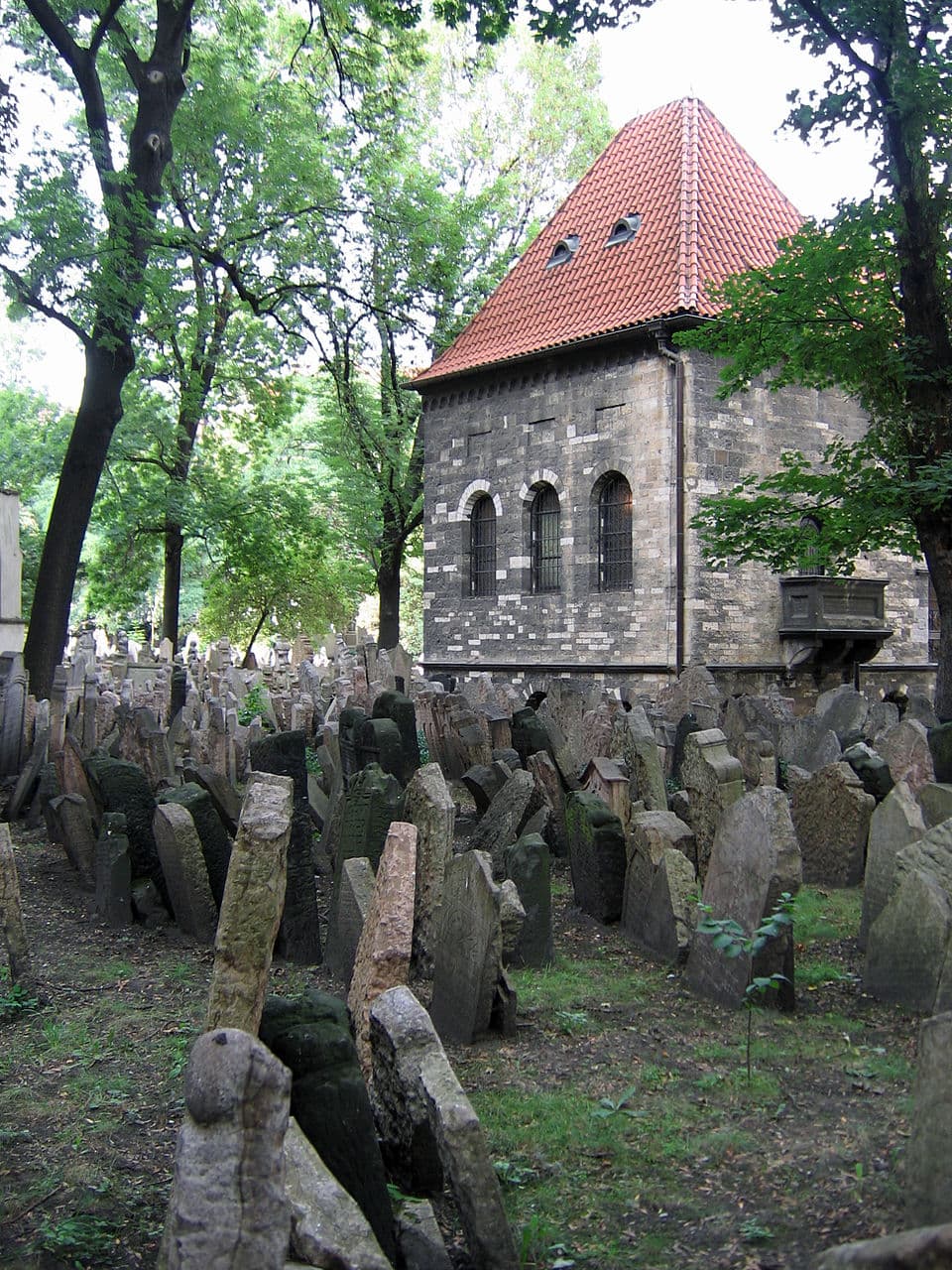
This stop focuses on the Old Jewish Cemetery as a dense, layered burial ground reflecting centuries of Jewish presence in Prague. The narration should describe the chaotic sea of tilted headstones, raised ground level from multiple burial layers, and the surrounding walls that once enclosed the ghetto. It should mention notable rabbis and community leaders buried here and explain symbols carved on the stones, such as hands, lions, or jugs. An anecdote might detail how visitors historically navigated narrow paths between graves to visit the tombs of revered scholars for prayer.
Klausen Synagogue Complex
Baroque synagogue and core of Jewish Museum
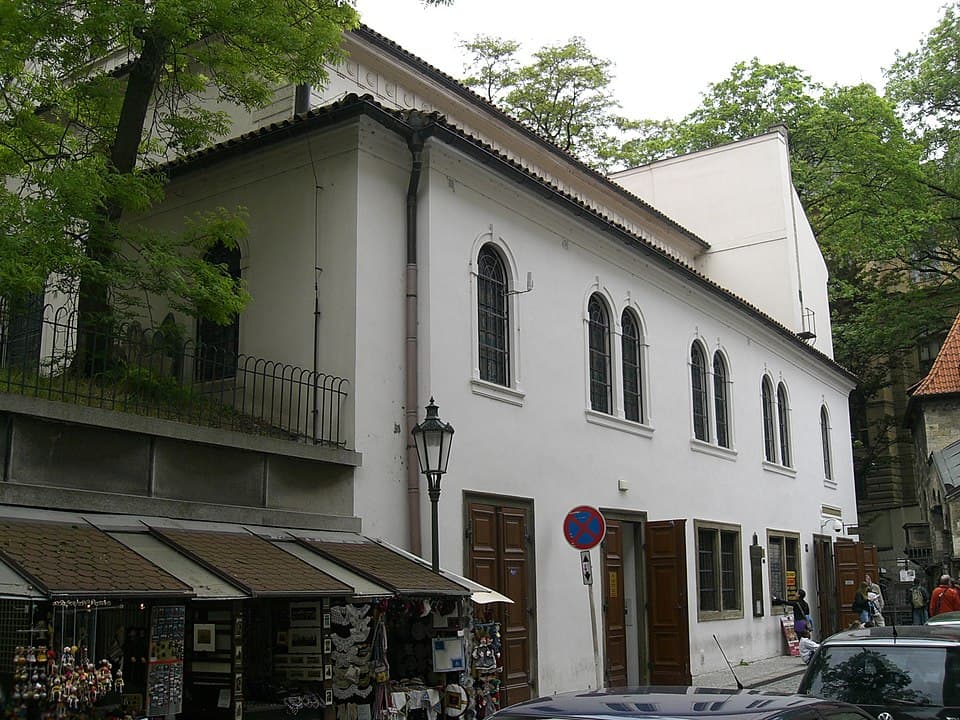
Here the Klausen Synagogue and nearby buildings illustrate how ritual spaces became part of the Jewish Museum in Prague. The narration should describe the Baroque architecture of the synagogue, its origins near communal facilities like ritual baths, and its current role housing exhibitions on Jewish festivals and daily life. Historically, it can introduce the Jewish Museum’s creation and later expansion, including how it preserved objects from demolished synagogues. An anecdote may highlight a particular ritual object or former ceremony once associated with this synagogue and its immediate surroundings.
Pinkas Synagogue
Synagogue turned Holocaust memorial inscription space
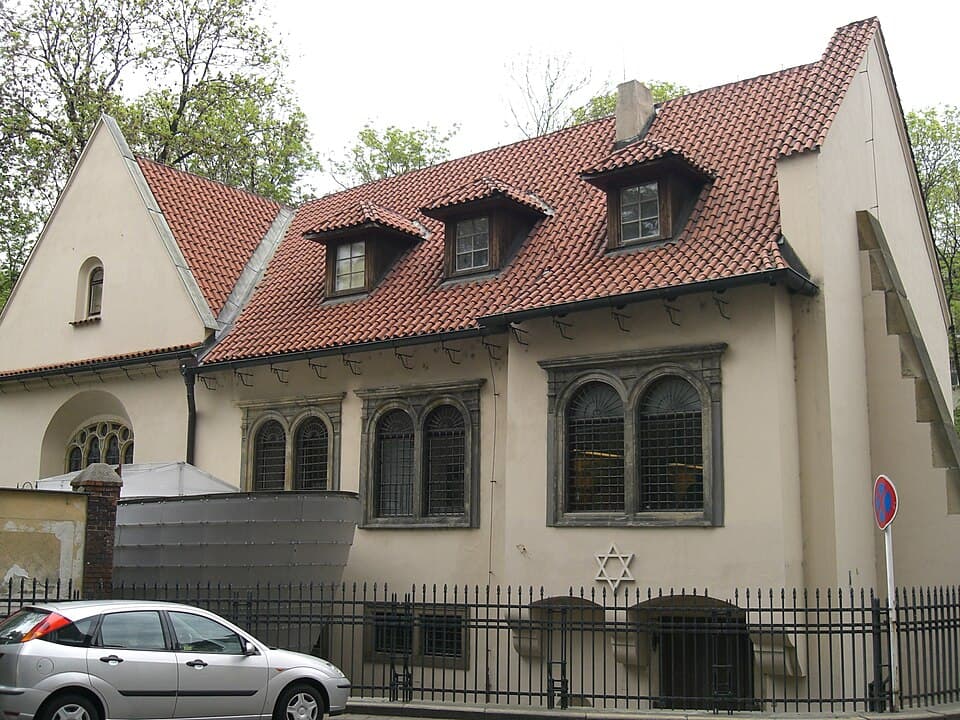
At Pinkas Synagogue, the focus is on its transformation from a family synagogue into a powerful Holocaust memorial. The narration should describe the simple exterior and more intimate interior, now covered with hand-painted names of Jewish victims from Bohemia and Moravia. It should explain the process of collecting these names and the postwar decision to create a memorial here. An anecdote might mention the children’s drawings from the Terezín ghetto exhibited in the complex, emphasizing personal stories behind the inscriptions without repeating details from other stops.
Maisel Synagogue
Early modern synagogue and treasure-filled museum
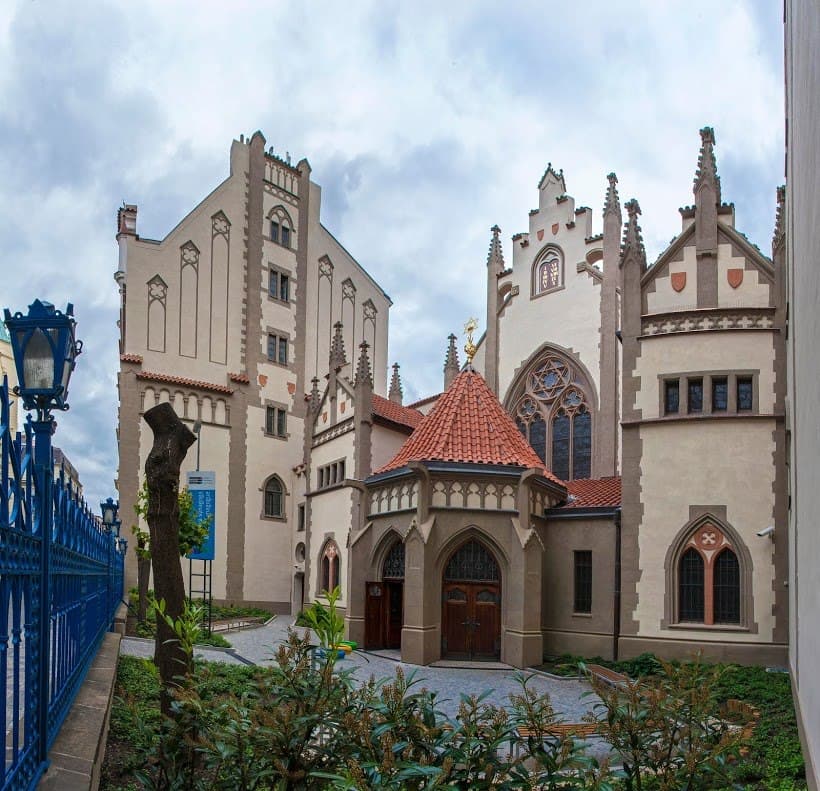
This stop explores the Maisel Synagogue, originally built for a wealthy leader of the ghetto and later rebuilt, now serving as a key Jewish Museum site. The narration should outline its architectural evolution and current Neo-Gothic appearance, while emphasizing its historical role in showcasing the status of Prague’s Jewish elite. Inside, it houses exhibitions on the history of Jews in the Czech lands and valuable ritual objects. An anecdote may recount how its benefactor’s fortunes rose and fell with changing royal favor, influencing the synagogue’s fate.
Pařížská Street and Spanish Synagogue
Boulevard over old ghetto streets and Moorish Revival
The final stop combines Pařížská Street, a grand boulevard created during the clearance of the old ghetto, with the Spanish Synagogue’s ornate Moorish Revival exterior. The narration should explain the late-19th and early-20th-century urban renewal that replaced dense medieval alleys with wider avenues and stylish apartment blocks. It should describe the synagogue’s richly decorated facade and its role as a later center of Reform-style worship and, today, exhibition space. An anecdote might contrast old photographs of the vanished streets with the current tree-lined boulevard, inviting reflection on memory, loss, and modernization.
Start This Tour
Download Roamway to experience this audio tour
Tour Details
Access
Free
Stops
12 points of interest
Languages
GermanEnglishSpanishFrench
More tours in Praga
View all tours in PragaOther tours you might enjoy:
Prague: Castle District, Lesser Town and Charles Bridge
This tour explores Prague’s historic Castle District and Lesser Town, from the courtyards of Prague Castle and St. Vitus Cathedral to the Old Royal Palace, St. George’s Basilica, and Golden Lane. It continues through Nerudova Street and Malá Strana to the Lennon Wall, Kampa Island, and Charles Bridge, focusing on political history, religious heritage, and architectural development.
Prague New Town: Wenceslas Square, Revolutions & Riverfront
This tour explores central Prague from Wenceslas Square to the Vltava riverfront, focusing on modern Czech history. It covers sites linked to Saint Wenceslas, the National Museum, Jan Palach, the Velvet Revolution, and the First Republic. Key themes include political protests, 19th–20th century architecture, urban development, and cultural life around Národní třída, the National Theatre, and the Dancing House.
Prague: Gothic and Baroque Churches from Castle to Old Town
This tour explores Prague’s major Gothic and Baroque churches from Prague Castle through Malá Strana to the Old Town. It includes exteriors and interiors of sites such as St. Vitus Cathedral, Loreta, Strahov Monastery, St. Nicholas, and the Church of Our Lady before Týn. The route examines religious history, architectural styles, and artistic decoration along Charles Bridge and surrounding quarters.
Frequently Asked Questions
How do I start this audio tour?
Download the Roamway app, search for this tour, and tap 'Start Tour'. The app will guide you to the starting point using GPS. Once you're there, the audio narration begins automatically.
Do I need an internet connection?
No! Once you've downloaded the tour in the Roamway app, it works completely offline. The GPS navigation and audio narration function without an internet connection.
Can I pause and resume the tour?
Yes! You can pause the tour at any time and resume later. Your progress is automatically saved, so you can complete the tour over multiple sessions if needed.