
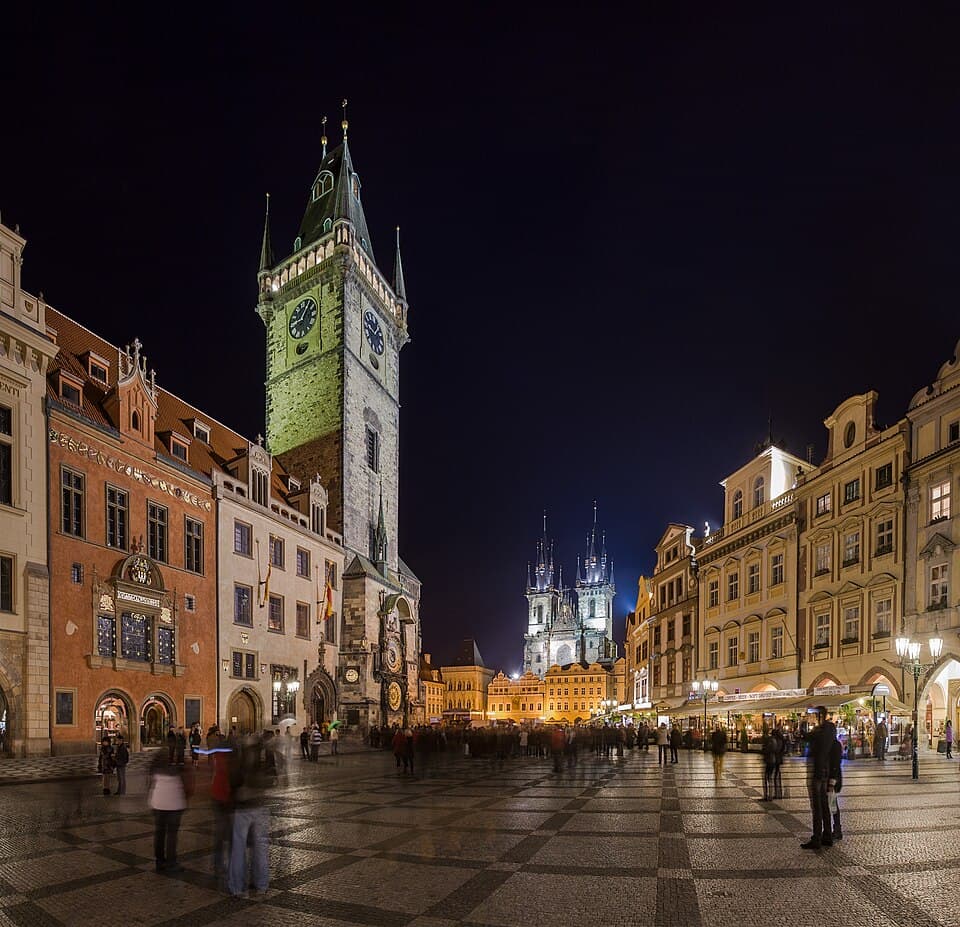
Prague: Castle District, Lesser Town and Charles Bridge
Praga, Česko
Audio Preview
Listen to a sample of this audio tour to get a feel for the experience.
What You'll Experience
On this Prague: Castle District, Lesser Town and Charles Bridge audio tour in Praga, you'll discover 13 carefully selected points of interest, each with its own story. The tour is designed to be completed at your own pace, with GPS navigation guiding you from one location to the next. As you approach each stop, the audio narration automatically begins, bringing history, culture, and local insights to life.
About This Tour
This tour explores Prague’s historic Castle District and Lesser Town, from the courtyards of Prague Castle and St. Vitus Cathedral to the Old Royal Palace, St. George’s Basilica, and Golden Lane. It continues through Nerudova Street and Malá Strana to the Lennon Wall, Kampa Island, and Charles Bridge, focusing on political history, religious heritage, and architectural development.
Points of Interest
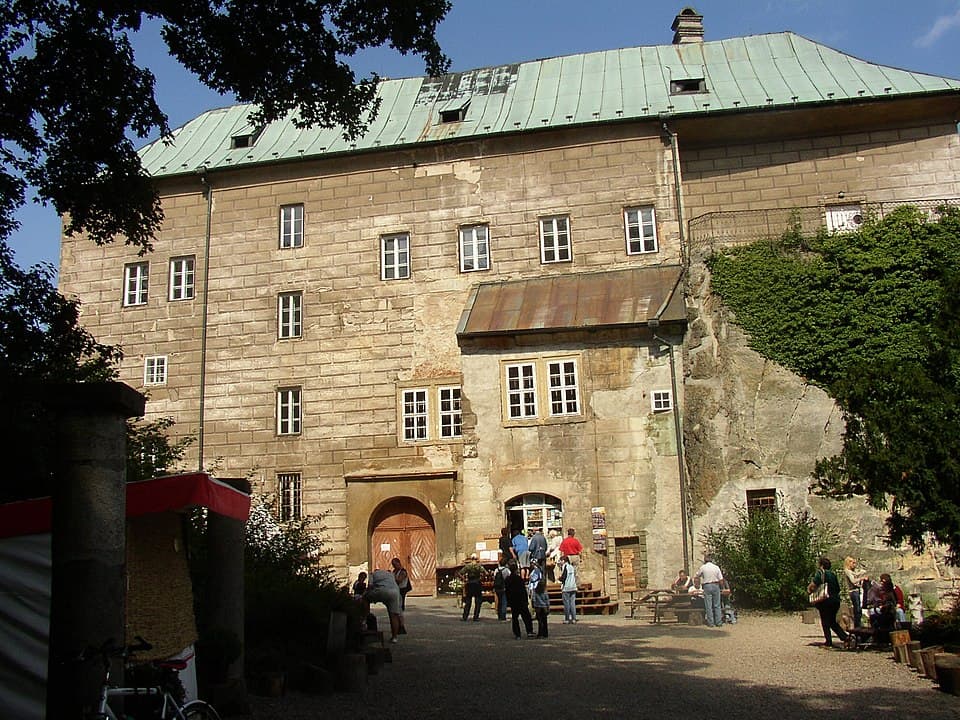
Prague Castle Entrance
Royal hilltop gateway to Czech political power
This stop introduces Prague Castle from the Hradčanské náměstí side, focusing on its role as a seat of Czech rulers and modern presidents. The script should outline the castle’s evolution from an early fortified settlement into one of the largest castle complexes in Europe, touching on major dynasties like the Přemyslids, Luxembourgs, and Habsburgs. Architecturally, it should point out the mix of medieval walls, Renaissance and Baroque palace façades, and 20th‑century adaptations. It should also cover the daily ceremonial changing of the guard as a modern echo of historic court ritual, and mention one distinct anecdote, such as the post‑World War I transformation of the complex when Czechoslovakia became an independent state.
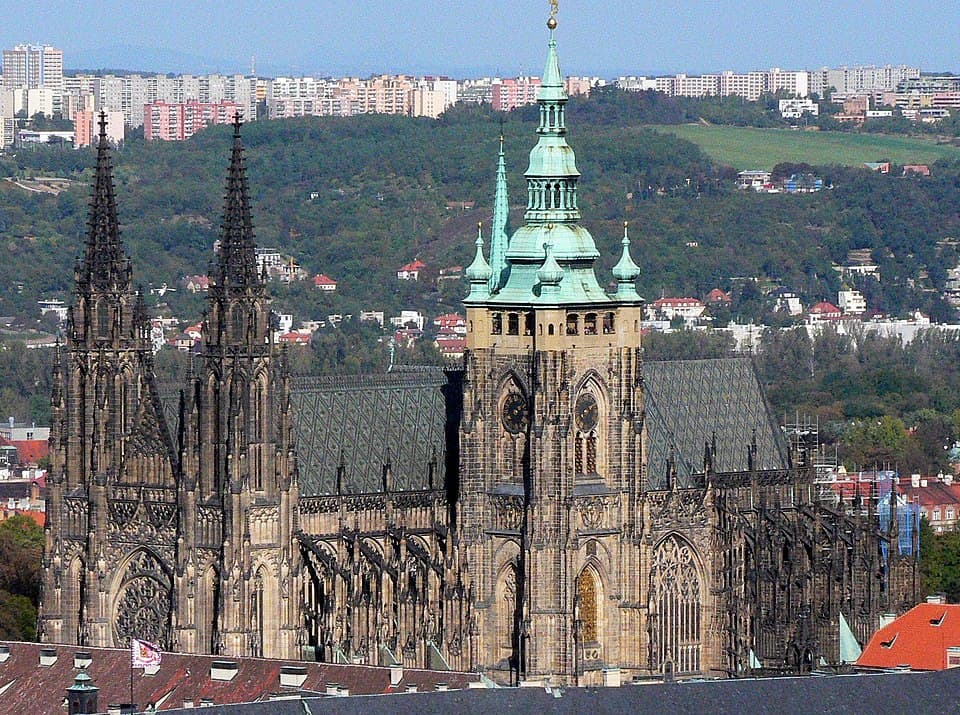
St. Vitus Cathedral
Gothic heart of Czech kings and saints
This stop focuses on St. Vitus Cathedral as the spiritual and ceremonial core of Prague Castle. The script should describe its towering Gothic architecture, stained glass, flying buttresses, and the way the later Neo‑Gothic façade completed an older structure. Historically, it should highlight the cathedral’s role in coronations, royal burials, and housing relics of important saints, as well as its association with figures like Charles IV. Culturally, it should explain how the cathedral symbolizes Czech identity, including references to the Chapel of St. Wenceslas and the Crown Chamber. A unique anecdote could cover the long, interrupted building process that spanned centuries, culminating in a 19th–20th century completion driven by a citizens’ initiative.
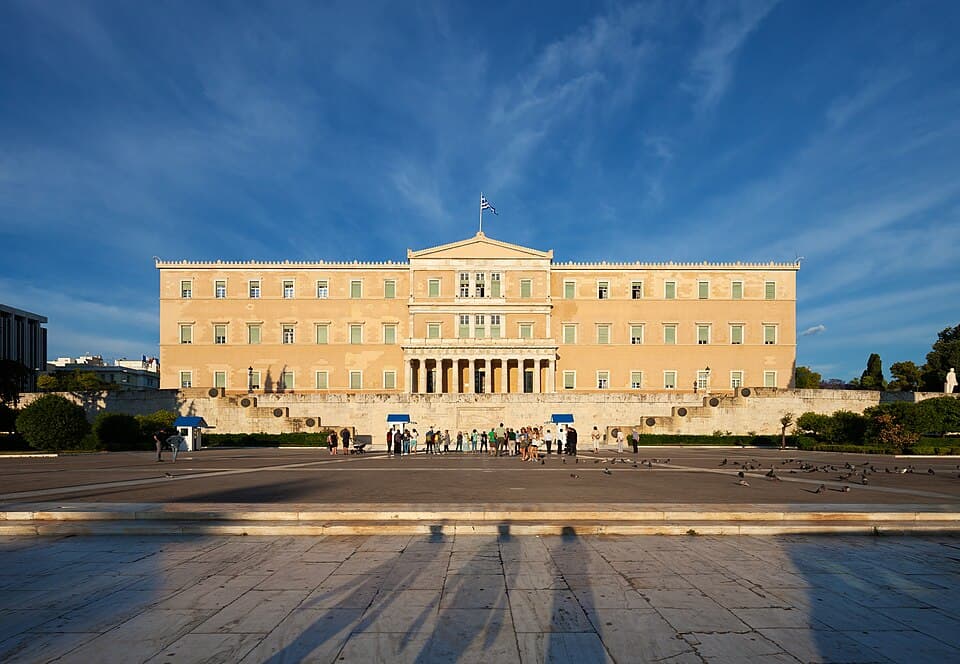
Old Royal Palace
Medieval seat and grand ceremonial hall
This stop covers the Old Royal Palace and Vladislav Hall as the political heart of medieval and early modern Bohemia. The script should describe the mix of Gothic and later architectural elements, emphasizing Vladislav Hall’s vast ribbed vaults, large windows, and its unusual use for royal festivities, markets, and even indoor horse tournaments. Historically, it should explain the palace’s role as residence of Bohemian kings and later Habsburg administrators, as well as the location of notable events. A key unique anecdote should be the famous Defenestration of Prague that took place here, explaining how officials were thrown from the windows and how that incident fed into larger religious and political conflicts.
St. George’s Basilica
Romanesque monastery church beside the cathedral
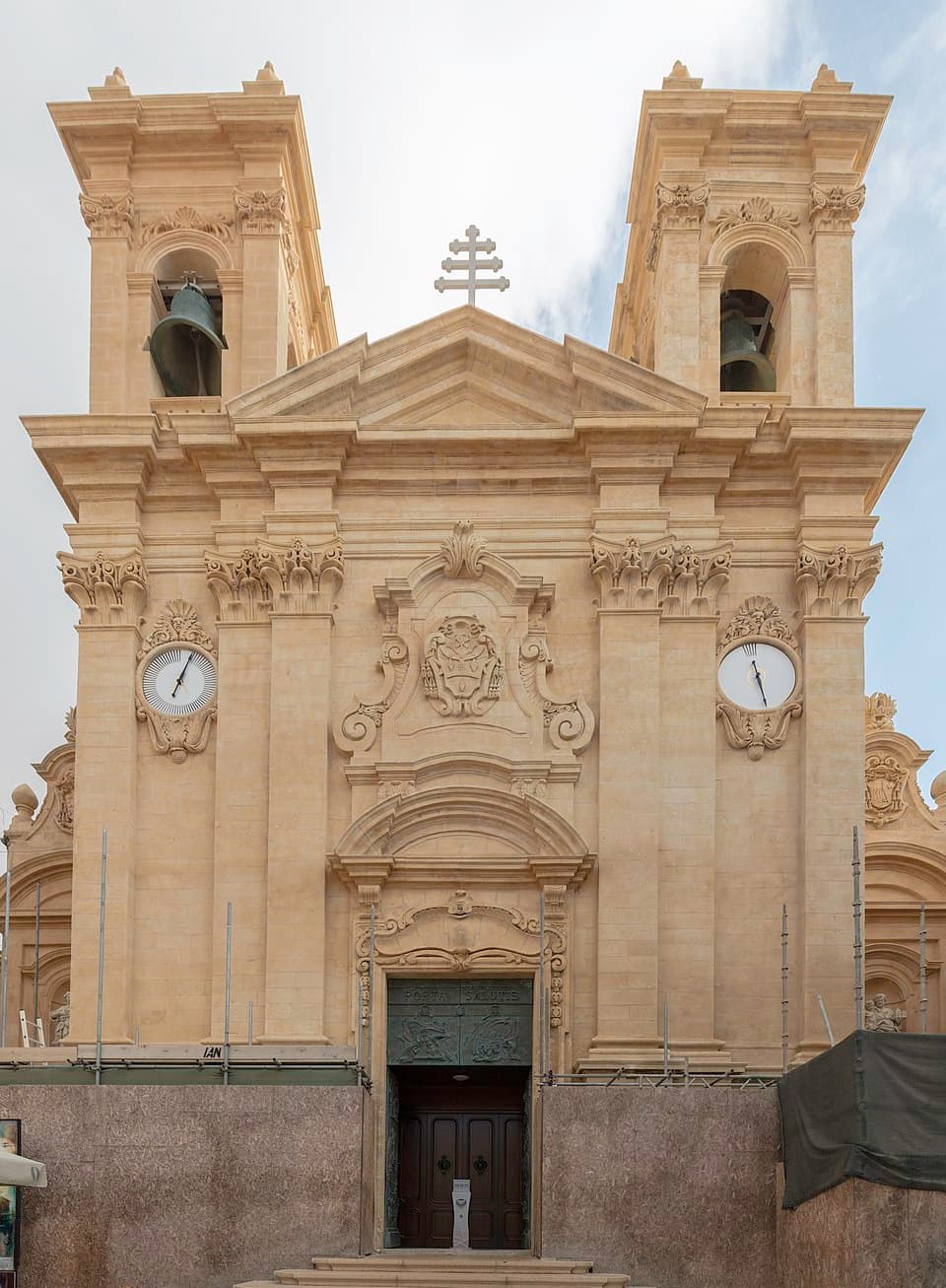
This stop presents St. George’s Basilica as a rare surviving example of Romanesque architecture within the castle complex. The script should contrast its plain, sturdy stone façades and simple interior with the soaring Gothic lines of St. Vitus nearby. Historically, it should mention the early Benedictine convent attached to the church and its significance in the Christianization of Bohemia. It can reference important burials of early rulers or saints associated with the basilica, without repeating those of St. Vitus. A unique anecdote might involve the convent’s role in preserving learning and manuscripts during turbulent centuries, emphasizing its quieter, contemplative character amid the political bustle around it.
Golden Lane
Tiny historic houses along the castle wall
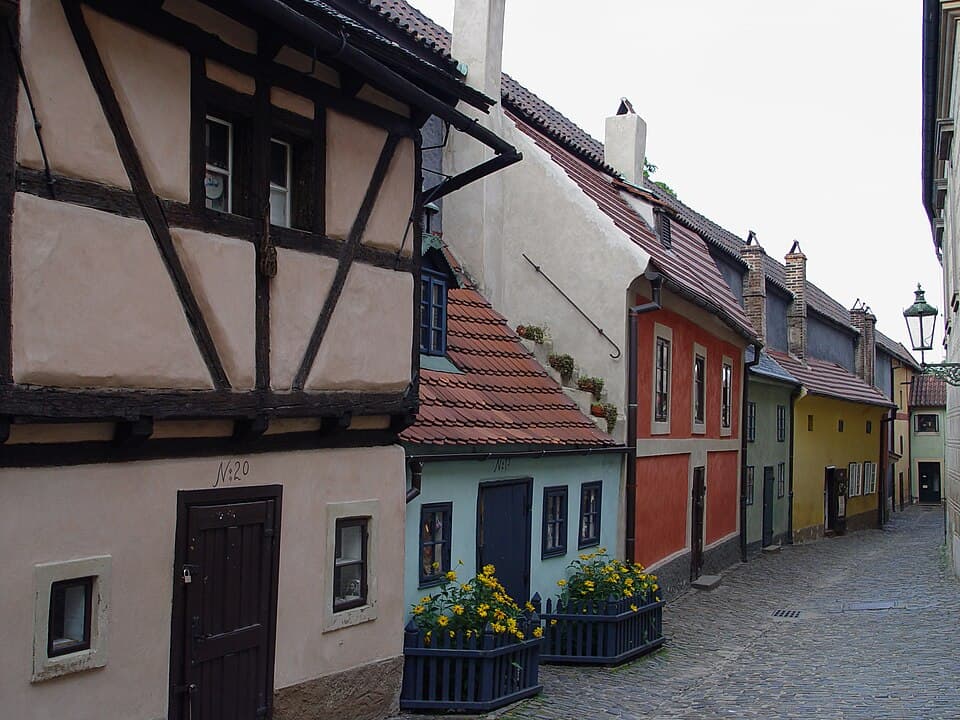
This stop explores Golden Lane as a narrow alley of small houses built into the castle fortifications. The script should describe the colorful façades, low doors, and how the dwellings reflect the lives of artisans, guards, and later, odd residents. Historically, it should explain how the lane evolved from simple defensive structures to modest homes and workshops. Without repeating stories from other stops, it can briefly note one unique anecdote, such as the later use of one house by a noted Czech writer or intellectual who appreciated the lane’s quiet isolation. The narration should also highlight how Golden Lane has been romanticized as a place of alchemists and mystery, while gently distinguishing legend from verifiable history.
Daliborka Tower
Defensive tower turned castle prison
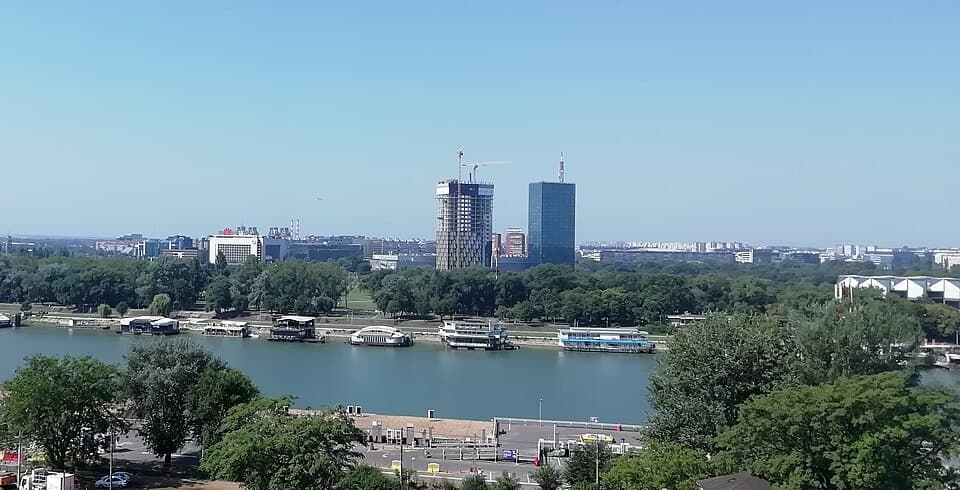
This stop looks at Daliborka Tower from the outside as part of Prague Castle’s defensive system and later as a prison. The script should describe its stout cylindrical shape, position at the edge of the fortifications, and how it guarded approaches to the castle. Historically, it should explain the tower’s conversion into a jail for noble and political prisoners, connecting it to broader themes of power and control. A unique anecdote should focus on the semi‑legendary figure of a captured noble named Dalibor, whose supposed violin playing in captivity became a symbol in later Czech culture, without echoing any anecdotes used on other stops. The narration should balance the darker aspects of punishment with reflections on changing ideas of justice.
Nerudova Street
Steep Baroque street of palaces and signs
This stop presents Nerudova Street as the main historic descent from the castle to Lesser Town. The script should evoke its steep cobbled slope, Baroque townhouses and palaces, and especially the ornate house signs above doorways that predate numbered addresses. Historically, it should explain how nobles, diplomats, and tradespeople lived here, and how the street was a procession route for coronations heading to the castle. A unique anecdote can involve the writer Jan Neruda, whose life and stories gave the street its modern name, focusing on his literary observations of everyday Prague rather than any prison or political tale. The narration should help listeners notice specific house signs and coats of arms as markers of past residents.
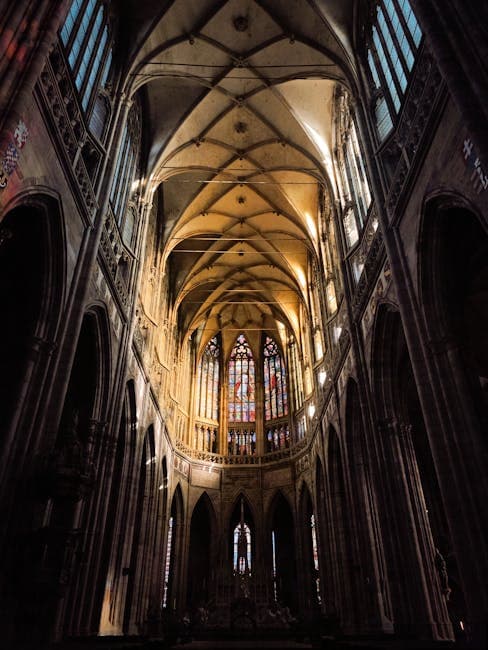
St. Nicholas Church
Monumental Baroque landmark of Lesser Town
This stop focuses on the Church of St. Nicholas in Malá Strana as one of Central Europe’s major Baroque churches. The script should describe its massive dome, ornate interior with frescoes and stucco, and the bell tower that dominates the square. Historically, it should connect the church to the Jesuit order and the Catholic Counter‑Reformation in Bohemia, showing how architecture was used to impress and inspire. It should avoid overlapping stories from other churches by focusing on Baroque music and worship here, including a unique anecdote such as the later use of the organ for performances by prominent composers or as a venue where a notable musician once played during a visit to Prague. The stop should also situate the church within Malostranské náměstí as a civic center.
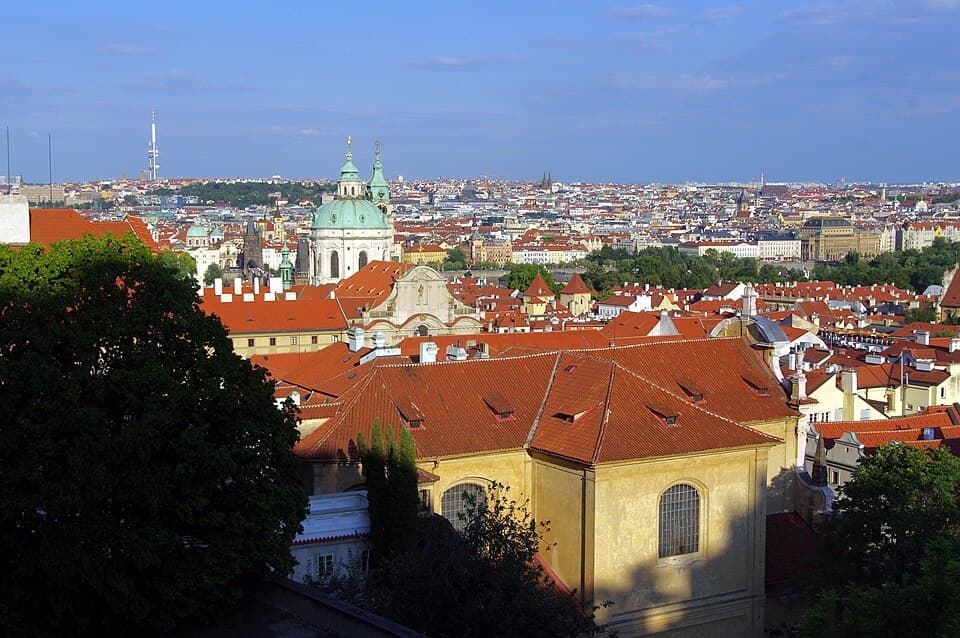
Malá Strana District
Lesser Town of palaces, gardens and alleys
This stop zooms out to Malá Strana (Lesser Town) as a whole, emphasizing its role as a sheltered district beneath Prague Castle. The script should describe its mixture of grand palaces, small squares, gardens, and twisting side streets, as well as its long‑standing identity as a home for nobles, clergy, and later diplomatic missions. Historically, it should mention important fires and reconstructions that gave the area its largely Baroque appearance, and its quieter character compared to the Old Town. A unique anecdote might involve a particular palace or garden known for hosting salons or social gatherings that shaped Czech intellectual or political life, without duplicating artistic or musical stories told elsewhere. The narration should help listeners feel the contrast between this district and the bustling city across the river.
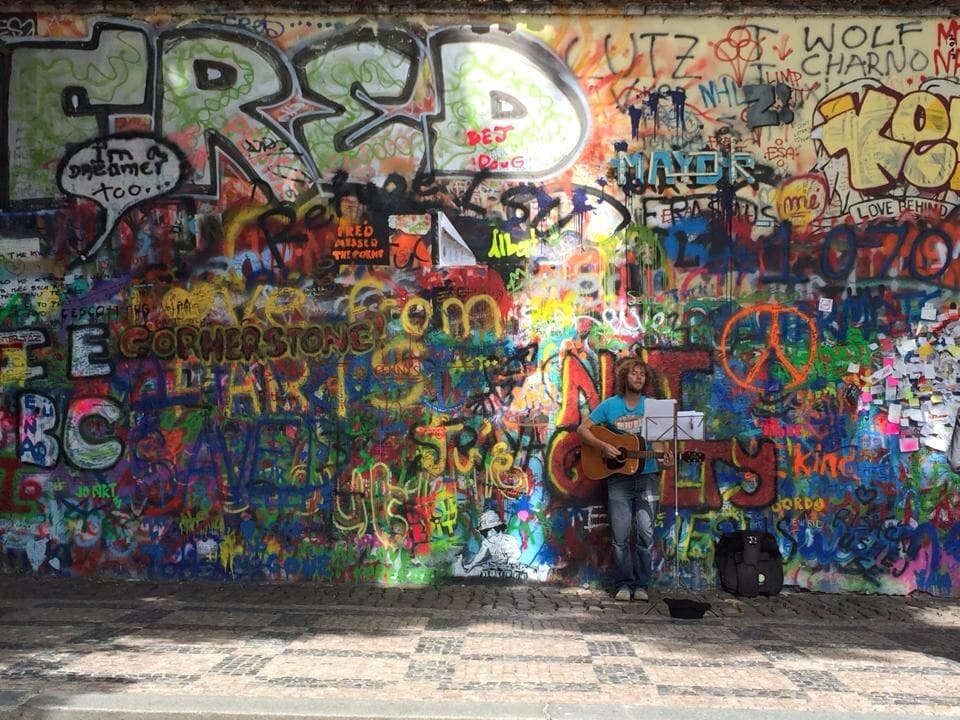
Lennon Wall
Graffiti wall turned symbol of quiet dissent
This stop explores the Lennon Wall as a spontaneous memorial and protest site during late Communist Czechoslovakia and after. The script should describe the constantly changing layers of graffiti, Beatles lyrics, peace symbols, and political slogans, explaining how it emerged near the French Embassy as a focus for youth expression. Historically, it should connect the wall to tensions between authorities and students in the 1980s and to the mood leading up to the Velvet Revolution, without duplicating castle or prison stories. A unique anecdote can recount how officials repeatedly painted over the wall, only for messages and images to reappear overnight, turning the space into a kind of visual dialogue between power and citizens. The narration should emphasize the wall’s ongoing, living character.
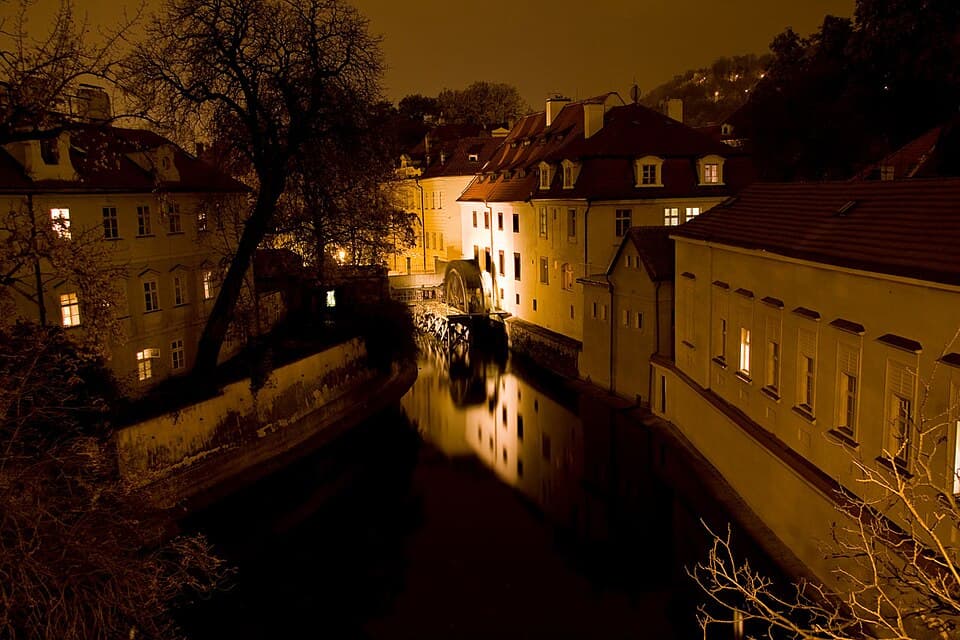
Kampa Island
Island of mills, riverside views and art
This stop presents Kampa Island as a green, slightly secluded space along the Vltava, separated from Malá Strana by a narrow channel. The script should describe the feeling of being at river level, the historic mill wheels, and the contrast between park lawns and old houses. Historically, it should mention the island’s role for mills and small industry, later becoming a residential and artistic enclave. A unique anecdote could focus on a modern public artwork or quirky sculpture installed here that became a local talking point, distinct from the political art of the Lennon Wall. The narration should also note the views back up toward the castle and ahead to Charles Bridge, setting up the final part of the tour.
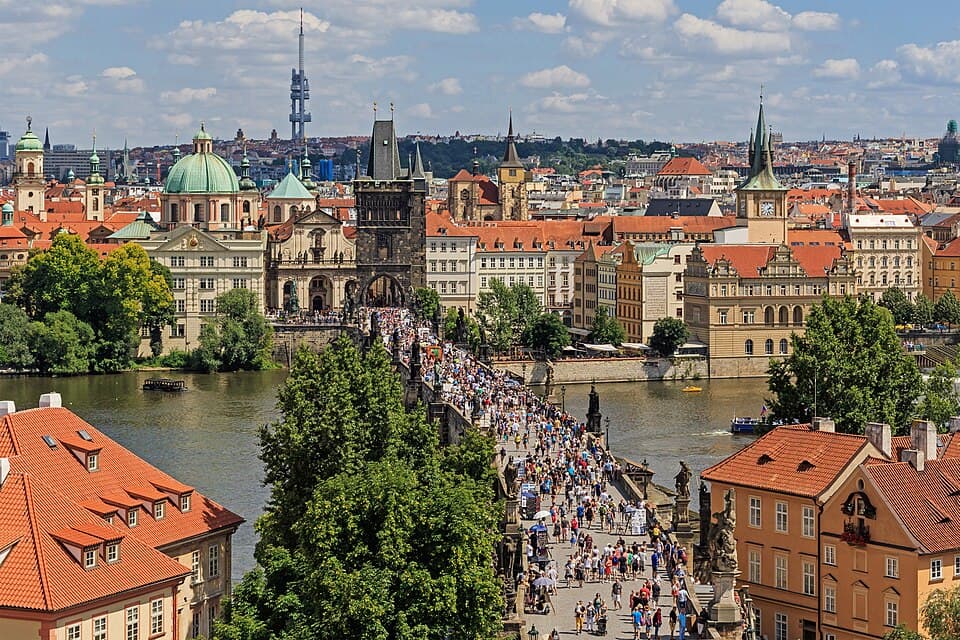
Charles Bridge West End
Lesser Town gate onto Prague’s iconic bridge
This stop looks at the Lesser Town end of Charles Bridge, introducing the structure as a key medieval crossing of the Vltava and a symbolic link between castle and Old Town. The script should describe the Gothic bridge tower, the first statues visible here, and the sense of entering a long, slightly arched span over the river. Historically, it should explain how the bridge replaced an earlier crossing and became vital for trade, pilgrimages, and royal processions. A unique anecdote might cover stories about the bridge’s construction materials or the ceremonial laying of its foundation stone under the patronage of a ruler, carefully avoiding precise but uncertain details. The narration should connect this entrance to the processional routes listeners have heard about earlier on the tour.
Charles Bridge Central Views
Statues, saints and sweeping Old Town panoramas
This final stop focuses on the central section of Charles Bridge, emphasizing its role as a public stage and vantage point. The script should encourage listeners to look at selected statues representing saints and historical episodes, as well as the sweeping views toward the Old Town, river islands, and back up to Prague Castle. Historically, it should touch on the bridge’s changing uses—from medieval processions and markets to modern tourism—and its survival through floods and wars. A unique anecdote can highlight a particular statue’s legend or a well‑known custom associated with touching a relief for good luck, without repeating stories from the Lennon Wall or Daliborka. As the tour’s close, the narration should tie together themes of power, faith, everyday life, and memory embodied in this view.
Start This Tour
Download Roamway to experience this audio tour
Tour Details
Access
Free
Stops
13 points of interest
Languages
GermanEnglishSpanishFrench
More tours in Praga
View all tours in PragaOther tours you might enjoy:
Prague Old Town & Jewish Quarter: History and Heritage
This tour explores Prague’s Old Town Square, the Astronomical Clock, and nearby medieval courtyards before continuing through Charles University and the historic theater district. It then focuses on the Jewish Quarter, including synagogues, the Old Jewish Cemetery, and museum sites, highlighting religious history, urban development, and architectural styles from Gothic to Art Nouveau.
Prague New Town: Wenceslas Square, Revolutions & Riverfront
This tour explores central Prague from Wenceslas Square to the Vltava riverfront, focusing on modern Czech history. It covers sites linked to Saint Wenceslas, the National Museum, Jan Palach, the Velvet Revolution, and the First Republic. Key themes include political protests, 19th–20th century architecture, urban development, and cultural life around Národní třída, the National Theatre, and the Dancing House.
Prague: Gothic and Baroque Churches from Castle to Old Town
This tour explores Prague’s major Gothic and Baroque churches from Prague Castle through Malá Strana to the Old Town. It includes exteriors and interiors of sites such as St. Vitus Cathedral, Loreta, Strahov Monastery, St. Nicholas, and the Church of Our Lady before Týn. The route examines religious history, architectural styles, and artistic decoration along Charles Bridge and surrounding quarters.
Frequently Asked Questions
How do I start this audio tour?
Download the Roamway app, search for this tour, and tap 'Start Tour'. The app will guide you to the starting point using GPS. Once you're there, the audio narration begins automatically.
Do I need an internet connection?
No! Once you've downloaded the tour in the Roamway app, it works completely offline. The GPS navigation and audio narration function without an internet connection.
Can I pause and resume the tour?
Yes! You can pause the tour at any time and resume later. Your progress is automatically saved, so you can complete the tour over multiple sessions if needed.