
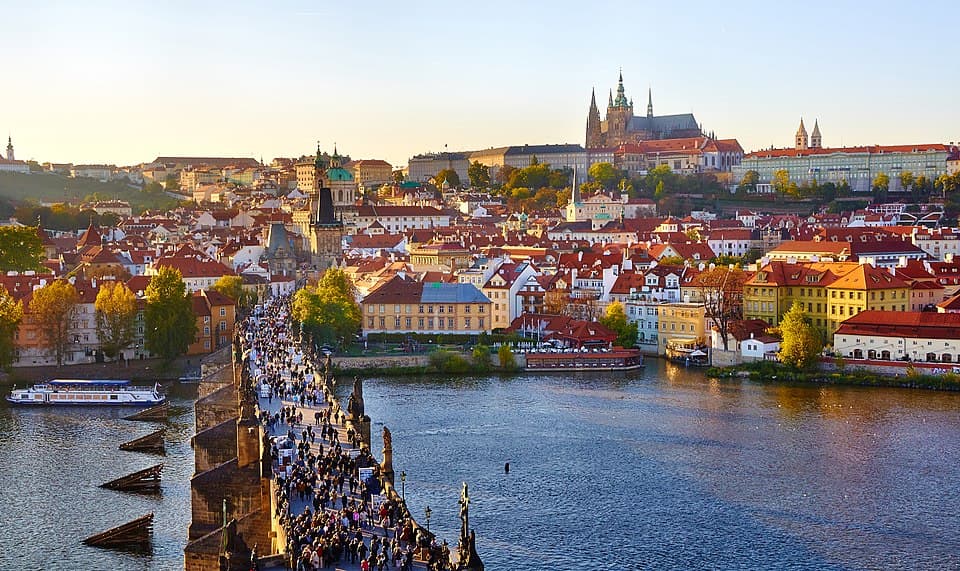
Prague: Gothic and Baroque Churches from Castle to Old Town
Praga, Česko
Audio Preview
Listen to a sample of this audio tour to get a feel for the experience.
What You'll Experience
On this Prague: Gothic and Baroque Churches from Castle to Old Town audio tour in Praga, you'll discover 12 carefully selected points of interest, each with its own story. The tour is designed to be completed at your own pace, with GPS navigation guiding you from one location to the next. As you approach each stop, the audio narration automatically begins, bringing history, culture, and local insights to life.
About This Tour
This tour explores Prague’s major Gothic and Baroque churches from Prague Castle through Malá Strana to the Old Town. It includes exteriors and interiors of sites such as St. Vitus Cathedral, Loreta, Strahov Monastery, St. Nicholas, and the Church of Our Lady before Týn. The route examines religious history, architectural styles, and artistic decoration along Charles Bridge and surrounding quarters.
Points of Interest
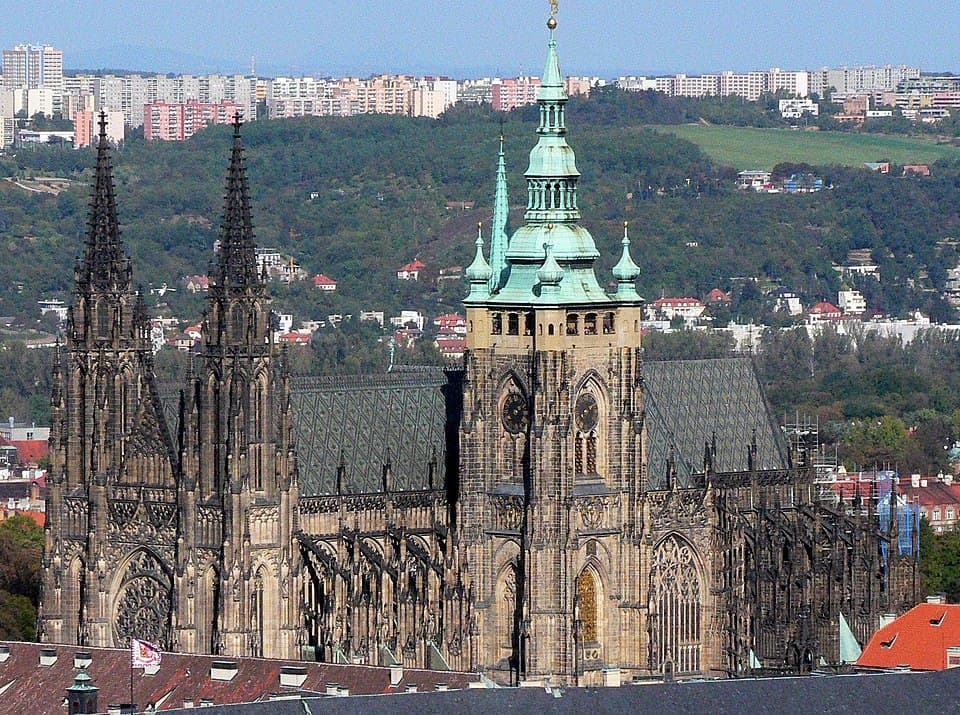
St. Vitus Cathedral
Royal Gothic heart of Prague Castle complex
This stop introduces St. Vitus Cathedral as the spiritual and symbolic center of the Czech lands and the anchor of the whole tour. The script should lead listeners around the exterior, explaining Gothic features such as flying buttresses, pinnacles, portals, and the mixture of medieval and later neo‑Gothic work, then move inside to key highlights like the nave, stained‑glass windows, and major chapels. It should mention royal patronage, especially Charles IV, and the cathedral’s role as coronation church and burial place for Bohemian rulers and saints. One distinctive anecdote can focus on the creation of a famous Art Nouveau stained‑glass window by a modern Czech artist, showing how later generations continued to shape the interior. Another anecdote may highlight a particular royal tomb or shrine that drew medieval pilgrims.
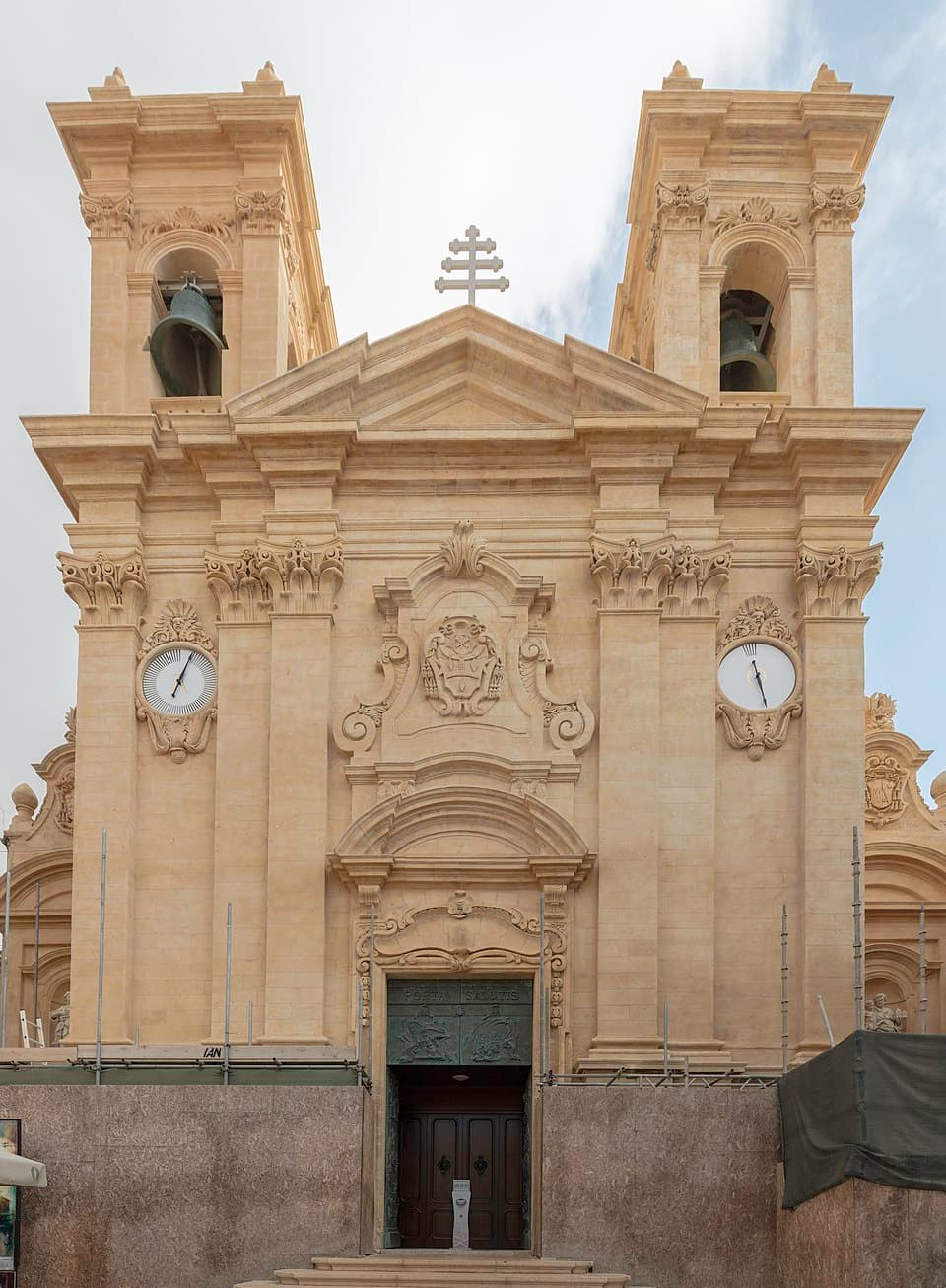
St. George’s Basilica
Romanesque sobriety beside Gothic splendor
This stop contrasts St. George’s Basilica with the soaring Gothic of St. Vitus, emphasizing its Romanesque massing, thick walls, and simple rounded arches. The narration should outline its origins as an early medieval Benedictine foundation and one of the oldest surviving church structures within the Castle. Attention should be given to the plain brick and stone exterior, the twin towers, and the austere interior that reflects pre‑Gothic sensibilities. One unique anecdote can describe how the basilica once served as a burial place for early Přemyslid rulers, linking the quiet space to dynastic memory. Another may mention its later adaptation as a venue for concerts and exhibitions, illustrating how historic sacred buildings are reused in modern cultural life.
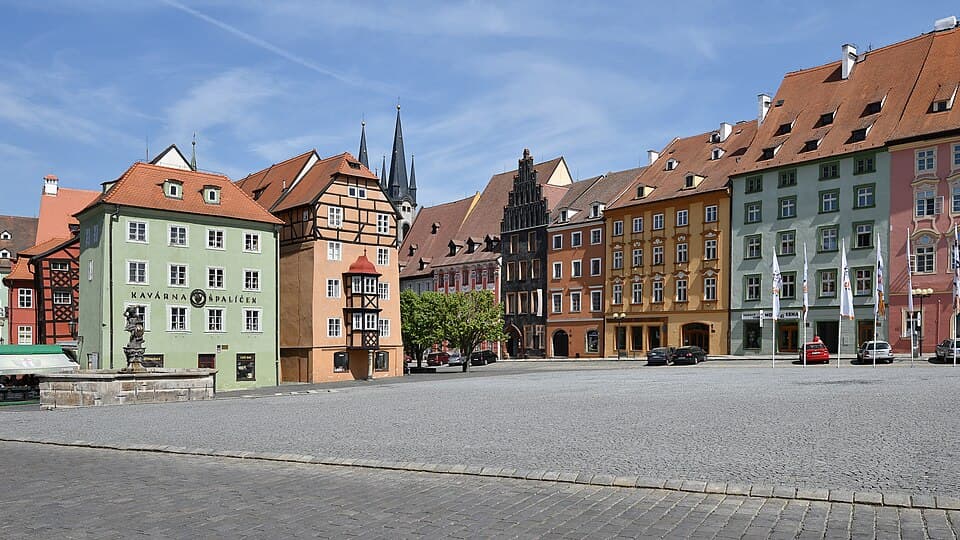
Loreta Pilgrimage Complex
Baroque Marian shrine with cherished Holy Hut
This stop presents the Loreta complex as a Baroque pilgrimage site dedicated to the Virgin Mary, centered around a replica of the Holy House of Loreto. The script should describe entering the courtyard, the arcaded cloisters, and the richly decorated church facade facing the square. It should explain how the Loreto devotion, supported by noble patrons, embodied Catholic renewal after the Protestant and Hussite periods. A unique anecdote can highlight the famous carillon that periodically chimes from the tower and how its melodies once marked time for the neighborhood. Another anecdote may focus on a particular ex‑voto or precious reliquary associated with answered prayers or protection during a crisis, underscoring the personal nature of pilgrimage piety here.
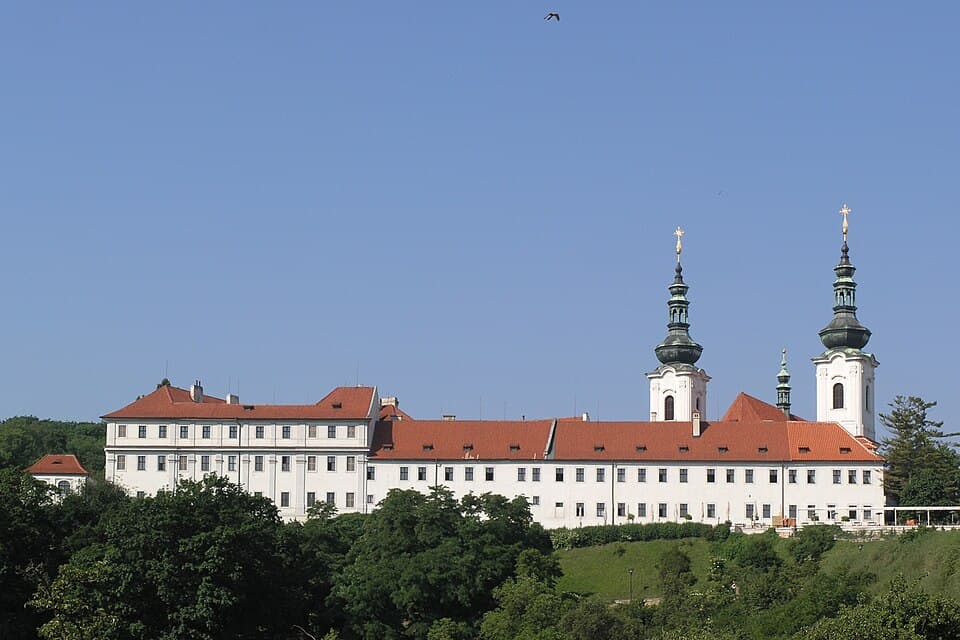
Strahov Monastery Basilica
Monastic Baroque above Prague’s rooftops
This stop focuses on the Basilica of the Assumption at Strahov Monastery as a key example of a medieval foundation transformed in the Baroque age. The narration should explain the monastery’s origins under the Premonstratensian order and how the church’s appearance reflects later rebuilding after fires and wars. Listeners should be guided to notice the church’s exterior silhouette on the hill, then the interior nave with its stucco decoration, altars, and choir area, connecting form to monastic liturgy. A unique anecdote can recount how the community survived periods of suppression or secularization, then returned, leaving traces in the fabric of the building. Another might describe a notable painting or altar connected to a local miracle or to a donor who helped finance post‑war reconstruction.
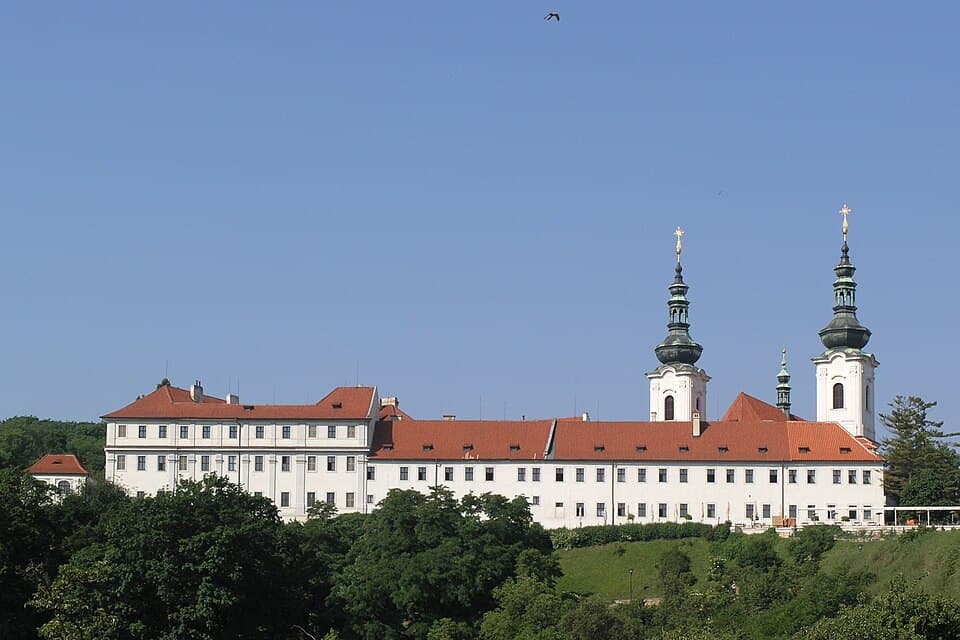
Strahov Monastery Library
Ornate halls of monastic learning
This stop highlights the Strahov Library as a rare Baroque ensemble where religious scholarship and visual splendor meet. The script should describe the viewing hall perspective into the Theological and Philosophical Halls, focusing on curved ceilings, painted allegories of knowledge, and cabinets of curiosities along the walls. It should explain how monastic libraries preserved manuscripts, early printed books, and scientific works, supporting both liturgical study and broader learning. One unique anecdote could mention an unusual object on display—such as a decorative globe, a curious specimen, or a manuscript with a colorful ownership history—to make the space feel tangible. Another anecdote may recount how parts of the collection were threatened by political upheavals or confiscations, with some volumes later returned or rediscovered.
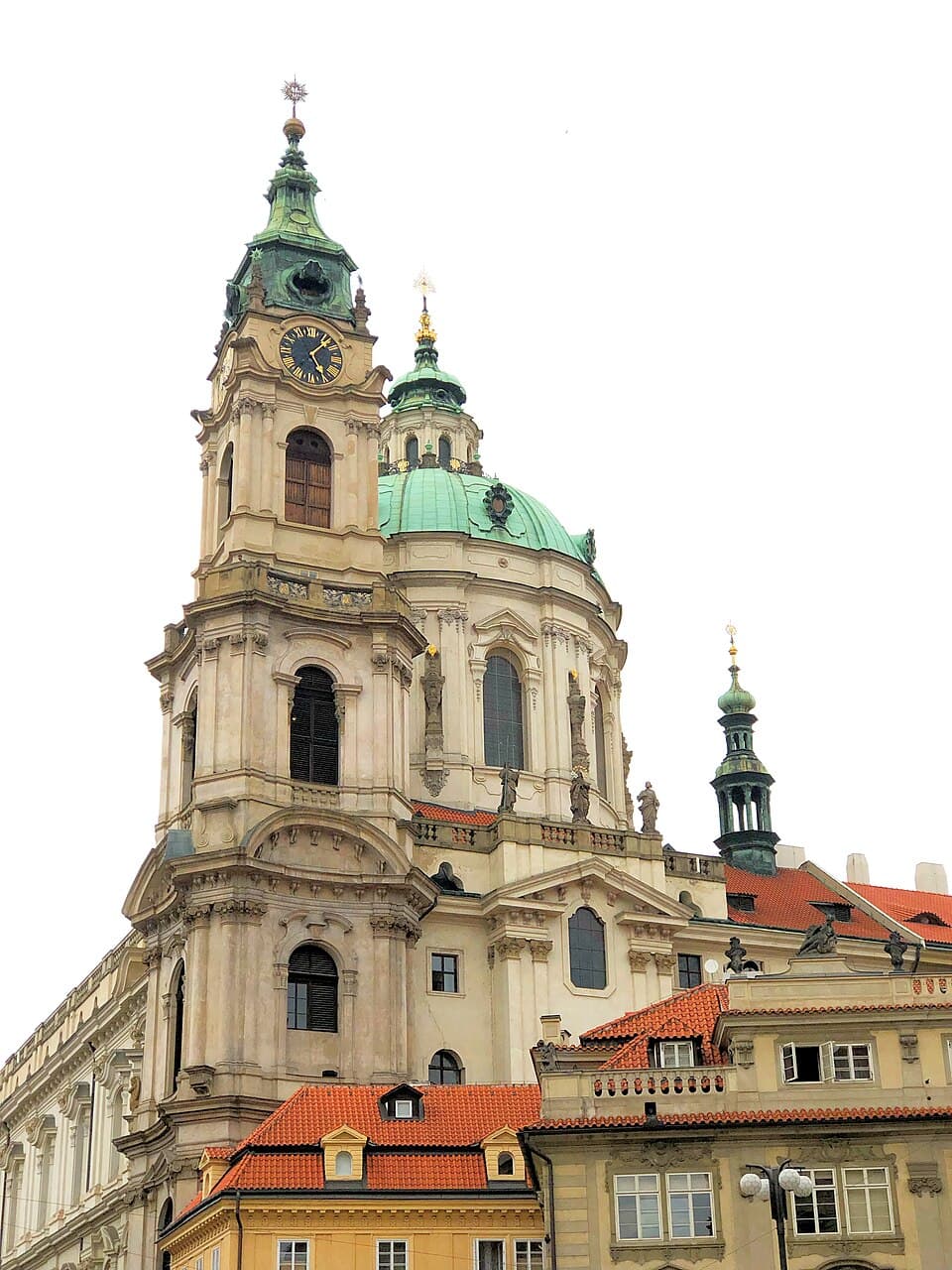
St. Nicholas Church, Malá Strana
High Baroque dome over Lesser Town square
This stop presents St. Nicholas Church in Malá Strana as one of Central Europe’s most impressive Baroque interiors. The narration should cover its Jesuit origins, the later parish role, and the contribution of the Dientzenhofer family of architects, pointing out the dramatic dome, dynamic facade, and richly stuccoed and frescoed nave. Inside, it should draw attention to the interplay of light, color, and sculptural decoration designed to move the faithful. A unique anecdote could focus on a particular organ or musical tradition here, perhaps involving a notable composer or a famous performance connected to the church. Another may describe how the tall bell tower served as a lookout point in more recent times, illustrating the building’s changing civic roles beyond liturgy.
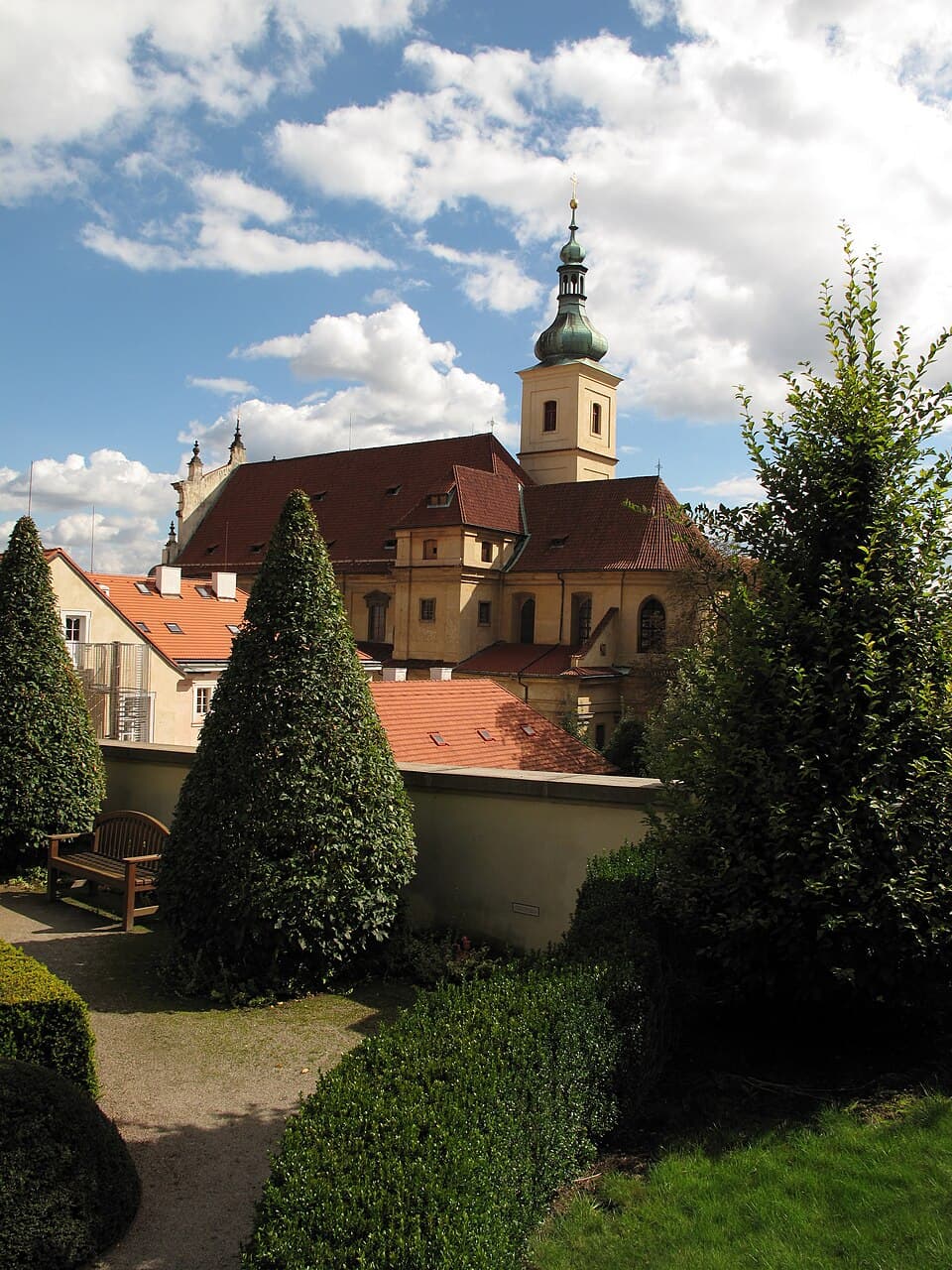
Church of Our Lady Victorious
Home of the Infant Jesus of Prague
This stop centers on the Church of Our Lady Victorious as a more intimate Baroque space renowned for the statue of the Infant Jesus of Prague. The script should briefly outline the church’s origins and later Carmelite association, then focus on the side chapel where the small dressed figure is venerated. It should explain how the devotion to the Infant Jesus spread globally, with pilgrims bringing tiny garments and prayers. A unique anecdote can recount a specific episode when the statue was believed to have protected the city or answered a communal plea, highlighting the emotional bond between citizens and image. Another anecdote may describe the rotation of elaborate outfits for the figure and how some were gifted from distant countries, showing the worldwide network of devotion.
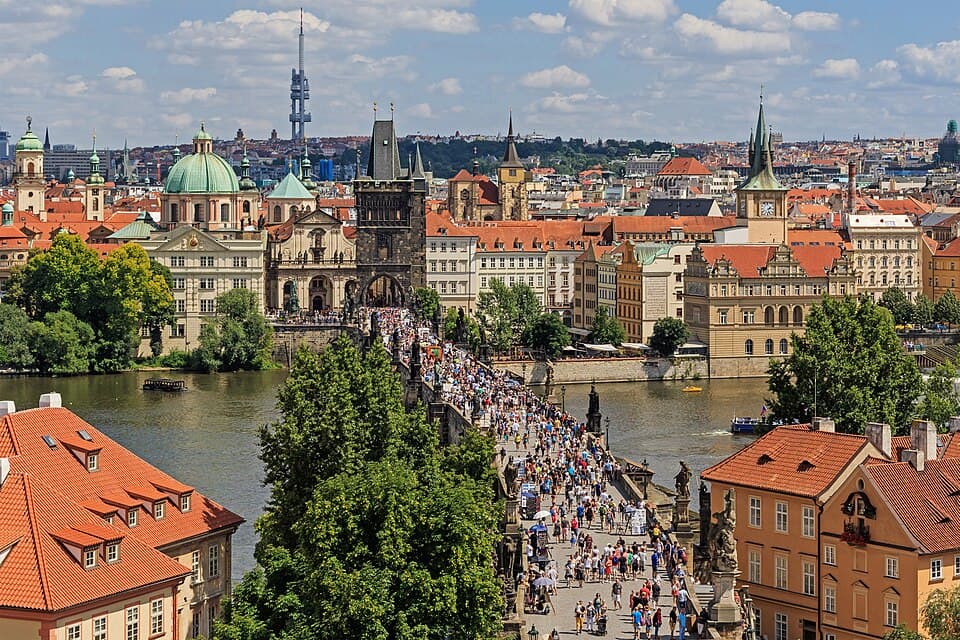
Charles Bridge Statues
Open-air gallery of saints over Vltava
This stop treats Charles Bridge as a linear outdoor sanctuary, with its rows of Baroque statues turning the crossing into a kind of processional way. The narration should explain the medieval origins of the bridge and the later addition of saintly sculptures during the Baroque period as a public expression of Catholic identity. It should invite listeners to notice a selection of key figures—such as a martyr, a missionary, or a local patron saint—while emphasizing that the ensemble works together as a didactic gallery. A unique anecdote can highlight one statue’s story, perhaps involving a dramatic river rescue, a replaced original now in a museum, or a sculptor’s personal signature detail. Another anecdote may touch on a traditional custom or superstition linked to touching a particular relief for luck, without repeating any tale used elsewhere.
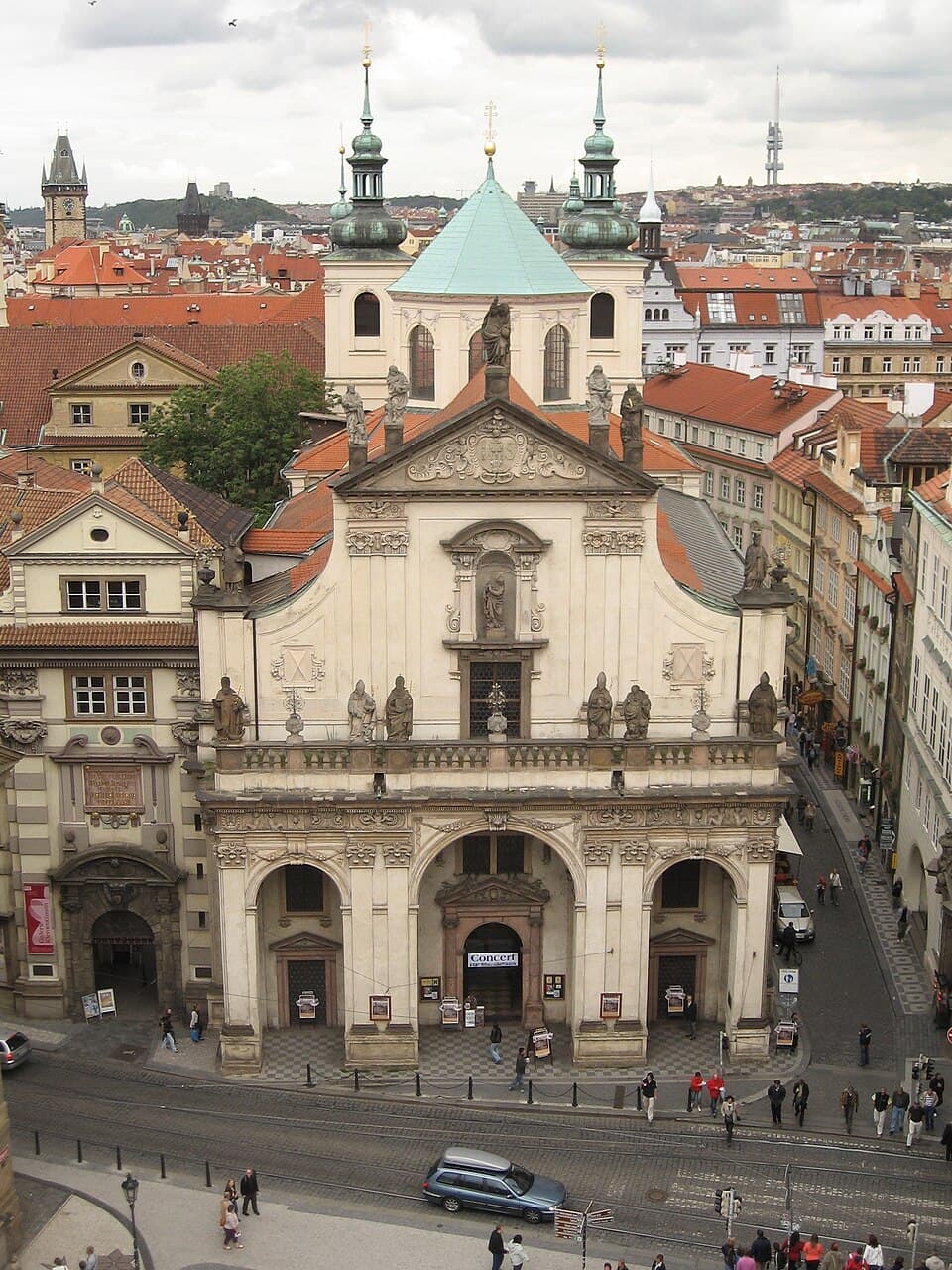
Church of St. Salvator
Jesuit facade at Old Town bridgehead
This stop introduces the Church of St. Salvator as the prominent church of the former Jesuit Klementinum complex, placed strategically at the Old Town end of Charles Bridge. The script should describe the church’s facade as a statement of Counter‑Reformation confidence and its interior as a space where preaching, music, and Jesuit ceremony met university life. It should touch on classical and Baroque elements, altars, and how the church related to the surrounding college buildings. A unique anecdote can recount a notable sermon, disputation, or public religious event held here that drew students and townspeople. Another may mention a specific artwork or altar donated by a benefactor grateful for academic success or spiritual help, showing the link between education and devotion.
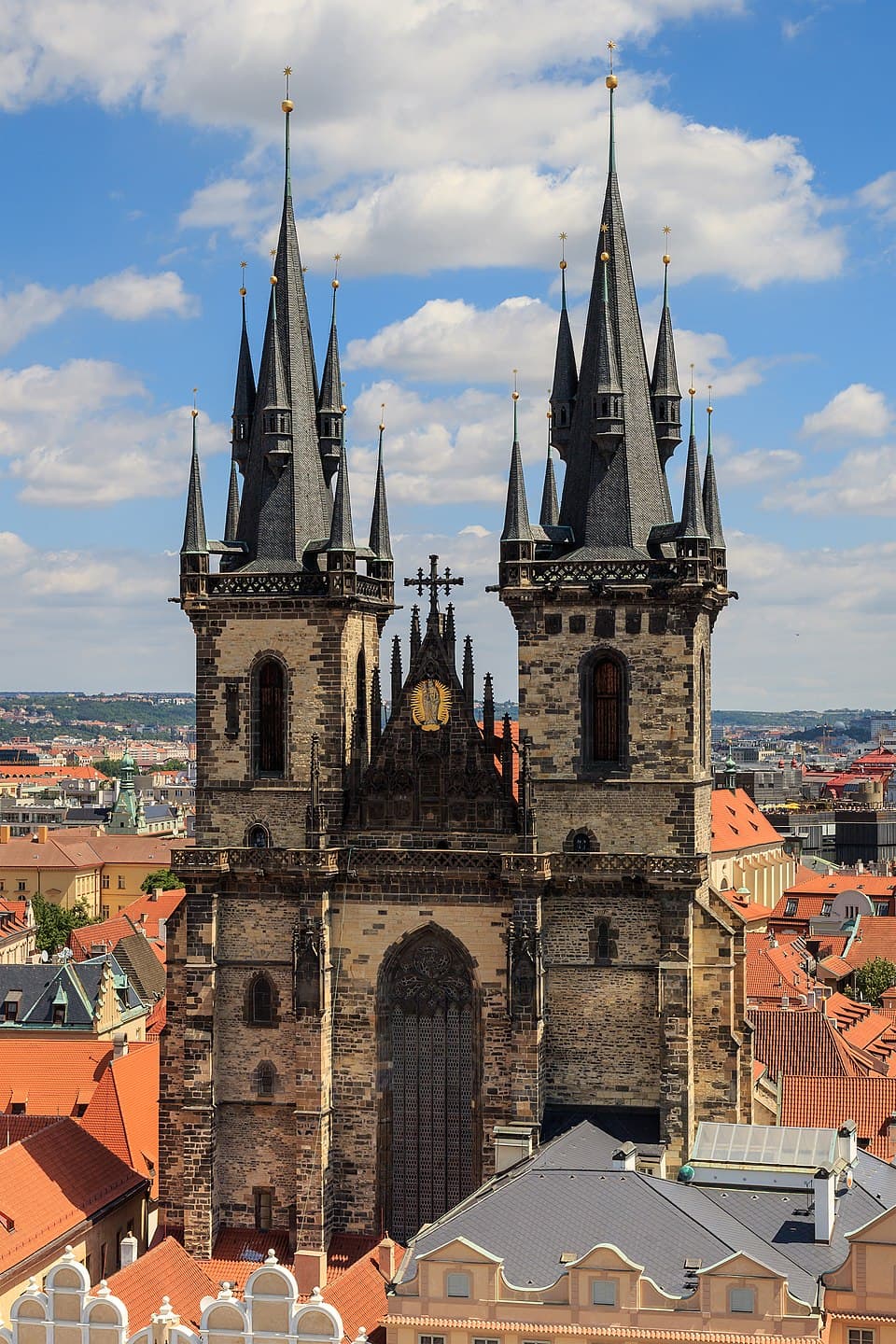
Church of Our Lady before Týn
Gothic towers above Old Town Square
This stop focuses on the Church of Our Lady before Týn as a key Gothic landmark whose twin towers dominate Old Town Square, while its interior bears marks of later Baroque influence. The narration should describe how the church served as a principal parish and how it was entangled in the religious tensions of the Hussite and post‑Hussite eras. Inside, attention should be given to surviving Gothic elements, later altars, and notable tombs, tying them to Prague’s intellectual and mercantile elites. A unique anecdote might center on the burial of a significant astronomer, scholar, or merchant here, illustrating the link between faith and learning. Another anecdote may recall how the facade and towers became a visual emblem in prints and paintings, shaping how visitors imagined Prague long before mass tourism.
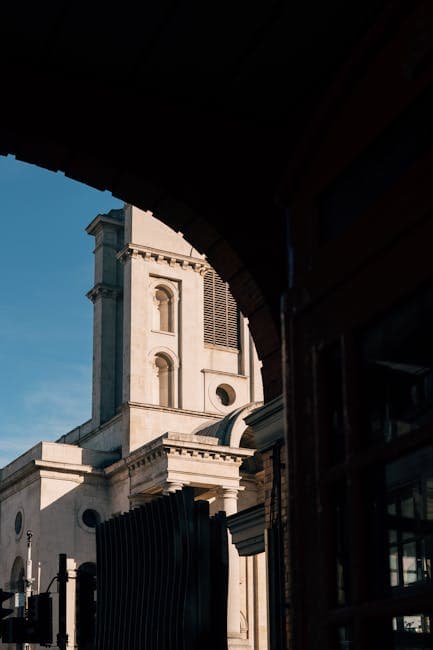
St. James the Greater Church
Lavish Baroque interior in Old Town
This stop presents St. James the Greater as an Old Town church whose relatively plain exterior hides an opulent Baroque interior. The script should guide listeners through the long nave, highlighting thick stucco decoration, side chapels, and a richly carved main altar that reflects the generosity of guilds and wealthy burghers. It should outline the church’s earlier medieval roots and later rebuilding, connecting its decor to the prosperity and piety of the surrounding commercial quarter. A unique anecdote can feature a striking interior detail, such as a sculpted element with a macabre or moralizing theme that surprised visitors. Another may tell of a specific guild procession or annual feast linked to this church, revealing how craftsmen and traders integrated worship into their community identity.
Church of St. Giles
Dominican church in quiet Old Town corner
This final stop explores the Church of St. Giles as a Dominican foundation slightly off the main tourist routes, offering a calmer conclusion to the tour. The narration should describe the church’s Gothic origins and later Baroque alterations, noting how mendicant orders like the Dominicans emphasized preaching and urban ministry. Inside, it should point out key altars, choir arrangements, and any remaining cloister or convent connections, tying them to the intellectual and pastoral role of the order. A unique anecdote might involve a famous preacher or theologian associated with the church, demonstrating how sermons here influenced local opinion. Another could mention that parts of the complex were used for different civic or artistic purposes in later centuries, showing the layered life of monastic buildings in the city.
Start This Tour
Download Roamway to experience this audio tour
Tour Details
Access
Free
Stops
12 points of interest
Languages
English
More tours in Praga
View all tours in PragaOther tours you might enjoy:
Prague: Castle District, Lesser Town and Charles Bridge
This tour explores Prague’s historic Castle District and Lesser Town, from the courtyards of Prague Castle and St. Vitus Cathedral to the Old Royal Palace, St. George’s Basilica, and Golden Lane. It continues through Nerudova Street and Malá Strana to the Lennon Wall, Kampa Island, and Charles Bridge, focusing on political history, religious heritage, and architectural development.
Prague Old Town & Jewish Quarter: History and Heritage
This tour explores Prague’s Old Town Square, the Astronomical Clock, and nearby medieval courtyards before continuing through Charles University and the historic theater district. It then focuses on the Jewish Quarter, including synagogues, the Old Jewish Cemetery, and museum sites, highlighting religious history, urban development, and architectural styles from Gothic to Art Nouveau.
Prague New Town: Wenceslas Square, Revolutions & Riverfront
This tour explores central Prague from Wenceslas Square to the Vltava riverfront, focusing on modern Czech history. It covers sites linked to Saint Wenceslas, the National Museum, Jan Palach, the Velvet Revolution, and the First Republic. Key themes include political protests, 19th–20th century architecture, urban development, and cultural life around Národní třída, the National Theatre, and the Dancing House.
Frequently Asked Questions
How do I start this audio tour?
Download the Roamway app, search for this tour, and tap 'Start Tour'. The app will guide you to the starting point using GPS. Once you're there, the audio narration begins automatically.
Do I need an internet connection?
No! Once you've downloaded the tour in the Roamway app, it works completely offline. The GPS navigation and audio narration function without an internet connection.
Can I pause and resume the tour?
Yes! You can pause the tour at any time and resume later. Your progress is automatically saved, so you can complete the tour over multiple sessions if needed.