
Audiotours in Firenze — Explore at your own pace
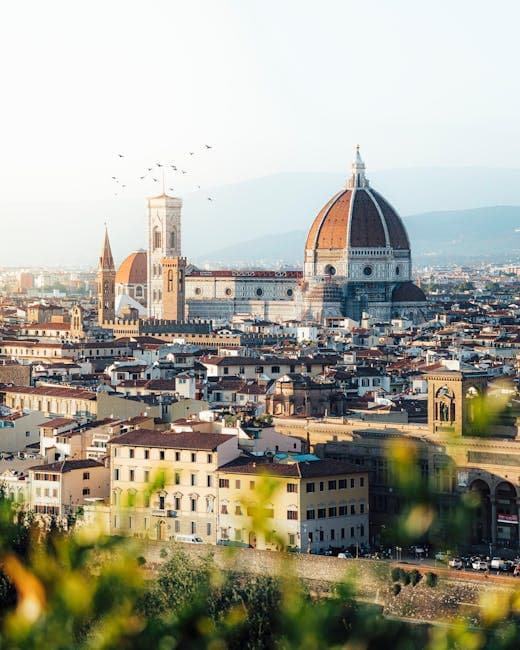
Florence, Italy is a city where Renaissance masterpieces, river views, and lively neighborhood streets come together in a compact, walkable center. Our audio-guided tours lead you from the Duomo to the Arno, through Medici palaces, medieval alleys, markets, and artisan workshops. Explore at your own pace with self-guided audio that fits your schedule and lets you pause, wander, and linger wherever Florence captivates you most.
Free Tours
7 tours available
Florence: Medici Power, Palaces and Churches
This tour explores central Florence through key Medici sites, from San Lorenzo and its basilica, chapels, and palace to San Marco, Piazza Santissima Annunziata, and the political center around Palazzo Vecchio and Piazza della Signoria. It examines Medici patronage, art, architecture, religion, and government, including the Uffizi courtyard, Vasari Corridor exterior, and Pitti Palace.
Florence: Markets, Street Food and Wine Culture
This tour explores Florence’s food culture through historic markets, street food areas, and traditional wine bars on both sides of the Arno. It includes Mercato Centrale, Sant’Ambrogio, Via dei Neri, and the Santa Croce and Oltrarno districts. Themes include everyday Florentine life, local products, wine traditions, and artisan gelato.
Florence: Duomo Complex and Renaissance Churches Highlights
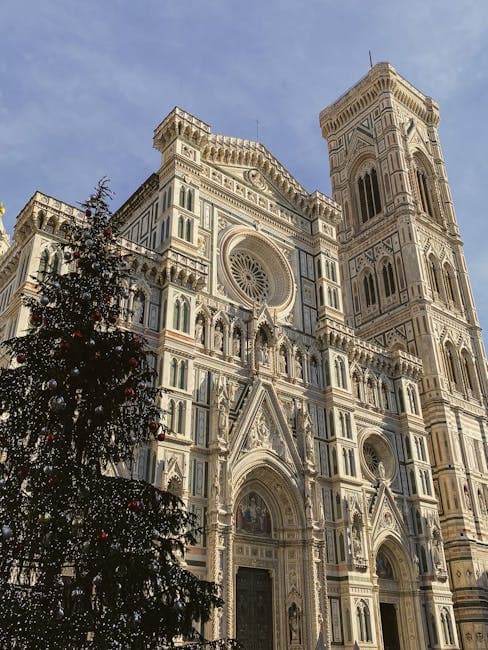
This tour focuses on Florence’s historic center, from the Piazza del Duomo and its cathedral complex to Orsanmichele, Badia Fiorentina, Santa Croce, and Santa Maria Novella. It examines medieval and Renaissance architecture, religious art, funerary monuments, and civic history, including key façades, sculptural programs, and interior highlights where accessible.
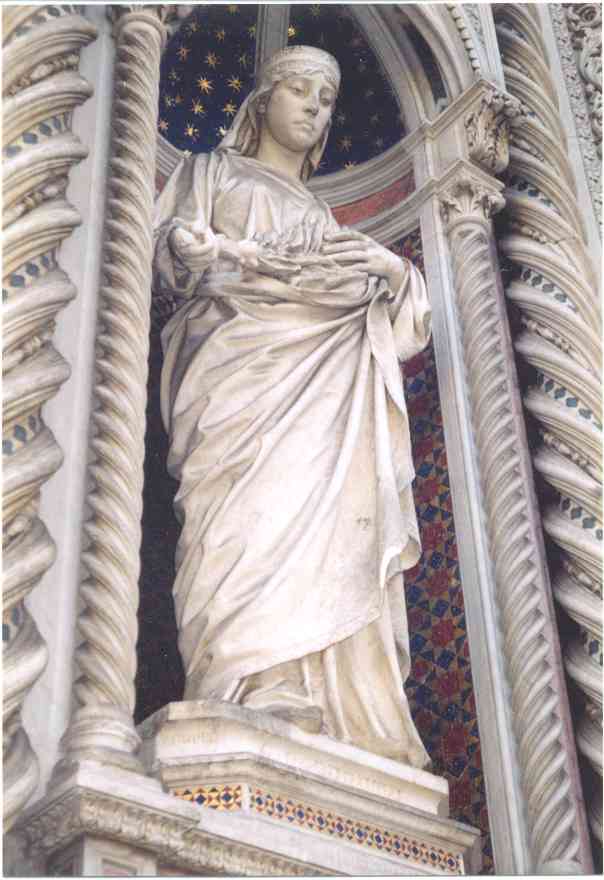
Florence: Duomo to Oltrarno Art and History
This tour traces central Florence from Piazza del Duomo through Piazza della Signoria and the Uffizi area to the Arno River, Ponte Vecchio, and the Oltrarno. It examines major churches, palaces, outdoor sculpture, and museum masterpieces while highlighting Renaissance art, religious traditions, Medici power, and daily life in artisan neighborhoods.
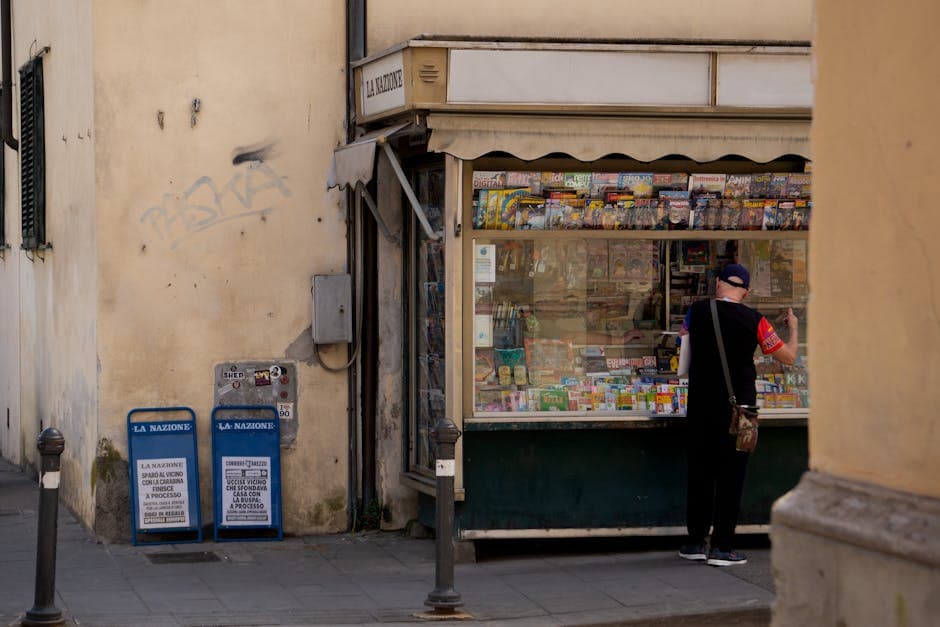
Florence Oltrarno: Riverside Views, Artisans and Local Life
This tour explores Florence’s Oltrarno district, from Ponte Santa Trinita and riverside views of the Arno and Ponte Vecchio to historic palaces, churches, and medieval gates. It includes artisan streets like Via Maggio and Via Romana, key sites such as Santo Spirito and the Brancacci Chapel, and the San Niccolò neighborhood beneath Piazzale Michelangelo. History, Renaissance art, daily markets, and traditional crafts are examined along the route.
Florence: Medieval Center, Dante Sites and Civic Power
This tour explores Florence’s medieval core from Piazza della Repubblica to Piazza Santa Croce, following streets like Via Calzaiuoli and key civic spaces. It examines guild power, religious institutions, and Dante-related locations while highlighting architecture, former markets, towers, churches, and palaces that illustrate Florence’s political and cultural history.
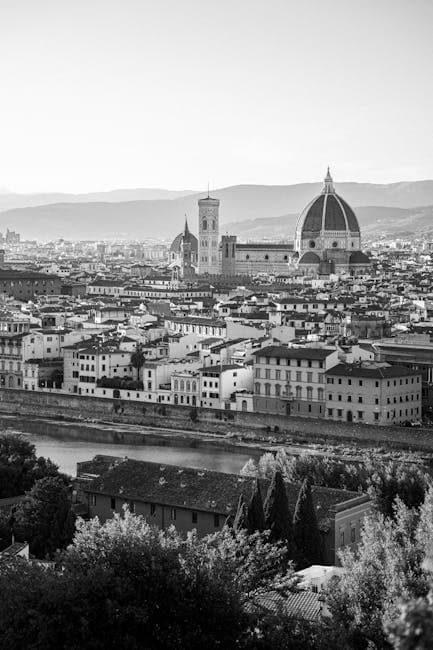
Florence: Arno River Views, Piazzale Michelangelo and San Miniato
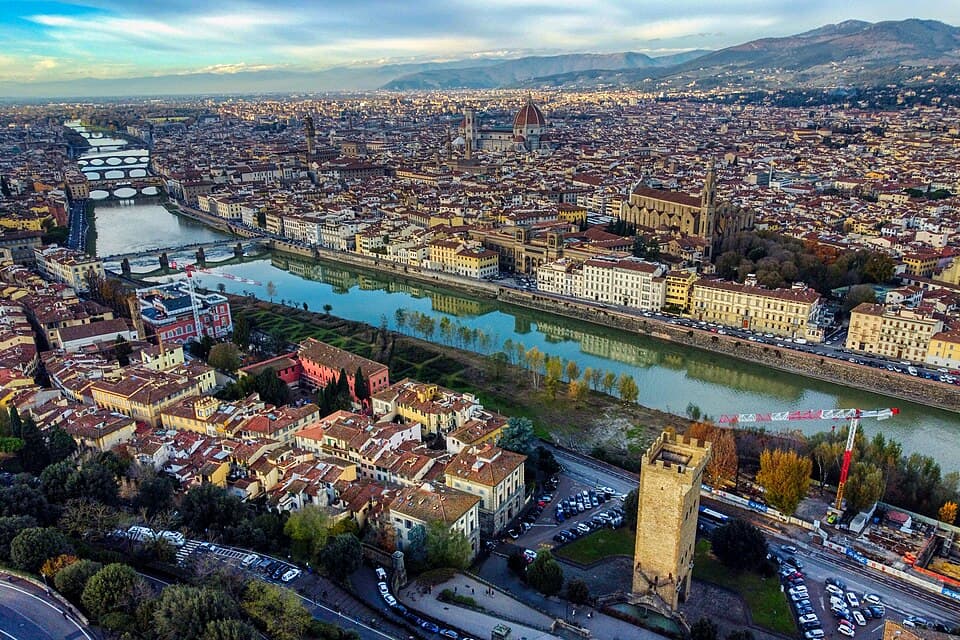
This evening route in Florence follows the Arno River from Santa Maria Novella through Via Tornabuoni and Ponte Vecchio to the Uffizi riverfront and San Niccolò. It continues up the Rampe del Poggi to Piazzale Michelangelo and San Miniato al Monte. The tour focuses on Renaissance architecture, urban views, riverfront life, and panoramic city perspectives.
About Firenze
Top Attractions
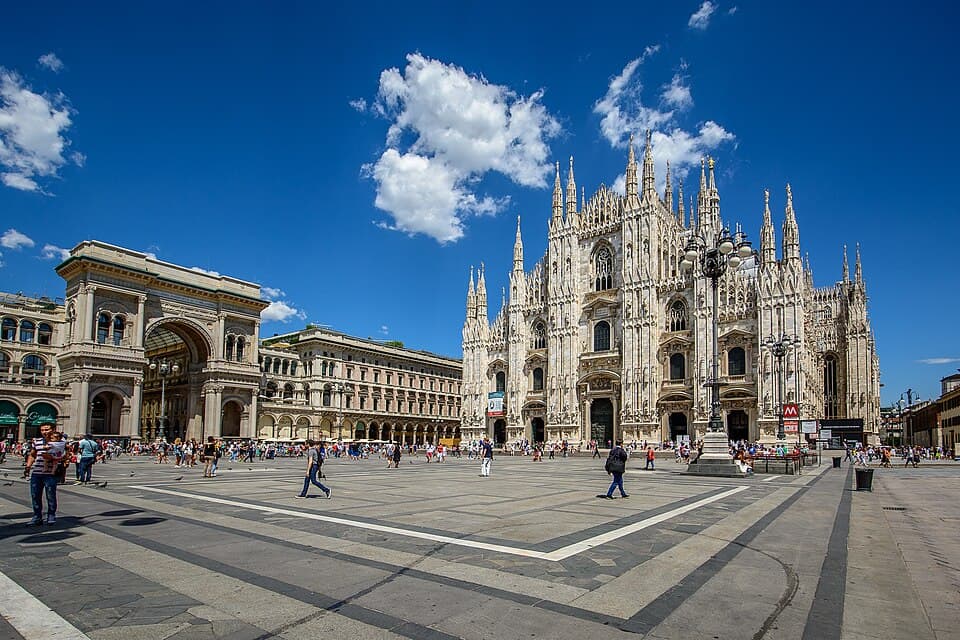
Piazza del Duomo
Florence’s sacred and civic heart revealed
This stop introduces Piazza del Duomo as the symbolic center of Florence’s religious and civic life, framed by the cathedral, bell tower, and baptistery. The script should sketch how this crowded square evolved from a medieval religious precinct into a stage for public rituals, processions, and civic celebrations. It can mention the rivalry with other Italian city‑states and how Florence used architecture and decoration here to project power. One anecdote might recall how major feasts filled the square with temporary wooden structures and fireworks, testing the city’s engineering skills long before Brunelleschi’s dome. Another anecdote can briefly describe accounts of pilgrims arriving here, awed by the colored marble and the forest of towers around them.
View Tour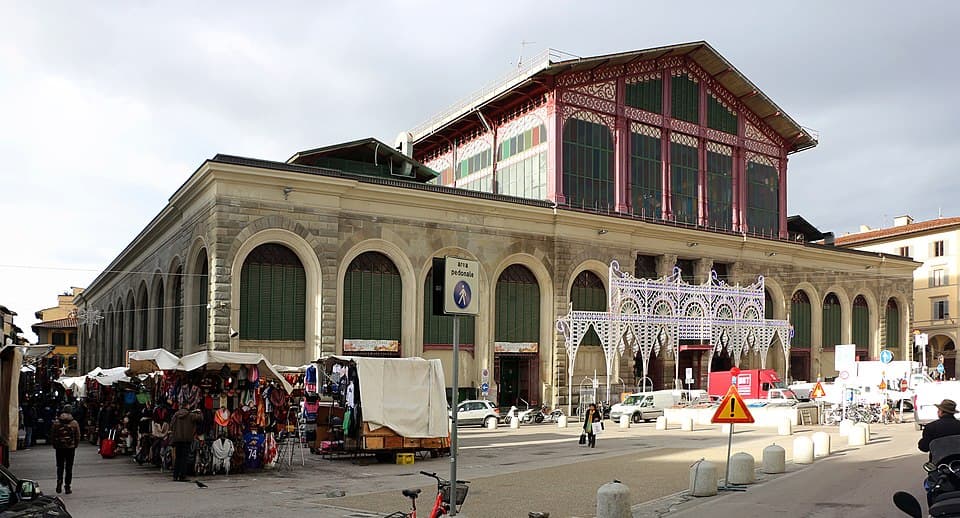
Mercato Centrale
Historic indoor market of everyday Florentine food
This stop focuses on the ground floor of Mercato Centrale as the historic heart of Florence’s daily food supply. The narration should describe the iron-and-glass architecture, the bustle of produce stalls, butchers, and tripe vendors, and the smells and colors of seasonal Tuscan products. It should explain how the market grew with 19th‑century urban reforms and how it served workers, artisans, and nearby convents and boarding houses. An anecdote could explore the world of the lampredotto seller as a classic Florentine street figure, or how early-morning chefs and nonnas still shop here for specific cuts and vegetables.
View Tour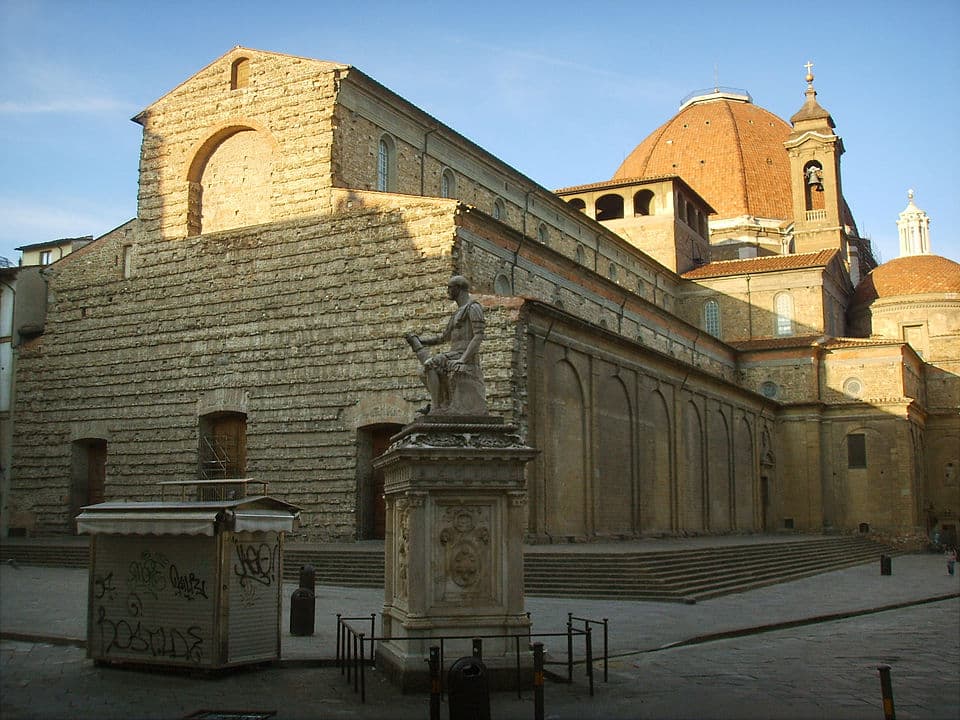
Piazza San Lorenzo
Medici neighborhood gateway beside crowded market
This stop introduces the Medici “home turf” around San Lorenzo, just behind Florence’s cathedral. The script should set the scene of a busy quarter of traders, leather stalls, and parish life, contrasted with the imposing mass of the unfinished basilica façade. It should explain how the Medici, as bankers, invested heavily in this parish church and nearby buildings, making the square a power base in the 15th century. Mention early figures like Giovanni di Bicci and Cosimo the Elder choosing San Lorenzo as a spiritual and social center. Include a unique anecdote about local Florentines joking that the rough, bare church façade looked more like a warehouse than the parish of the city’s richest family, highlighting tensions between Medici wealth and public expectations. Also preview nearby sites—Basilica di San Lorenzo, Old Sacristy, Medici Chapels, and Palazzo Medici Riccardi—to orient the listener for the cluster of upcoming stops.
View Tour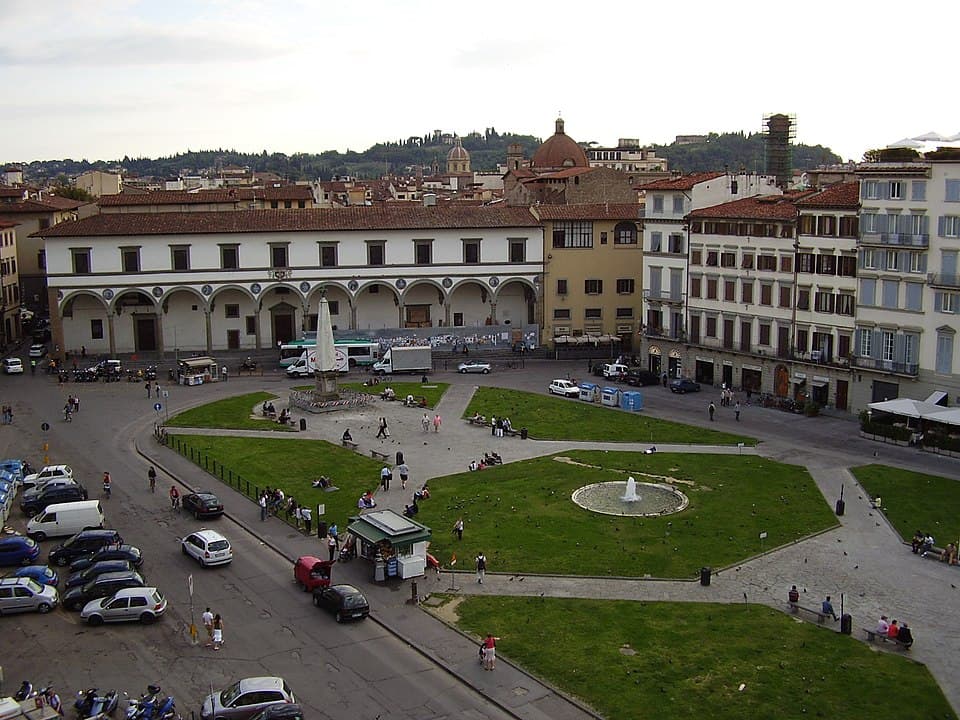
Piazza Santa Maria Novella
Open square framing church, light, and arrival
This opening stop situates visitors in Piazza Santa Maria Novella as an arrival space between the modern station and the historic core. The script should describe the elongated shape of the piazza, the framing presence of the church, and the way evening light hits the façades. It can briefly mention the piazza’s historic use for gatherings and events, including horse races once held here in front of the church. It should orient listeners to key city landmarks visible or nearby and introduce the tour’s themes of river, Renaissance architecture, and urban vistas without going in-depth on the church façade yet, as that comes next.
View Tour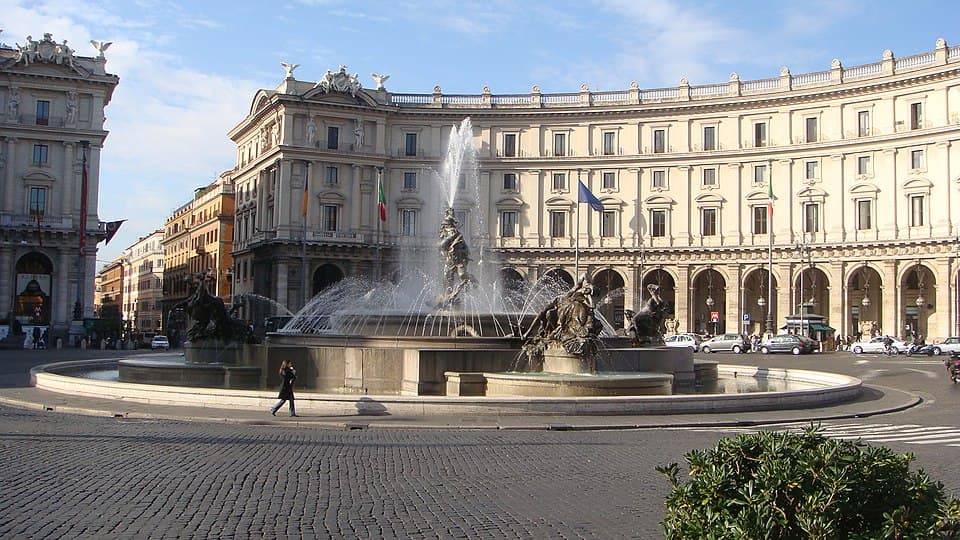
Piazza della Repubblica
From Roman forum to vanished medieval market
This stop introduces Florence’s historical layers by focusing on Piazza della Repubblica as the site of the Roman forum, the medieval Mercato Vecchio, and the 19th‑century urban reshaping. The narration should explain how dense medieval streets, markets, and the former Jewish ghetto were demolished during the so‑called Risanamento to create this regular, elegant square. Architecturally, it should note the triumphal arch and uniform 19th‑century facades that contrast with older areas nearby. One anecdote to highlight is the inscription on the arch celebrating the “ancient centre of the city” despite having just erased much of that old centre, raising questions about memory and identity.
View Tour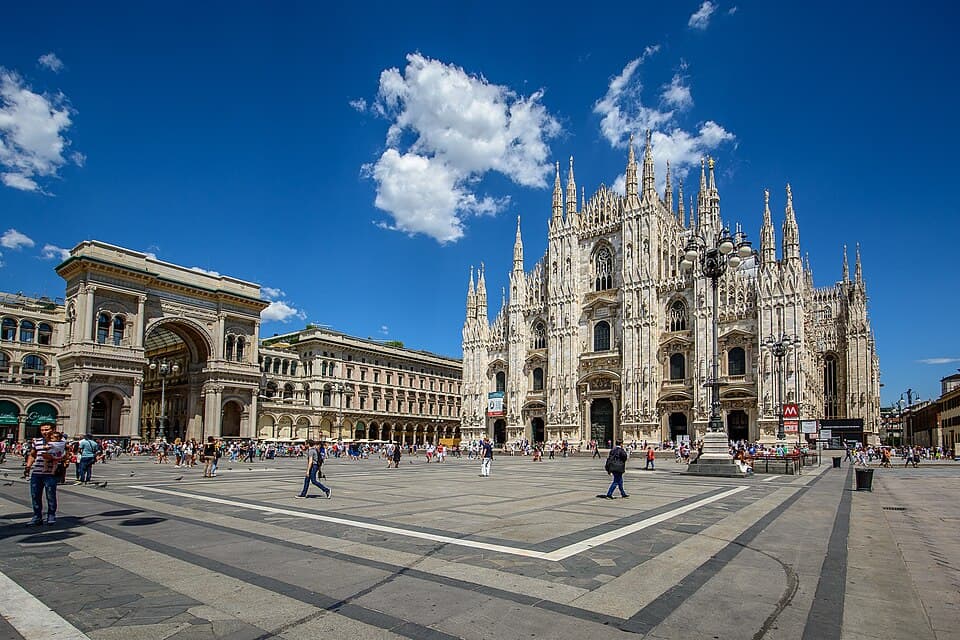
Piazza del Duomo
Religious heart and Renaissance skyline of Florence
This stop introduces the cathedral complex as the spiritual and visual center of Florence, framing the tour’s themes of faith, art, and civic identity. The script should describe the Cathedral of Santa Maria del Fiore, Giotto’s bell tower, and the Baptistery of San Giovanni as a unified ensemble in marble and space. It should explain how the dome by Brunelleschi became a symbol of Florentine ingenuity and competition with rival cities. An anecdote can highlight how the cathedral’s building campaigns drew in ordinary citizens through donations or public celebrations, showing religion as a deeply social force. This stop also orients listeners geographically, pointing toward later destinations like Piazza della Signoria and the Arno.
View Tour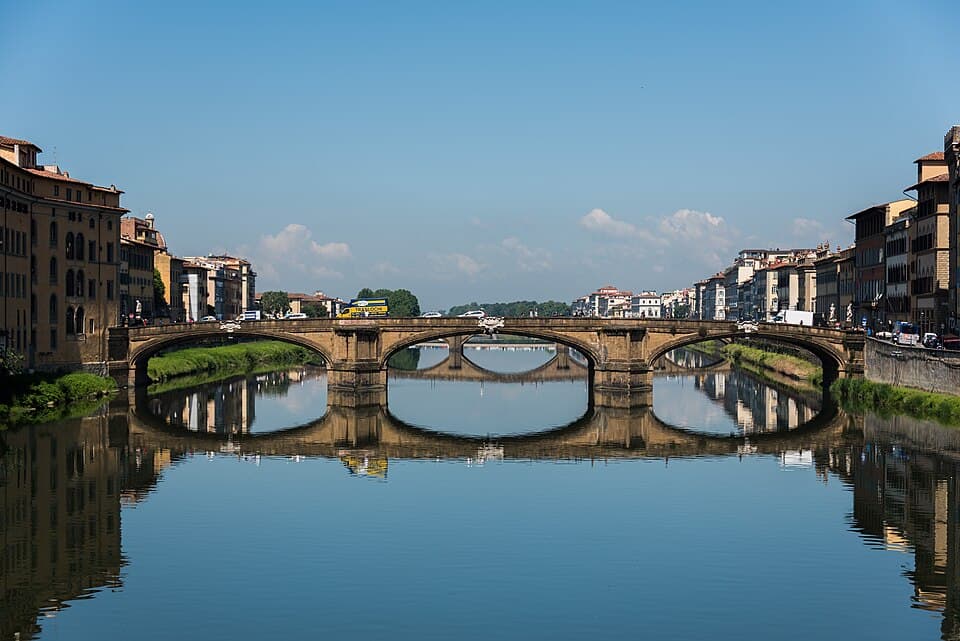
Ponte Santa Trinita
Elegant bridge with sweeping views of Arno
This stop introduces the Arno River and Oltrarno from the vantage of Ponte Santa Trinita, one of Florence’s most graceful bridges. The narration should describe the bridge’s elegant arches, its history of destruction and reconstruction, and its role as a visual balcony over the river. The guide can contrast the more formal north bank with the artisans’ Oltrarno side, visible ahead. An anecdote might cover how locals salvaged the bridge’s statues from the river after wartime damage, or how everyday life plays out along the riverbanks at different times of day.
View Tour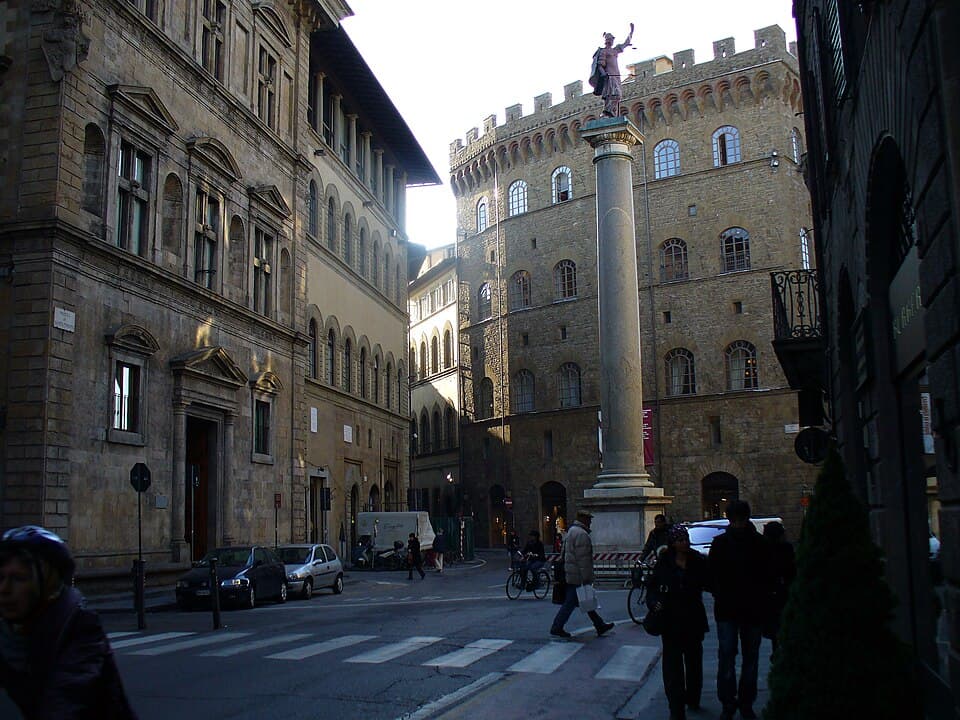
Piazza Santa Trinita
Square of merchant palaces and river gateway
This stop focuses on Piazza Santa Trinita as a north-bank threshold that points directly toward Oltrarno. The script should describe the surrounding palaces, especially Palazzo Strozzi and Palazzo Spini Ferroni, noting their stone facades, rustication, and association with powerful merchant-banking families. The central column and church of Santa Trinita can be briefly mentioned as part of the square’s layered history. An anecdote might involve rivalries between elite families who commissioned these palaces or how the square functioned during public celebrations and processions leading toward the bridge.
View Tour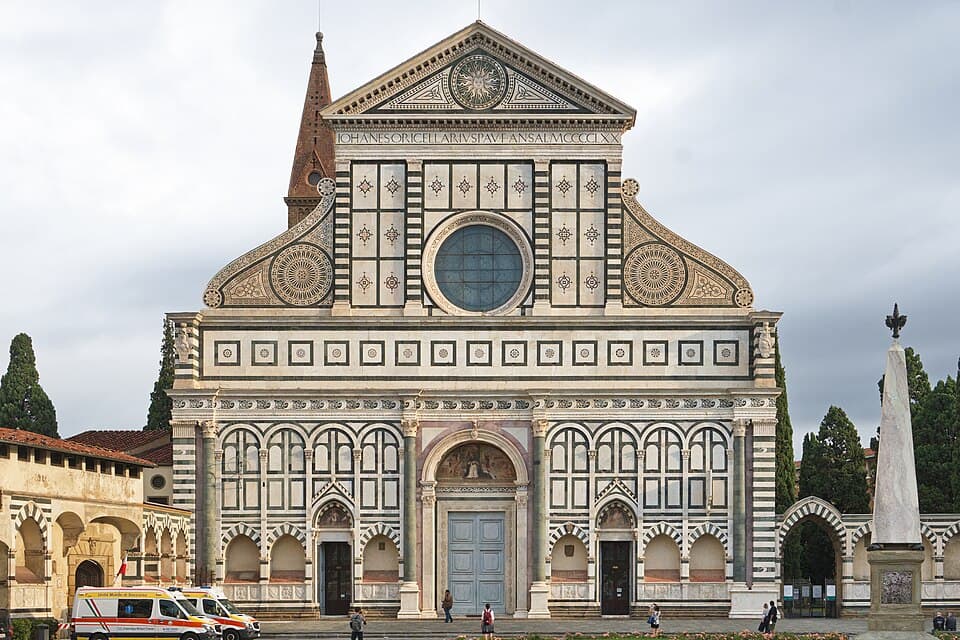
Santa Maria Novella Facade
Renaissance marble geometry and visual harmony
This short stop zooms in on the façade of Santa Maria Novella as an early Renaissance masterpiece, highlighting its polychrome marble, geometric patterns, and classical elements. The narration should explain how Leon Battista Alberti’s design unified an older Gothic church with a harmonious new front. It can point out details like the scroll-shaped volutes, the central rose window, and the green-and-white marble typical of Florence. A unique anecdote might note how parts of the lower façade predate Alberti and were incorporated, creating a conversation between medieval and Renaissance styles visible in the stone.
View Tour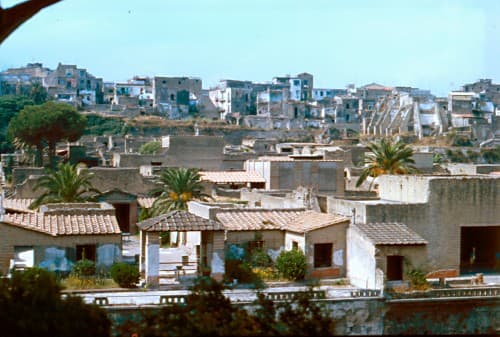
Mercato Centrale Upper Floor
Renovated food court above the historic market
This stop explores the modern upper floor of Mercato Centrale as an example of how traditional market spaces are repurposed. The guide should contrast the downstairs raw ingredients with upstairs prepared foods, craft beer, and contemporary reinterpretations of Tuscan classics. It can cover the recent renovation project that turned unused space into a lively dining hall, attracting both locals and visitors. An anecdote might describe how a traditional dish like ribollita or peposo is adapted into a gourmet version here, or how small producers from around Tuscany showcase their specialties in compact kiosks.
View Tour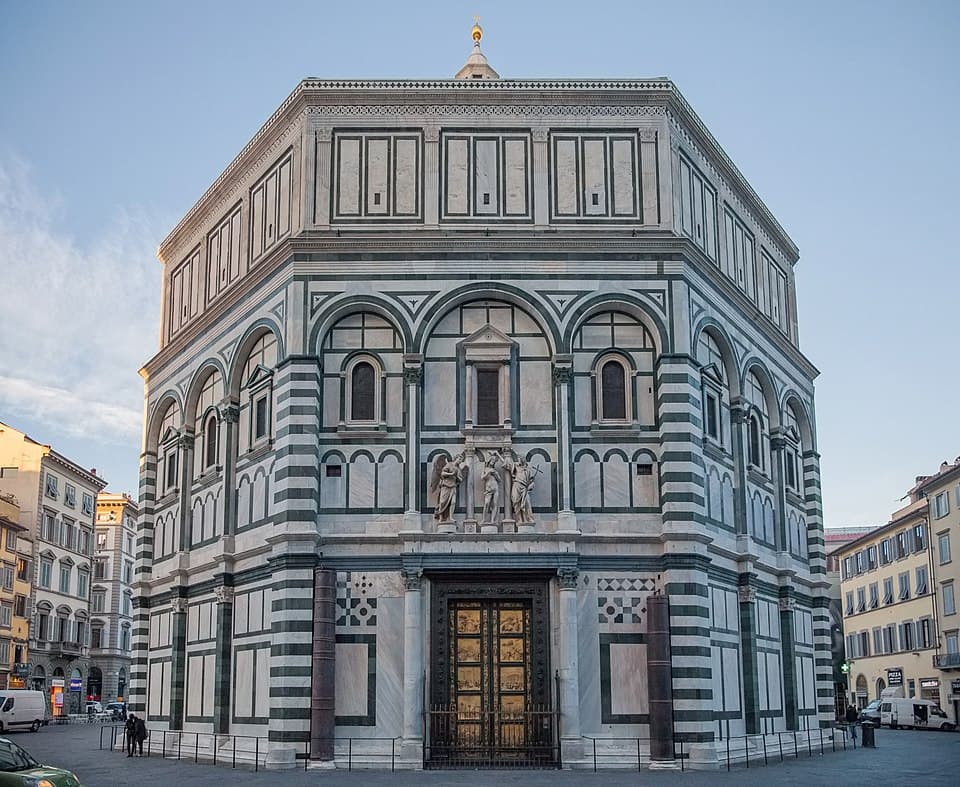
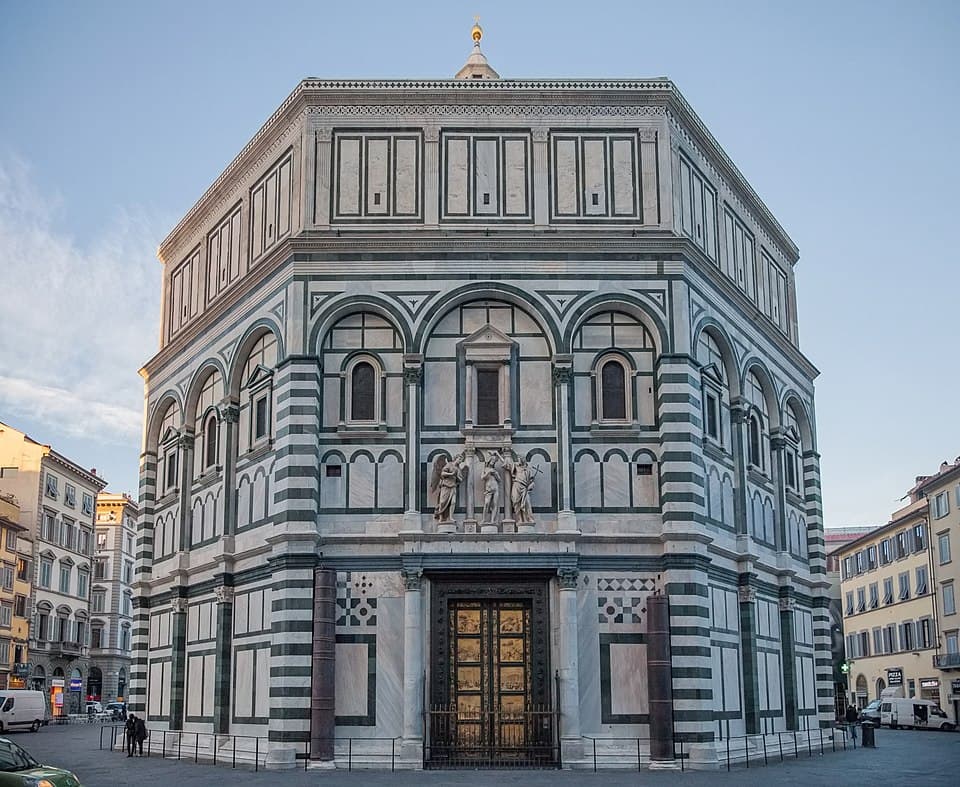
Baptistery Doors
Ghiberti’s bronze portals and civic pride
Here the focus is on the exterior bronze doors of the Baptistery of San Giovanni, especially the so‑called “Gates of Paradise” by Lorenzo Ghiberti. The narration should describe the relief panels, their Old Testament scenes, and the illusion of depth that marked a major step in Renaissance sculpture. It should explain the famous competition between Ghiberti and Brunelleschi, and how Ghiberti’s long project engaged a workshop of assistants and impressed visitors from across Europe. A distinct anecdote can mention how Michelangelo is said to have admired these doors so much that he compared them favorably to ancient works, helping give them their poetic nickname. The stop should also clarify that the doors on view are copies, with originals preserved in the cathedral museum.
View Tour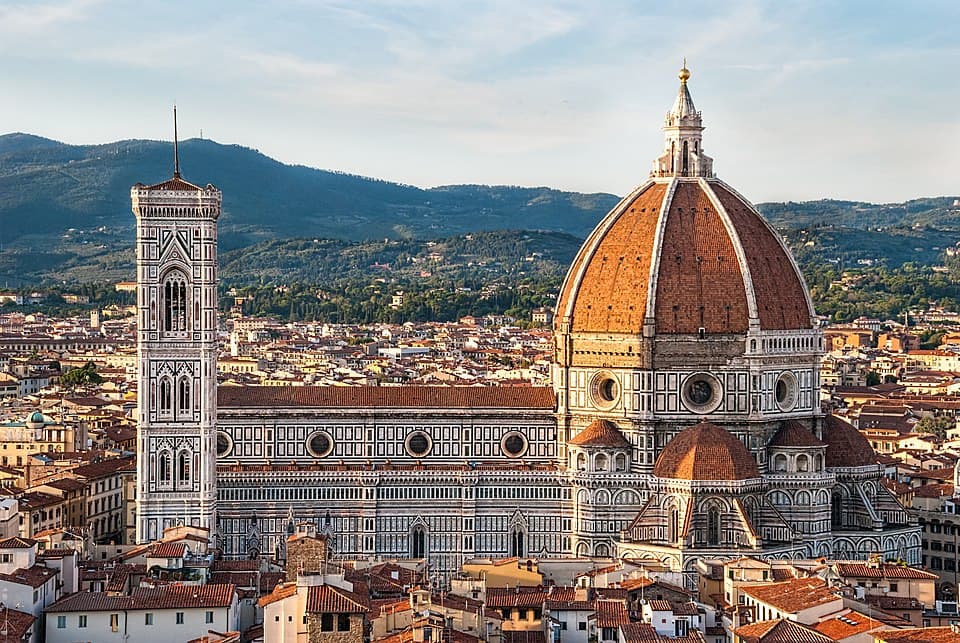
Cathedral of Santa Maria del Fiore
Gothic shell, Renaissance dome, civic ambition
This stop circles the exterior of Florence’s cathedral, exploring its striped marble walls, sculpted portals, and the famous dome crowning the skyline. The narration should trace the cathedral’s long construction phases, from medieval foundations to the later decision to crown it with an unprecedented masonry dome. It should highlight how the building embodied Florence’s republican pride and competition with rival cities. One anecdote may describe how a public competition for the dome’s design drew bold proposals and sparked fierce debate. Another can evoke how citizens watched the dome rising year by year, some reportedly gathering in the piazza to argue whether such a massive structure could ever stand without collapsing.
View TourFrequently Asked Questions
How do audio walking tours work in Firenze?
Our audio walking tours in Firenze are self-guided experiences that you can start anytime. Simply download the Roamway app, select a tour, and follow the GPS-guided route. The audio narration automatically plays as you approach each point of interest, allowing you to explore at your own pace.
Are self-guided tours better than guided tours?
Self-guided audio tours offer flexibility that traditional guided tours can't match. You can pause, rewind, or skip sections, explore at your own pace, and start whenever you're ready. Plus, our tours are available in multiple languages and work offline once downloaded.
Do I need an internet connection during the tour?
No! Once you've downloaded a tour in the Roamway app, it works completely offline. The GPS navigation and audio narration function without an internet connection, making it perfect for international travelers who want to avoid data charges.
How long do the audio tours take?
Tour durations vary, but most of our audio tours in Firenze range from 1 to 3 hours, depending on your pace and how much time you spend at each point of interest. You can complete them in one go or split them across multiple visits.
Ready to explore Firenze?
Download Roamway and start your audio-guided adventure today.