
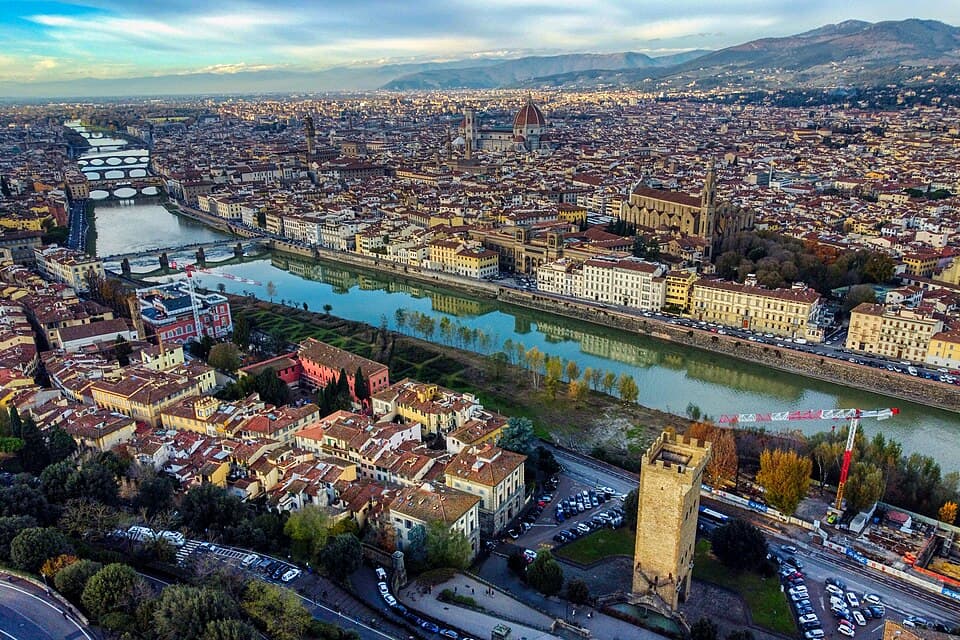
Florence: Markets, Street Food and Wine Culture
Firenze, Italia
Audio Preview
Listen to a sample of this audio tour to get a feel for the experience.
What You'll Experience
On this Florence: Markets, Street Food and Wine Culture audio tour in Firenze, you'll discover 12 carefully selected points of interest, each with its own story. The tour is designed to be completed at your own pace, with GPS navigation guiding you from one location to the next. As you approach each stop, the audio narration automatically begins, bringing history, culture, and local insights to life.
About This Tour
This tour explores Florence’s food culture through historic markets, street food areas, and traditional wine bars on both sides of the Arno. It includes Mercato Centrale, Sant’Ambrogio, Via dei Neri, and the Santa Croce and Oltrarno districts. Themes include everyday Florentine life, local products, wine traditions, and artisan gelato.
Points of Interest
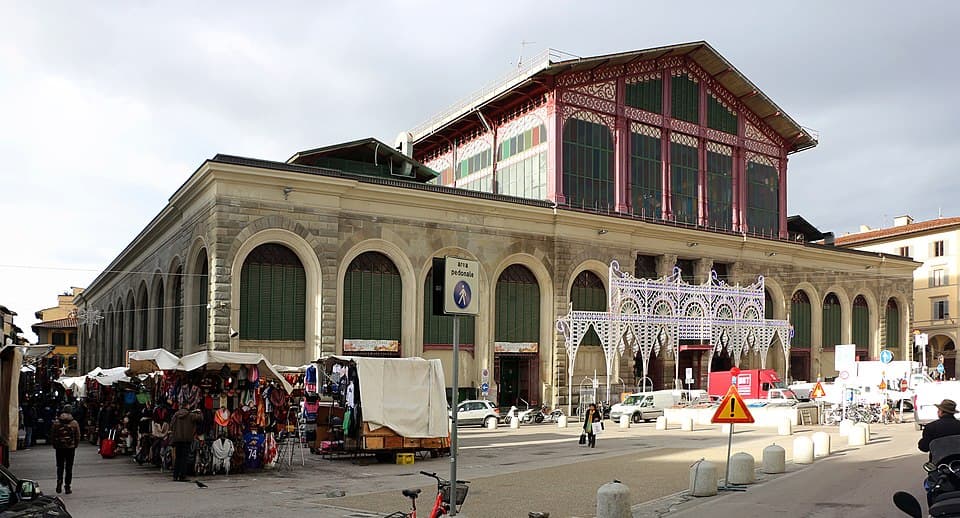
Mercato Centrale
Historic indoor market of everyday Florentine food
This stop focuses on the ground floor of Mercato Centrale as the historic heart of Florence’s daily food supply. The narration should describe the iron-and-glass architecture, the bustle of produce stalls, butchers, and tripe vendors, and the smells and colors of seasonal Tuscan products. It should explain how the market grew with 19th‑century urban reforms and how it served workers, artisans, and nearby convents and boarding houses. An anecdote could explore the world of the lampredotto seller as a classic Florentine street figure, or how early-morning chefs and nonnas still shop here for specific cuts and vegetables.
Mercato Centrale Upper Floor
Renovated food court above the historic market
This stop explores the modern upper floor of Mercato Centrale as an example of how traditional market spaces are repurposed. The guide should contrast the downstairs raw ingredients with upstairs prepared foods, craft beer, and contemporary reinterpretations of Tuscan classics. It can cover the recent renovation project that turned unused space into a lively dining hall, attracting both locals and visitors. An anecdote might describe how a traditional dish like ribollita or peposo is adapted into a gourmet version here, or how small producers from around Tuscany showcase their specialties in compact kiosks.
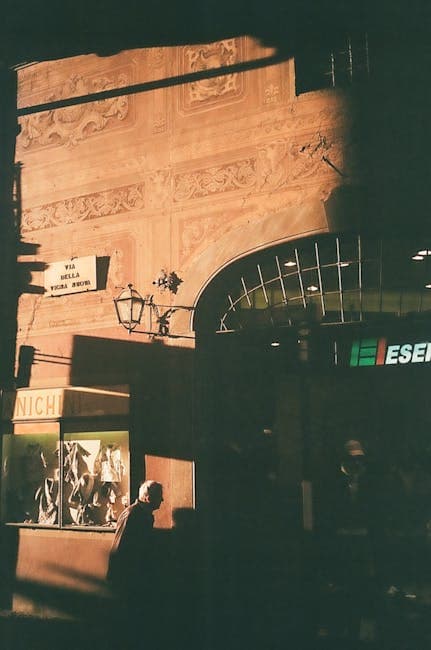
Via dell’Ariento Street Stands
Outdoor San Lorenzo stalls, souvenirs and snacks
This stop places listeners among the outdoor stalls along Via dell’Ariento and the San Lorenzo area, showing how street trade wraps around the historic market. The narration should describe the mix of leather goods, T‑shirts, and simple food kiosks, contrasting it with the more strictly food-focused indoor market. It can touch on the long history of itinerant vendors and how regulations pushed many onto these surrounding streets. An anecdote could mention a typical quick stand snack, like a panino sold from a tiny kiosk to nearby workers, or how some stalls are run by multi‑generation families who adapted from selling farm produce to souvenirs.
Sant’Ambrogio Market
Neighborhood market of local Florentine life
This stop highlights Mercato di Sant’Ambrogio as a more local, neighborhood-oriented counterpart to Mercato Centrale. The script should describe the partly indoor, partly outdoor layout, with vegetable stalls, fishmongers, butchers, and simple eateries frequented by residents. It should note the market’s role in serving nearby families and students, and the different atmosphere compared to the San Lorenzo area. An anecdote might follow a morning ritual of a regular shopper greeting their trusted cheesemonger, or a tiny market trattoria where workers share a quick plate of pasta and a glass of house wine before returning to work.
Piazza Sant’Ambrogio
Local cafes and wine bars around the piazza
This stop uses Piazza Sant’Ambrogio to show how market life spills into surrounding streets, with cafes, simple restaurants, and enotecas that serve as an extension of the market’s social space. The narration should describe the modest church, outdoor tables, and mix of longtime residents and students. It can explore how people transition from morning coffee to evening aperitivo in the same square. An anecdote could focus on a typical early evening scene: small plates of crostini appearing with glasses of wine, or neighbors discussing the day’s market gossip at a bar counter crowded with espresso cups and wine glasses.
Via dell’Isola delle Stinche Wine Door
Historic buchetta del vino in old palace wall
This stop centers on a surviving buchetta del vino, a small wine door in a palace wall used historically to sell wine directly from noble families to the public. The narration should explain how these openings functioned, their link to vineyard-owning families, and their role during epidemics when contact needed to be limited. It should place this particular wine door within the dense medieval street network near the former Stinche prison. An anecdote might recount how customers once knocked, paid through the tiny opening, and received their flask of wine without ever seeing the seller inside.
Via dei Neri
Busy street of schiacciata and panini shops
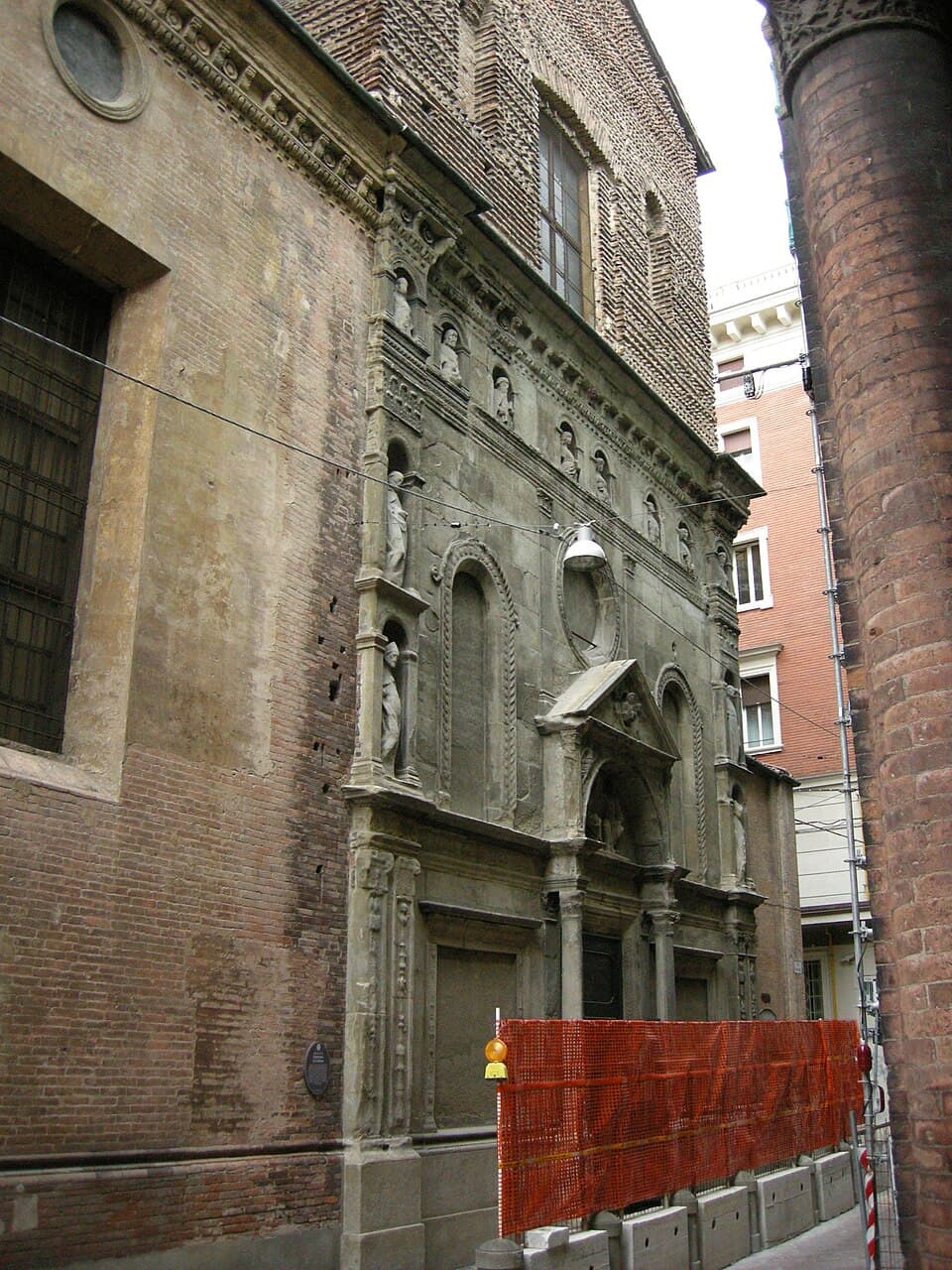
This stop explores Via dei Neri as a contemporary hub of street food, especially schiacciata and stuffed panini. The narration should describe the narrow street, queues outside sandwich shops, and the soundscape of clattering trays and quick orders. It can explain the tradition of schiacciata as a simple Tuscan flatbread, once eaten plain or with basic fillings, now turned into elaborate creations. An anecdote could follow a typical office worker or student grabbing a quick panino between commitments, or touch on how residents debate the street’s transformation as food fame brings more crowds and noise.
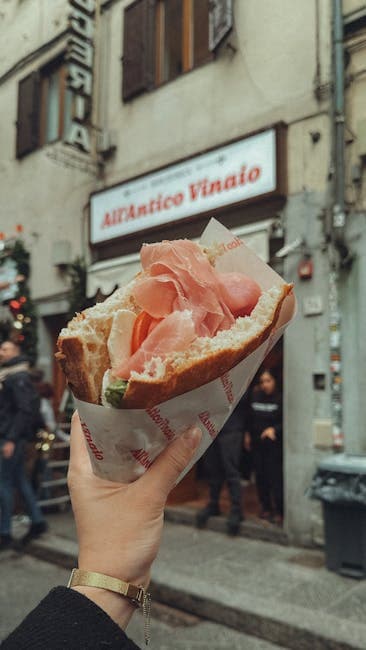
All’Antico Vinaio Area
Context of Florence’s viral panino phenomenon
This stop uses the cluster of famous panini shops around Via dei Neri as a case study in how one food business can reshape a neighborhood. The guide should give context on traditional Florentine panini bars, then explain how social media and word of mouth amplified this area’s fame. It can discuss impacts on local life, from crowding to new copycat venues, as well as the enduring appeal of simple bread-plus-filling combinations. An anecdote might describe a visitor traveling specifically for a much-photographed sandwich, or a local who times their visit to off-hours to avoid the heaviest lines.
Borgo dei Greci Shops
Olive oil and specialty food storefronts
This stop focuses on Borgo dei Greci as a street linking Santa Croce to specialty grocers and olive oil shops. The narration should describe small storefronts displaying bottles of Tuscan extra virgin olive oil, jars of sauces, and dried goods. It can explain the importance of olive oil in Tuscan cooking and how city shops act as bridges to rural producers. An anecdote could follow someone choosing an oil by tasting from a tiny sample cup, or a shopkeeper explaining the difference between oil from the Chianti hills and one from a coastal grove, highlighting how terroir shapes flavor.
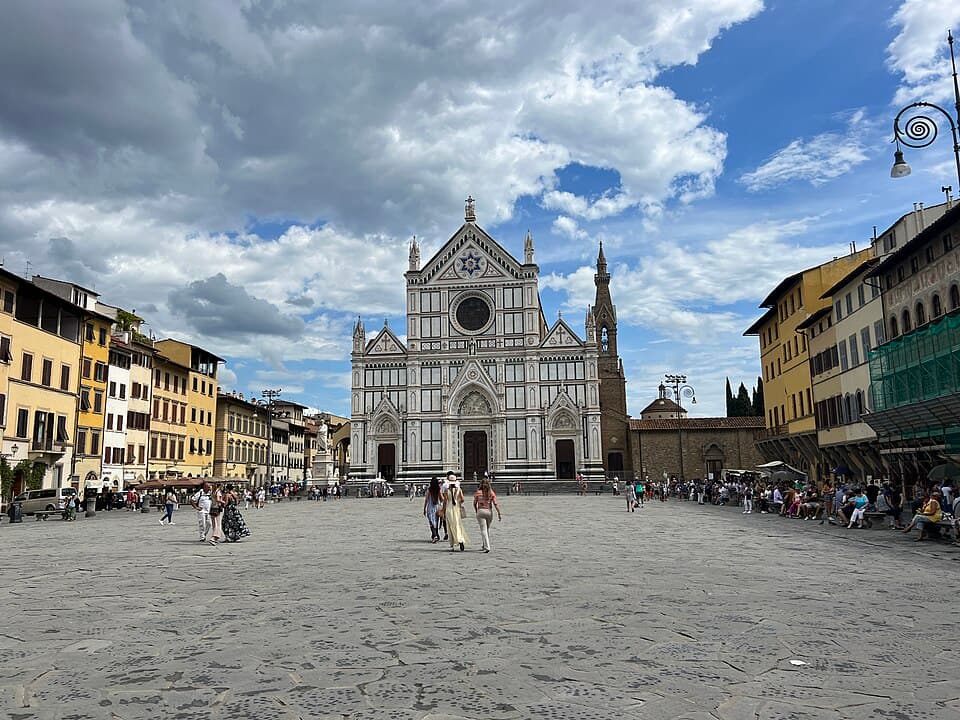
Piazza Santa Croce
Monumental square with cafes and gelato
This stop situates food and drink within the grand setting of Piazza Santa Croce, framed by the basilica and surrounding palazzi. The script should describe the square’s architecture, the facade of Santa Croce, and the ring of cafes and gelato shops around the edges. It can trace how the square has long hosted crowds, from historic games of calcio storico to modern festivals, and how refreshments have always accompanied gatherings. An anecdote could contrast a local savoring a slow coffee under the loggias with hurried visitors licking gelato while photographing the basilica, showing different rhythms coexisting in the same space.
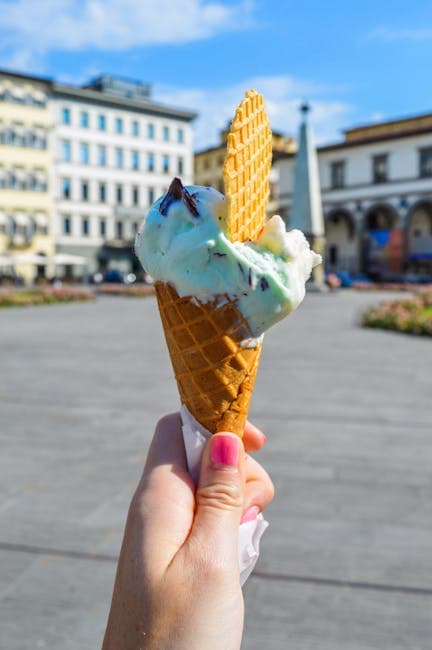
Artisan Gelato on Via dei Neri
Small-batch gelato and Florentine dessert culture
This stop zooms in on an artisan gelato shop on or near Via dei Neri, using it to discuss gelato traditions in Florence. The narration should describe the visual cues of quality gelato—covered metal tubs, natural colors, seasonal flavors—and explain how it differs from industrial ice cream. It can mention typical Tuscan flavors like cantucci-and-vin-santo or seasonal fruit sorbets. An anecdote could trace the ritual of an evening passeggiata with gelato in hand, or a child carefully choosing flavors and insisting on whipped cream on top, highlighting gelato as both everyday treat and social glue.
Oltrarno Wine Bar
Cozy enoteca in artisan Oltrarno streets
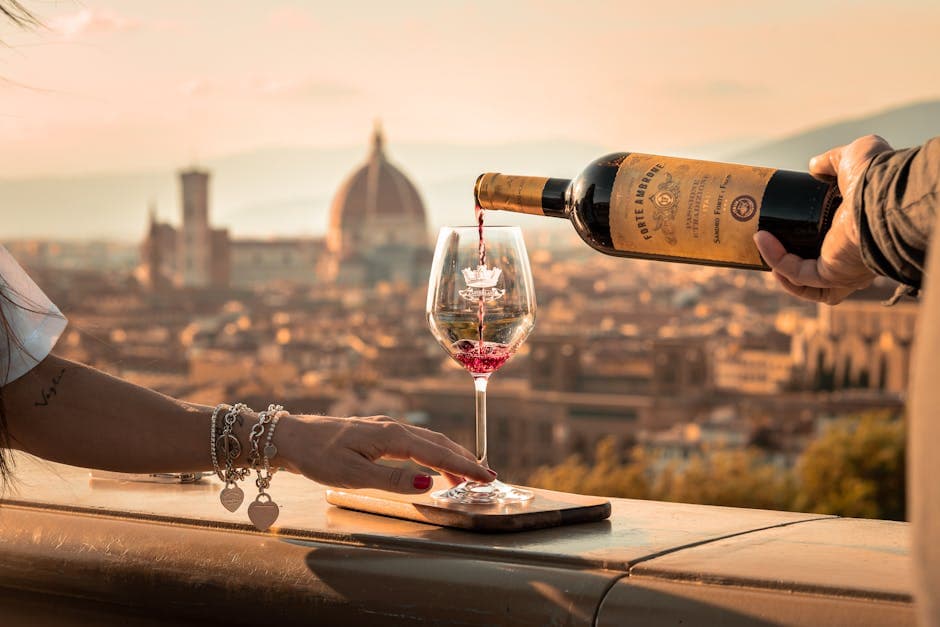
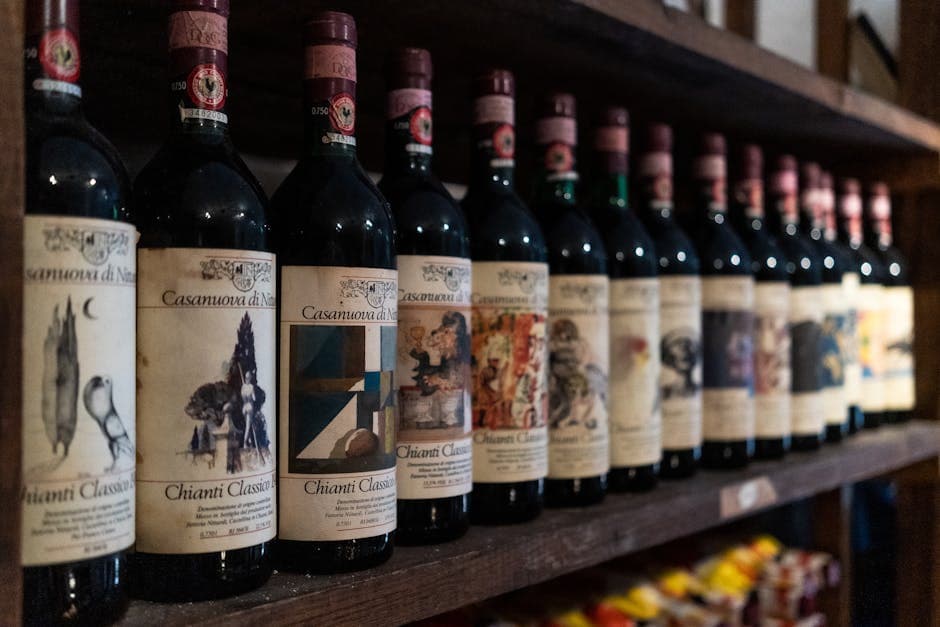
This final stop uses a typical enoteca near Piazza della Passera to immerse listeners in Oltrarno’s evening wine culture. The narration should evoke small interiors lined with bottles, chalkboard menus, and a few outdoor tables squeezed into narrow lanes. It can explain the custom of drinking Tuscan wines by the glass, nibbling on crostini or taglieri of cured meats and cheeses, and chatting with owners who know producers personally. An anecdote might follow a group of friends sharing a bottle and small plates over hours, or a solo regular discussing vintages at the counter, reinforcing wine bars as neighborhood living rooms and offering a reflective close to the tour.
Start This Tour
Download Roamway to experience this audio tour
Tour Details
Access
Free
Stops
12 points of interest
Languages
GermanEnglishSpanishFrench
More tours in Firenze
View all tours in FirenzeOther tours you might enjoy:
Florence: Medici Power, Palaces and Churches
This tour explores central Florence through key Medici sites, from San Lorenzo and its basilica, chapels, and palace to San Marco, Piazza Santissima Annunziata, and the political center around Palazzo Vecchio and Piazza della Signoria. It examines Medici patronage, art, architecture, religion, and government, including the Uffizi courtyard, Vasari Corridor exterior, and Pitti Palace.
Florence: Duomo Complex and Renaissance Churches Highlights
This tour focuses on Florence’s historic center, from the Piazza del Duomo and its cathedral complex to Orsanmichele, Badia Fiorentina, Santa Croce, and Santa Maria Novella. It examines medieval and Renaissance architecture, religious art, funerary monuments, and civic history, including key façades, sculptural programs, and interior highlights where accessible.
Florence: Duomo to Oltrarno Art and History
This tour traces central Florence from Piazza del Duomo through Piazza della Signoria and the Uffizi area to the Arno River, Ponte Vecchio, and the Oltrarno. It examines major churches, palaces, outdoor sculpture, and museum masterpieces while highlighting Renaissance art, religious traditions, Medici power, and daily life in artisan neighborhoods.
Frequently Asked Questions
How do I start this audio tour?
Download the Roamway app, search for this tour, and tap 'Start Tour'. The app will guide you to the starting point using GPS. Once you're there, the audio narration begins automatically.
Do I need an internet connection?
No! Once you've downloaded the tour in the Roamway app, it works completely offline. The GPS navigation and audio narration function without an internet connection.
Can I pause and resume the tour?
Yes! You can pause the tour at any time and resume later. Your progress is automatically saved, so you can complete the tour over multiple sessions if needed.