
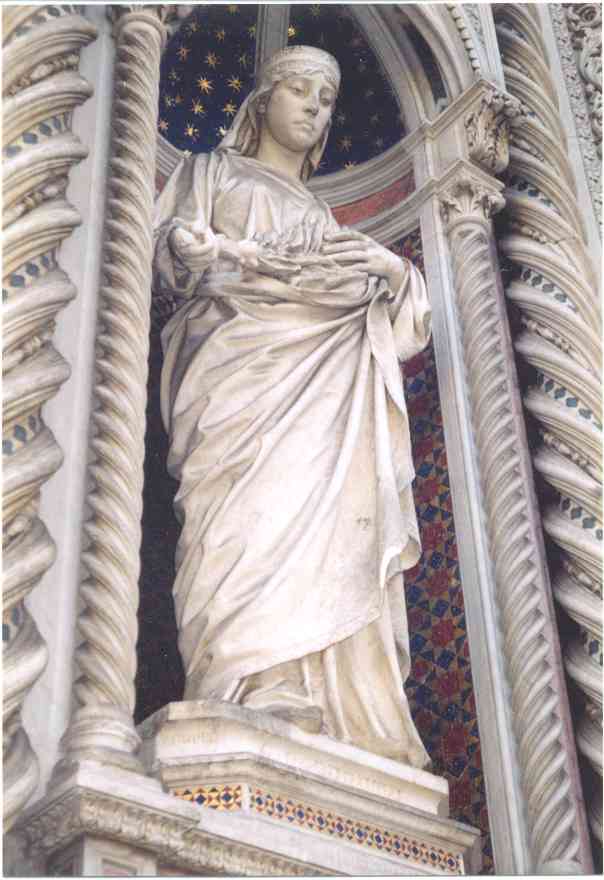
Florence: Duomo to Oltrarno Art and History
Firenze, Italia
Audio Preview
Listen to a sample of this audio tour to get a feel for the experience.
What You'll Experience
On this Florence: Duomo to Oltrarno Art and History audio tour in Firenze, you'll discover 12 carefully selected points of interest, each with its own story. The tour is designed to be completed at your own pace, with GPS navigation guiding you from one location to the next. As you approach each stop, the audio narration automatically begins, bringing history, culture, and local insights to life.
About This Tour
This tour traces central Florence from Piazza del Duomo through Piazza della Signoria and the Uffizi area to the Arno River, Ponte Vecchio, and the Oltrarno. It examines major churches, palaces, outdoor sculpture, and museum masterpieces while highlighting Renaissance art, religious traditions, Medici power, and daily life in artisan neighborhoods.
Points of Interest
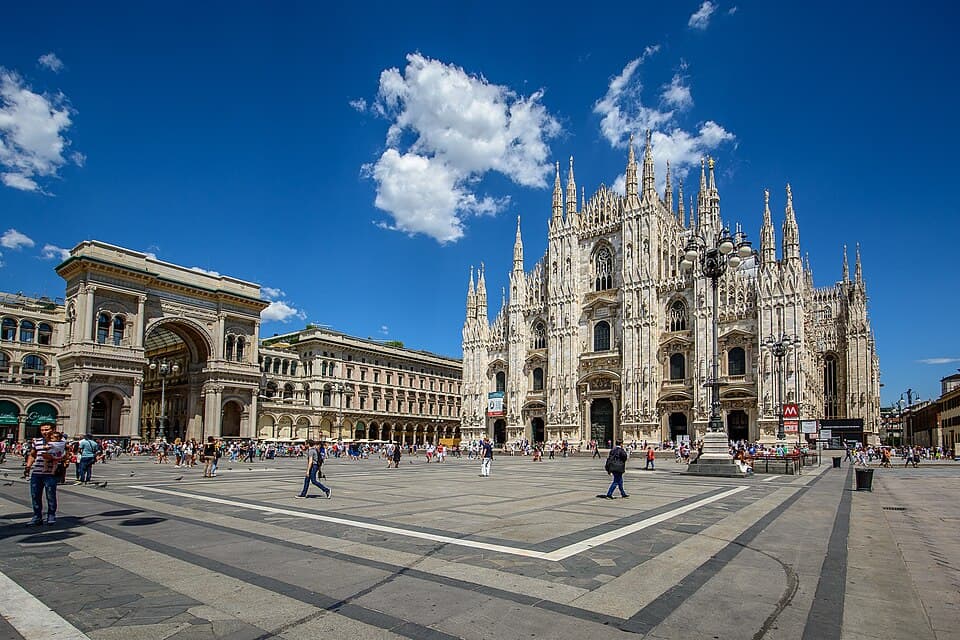
Piazza del Duomo
Religious heart and Renaissance skyline of Florence
This stop introduces the cathedral complex as the spiritual and visual center of Florence, framing the tour’s themes of faith, art, and civic identity. The script should describe the Cathedral of Santa Maria del Fiore, Giotto’s bell tower, and the Baptistery of San Giovanni as a unified ensemble in marble and space. It should explain how the dome by Brunelleschi became a symbol of Florentine ingenuity and competition with rival cities. An anecdote can highlight how the cathedral’s building campaigns drew in ordinary citizens through donations or public celebrations, showing religion as a deeply social force. This stop also orients listeners geographically, pointing toward later destinations like Piazza della Signoria and the Arno.
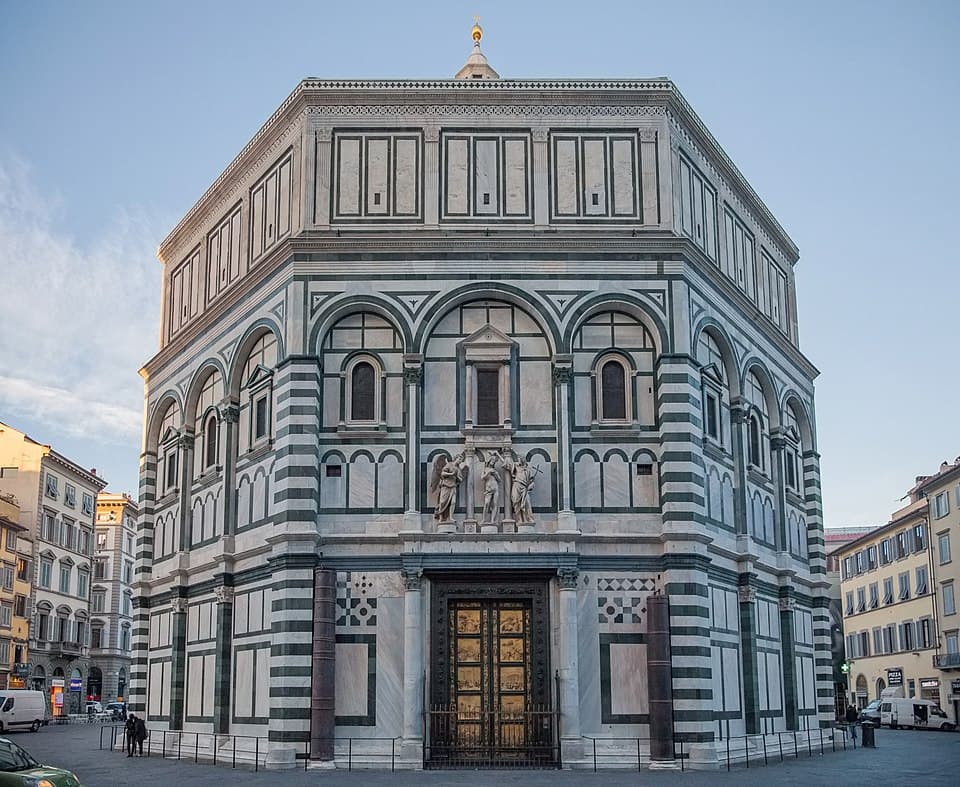
Baptistery Doors
Ghiberti’s bronze portals and civic pride
Here the focus is on the exterior bronze doors of the Baptistery of San Giovanni, especially the so‑called “Gates of Paradise” by Lorenzo Ghiberti. The narration should describe the relief panels, their Old Testament scenes, and the illusion of depth that marked a major step in Renaissance sculpture. It should explain the famous competition between Ghiberti and Brunelleschi, and how Ghiberti’s long project engaged a workshop of assistants and impressed visitors from across Europe. A distinct anecdote can mention how Michelangelo is said to have admired these doors so much that he compared them favorably to ancient works, helping give them their poetic nickname. The stop should also clarify that the doors on view are copies, with originals preserved in the cathedral museum.
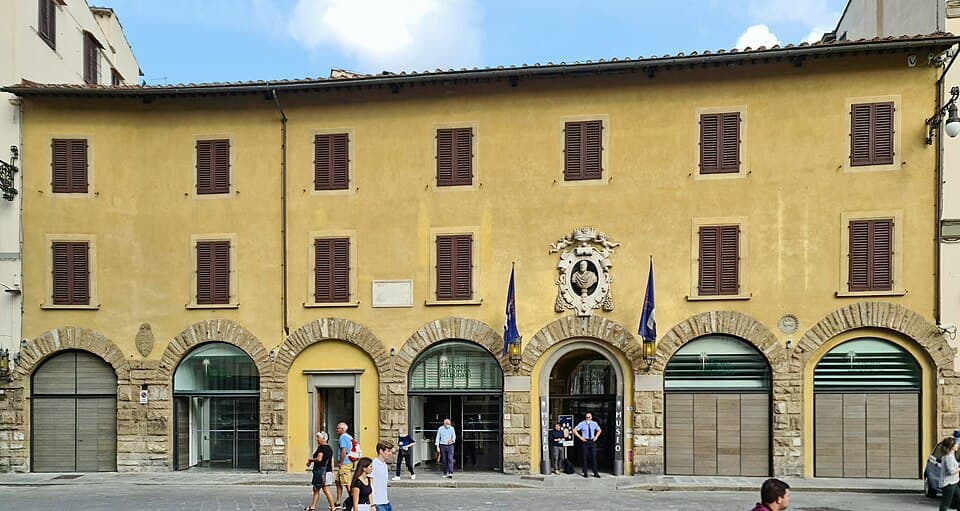
Museo dell’Opera del Duomo
Original masterpieces from the cathedral complex
This stop previews the key works inside the Museo dell’Opera del Duomo, which houses original sculptures and fittings from the Duomo, bell tower, and baptistery. The narration should highlight the original Baptistery doors, Donatello’s and Nanni di Banco’s statues, and a version of Michelangelo’s late Pietà associated with his own intended tomb. It should emphasize how moving art indoors protected it from weather and created a new way of viewing sacred objects. A specific anecdote can recount how Michelangelo reportedly damaged his Pietà in frustration, leading to visible breaks and later restoration. The guide should offer suggestions on what to look for if listeners choose to visit inside, and connect the museum’s contents to what has just been seen outside in the piazza.
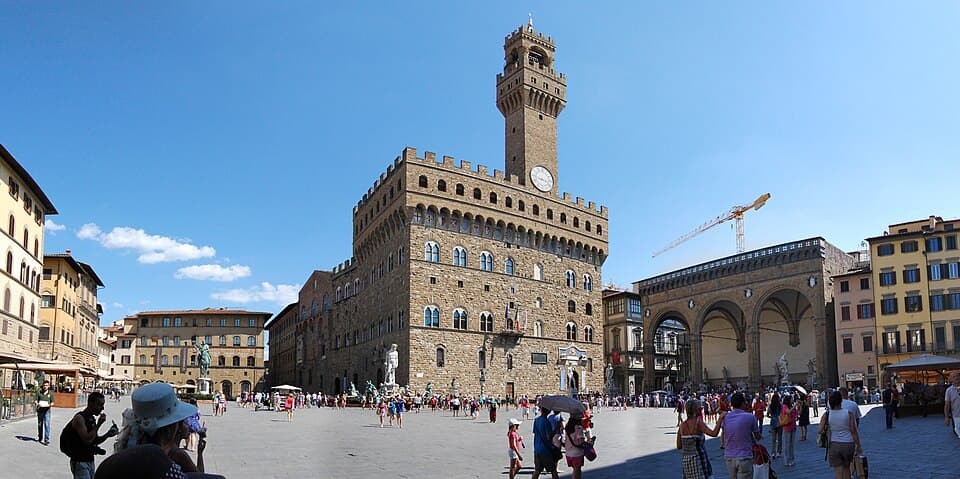
Piazza della Signoria
Civic stage and open-air sculpture gallery
This stop explores Piazza della Signoria as Florence’s political heart and an open-air gallery of Renaissance and later sculpture. The script should describe the surrounding buildings, especially Palazzo Vecchio, and key statues such as a copy of Michelangelo’s David, Bandinelli’s Hercules and Cacus, and the Fountain of Neptune. It should explain how the square witnessed public events, from assemblies and celebrations to executions and the burning of Savonarola. A unique anecdote can focus on the bonfire of the vanities, when followers of Savonarola piled luxury goods and artworks in the piazza, revealing tensions between religious fervor and artistic culture. The nearby Loggia dei Lanzi should be introduced here as a transition to the next stop’s focus on sculpture under its arches.
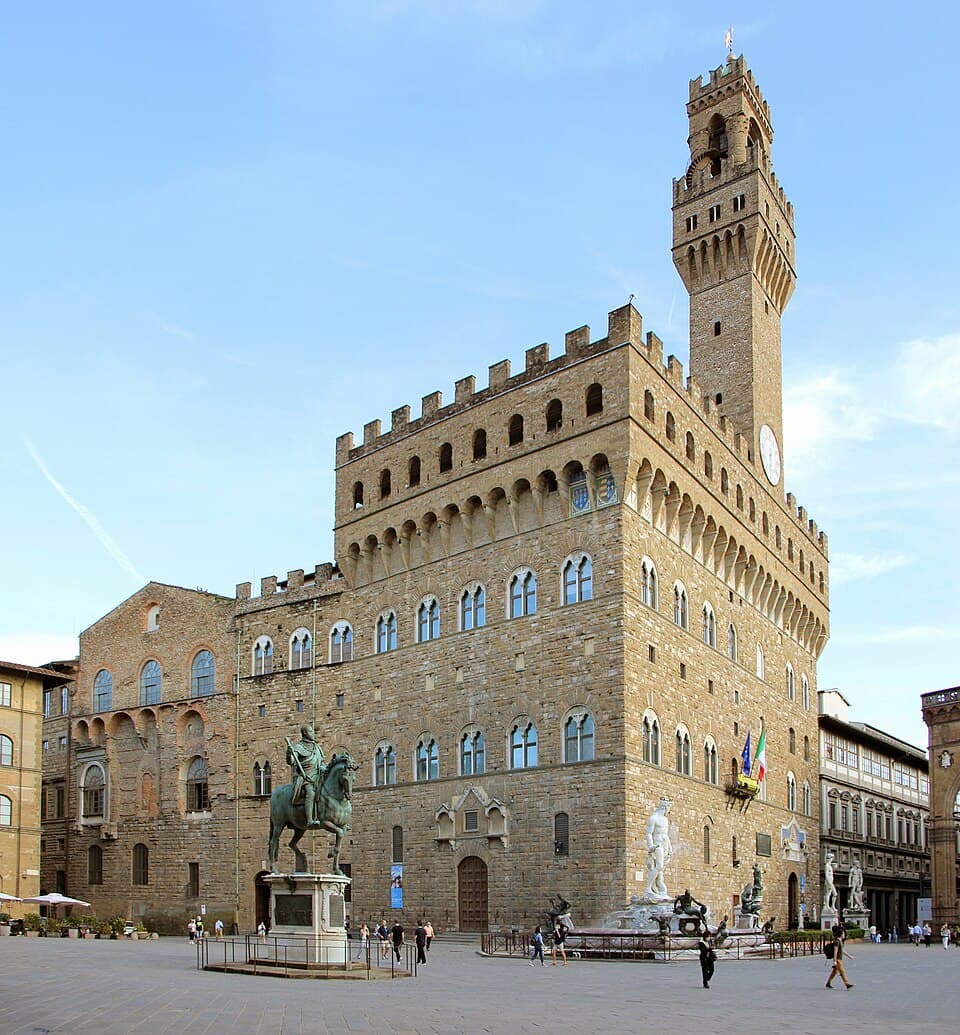
Palazzo Vecchio Courtyard
Medici power and Mannerist decoration inside
This stop moves inside the first courtyard of Palazzo Vecchio to examine its painted and sculpted program as a display of Medici authority. The narration should describe the arcaded courtyard, its frescoed walls with city views and allegories, and the central fountain with its figure, traditionally associated with a youthful putto or a mythic figure. It should note how Cosimo I de’ Medici reshaped this former republican palace into a princely residence, using Mannerist artists like Giorgio Vasari to create elaborate, learned imagery. A distinct anecdote can mention how visiting dignitaries once passed through this space during elaborate receptions, encountering imagery designed to impress them with Medici reach across Europe and beyond. The courtyard functions as a bridge between civic history and courtly spectacle, leading naturally toward the Uffizi complex just outside.
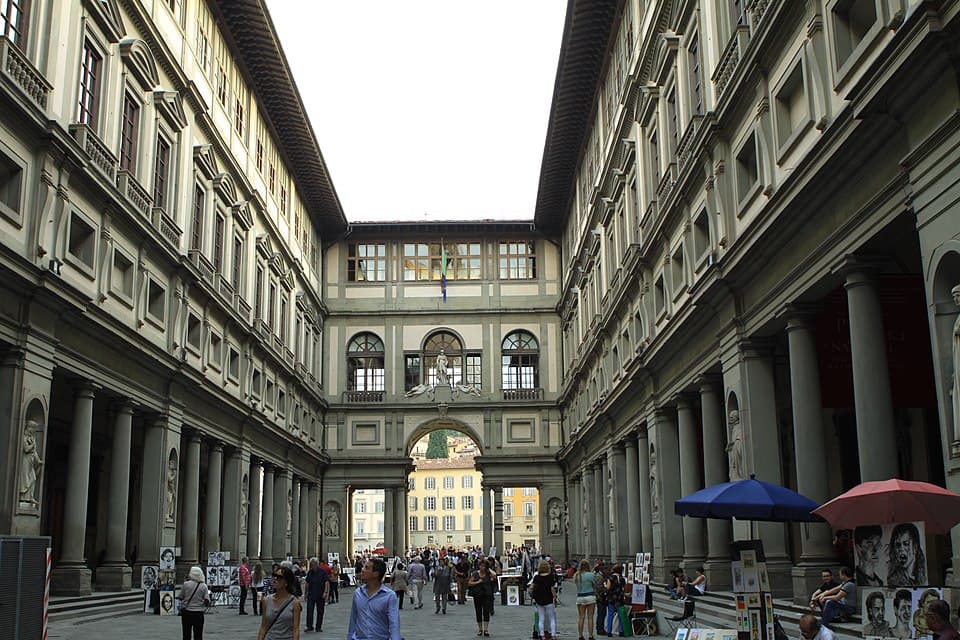
Uffizi Gallery Courtyard
Medici offices turned cradle of art history
This stop examines the long, narrow courtyard formed by the Uffizi’s two wings, originally built as administrative offices and later transformed into a major art gallery. The narration should explain Giorgio Vasari’s role in designing this space and how the Medici used it to centralize power. It should describe the rhythm of arches, the statues of famous Florentines added later, and the dramatic view toward the Arno at one end and Palazzo Vecchio at the other. A unique anecdote can highlight how the Medici family gradually assembled their art collection here, eventually leaving it to the city on the condition that it remain in Florence, helping define the Uffizi as a public museum. This stop should situate the Uffizi’s collection in broad terms and set up the next stop’s focus on entering the gallery itself.
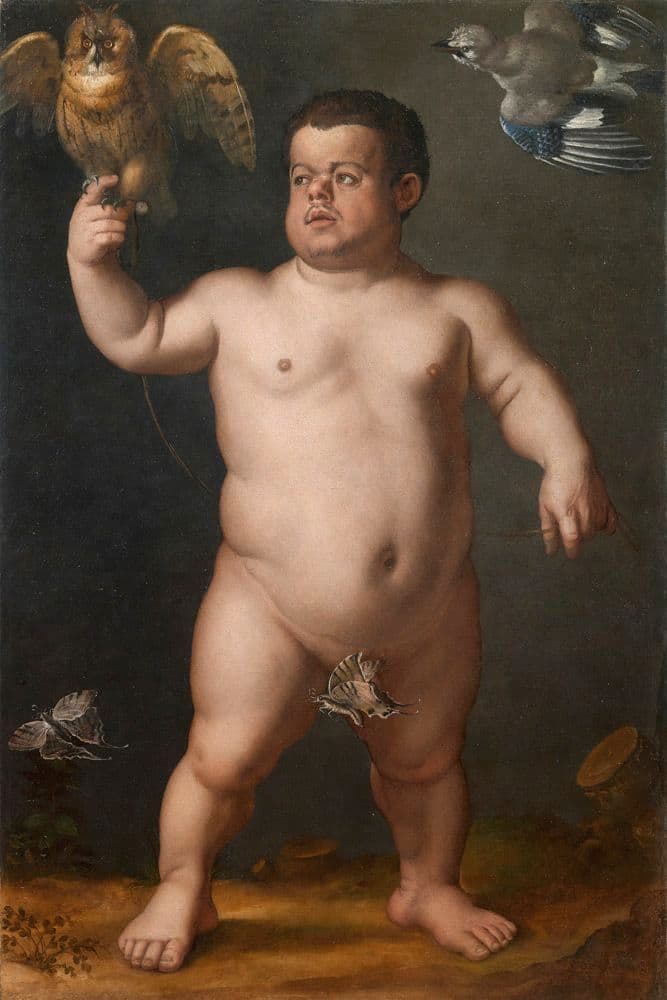
Uffizi Gallery Entrance
Gateway to Botticelli, Leonardo, and Renaissance masters
This stop orients visitors at the entrance area of the Uffizi Gallery, focusing on what makes its collection central to understanding Florence’s artistic legacy. The narration should outline key highlights inside—such as works by Botticelli, Leonardo da Vinci, Michelangelo, Raphael, and Caravaggio—and explain how they trace the evolution from medieval panel painting to mature Renaissance and beyond. It should emphasize that the building itself is part of the story, with upper corridors overlooking both the city and the river. A separate anecdote can mention how crowds historically gathered eagerly for special viewings of Medici treasures, long before the museum was fully public, illustrating changing ideas about who art was for. The stop should give clear thematic suggestions for those entering (for example, following a Botticelli or Medici portrait thread) while also remaining meaningful for listeners who are not going inside.

Arno Riverfront by Uffizi
River views, Ponte Vecchio, and Vasari Corridor
This stop steps out to the Arno riverfront beside the Uffizi, using the wide view to connect Florence’s political, artistic, and economic life. The narration should describe the river’s role in trade and daily routines, the low arches of Ponte Vecchio upstream, and the enclosed Vasari Corridor running above the street and bridge. It should explain how the corridor allowed the Medici to move securely between Palazzo Vecchio and Pitti Palace, symbolizing both control and separation from ordinary citizens. A unique anecdote can tell how, at one point, meat sellers on Ponte Vecchio were replaced by goldsmiths to improve the smell and prestige of the route beneath the corridor. This vantage point prepares listeners to cross the bridge next and enter the Oltrarno.
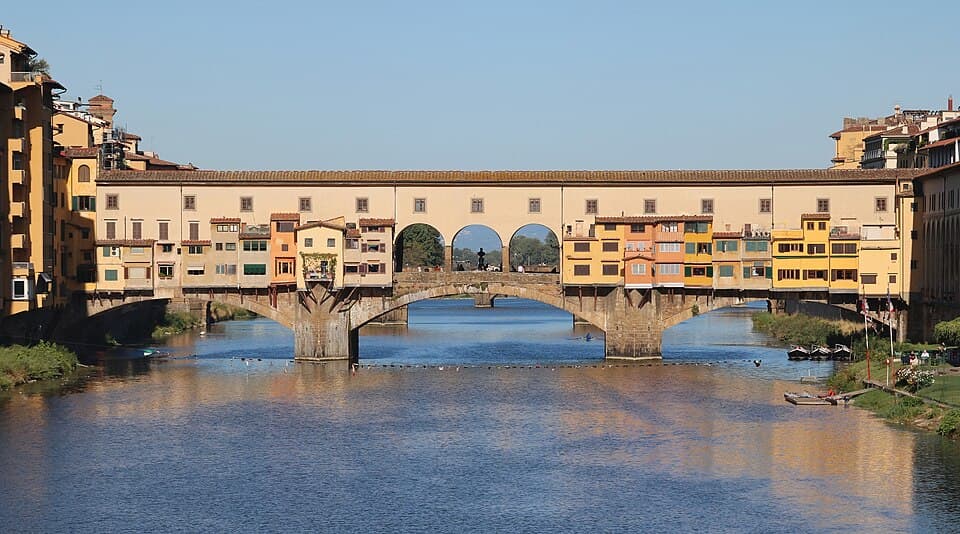
Ponte Vecchio
Medieval bridge lined with goldsmiths’ shops
This stop focuses on Ponte Vecchio as both an old river crossing and a bustling commercial street in mid‑air. The narration should describe the irregular line of shop fronts, the small central openings to the water, and the segment of the Vasari Corridor running above the shops on one side. It should touch on the bridge’s survival through floods and, notably, how it escaped demolition during the Second World War when nearby bridges were destroyed. A distinct anecdote can delve into the tradition that a decree once limited butchers here and encouraged jewelers instead, reshaping the bridge into a more refined shopping street. The guide should evoke the sensory experience of walking among glittering displays while also drawing attention to views over the Arno toward the city center and the Oltrarno hills.
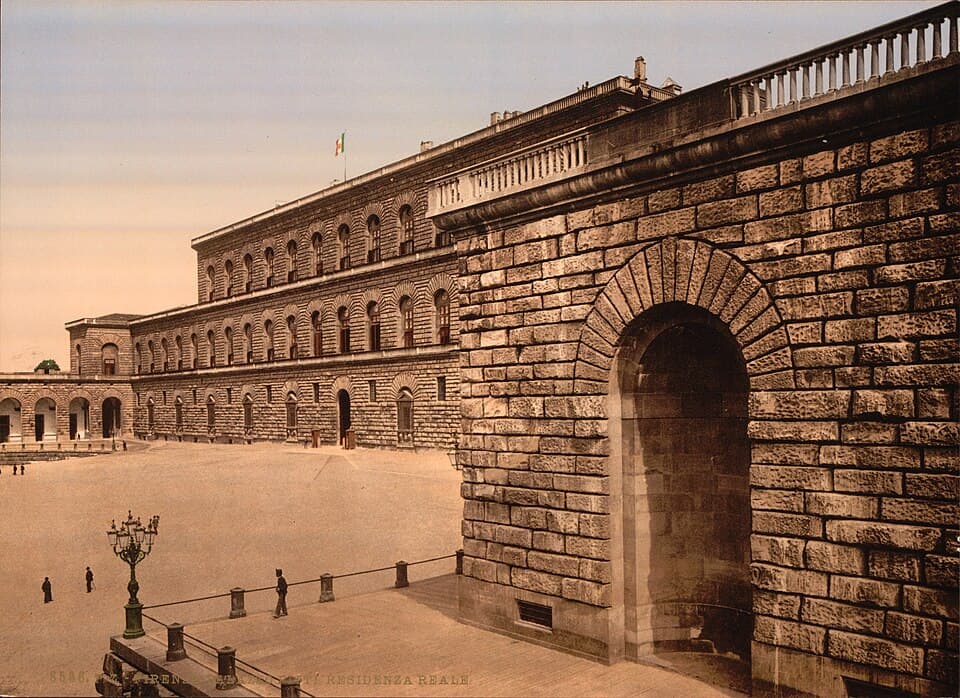
Piazza Pitti
Medici palace facade facing the Oltrarno
This stop presents Piazza Pitti and the imposing front of Pitti Palace as a statement of Medici wealth and courtly life on the Oltrarno side. The narration should describe the palace’s rusticated stone, massive windows, and terraced forecourt, contrasting its fortress-like mass with the more intricate civic buildings seen earlier. It should outline how the Medici acquired and enlarged the palace, turning it into their primary residence with grand apartments and the Palatine Gallery. A unique anecdote can mention how court spectacles and theatrical performances sometimes spilled into the square, using the palace facade as a backdrop for elaborate displays. This stop bridges the story from enclosed princely life to the green, sculptural world of the Boboli Gardens behind the palace.
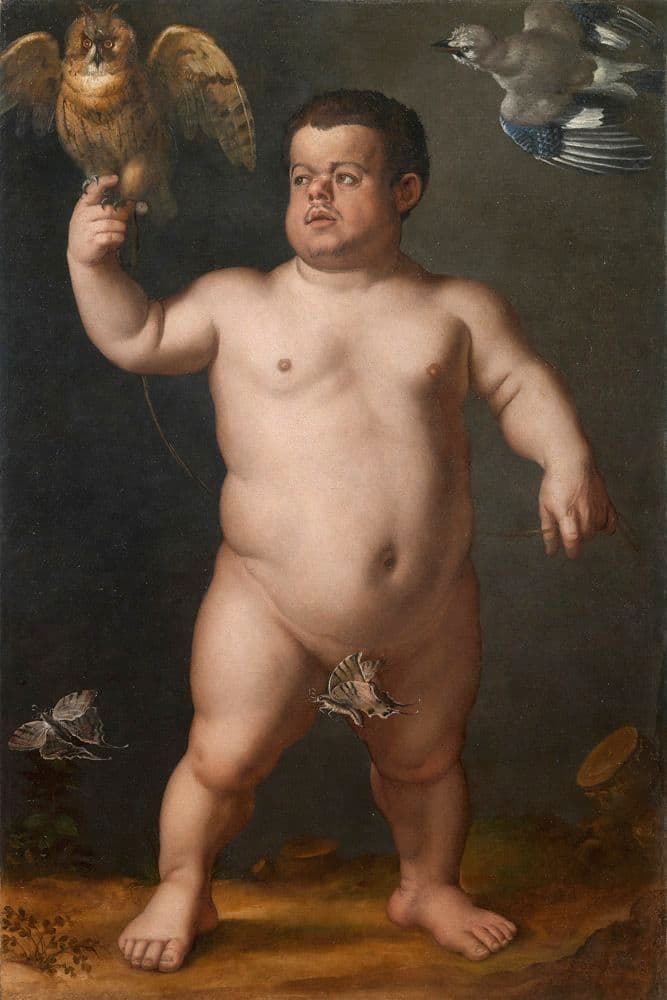
Boboli Gardens Entrance
Palace hillside transformed into a sculpture garden
This stop, by the entrance to the Boboli Gardens behind Pitti Palace, explains the gardens as an early example of an Italian formal garden rich in sculpture and vistas. The narration should describe the idea of terraced slopes, tree-lined avenues, grottos, and outdoor statues extending the palace into a theatrical landscape. It should touch on how the Medici and later rulers used the gardens for leisurely walks, courtly entertainments, and staged spectacles. A distinct anecdote can highlight one notable feature, such as the artificial grotto decorated with figures that blend natural rock and illusionistic sculpture, reflecting Mannerist taste. This stop emphasizes the shift from dense urban streets to designed nature, before the tour returns to a more everyday neighborhood square at Santo Spirito.
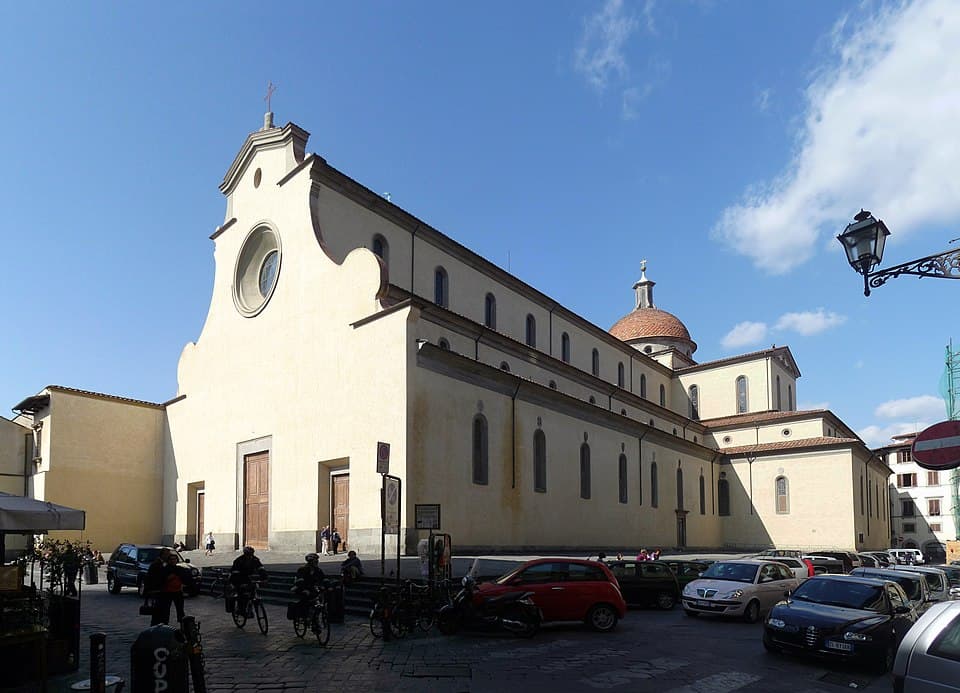
Santo Spirito Square
Brunelleschi’s church amid artisan workshops
The final stop uses Piazza Santo Spirito and the facade of the Basilica of Santo Spirito to explore a more intimate side of Florentine life. The narration should describe Brunelleschi’s interior design, noted for its harmonious proportions, while acknowledging the simple, later facade visible from the square. It should emphasize the Oltrarno’s tradition of craftsmen’s workshops—woodworkers, leatherworkers, and other artisans—whose daily activities keep Renaissance skills alive. A unique anecdote can mention how, in the past, markets and informal gatherings in this square mixed local residents, students, and travelers, giving it a reputation as a sociable, somewhat bohemian space. As the tour’s conclusion, this stop should tie together themes of faith, art, and community, contrasting the grand spectacle of the Duomo area with the lived-in character of this neighborhood.
Start This Tour
Download Roamway to experience this audio tour
Tour Details
Access
Free
Stops
12 points of interest
Languages
GermanEnglishSpanishFrench
More tours in Firenze
View all tours in FirenzeOther tours you might enjoy:
Florence: Medici Power, Palaces and Churches
This tour explores central Florence through key Medici sites, from San Lorenzo and its basilica, chapels, and palace to San Marco, Piazza Santissima Annunziata, and the political center around Palazzo Vecchio and Piazza della Signoria. It examines Medici patronage, art, architecture, religion, and government, including the Uffizi courtyard, Vasari Corridor exterior, and Pitti Palace.
Florence: Markets, Street Food and Wine Culture
This tour explores Florence’s food culture through historic markets, street food areas, and traditional wine bars on both sides of the Arno. It includes Mercato Centrale, Sant’Ambrogio, Via dei Neri, and the Santa Croce and Oltrarno districts. Themes include everyday Florentine life, local products, wine traditions, and artisan gelato.
Florence: Duomo Complex and Renaissance Churches Highlights
This tour focuses on Florence’s historic center, from the Piazza del Duomo and its cathedral complex to Orsanmichele, Badia Fiorentina, Santa Croce, and Santa Maria Novella. It examines medieval and Renaissance architecture, religious art, funerary monuments, and civic history, including key façades, sculptural programs, and interior highlights where accessible.
Frequently Asked Questions
How do I start this audio tour?
Download the Roamway app, search for this tour, and tap 'Start Tour'. The app will guide you to the starting point using GPS. Once you're there, the audio narration begins automatically.
Do I need an internet connection?
No! Once you've downloaded the tour in the Roamway app, it works completely offline. The GPS navigation and audio narration function without an internet connection.
Can I pause and resume the tour?
Yes! You can pause the tour at any time and resume later. Your progress is automatically saved, so you can complete the tour over multiple sessions if needed.